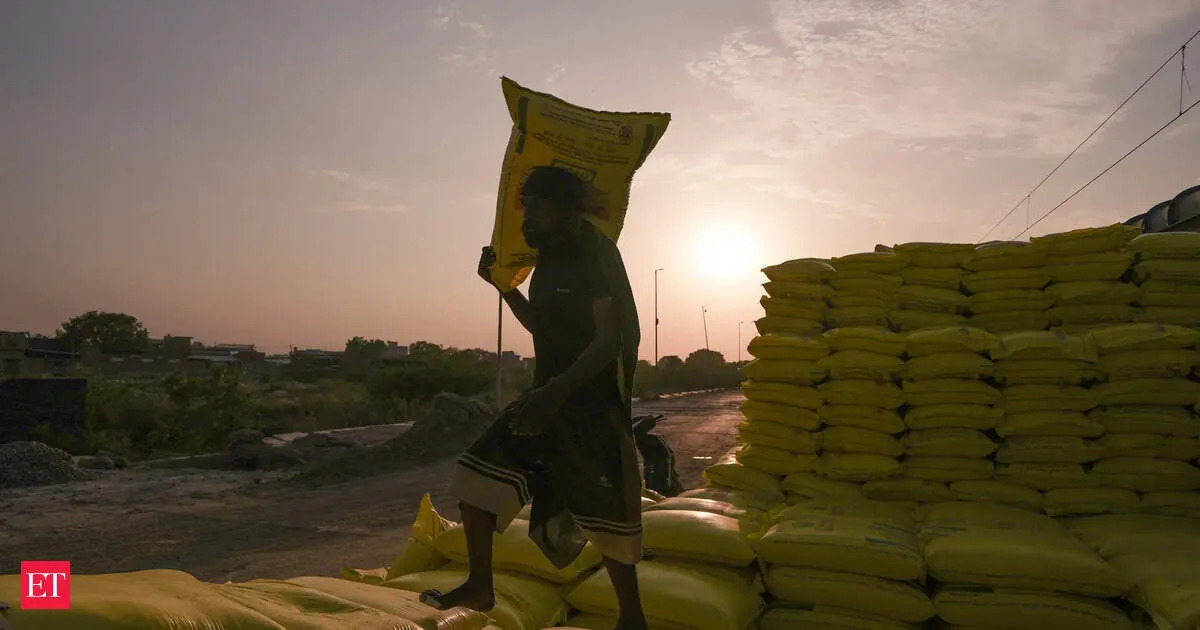
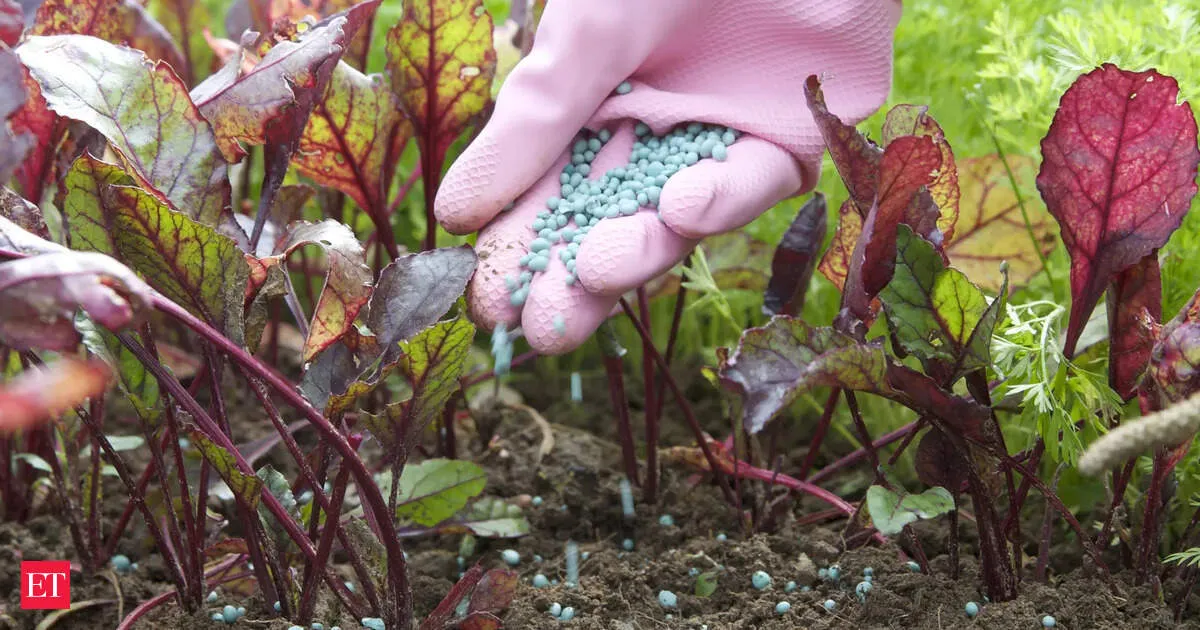
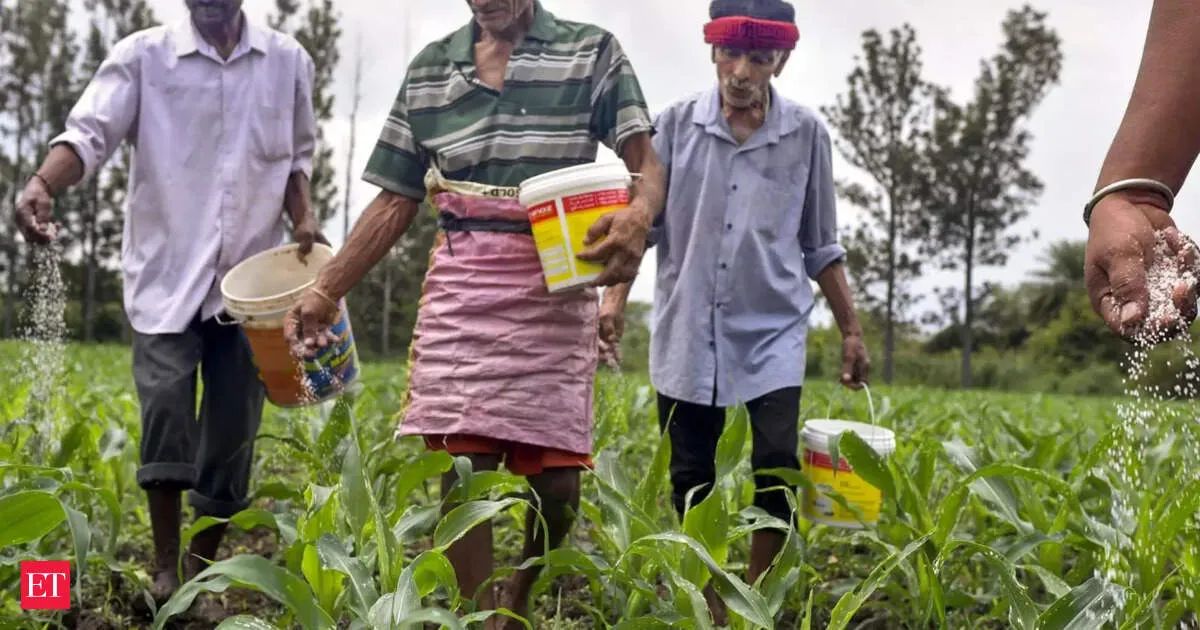
India’s fertiliser subsidy bill for FY 2026-27 is expected to exceed the Rs 1.71 lakh crore budget as the price of imported urea and other fertilisers rises amid the West Asia crisis. Even with global supply chain strain, officials say kharif 2026 supplies remain adequate through domestic production, imports, and proactive state-level stocking.
India’s fertilizer position looks resilient despite tensions in West Asia. Domestic urea output in March–April hit 37.49 lakh tonnes, almost in line with last year. Meanwhile, the government has secured 37 lakh tonnes of imported urea to protect supply ahead of the Kharif season, aiming to prevent shortages from disrupting farm inputs.
Your news, in seconds
Get the Beige app — every story in 60 words, updated hourly. Free on iOS & Android.
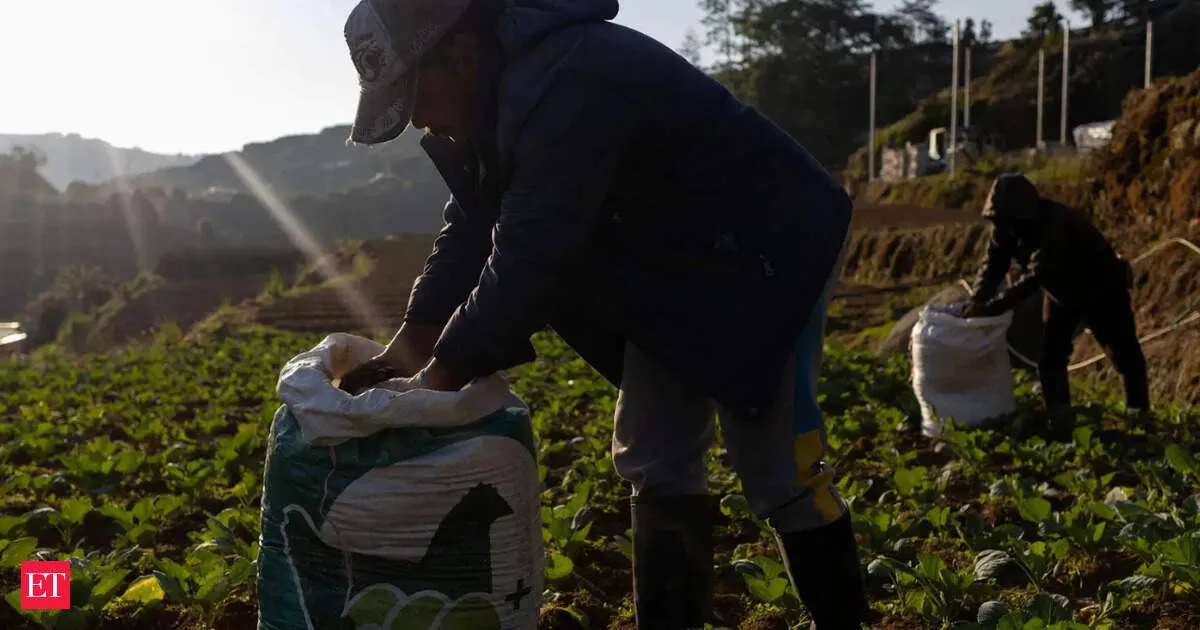
Urea output in the Gulf has dropped, while fertilizer ships face delays in finding safe routes, tightening supply chains. Officials and traders are trying to secure alternative shipping paths for essential goods. The combined impact could worsen food inflation if fertilizer shortages reduce crop inputs and slow seasonal planting.
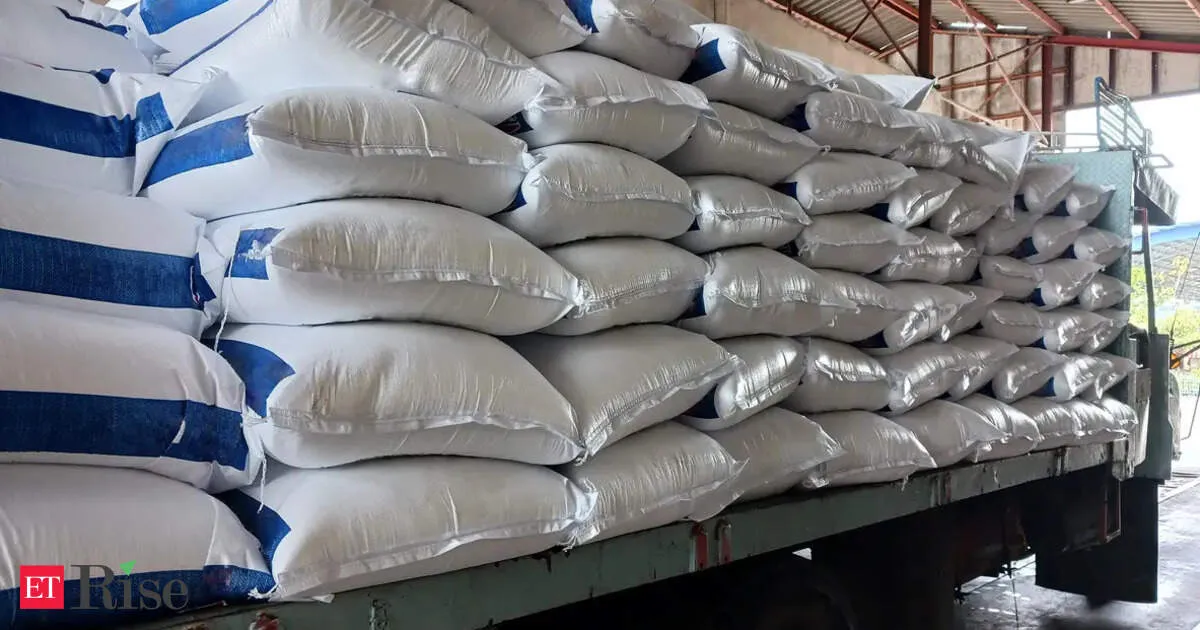
India plans to import 64 lakh tonnes of urea and 19 lakh tonnes of other fertilisers for the upcoming kharif season, even as global prices have doubled amid the West Asia crisis. The government says retail prices for urea and di-ammonium phosphate will remain unchanged, with adequate supply assured. Domestic production is also improving after securing gas supplies.
India’s fertiliser production fell nearly a quarter in March, driven by disruptions to imported natural gas linked to the Middle East conflict. Since gas is a core input for producing urea—the key fertiliser powering much of India’s agriculture—the shock highlights how directly global energy disruptions can ripple into farm supply and food costs.
India is set to purchase 2.5 million tons of urea fertilizer at rates nearly 90% higher than before the Middle East conflict, with global supplies tightening under geopolitical pressure. Indian Potash Ltd. will source the shipment just ahead of monsoon crop sowing, in a move aimed at preventing fertilizer shortages during the critical planting season.
Never miss a story
Set alerts for the topics and sources you care about. Download Beige for free.
Swipe through stories, personalise your feed, and save articles for later — all on the app.