A Chartered Accountant has sparked fresh debate by arguing that buying homes in urban India can be a poor financial deal compared to renting. Citing cities like Mumbai and Bengaluru, he notes rental yields stay low while home loan interest rates remain high, widening the gap for buyers. He adds that stamp duty and registration can take 5–7% upfront, worsening the upfront cost.
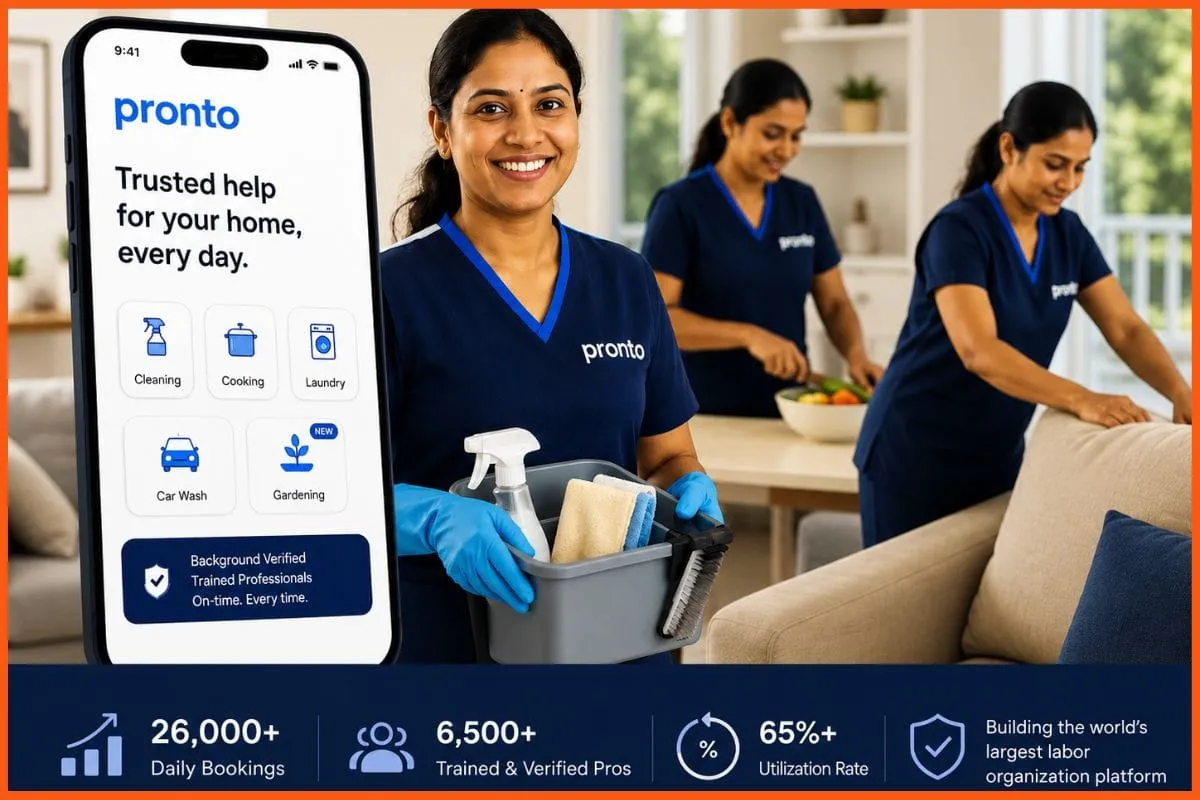
Pronto, India’s instant household services platform, has closed a $45 million Series B at a $200 million valuation—doubling its value in roughly a month. Led by Lachy Groom with a $20 million extension, the funding follows rapid traction: daily bookings rose to 26,000 and the platform runs at over 65% utilization with a rapidly expanding pool of trained, verified pros.
Your news, in seconds
Get the Beige app — every story in 60 words, updated hourly. Free on iOS & Android.
Ahead of elections in Bengal, domestic helpers are returning, underscoring how deeply middle class urban life depends on their work. The article notes a shift in domestic labour itself: full time roles are giving way to part time gigs, letting workers negotiate schedules and pay. The result is a quieter but significant change in bargaining power at home.
Air-conditioners are shifting from luxury to everyday essentials in India, drawing startups such as Helium and Optimist into a market long controlled by major brands. These new players are betting on affordable, energy-efficient models suited for urban homes. At the same time, incentives for local manufacturing are lowering entry barriers and accelerating competition.
Swipe through stories, personalise your feed, and save articles for later — all on the app.