Bengal Urban Development and Municipal Affairs minister Agnimitra Paul said Friday that authorities will strictly enforce rules on public street activities to ensure no inconvenience to citizens. She stressed the crackdown is religion-neutral, warning that loud microphones disturb elderly people, students, and even animals. Paul also outlined steps to identify illegal commercial structures lacking key approvals and to prepare for monsoon-related waterlogging and dengue. An app is planned for residents to report littering with geo-tagged photos for rapid cleanup.
India will need nearly Rs 80 lakh crore for urban infrastructure by 2037, with cities projected to contribute about 70% of GDP by 2036, according to Brickwork Ratings. The report flags a shift from grant-led support to market financing via an Urban Challenge Fund of Rs 1 lakh crore. It expects around Rs 4 lakh crore of investment in five years, requiring local bodies to fund at least 50% via municipal bonds, loans, or PPPs, while the Centre provides 25%. Credit ratings and a repayment guarantee scheme for smaller towns are central to access.
Your news, in seconds
Get the Beige app — every story in 60 words, updated hourly. Free on iOS & Android.
Arunachal Pradesh Cabinet approved a revamped Inner Line Permit regime under the Bengal Eastern Frontier Regulation, 1873, including a fully digital eILP system with QR-code verification at every check gate. It also introduces Aadhaar-based authentication, mandatory police verification, and stricter sponsor accountability for work-related permits, alongside enhanced penalties for overstay and surprise compliance checks. The cabinet additionally cleared Tenancy Rules, 2026 and an Airport Area Development Authority Bill, 2026. At the same time, sweeping austerity steps restrict travel, reduce convoys, and push paperless and energy-saving practices.
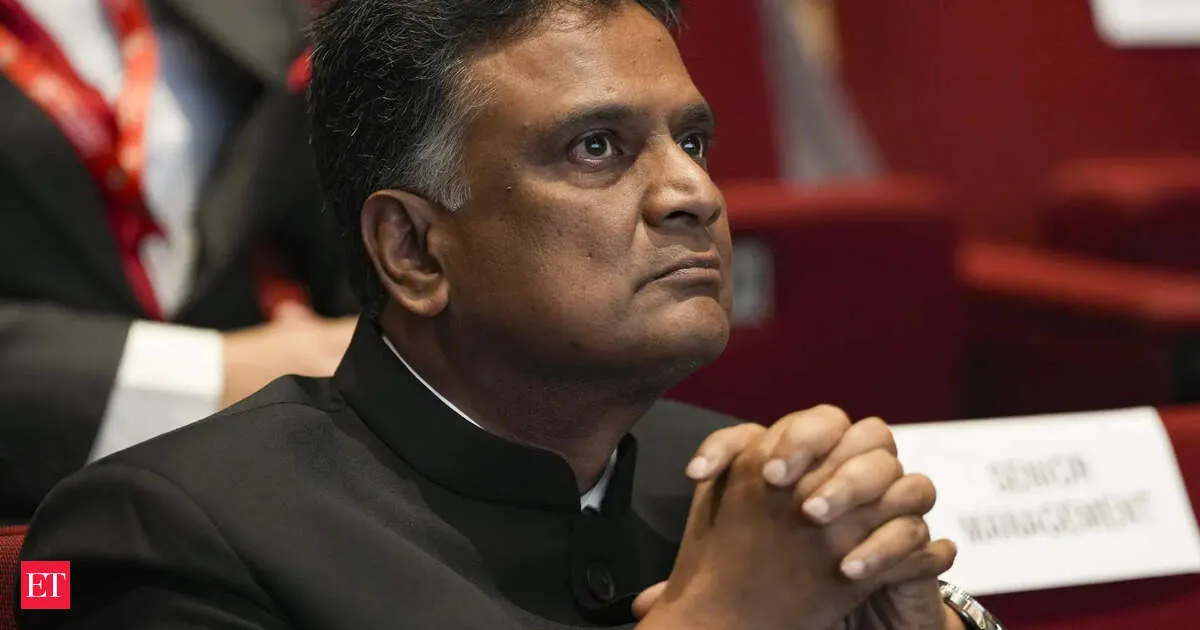
At the BRICS SAI Summit in Bengaluru, India’s chief auditor K Sanjay Murthy called for stronger accountability in urban development and sustainable transport. He said public spending should be evaluated not by project completion, but by measurable outcomes for citizens’ well-being, particularly as cities grow faster and face mounting sustainability pressures.
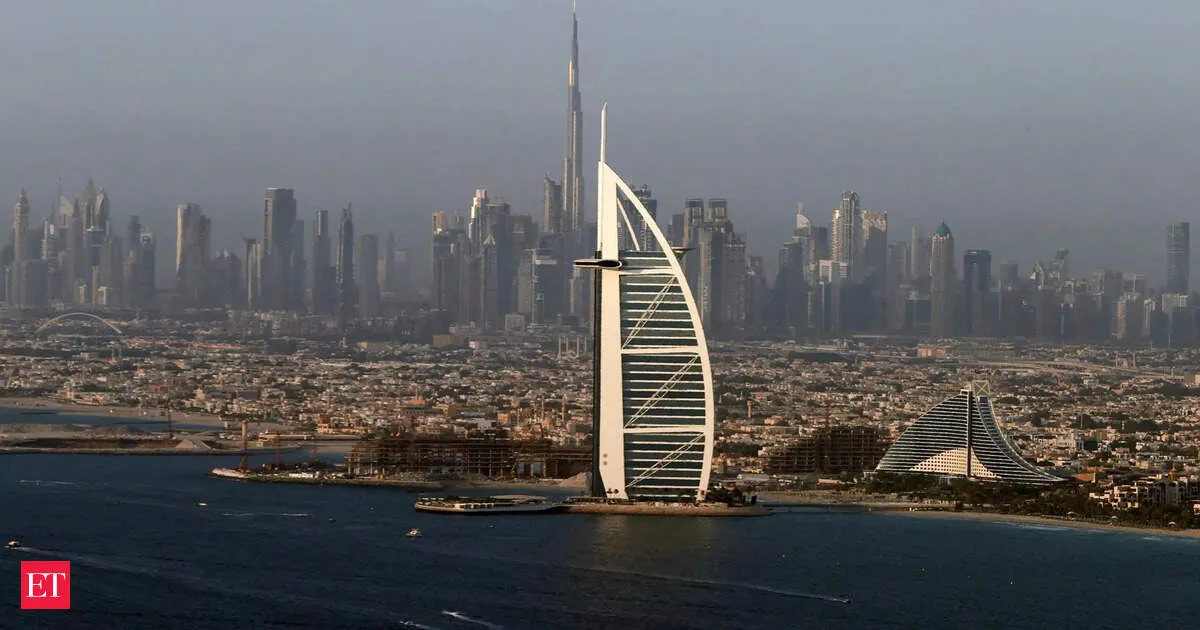
Dubai’s property market is rewarding buyers for location near metro and transit corridors. Areas linked to the metro have recorded price gains of over 26%, reflecting a broader shift where development follows transport lines. As integrated communities form around stations, demand patterns are changing and new localized economic clusters are emerging, accelerating construction and reshaping preferences.
Indian civic bodies are increasingly turning to the bond market to fund urban development, buoyed by budget incentives. Major players like Bombay Municipal Corporation and Ahmedabad Municipal Corporation are gearing up to raise sizable resources through debt, while smaller municipalities are preparing to issue bonds of their own, signaling a wider shift toward market-based financing for city projects.
Never miss a story
Set alerts for the topics and sources you care about. Download Beige for free.
Swipe through stories, personalise your feed, and save articles for later — all on the app.