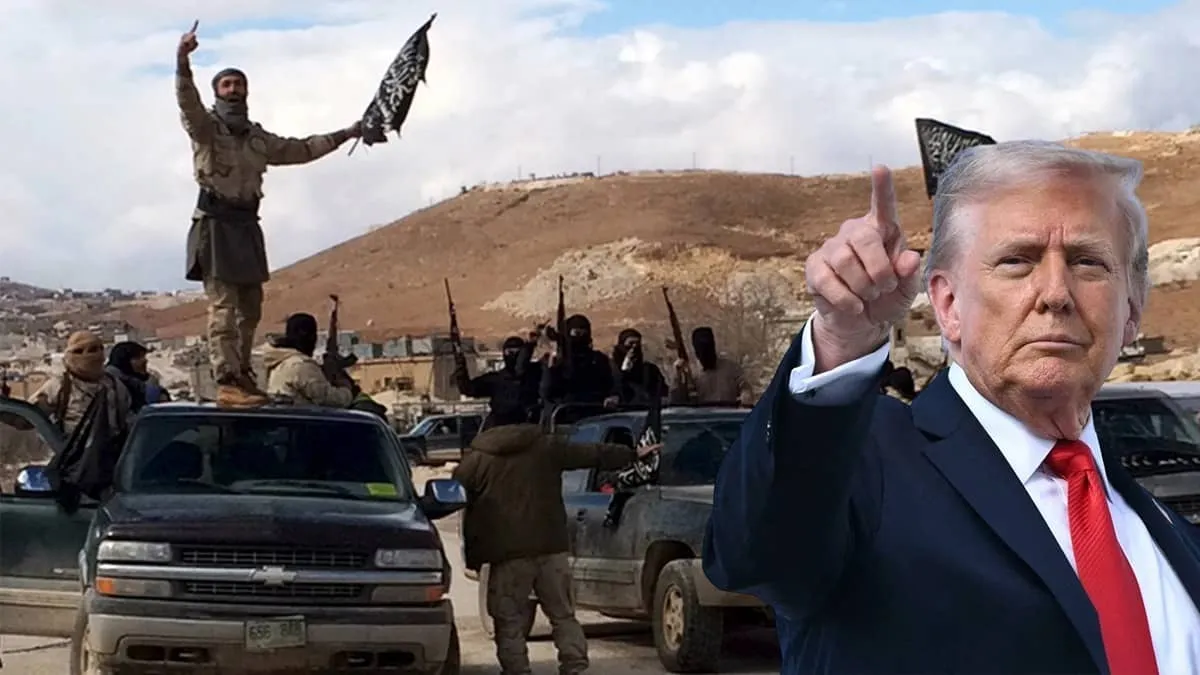
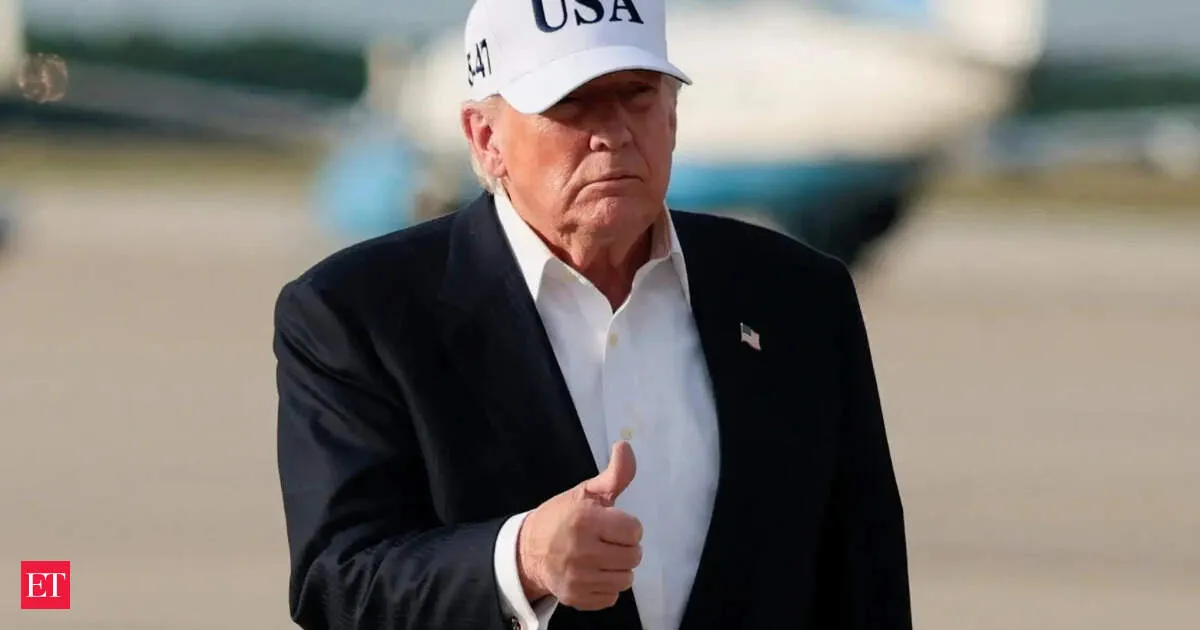
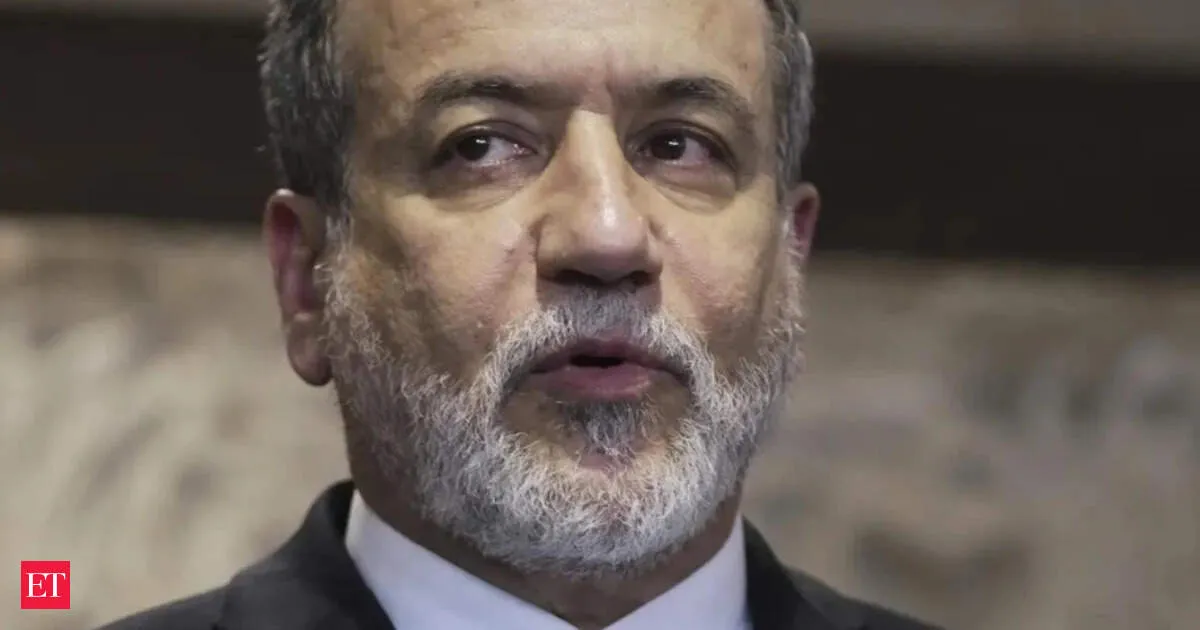
US President Donald Trump says a targeted operation in Nigeria—carried out by US forces working with Nigerian security personnel—killed Abu-Bilal al-Minuki, described as ISIS’s second-in-command globally. Born in Nigeria’s Borno State and sanctioned by the US in 2023, al-Minuki was reportedly a key regional leader for ISIS’s Lake Chad area, handling operational and financial direction. Trump said ISIS believed it could evade detection, but US intelligence tracking led to his elimination.
President Donald Trump’s coercive diplomacy toward Iran is struggling to bring talks to the negotiating table, analysts say, because his approach demands an “absolute victory” narrative that would require Tehran to concede total defeat. With Iran focused on saving face domestically and maintaining leverage through the Strait of Hormuz, both sides remain deadlocked despite strikes that degraded Iran’s military capabilities. The standoff also reverberates globally via energy supply shocks, while Trump faces domestic blowback tied to gasoline prices and low approval ratings.
Your news, in seconds
Get the Beige app — every story in 60 words, updated hourly. Free on iOS & Android.
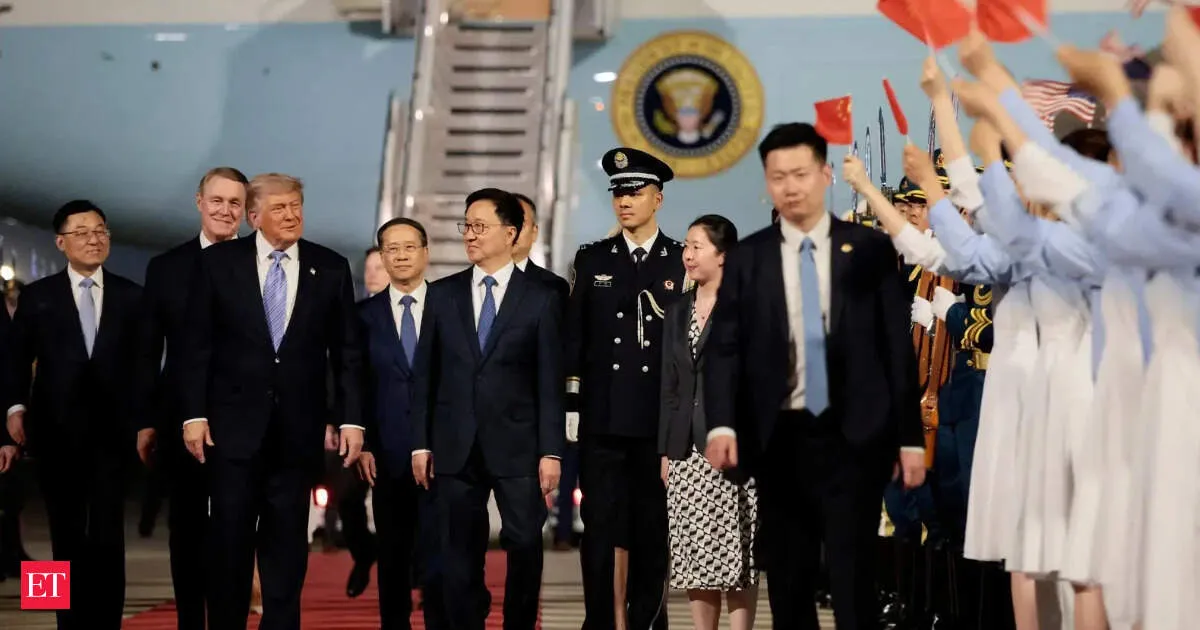
A high-profile group of U.S. corporate leaders, including Apple, Meta, Boeing, Cargill, and Goldman Sachs executives, traveled to Beijing with President Donald Trump for a China leadership summit. While officials offered red-carpet treatment and optimism, analysts said the visit’s goal was more about creating political “guardrails” than landing massive deals. Concrete progress appears limited: Boeing orders reportedly involve 200 jets, below past expectations, and permission for Nvidia’s H200 AI chip remains unresolved despite signs the trip could help.
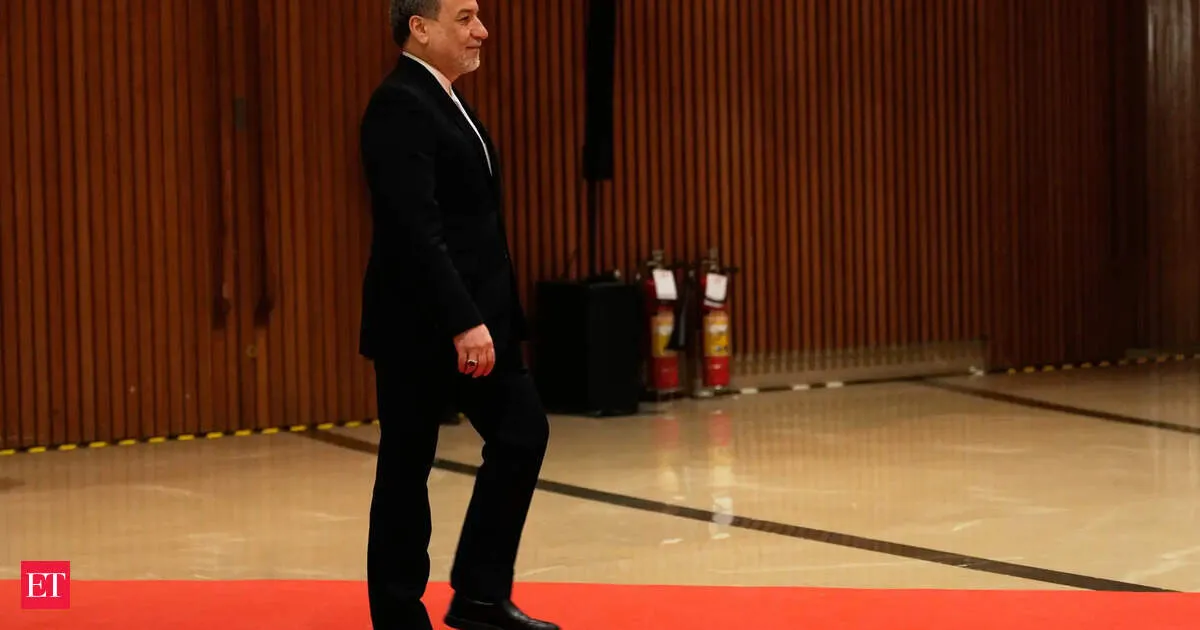
Iran’s foreign minister Abbas Araqchi said Tehran has “no trust” in the United States and will negotiate only if Washington is genuinely serious. Talks to end the Iran conflict are stalled after both sides rejected new proposals during Pakistan-mediated efforts. While Iran says vessels not at war with it may pass the Strait of Hormuz if they coordinate with Iran’s navy, Araqchi warned the situation remains “very complicated,” with Iran still prepared to resume fighting. Nuclear issues and Hormuz control are key hurdles.
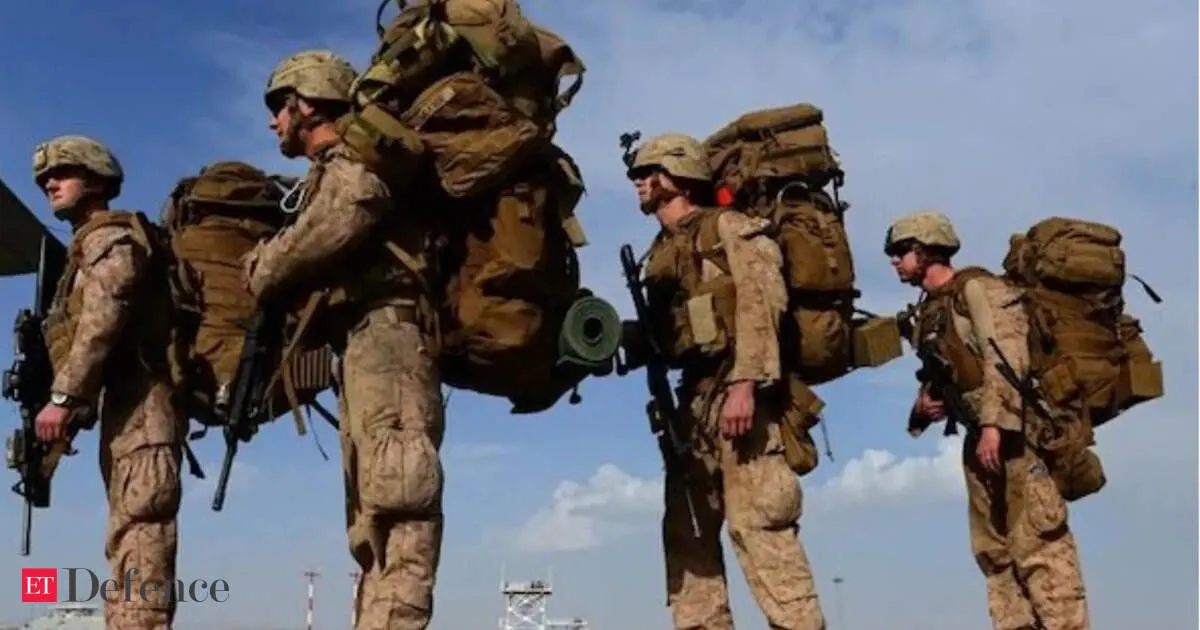
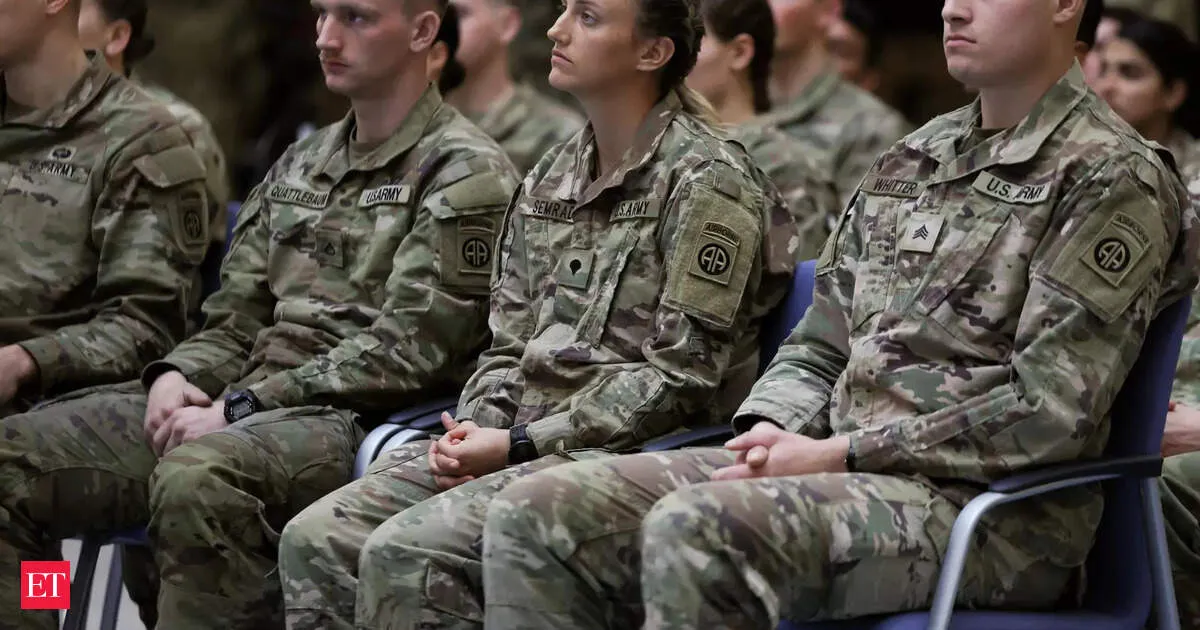
The Pentagon has canceled a planned temporary deployment of 4,000 U.S.-based troops to Poland, two officials told Reuters, adding new uncertainty to President Donald Trump’s anticipated troop cuts in Europe. The decision arrives only weeks after the Pentagon said it would withdraw 5,000 troops from NATO ally Germany. Polish Prime Minister Donald Tusk said he received assurances that security and deterrence would not be affected, with U.S. officials framing it as logistics for a larger Germany drawdown.
The Pentagon has abruptly canceled a planned nine-month deployment of 4,000 US troops to Poland, weeks after announcing it would withdraw about 5,000 troops from Germany. The move threatens to weaken NATO’s eastern defenses as Russia’s war in Ukraine grinds on, and it has heightened European allies’ anxiety about America’s long-term commitment. While the Pentagon says the decision followed a multi-step internal process, critics note Congress was not informed, deepening doubts over deterrence and messaging to Moscow.
Never miss a story
Set alerts for the topics and sources you care about. Download Beige for free.
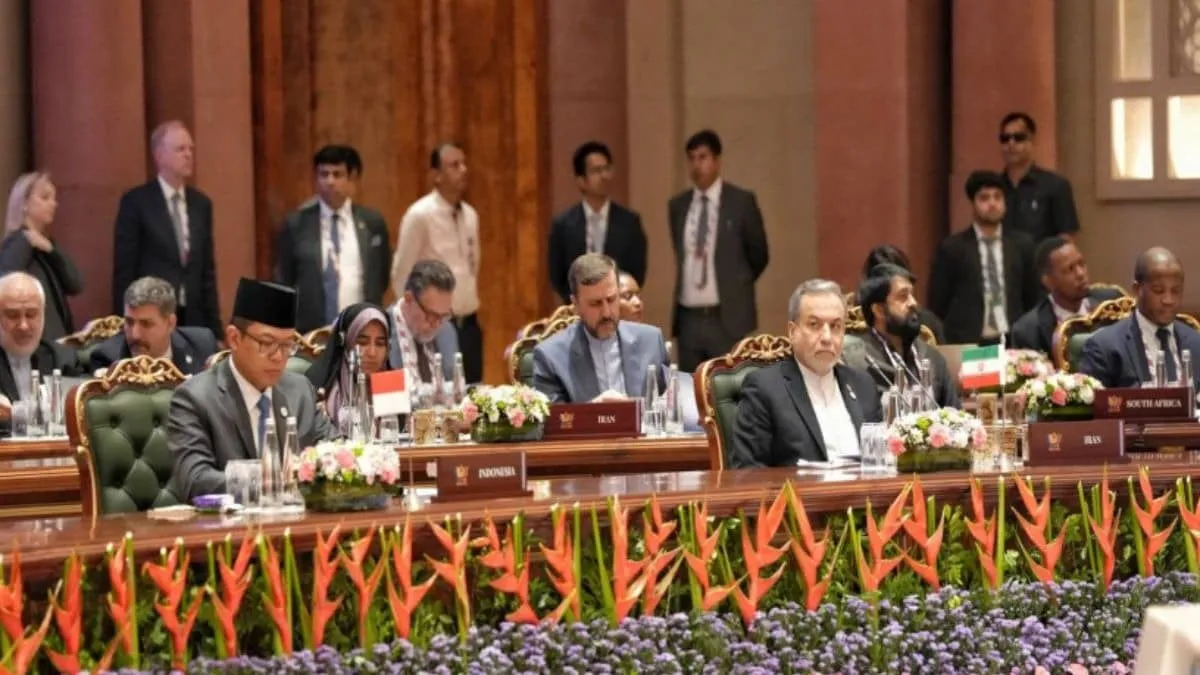
Iranian Foreign Minister Abbas Araghchi used his maiden India visit to deliver a sharp critique of the United States at the BRICS Foreign Ministers’ meeting in New Delhi. He called US behavior “bullying” and warned against what he described as “empires in decline,” arguing that regional instability becomes a lose-lose situation for everyone, including aggressors. Araghchi said Tehran’s resistance was a familiar struggle for many countries present, and pressed BRICS members to coordinate more tightly against coercion.
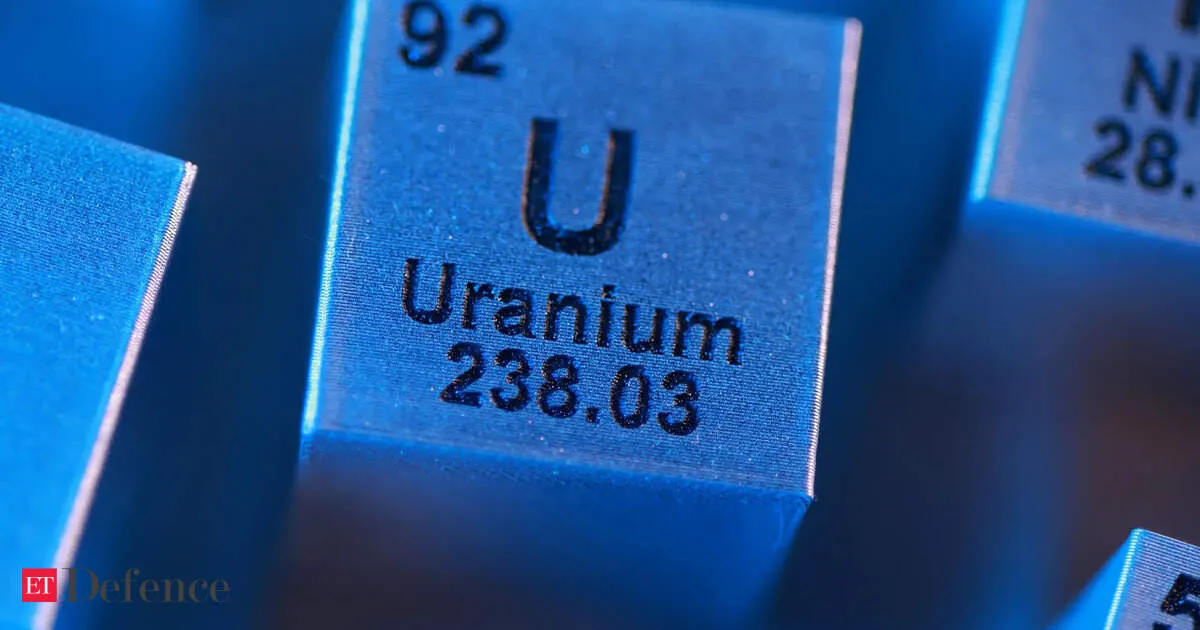
The US Department of Energy’s National Nuclear Security Administration says it has removed the last highly enriched uranium from Venezuela’s legacy RV-1 research reactor. The operation, coordinated with Venezuela’s Ministry of Science and Technology, the IAEA, UK experts, and US State Department personnel, follows research ending in 1991, when uranium enriched above 20% remained as surplus. NNSA removed 13.5 kilograms in under six weeks, shipped it to the US, and will process it into high-assay low-enriched uranium for reuse.
Iran’s foreign minister Seyyed Abbas Araghchi urged BRICS states, and the wider international community, to “unequivocally condemn” alleged violations of international law by the United States and Israel. Speaking at the BRICS Foreign Ministers’ Meeting in New Delhi, he framed the West Asia escalation as a defense of the Global South against Western “hegemony,” citing violations of sovereignty, coercive pressure, and impunity. Araghchi called for practical steps to stop warmongering and avoid politicising international institutions.
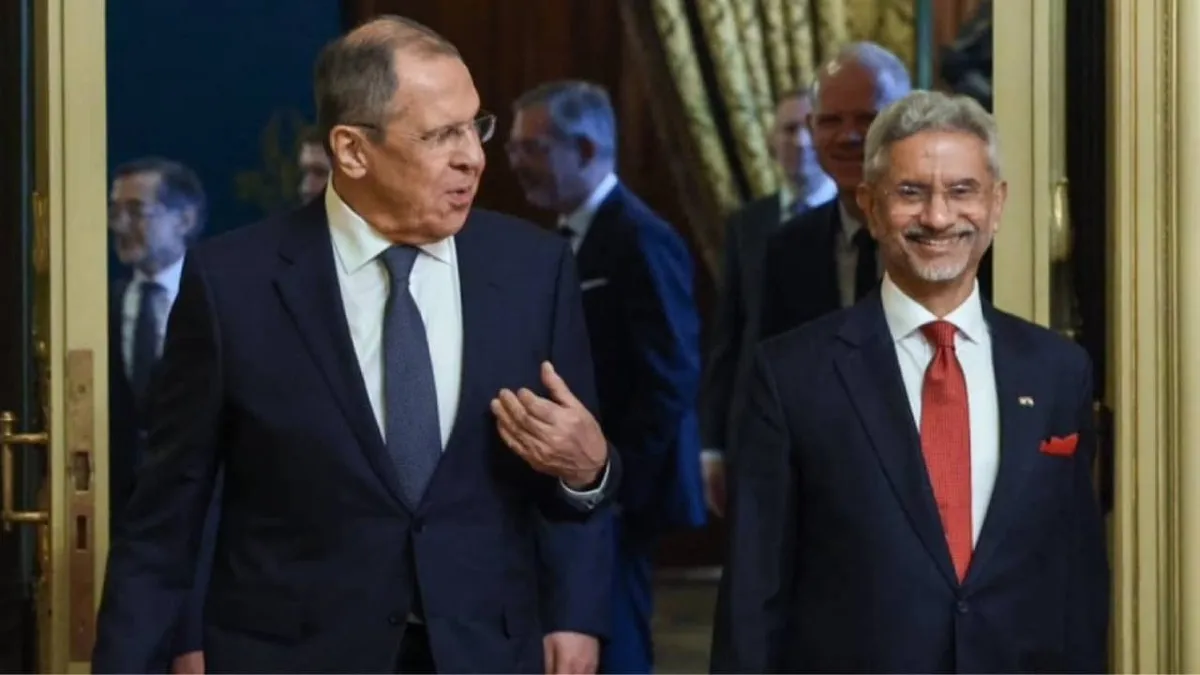
Russian Foreign Minister Sergey Lavrov told RT India that India’s interests in Russian energy supplies will not be affected, even as he accused the United States of “unfair competition.” Ahead of a visit for the BRICS Foreign Ministers’ Meeting, Lavrov alleged Washington seeks to dominate and “seize all energy routes” globally, pressuring countries that maintain ties with Russia. He also criticized Europe for dropping Russian contracts, arguing bans are politically driven and will force higher-cost imports of US LNG.
Reading on mobile?
Open Beige in the app for a smoother experience — free on iOS and Android.
President Donald Trump is set to ask Xi Jinping for help ending the Iran conflict during talks this week, but analysts expect Beijing to offer only limited support. China may encourage Iran to return to negotiations, while resisting any move that would jeopardize its key economic and military links with Tehran, including dual-use supplies. The US has pressure tools like sanctions, yet experts warn the costs and potential retaliation are too high.
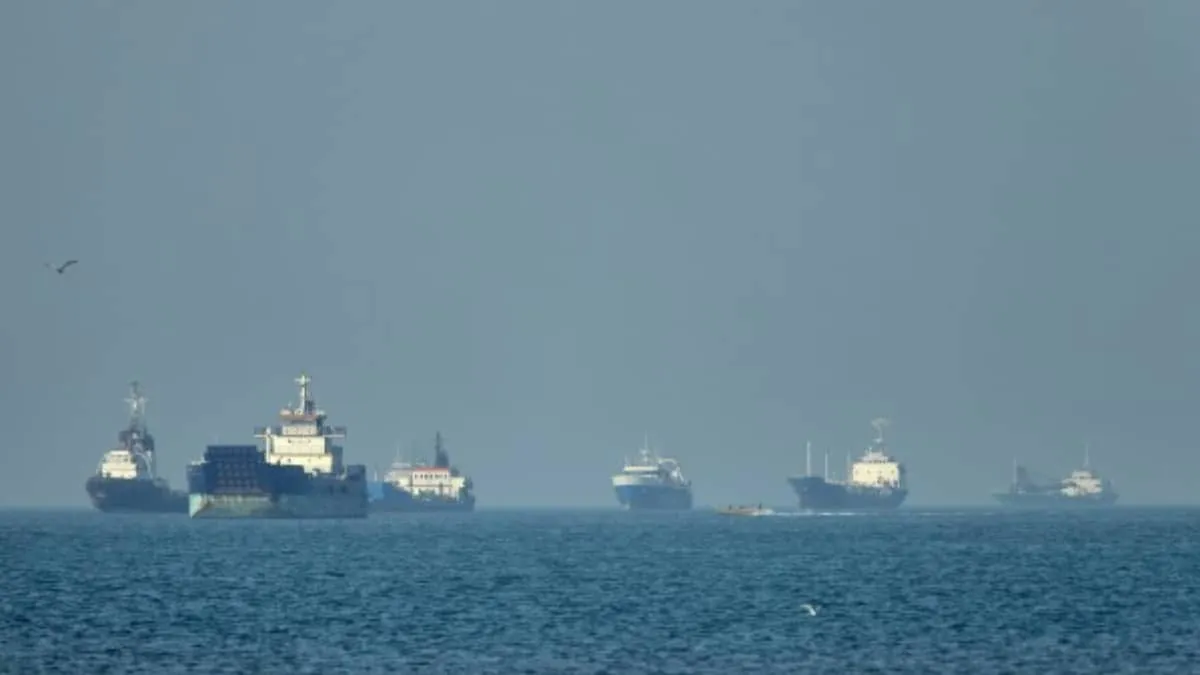
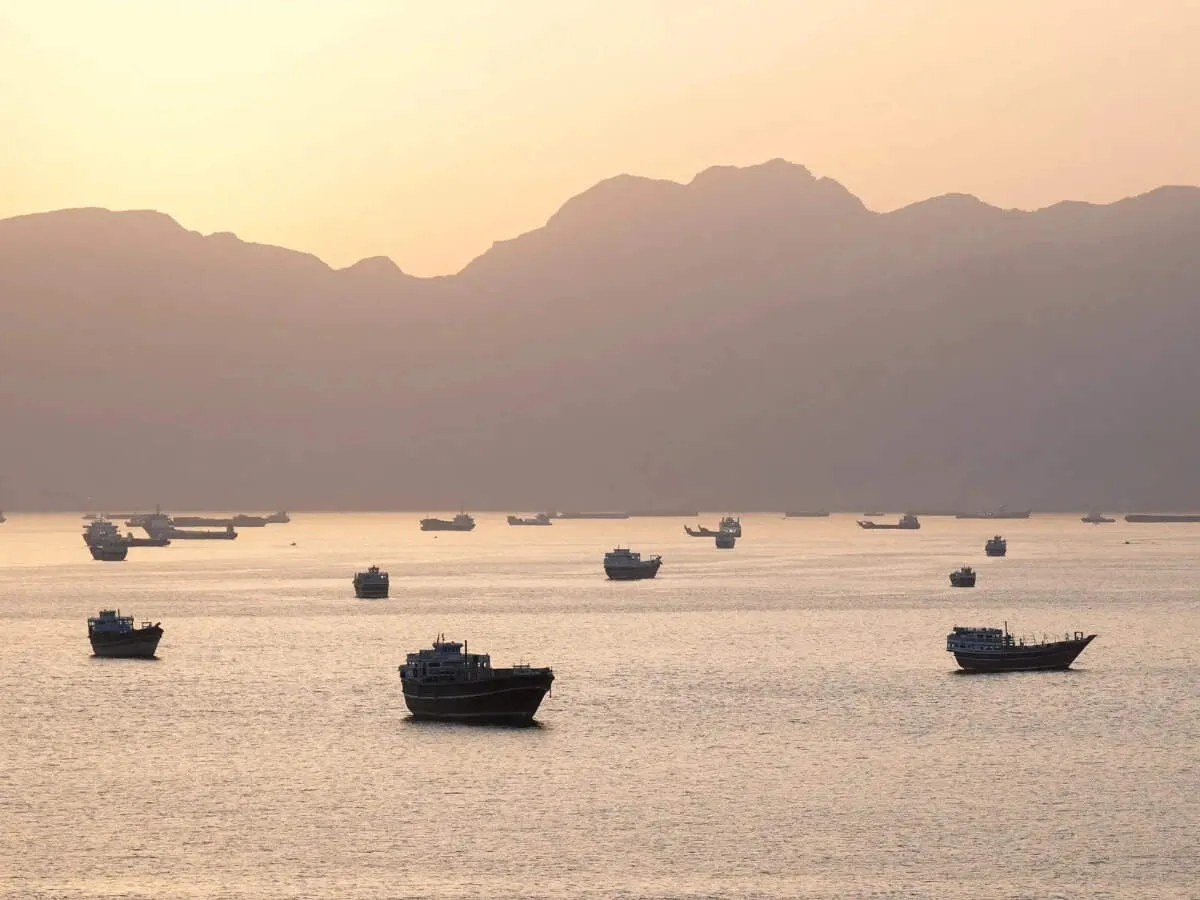
Ship-tracking data suggests the Iran-linked LPG carrier Tara Gas is transiting the Strait of Hormuz, moving past Larak Island on a route that appears aligned with Iranian approvals. The vessel is reportedly broadcasting that its crew and owners are Indian, even as the US maintains a naval blockade pressure campaign. The LPG onboard is described as cooking-fuel material. Bloomberg adds that countries including India have negotiated with Tehran to secure energy cargo releases.
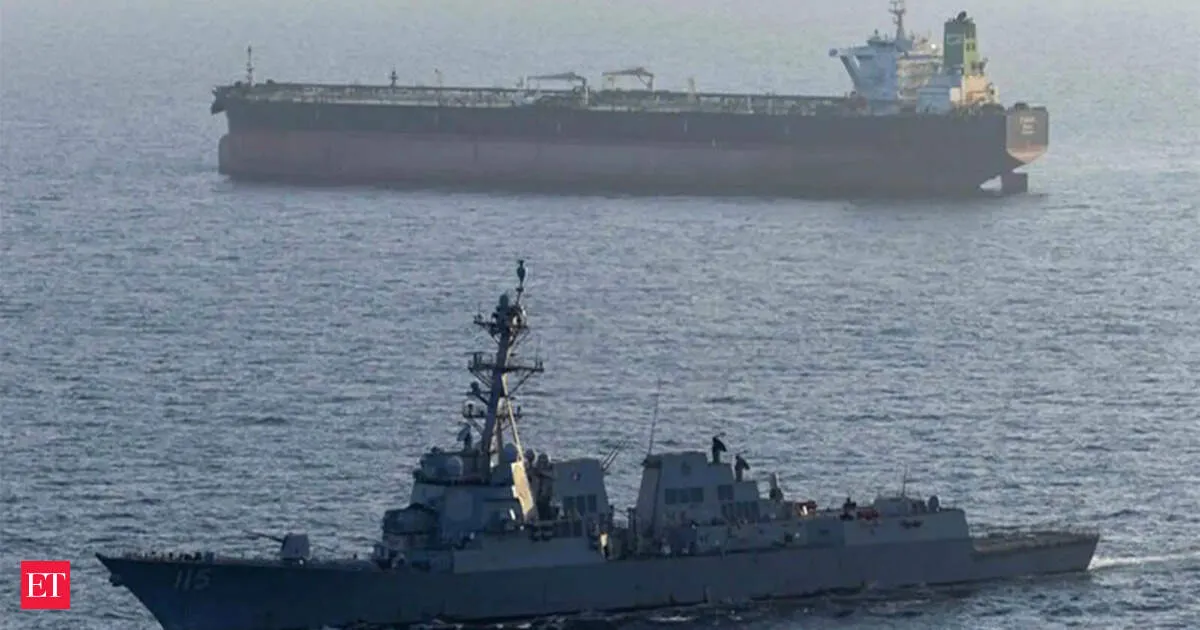
U.S. President Donald Trump downplayed recent strikes on Iranian targets as a “love tap,” telling ABC News that the ceasefire remains in effect even after an exchange of fire near the Strait of Hormuz. During the call, he rejected claims that escalation meant the agreement had collapsed, while the U.S. Navy reported successful transit through the strategic waterway despite Iranian attacks. Separate reports said U.S. strikes hit maritime corridors near Iran’s Qeshm port and Bandar Abbas, described as limited and not a return to full war.
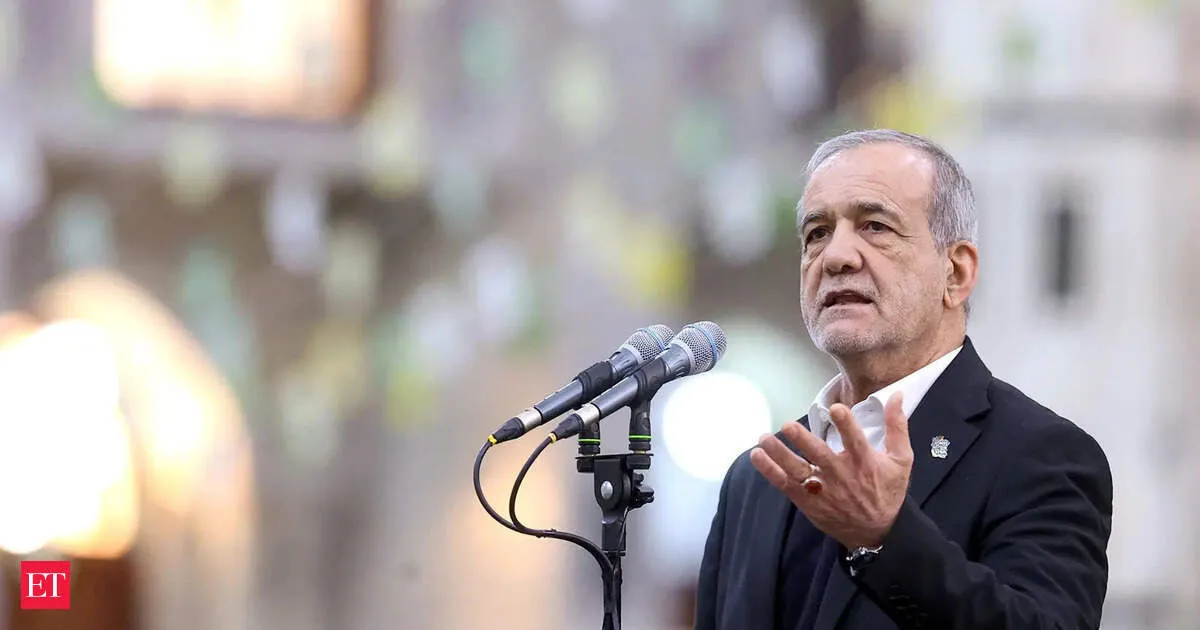
Iranian President Masoud Pezeshkian says dialogue with the United States does not mean surrender, stressing Tehran will not retreat on sovereignty or national rights. As a diplomatic step, Iran submitted its response to a US de-escalation proposal through Pakistani mediators, with talks aimed at ending regional war and restoring commercial shipping. But the tone turned tougher: Iran warned restraint is over, citing recent maritime strikes, issuing retaliation threats against US interests, and outlining a staged 14-point plan.
Follow your favourite sources
Track sources, tags and categories — all in the Beige app.
Zydus Lifesciences has agreed to acquire Assertio Holdings for $166.40 million, a move aimed at strengthening its position in the U.S. specialty oncology market. The acquisition includes Assertio’s cancer treatment Rolvedon and adds a commercial network that Zydus expects to use to expand and accelerate its oncology initiatives.
President Donald Trump says the US does not need China’s help to end the Iran war, arguing America will prevail. Meanwhile, Iran is tightening its control of the Strait of Hormuz as US and Iranian demands remain widely mismatched. With a Chinese supertanker attempting passage, the standoff is already rattling global energy markets.
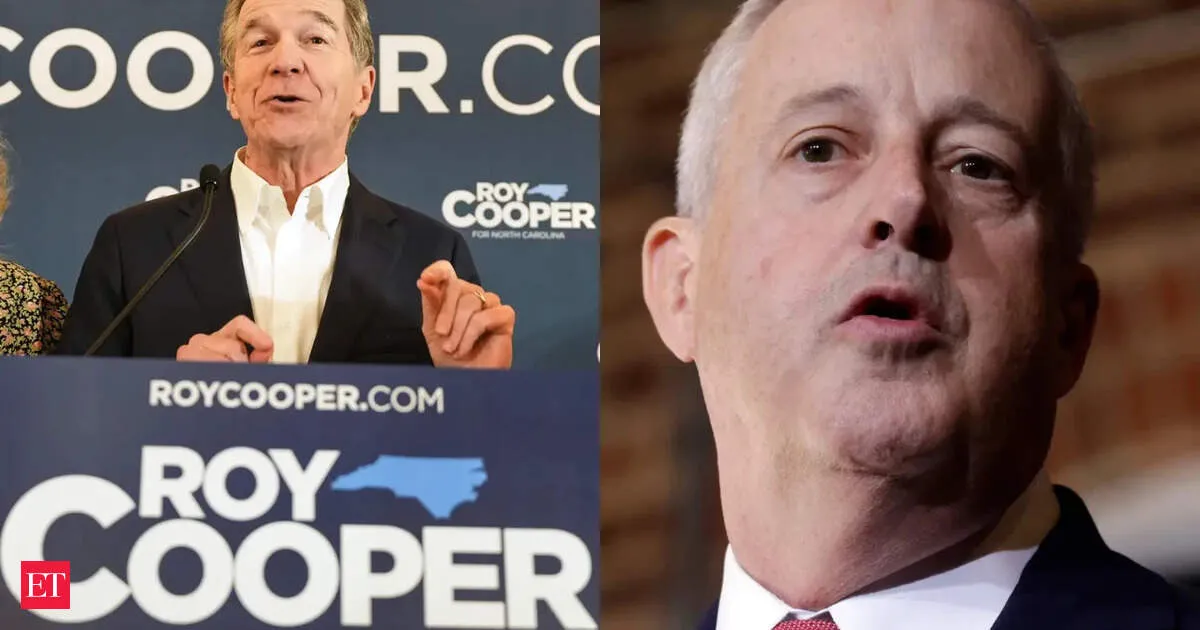
In North Carolina, voters are trying to square Trump backed tax cuts with the sting of inflation. While proposals promise higher take home pay, everyday costs like rent, food, and fuel are rising fast, dominating kitchen table concerns. The dispute is driving the midterm conversation, pitting Roy Cooper and Michael Whatley’s sharply different economic visions against each other.
Gasoline prices in the US inched higher on May 13, with the national average reaching $4.511 per gallon. California drivers are paying the most, while Oklahoma has the lowest prices. Texas and Florida are still below the national average, and Washington and Hawaii show higher rates, partly linked to their geography.
Stay informed on the go
Bite-sized news from 100+ trusted sources, right in your pocket.
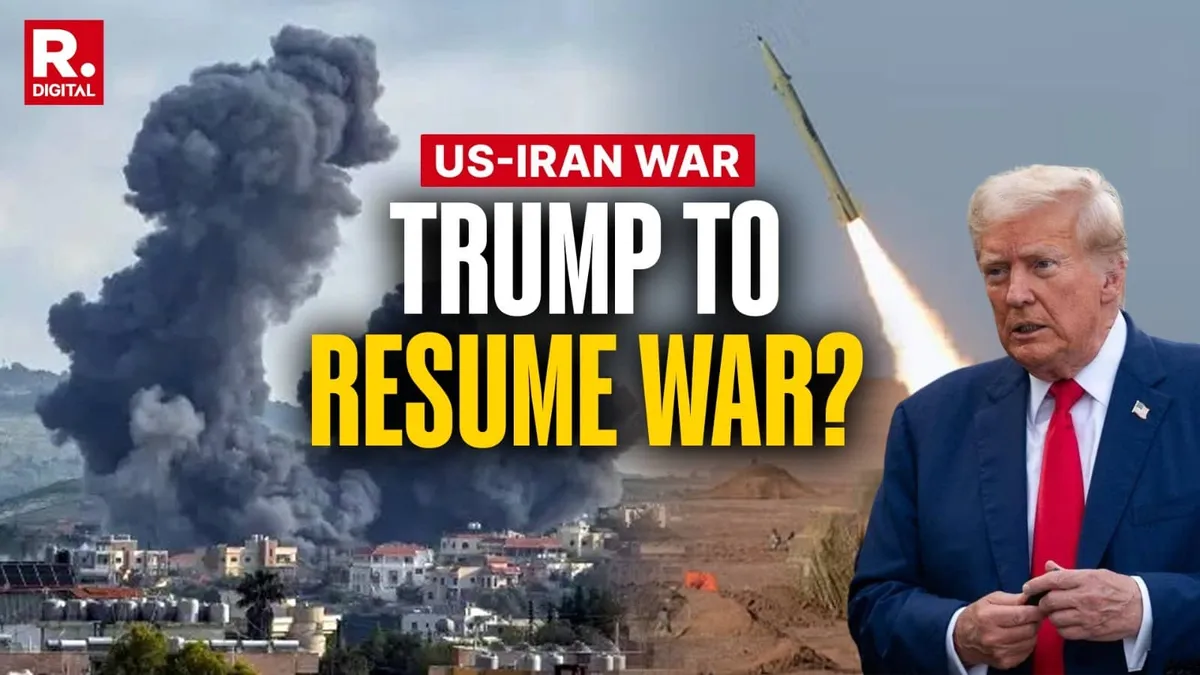
A fragile ceasefire in the Gulf is under pressure as renewed US-Iran tensions threaten to flare again around the Strait of Hormuz. Any clash could swing the situation between an outright wartime scenario and a prolonged “cold war” standoff—while the biggest immediate risk is disruption to global markets and energy flows.
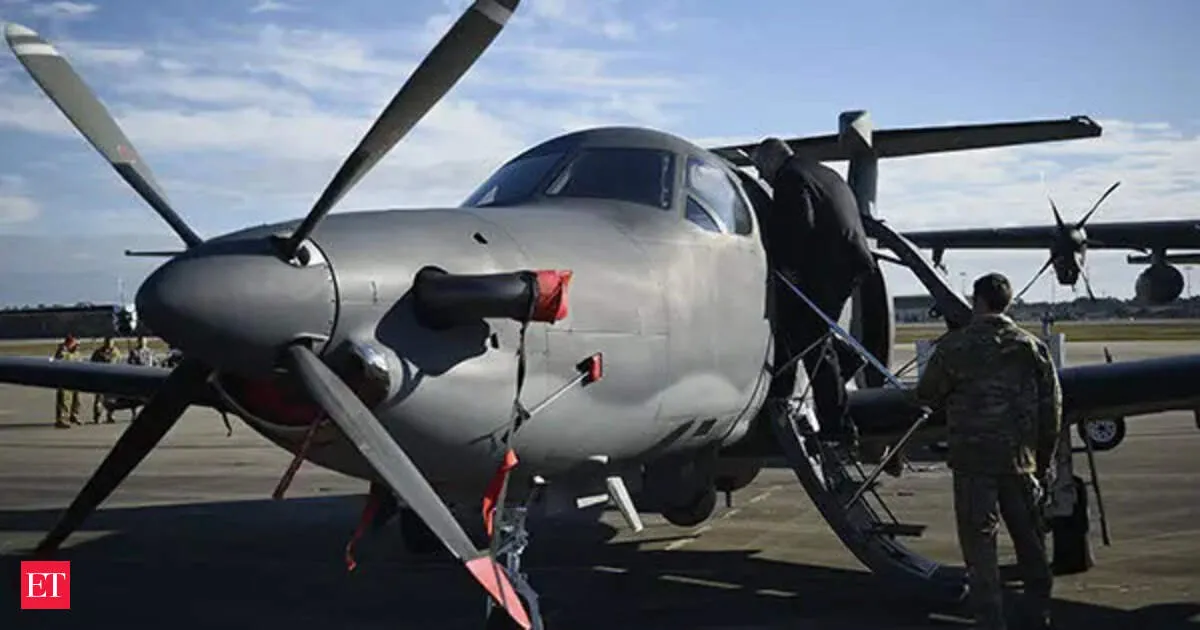
Austria intercepted two US Air Force reconnaissance aircraft after they entered its neutral airspace without permission. Eurofighter Typhoons were launched on consecutive days to identify the planes, which were later confirmed as PC-12s. Austria’s neutrality rules require advance diplomatic approval for foreign military overflights, and both incidents are now being handled through diplomatic channels.
Swipe through stories, personalise your feed, and save articles for later — all on the app.