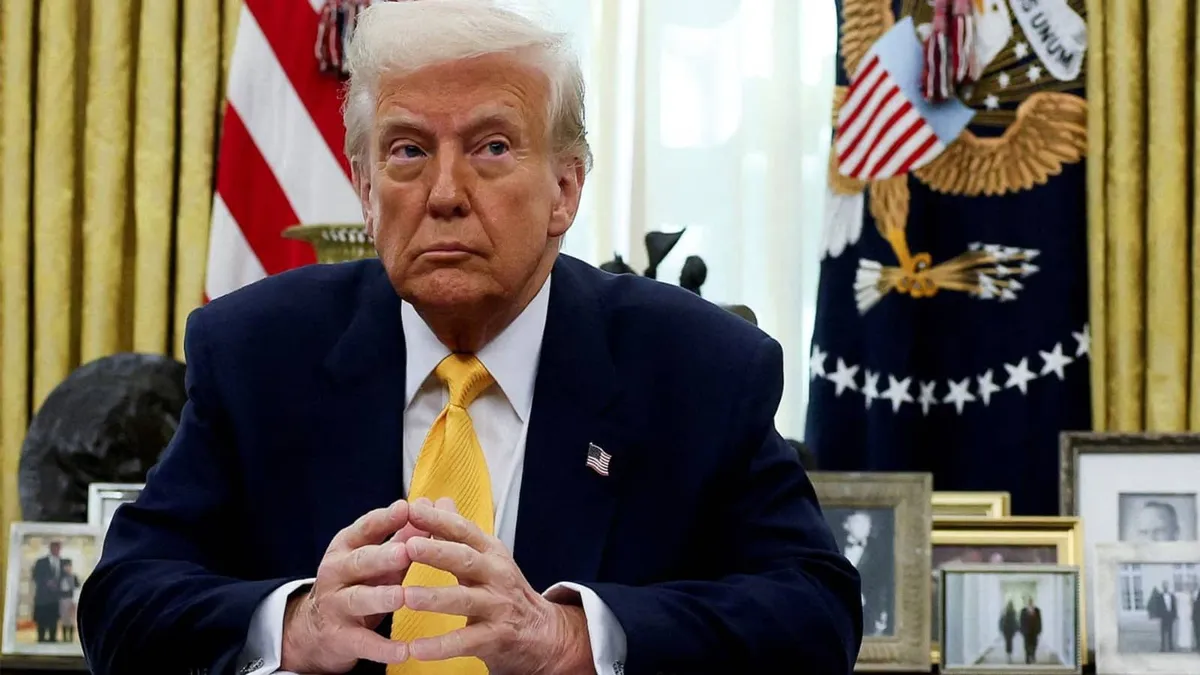
The Israel-UAE relationship, usually handled quietly, was pulled into public view after the US ambassador revealed Israeli Iron Dome personnel and weapons were sent to help protect the UAE from Iranian attacks. Days later, Benjamin Netanyahu said he had secretly visited Abu Dhabi during the war—prompting a fast UAE denial. With tensions rising from the Iran and Gaza conflicts, Gulf states reportedly prefer downplaying Israel ties, even after formal normalization under the Abraham Accords.
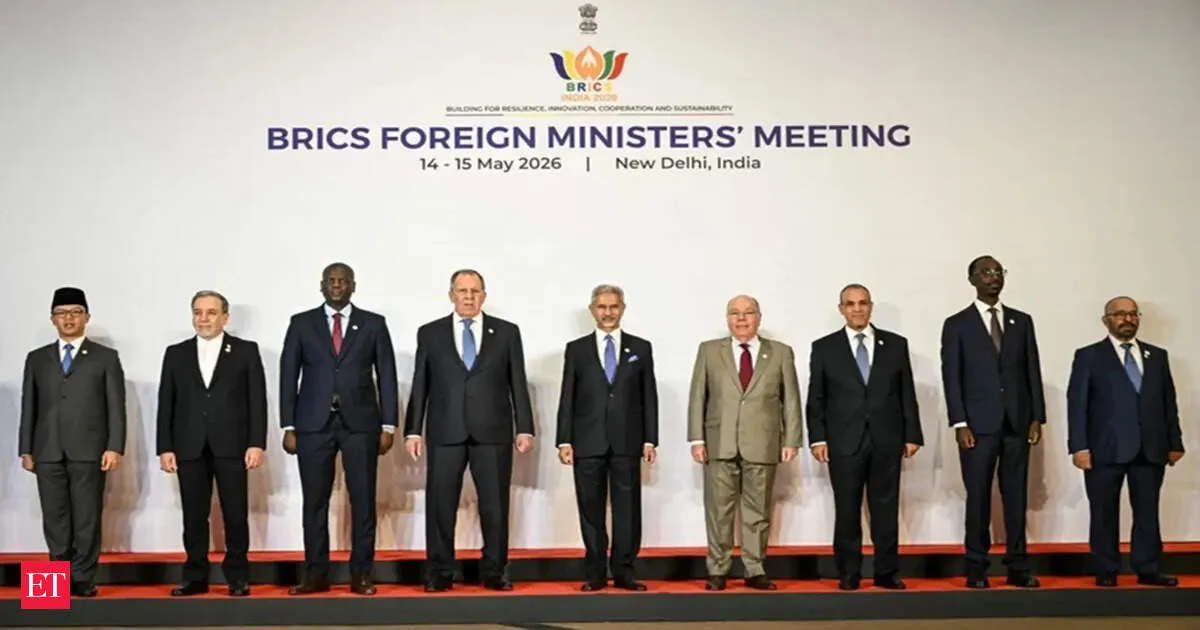
BRICS diplomats met in Delhi but failed to agree on a joint statement after two days of talks, forcing India to issue only a chair’s statement that laid bare deep divisions. The dispute centered on the Middle East conflict involving Iran, with Tehran accusing the UAE of direct involvement and blaming U.S. ally actions on Iranian soil. Iran said a BRICS member blocked parts of the final language. Despite gaps, BRICS reiterated calls for diplomacy, international law, and unity among the Global South.
Your news, in seconds
Get the Beige app — every story in 60 words, updated hourly. Free on iOS & Android.
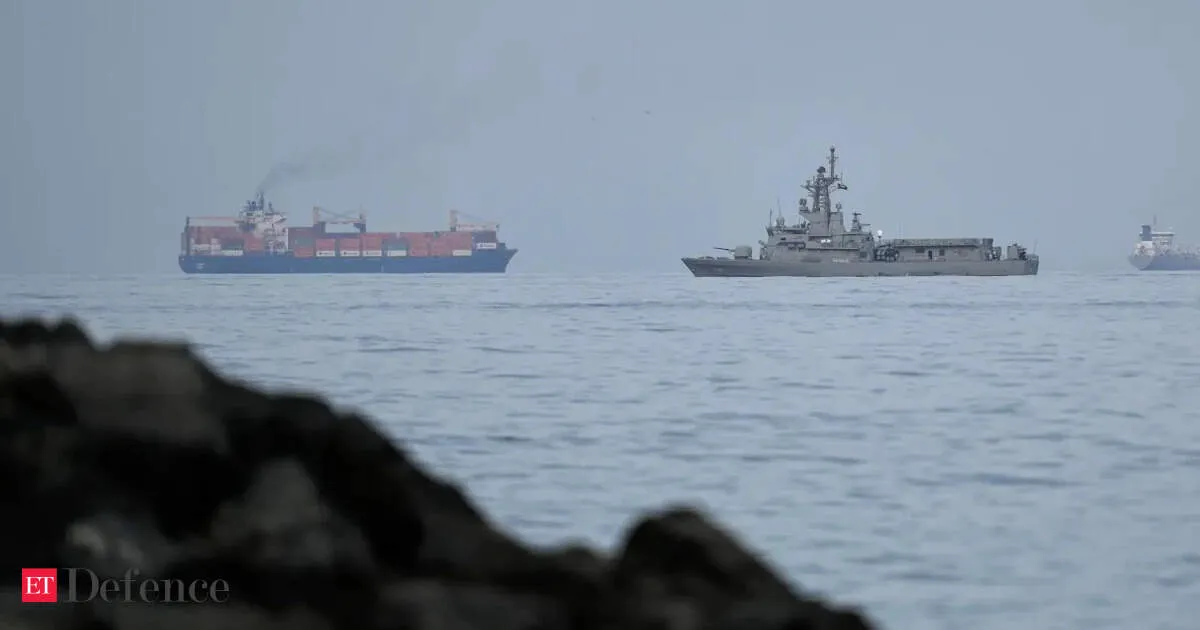
Iranian personnel reportedly seized a ship off the UAE, boarding it while anchored near Fujairah and steering it toward Iranian waters. The move comes as U.S. President Donald Trump and Chinese President Xi Jinping agreed to keep the Strait of Hormuz shipping lane open, with Xi opposing militarization and tolls. Separately, an Indian livestock cargo vessel was sunk off Oman. Iran says seizures follow law, while shipping data show traffic remains sharply reduced but rising, with new country-by-country deals.
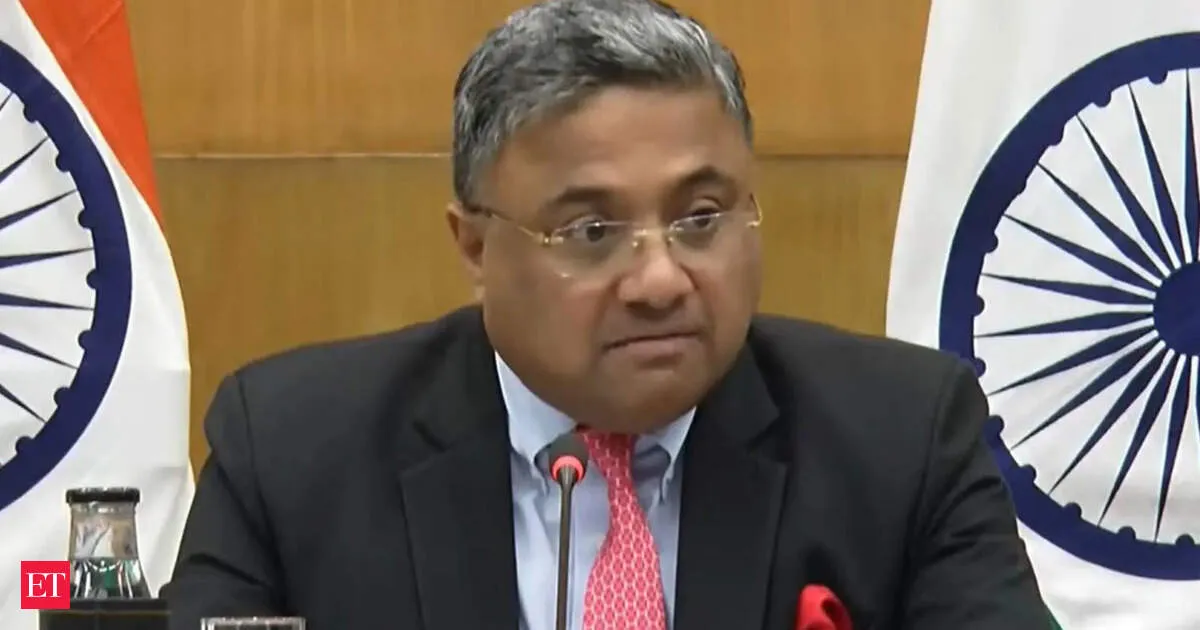
Prime Minister Narendra Modi will begin a five-nation tour from 15 to 20 May, starting in the UAE before moving to the Netherlands, Sweden, Norway, and Italy. MEA Secretary (West) Sibi George said the agenda is built around strengthening the Comprehensive Strategic Partnership with the UAE and expanding cooperation in energy, defence, and technology. The Netherlands leg highlights semiconductors and IMEC, while Norway and the Nordic summits focus on the Blue Economy, AI, resilient supply chains, and the green transition.
ADNOC has pledged $55 billion for new projects over the next two years, shortly after the UAE officially left OPEC. The announcement comes after decades of OPEC membership tied to Abu Dhabi’s role since 1967, highlighting how the UAE plans to reshape its energy strategy immediately following the cartel exit.
The UAE’s decision to quit OPEC and OPEC+ has thrust long-simmering tensions with Saudi Arabia into the open, signaling a shift away from Saudi-led oil governance. Analysts say Abu Dhabi is prioritizing autonomy as the Gulf’s power balance reshapes amid the Iran war, turning an OPEC exit into a broader geopolitical rupture.
Never miss a story
Set alerts for the topics and sources you care about. Download Beige for free.
US President Donald Trump on April 30 welcomed the UAE’s decision to leave the OPEC and OPEC+ alliance, saying the shift could help lower global oil and gas prices. Trump praised UAE leadership and framed the move as a smart strategy, while linking the development directly to potential price relief for markets worldwide.
Swipe through stories, personalise your feed, and save articles for later — all on the app.