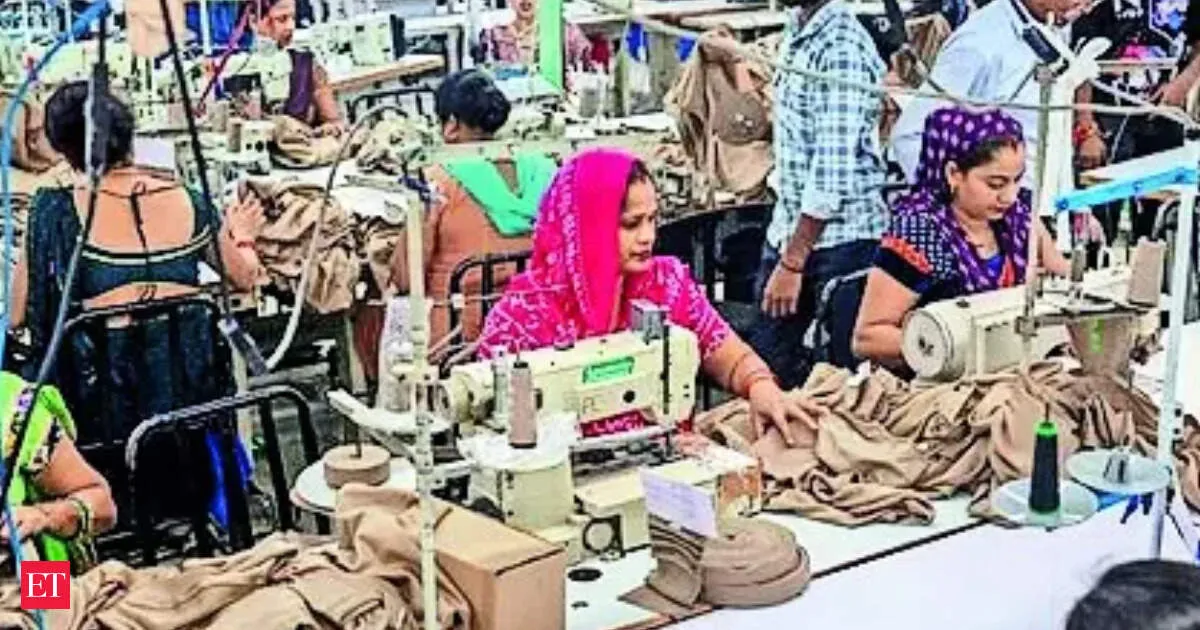
India’s unemployment rate stayed broadly stable at 5.2% in April 2026, according to the government’s Periodic Labour Force Survey monthly bulletin. The figure barely moved from 5.1% in March and matched April 2025 levels. Rural unemployment edged up to 4.6% from 4.3%, while urban unemployment slipped slightly to 6.6% from 6.8%. Labour force participation fell to 55.0%, with female LFPR declining too, and the worker population ratio eased modestly.
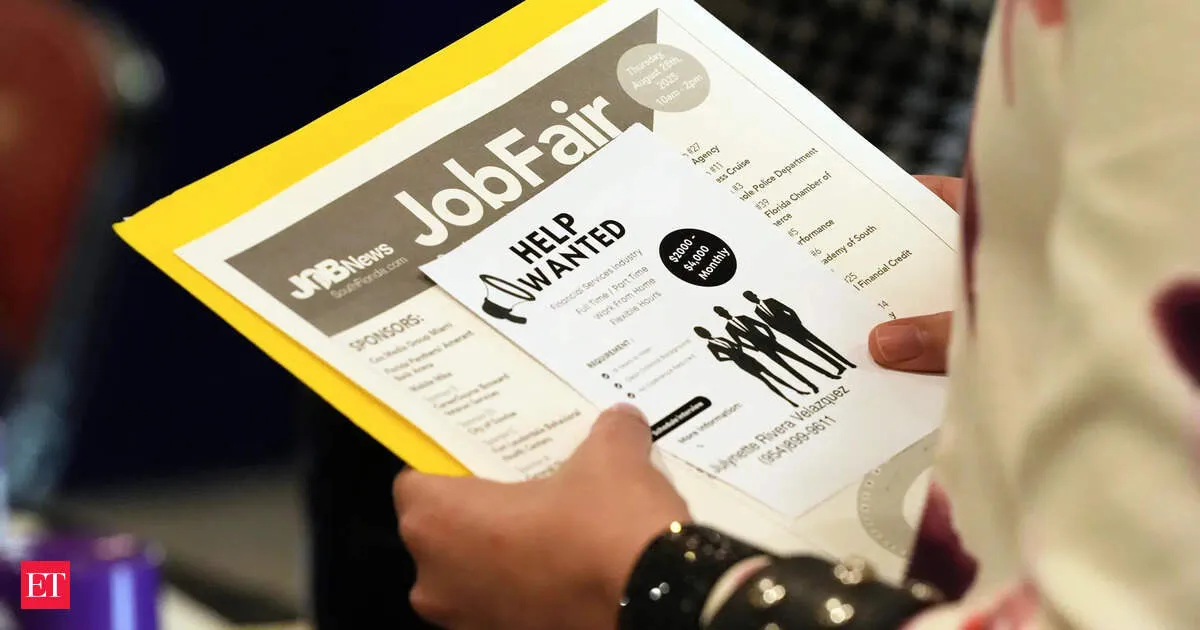
US initial jobless claims rose moderately to 211,000 last week, signaling no major shift. The labor market remains stable as the unemployment rate held at 4.3%. Inflation pressures are still building: producer prices recorded their biggest jump in four years, but nonfarm payrolls continued strong gains.
Your news, in seconds
Get the Beige app — every story in 60 words, updated hourly. Free on iOS & Android.
A 25-year software developer says he’s been shut out of jobs despite applying to 2,000 roles, and suspects Applicant Tracking Systems are the culprit. He claims his entrepreneurial history—using the title “founder”—is triggering automated filters that interpret it as “unemployed,” prolonging his job search and straining the people who rely on him.
India’s urban unemployment eased slightly to 6.6% in the Jan-March 2026 quarter, but rural unemployment climbed to 4.3%. Labour force participation edged down in both areas. Rural employment shifted too: regular wage work rose while self-employment fell, and agriculture’s share in rural jobs declined as secondary and tertiary sectors expanded.
US employers added 115,000 jobs in April, topping expectations even as the Iran war disrupted oil supplies and pushed gas prices higher. The unemployment rate held steady at a low 4.3%, signaling resilience for now. Still, economists caution the conflict’s economic effects could take longer to show up in hiring and the broader labor market.
A 26-year-old unemployed Indian man, Iraganaboyina Chanda, allegedly died by suicide in the United States after struggling to secure employment following his post-graduation. Reports say he was under severe financial stress, with a debt-ridden father adding to the pressure. The incident has sparked concern over mental health support for overseas job seekers.
Never miss a story
Set alerts for the topics and sources you care about. Download Beige for free.
India’s demographic dividend is facing fresh strain as job creation lags behind a young population. With over 65% under 35, unemployment is rising—youth make up 83% of the jobless. Even as the economy recovers, skills gaps and low employability are pushing many into gig work that often lacks long-term stability and growth, locking in short-term financial stress.
US jobless claims dropped sharply to under 200,000, even as economic headwinds intensify. Elevated oil prices tied to the war in Iran and a notable monthly jump in consumer prices are raising costs. The Federal Reserve kept its benchmark interest rate unchanged amid uncertainty. Employers still added jobs in March, but labor market stress is showing.
A 21-year-old Khaled Sharif, once a topper at Kingston University, has shared his struggle to land work in the UK after spending over ₹1 crore on a degree. He applied to nearly 500 jobs but got fewer than 20 interview calls, prompting him to widen his search beyond his field. He blames an oversupplied graduate market, reduced hiring, and possible misconceptions about work eligibility.
Even as West Asia tensions rise, Indian workers are still lining up at Gulf visa centres in Delhi. With pay gaps widening and limited job options at home, applicants say financial pressure and family responsibilities outweigh safety worries. Many believe the conflict will eventually ease, and some point to targets they think won’t hit labour camps, keeping plans moving.
Reading on mobile?
Open Beige in the app for a smoother experience — free on iOS and Android.
Swipe through stories, personalise your feed, and save articles for later — all on the app.