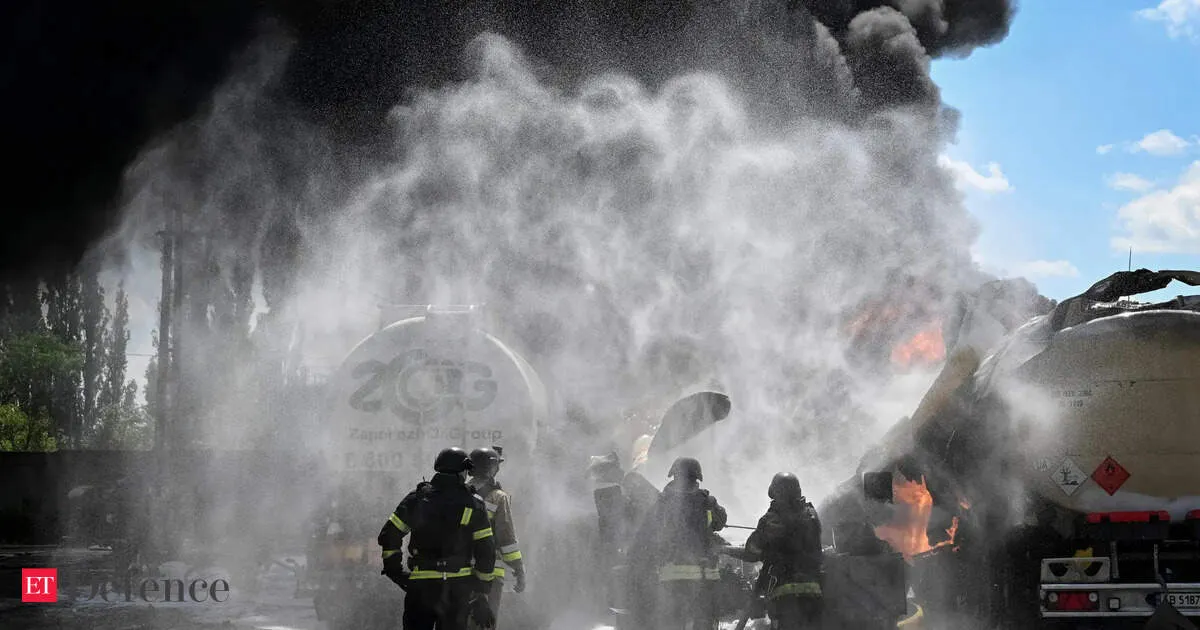
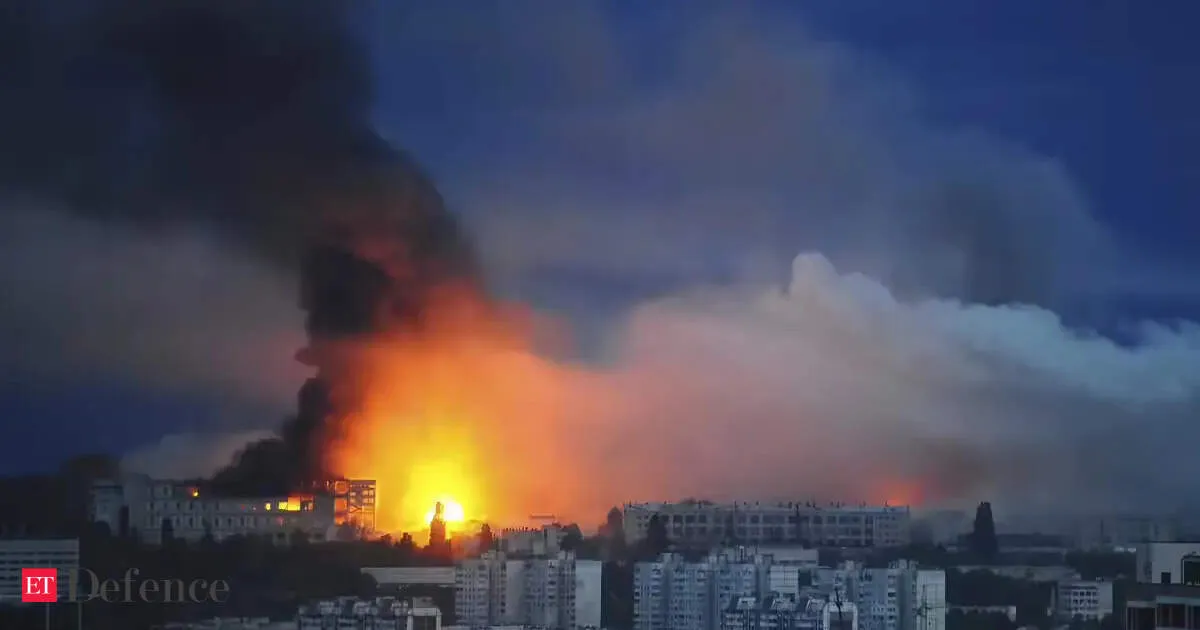
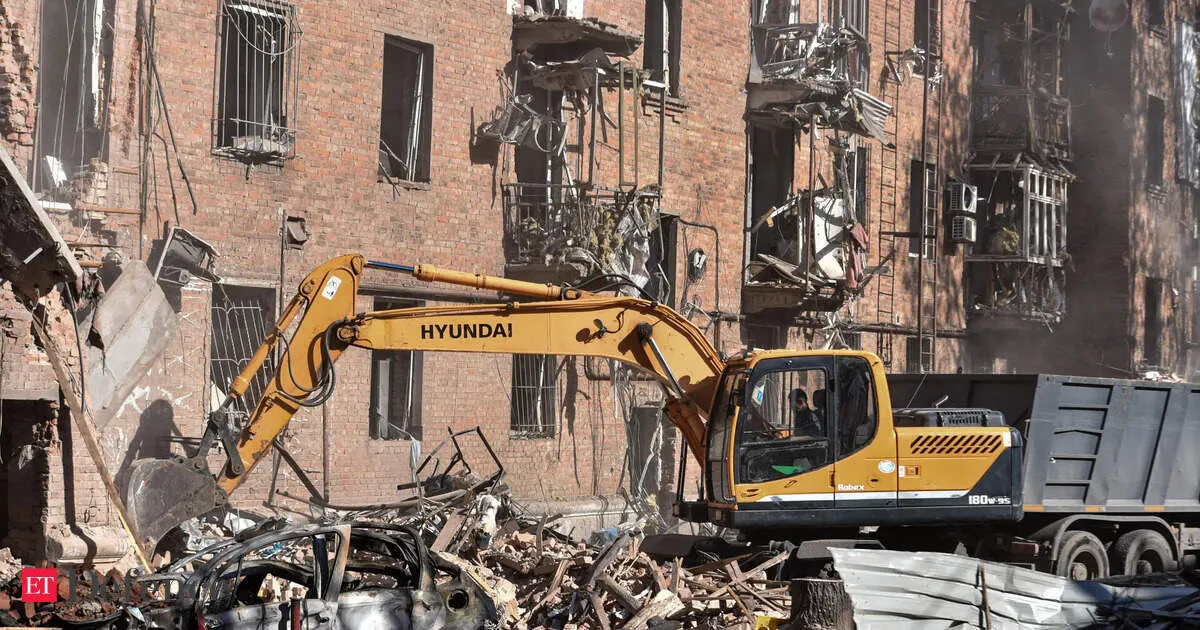
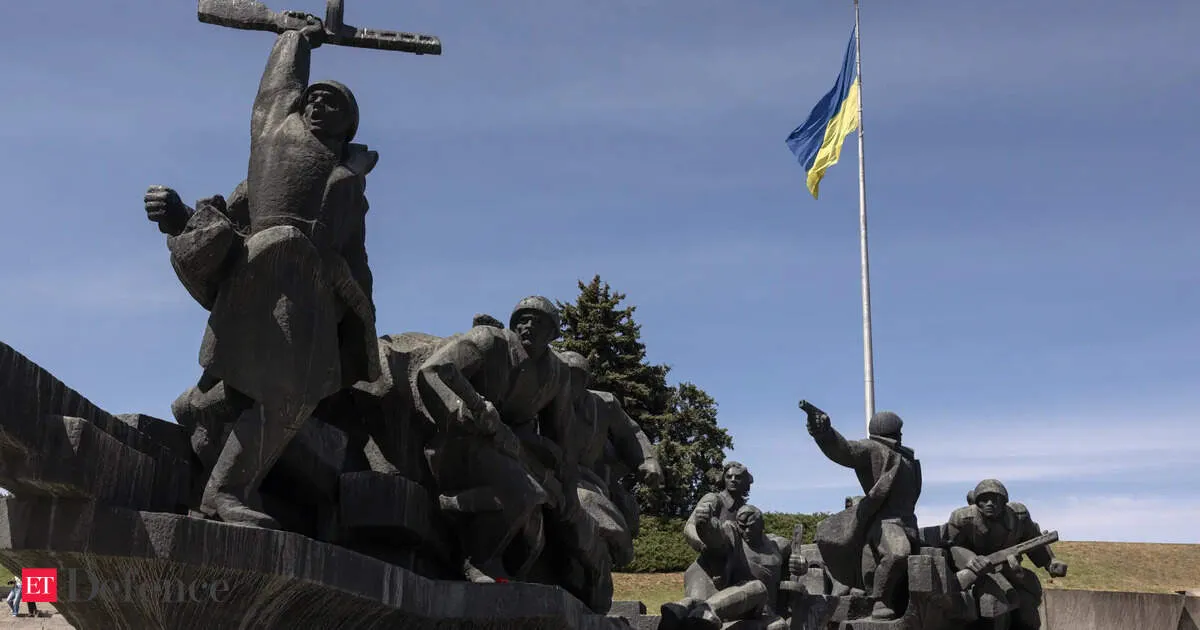
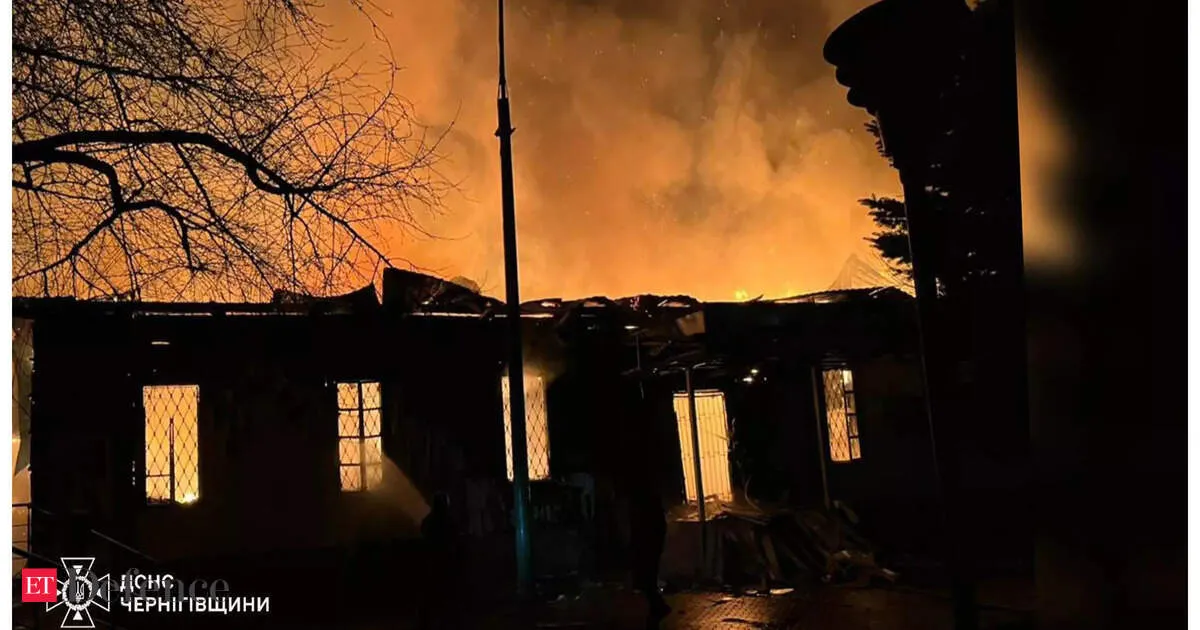
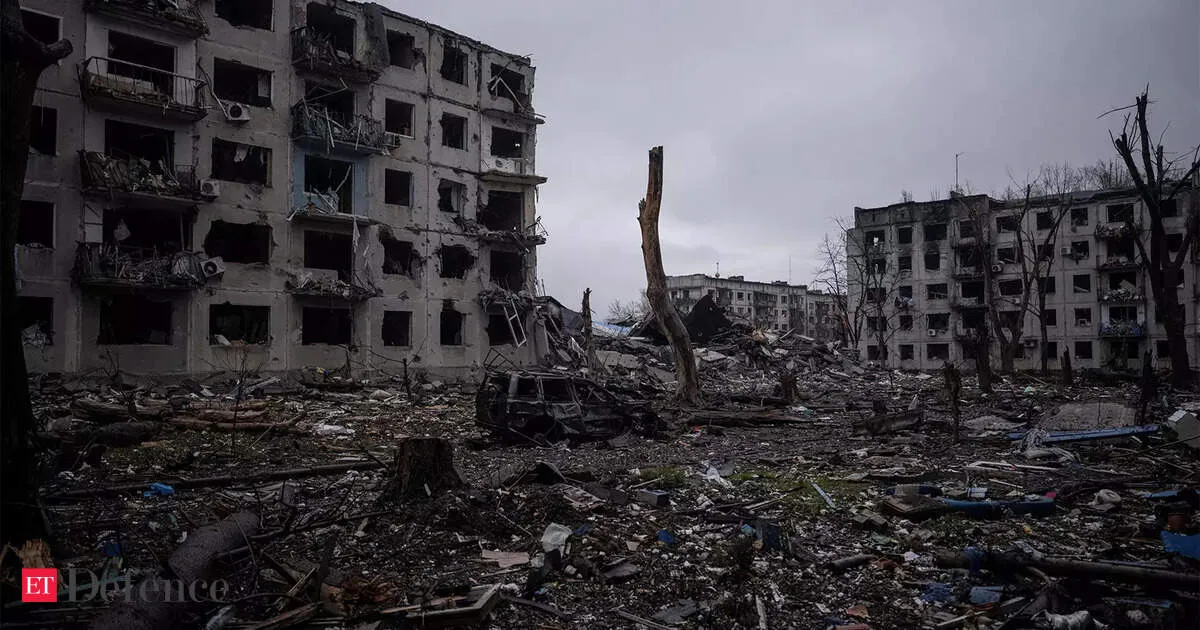
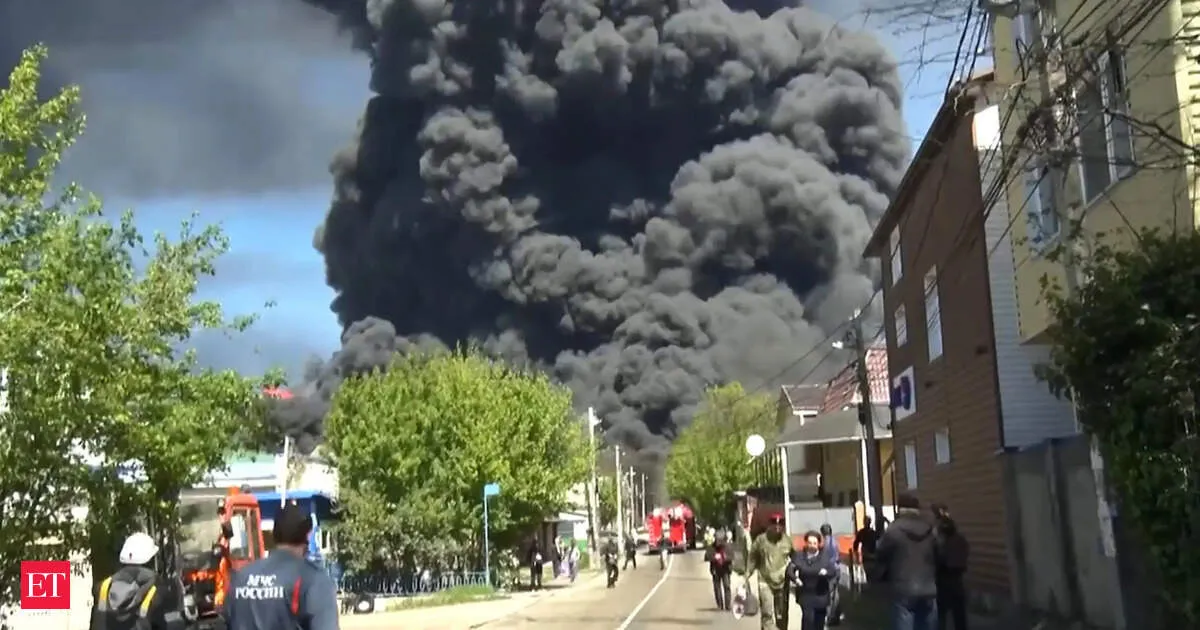
A major Russian barrage over Kyiv highlighted a grim split in Ukraine’s air defenses: drones are largely stopped, but ballistic missiles are the stubborn problem. In a seven-hour attack, Russia launched 675 drones and 56 missiles; Ukraine’s network jammed and shot down all but 22 drones, but 15 missiles still penetrated. Officials say the gap is driven by a shortage of Western anti-missile systems and scarce, extremely expensive interceptor ammunition, worsened by US spending in the Middle East.
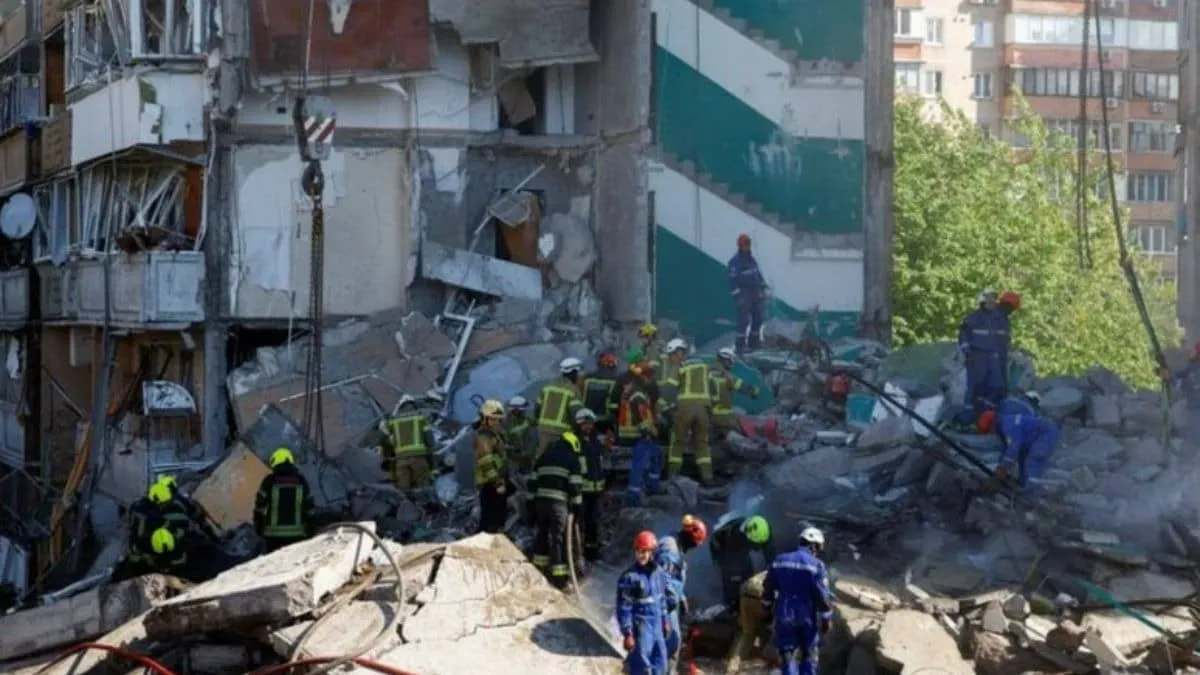
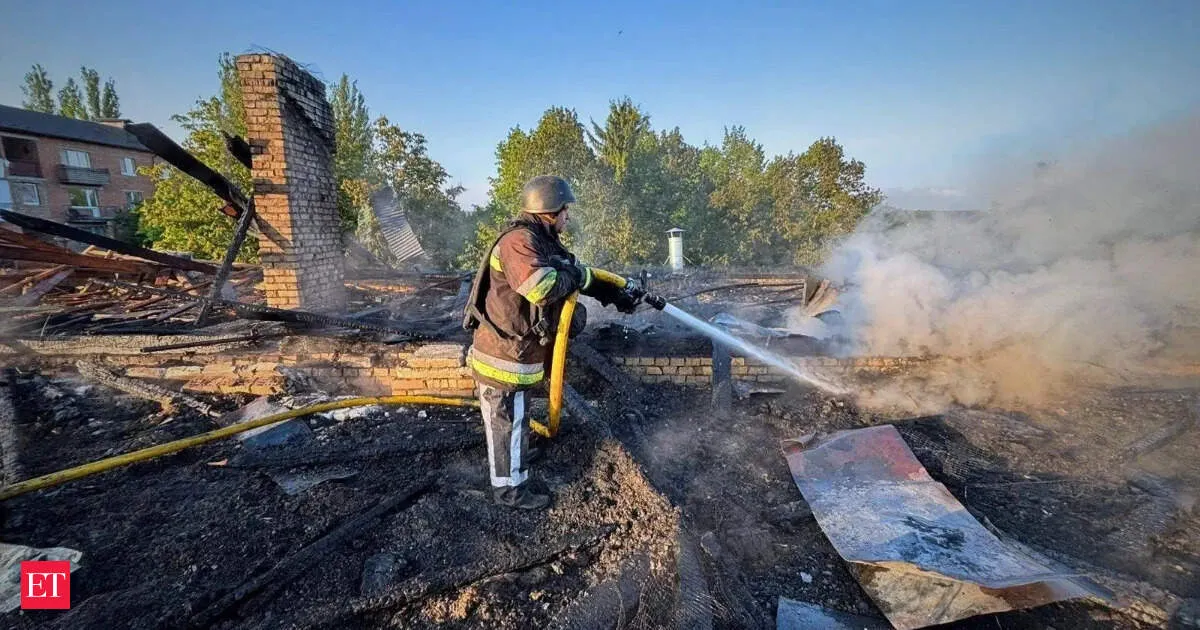
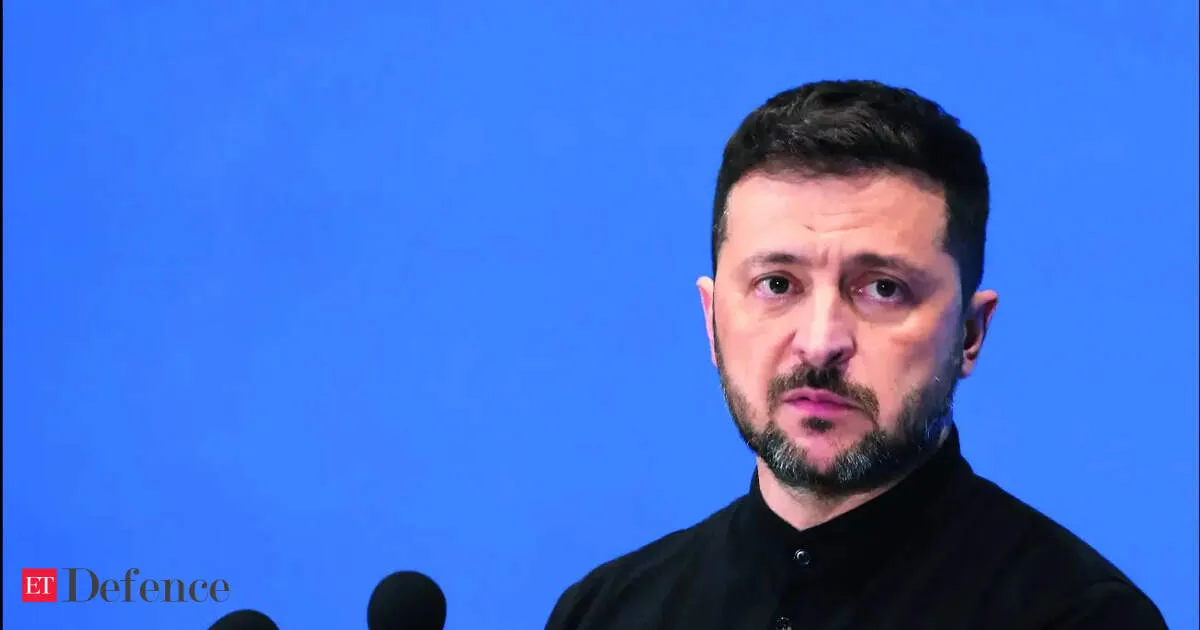
Russia mounted its largest aerial assault in a two-day stretch, firing hundreds of drones and missiles that struck Kyiv and other Ukrainian cities. The attacks damaged residential and other infrastructure, killing at least 11 people. Ukrainian President Volodymyr Zelenskiy called on Western partners to keep backing air-defense systems as the strikes continue.
Your news, in seconds
Get the Beige app — every story in 60 words, updated hourly. Free on iOS & Android.
Russia launched what Ukrainian officials call its largest drone assault over two days since the war began, targeting Kyiv as the main focus alongside other cities. President Volodymyr Zelenskiy said damage spread across roughly 20 locations in Kyiv and the surrounding region. Officials reported at least three deaths in Kyiv and around 40 injuries, including two children.
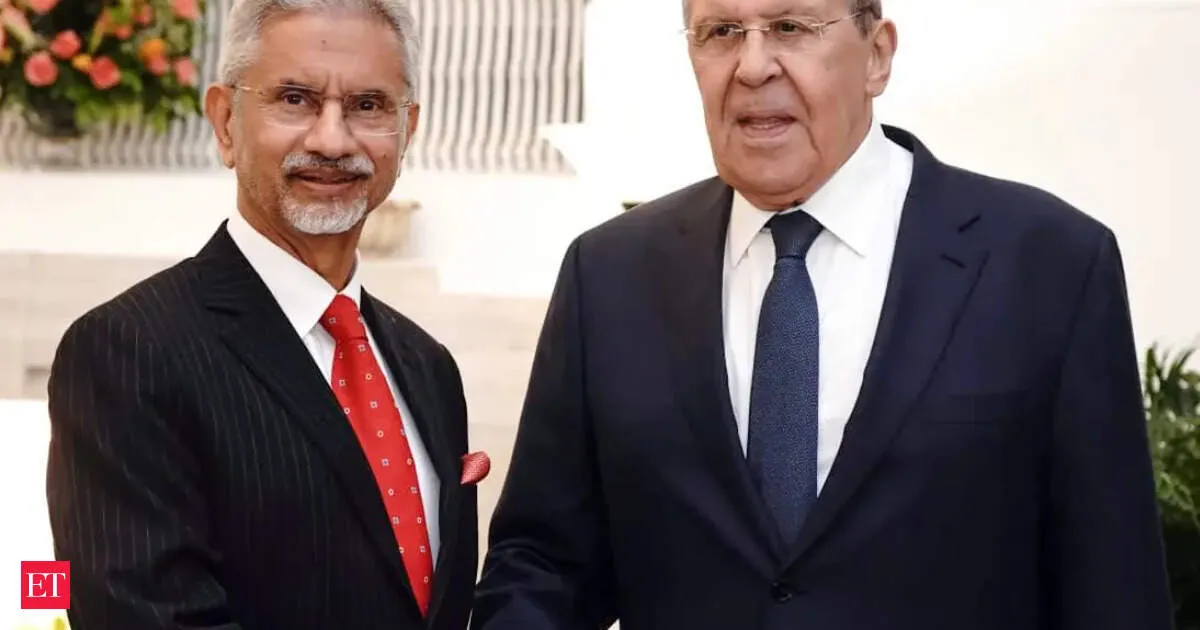
External Affairs Minister S Jaishankar met Russian Foreign Minister Sergey Lavrov in Delhi, focusing on energy and trade ties. The discussion also ranged over the West Asia crisis and the ongoing Ukraine conflict, with both sides emphasizing shared interests in strengthening multipolarity. BRICS foreign ministers have gathered for a wider conclave as diplomacy and strategy take center stage.
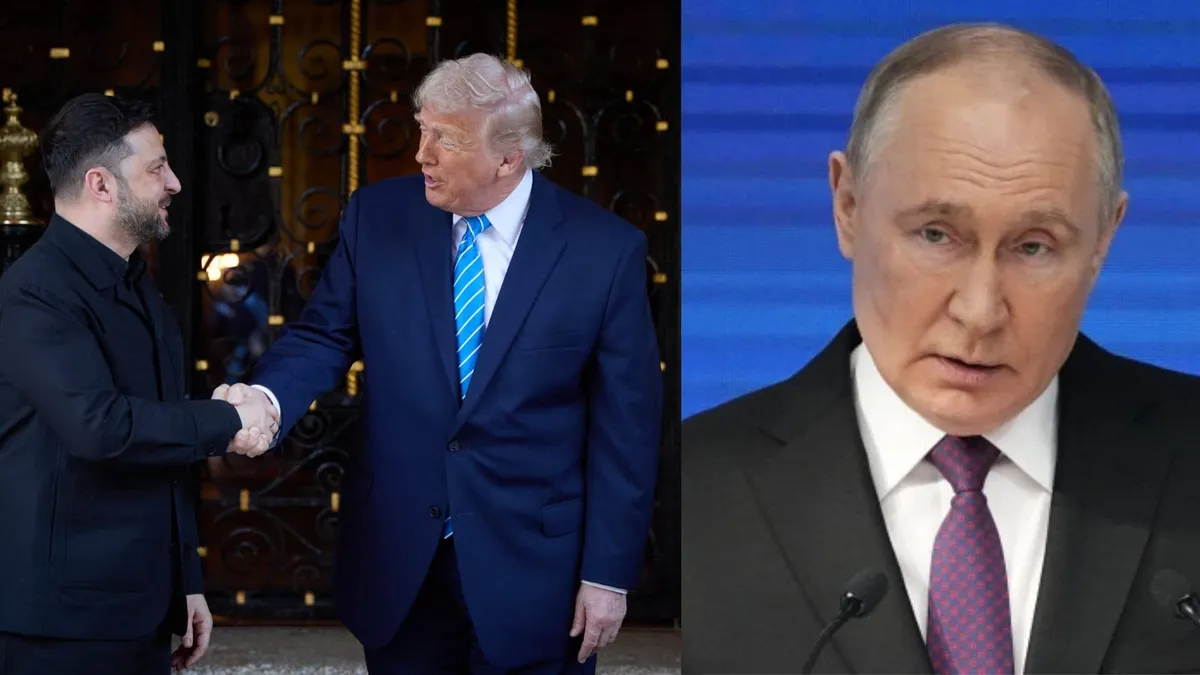
Russia is intensifying drone strikes across Ukraine, hitting infrastructure and civilian areas, while President Volodymyr Zelenskyy urges the international community to step up support. The pressure comes as Trump signals possible peace talks, even as Kyiv appears more emboldened amid the mounting damage and urgency on the ground.
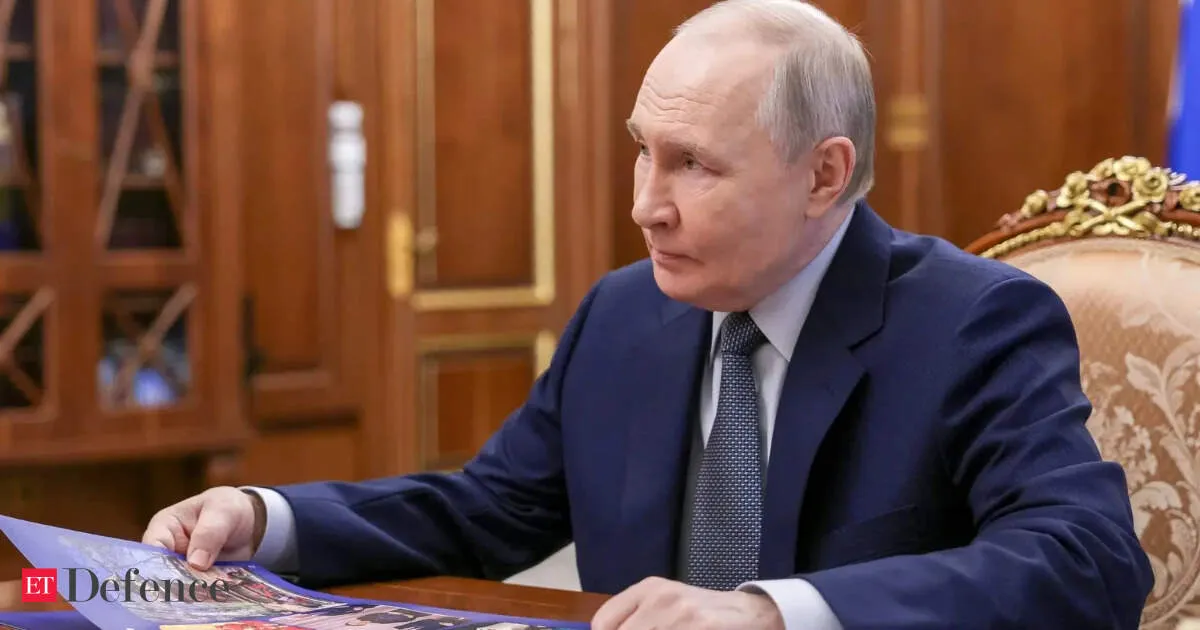
Russia has reiterated that any ceasefire or comprehensive peace talks depend on Ukraine withdrawing its forces from the Donbas region. The push follows President Putin’s claim that the war is nearing its end. Ukraine’s President Zelensky has dismissed the demand as surrender, rejecting Moscow’s conditions for negotiations to begin.
Never miss a story
Set alerts for the topics and sources you care about. Download Beige for free.
Russia resumed strikes on Ukraine after a three-day truce expired on Tuesday, Ukrainian authorities said. The attacks included drone strikes on the capital and casualties in eastern Ukraine, with one death reported in Dnipropetrovsk and additional injuries in the region. The renewed violence follows the end of the temporary pause in fighting.
A US brokered ceasefire between Russia and Ukraine has expired, with both sides trading accusations of violations. Ukrainian officials say Russian strikes hit civilian areas, while Russia claims more than a thousand breaches. US and European officials are weighing further talks, but diplomacy has produced little progress. Prisoner exchanges are being prepared, yet key negotiating positions appear unchanged.
A US-brokered ceasefire between Russia and Ukraine is under heavy strain after both sides reported weekend attacks. Ukraine described drone strikes and clashes, while Russia’s Defence Ministry said it shot down many Ukrainian drones. Despite ongoing diplomatic efforts, key sticking points remain unresolved. US envoys are set to visit Moscow soon, aiming to revive talks even as fighting claims continue.
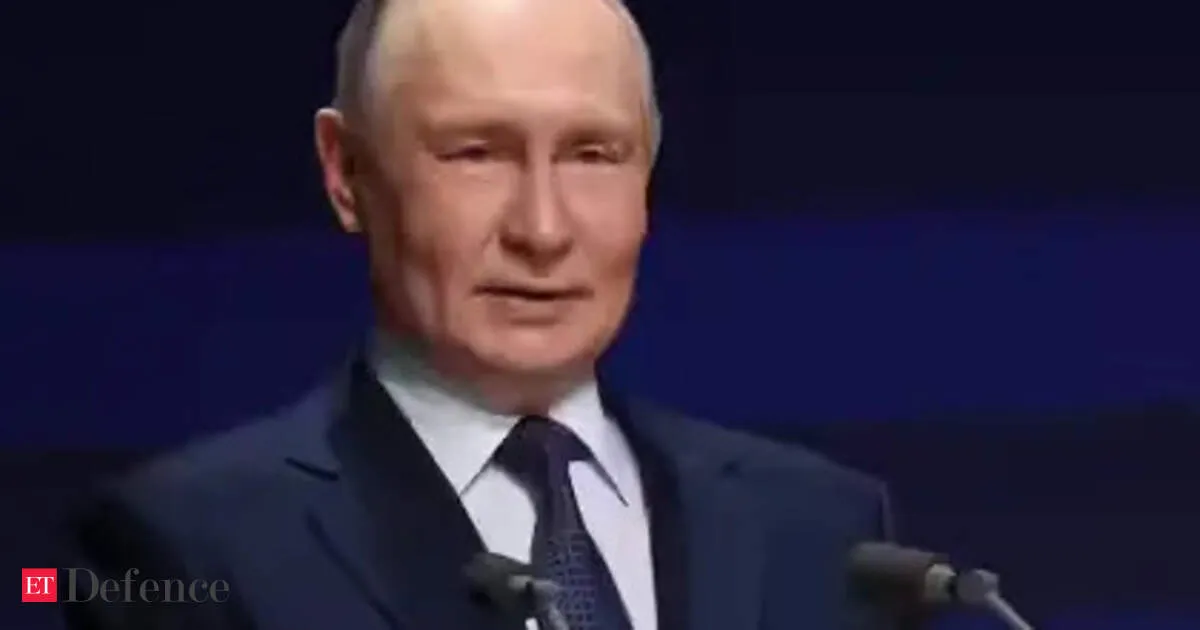
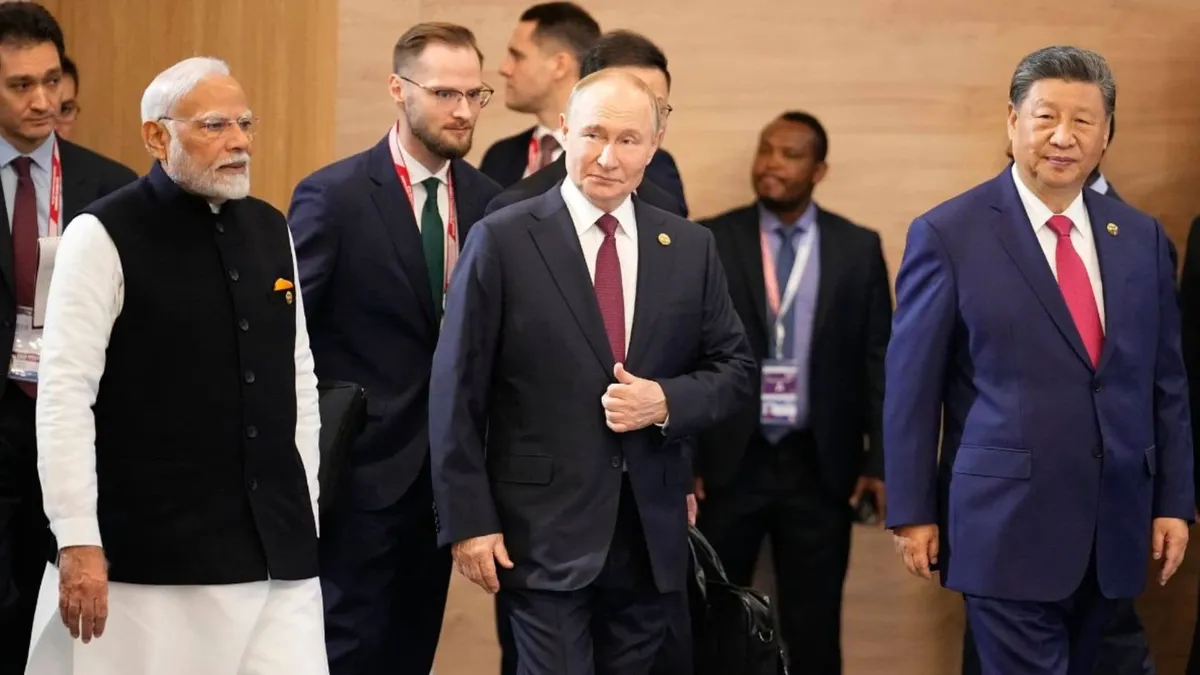
Russian President Vladimir Putin said he briefed India, China, and the United States on risks in Kyiv before Moscow agreed to a three-day ceasefire with Ukraine during Victory Day commemorations. He described the pause as driven by humanitarian and historical considerations, and said it includes a prisoner exchange—framing the truce as coordinated groundwork rather than a sudden move.
Reading on mobile?
Open Beige in the app for a smoother experience — free on iOS and Android.
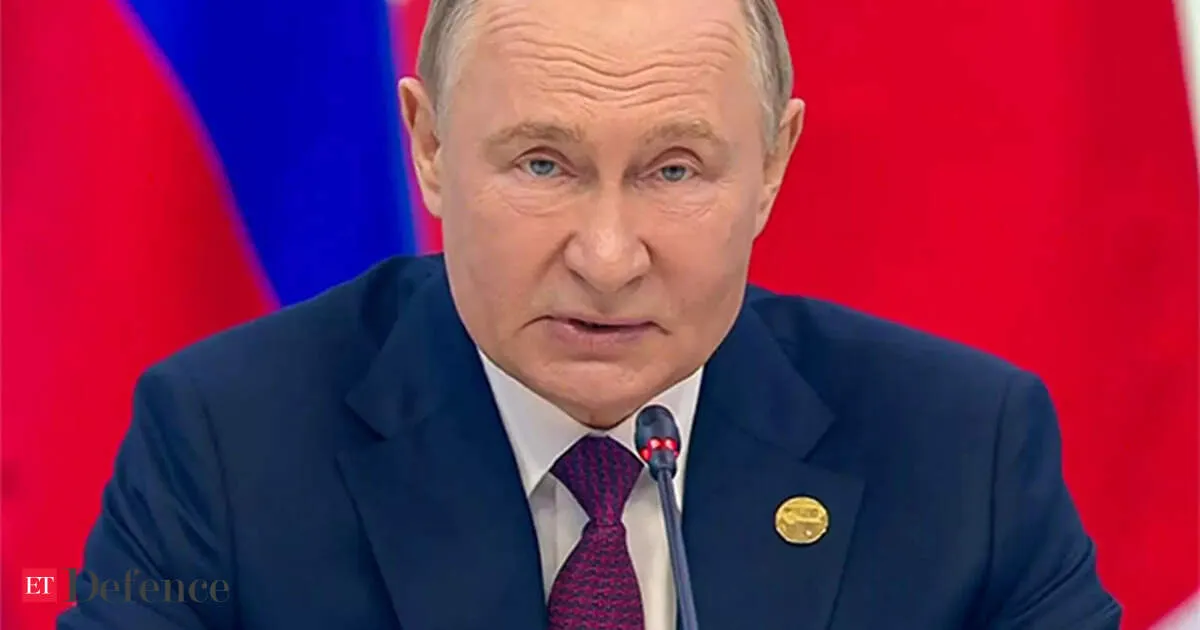
On Victory Day, Vladimir Putin told media the Ukraine conflict is “coming to an end,” while blaming the “globalist wing” of Western elites for provoking the war. He pointed to NATO expansion and referenced the failure of a 2022 Istanbul agreement, amid fresh claims after Trump announced a three-day ceasefire Russia and Ukraine reportedly agreed to.
Russian President Vladimir Putin said the Ukraine conflict is nearing its end and indicated he is open to talks. He suggested former German Chancellor Gerhard Schroeder as his preferred negotiator, while European Union leaders are reportedly preparing for potential discussions. Moscow has previously urged European governments to initiate contact after cutting ties in 2022.
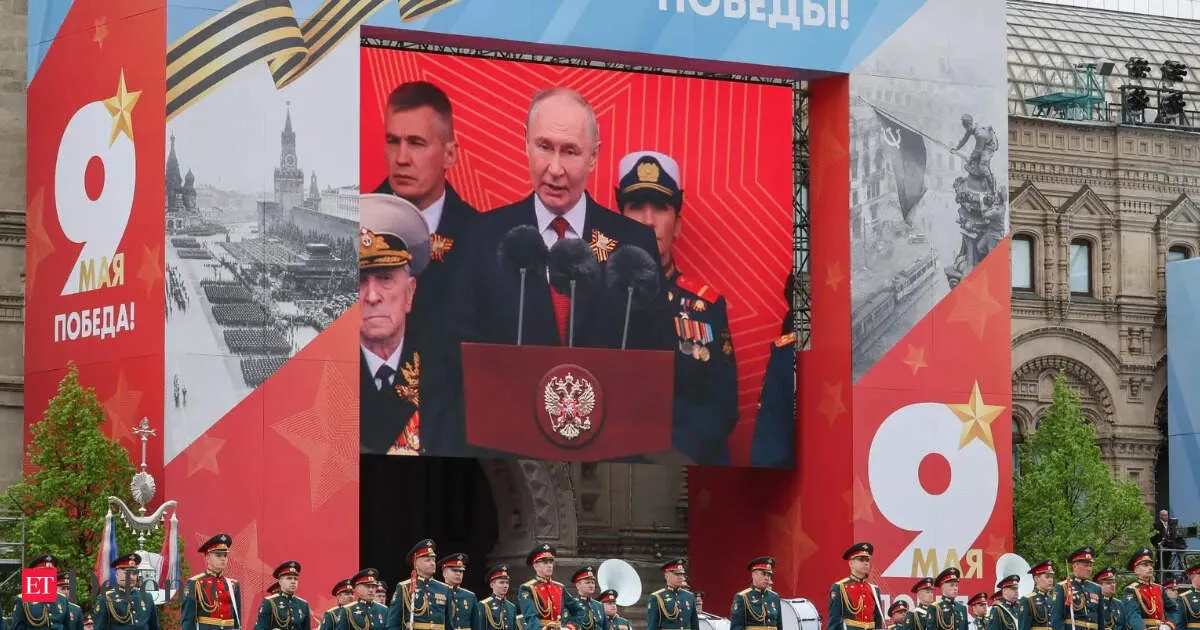
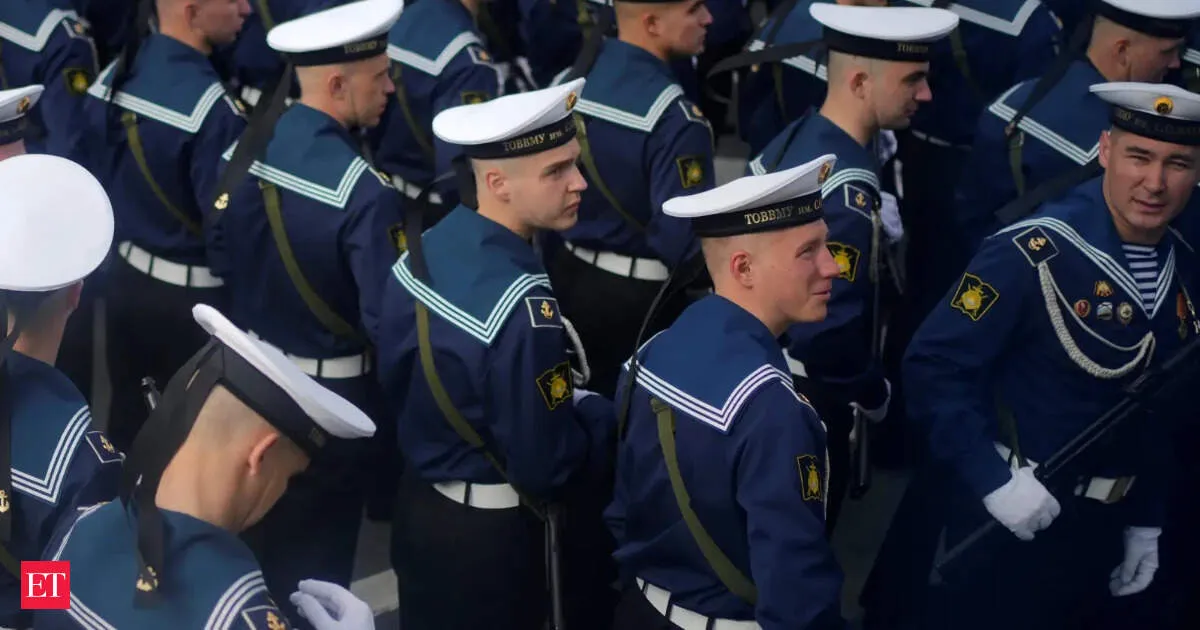
In a scaled-back Victory Day parade on Moscow’s Red Square, Vladimir Putin told Russians his soldiers in Ukraine face an “aggressive force” backed by NATO and said his war aims are “just.” Speaking alongside Russian units and troops from North Korea, he invoked the Soviet victory to bolster support for the campaign despite the reduced ceremony.
Russia held a scaled-back Victory Day parade, citing threats from Ukraine that reduced military displays marking the Soviet defeat of Nazi Germany. As worries deepen around the war, US President Donald Trump announced a ceasefire proposal backed by both Russia and Ukraine, aiming to de-escalate tensions. The conflict, however, continues to cast a shadow over Russia’s observance.
Follow your favourite sources
Track sources, tags and categories — all in the Beige app.
Russia says it destroyed 347 Ukrainian drones in an overnight strike spanning more than 20 regions, including Moscow, according to its Defense Ministry. Officials call it Ukraine’s second-biggest aerial attack since the all-out invasion began over four years ago. The highest toll came last March, when Ukraine launched 389 drones.
Ukraine has significantly increased medium range drone strikes aimed at Russian logistics, troop concentrations, and air defenses located dozens of kilometers behind the front lines. The tempo has more than doubled since March, reflecting a push to disrupt supply chains and erode Russia’s ability to sustain operations while Kyiv expands its domestic defense capabilities.
Russia says it will hold a unilateral ceasefire with Ukraine from May 8-9, timed with Moscow’s World War II Victory Day. The announcement, attributed to Putin, comes with a stark warning: if Ukraine breaks the truce, Russia will conduct a “massive missile strike” on Kyiv. Observers will watch whether the window holds amid rising tensions.
Ukrainian drones reportedly hit Russia’s Primorsk port, a key oil-export outlet in the northwest region. Regional governor Alexander Drozdenko said over 60 drones were shot down overnight. He added that the resulting fire was extinguished quickly and that there was no oil spill, despite the attack targeting vital port infrastructure.
Stay informed on the go
Bite-sized news from 100+ trusted sources, right in your pocket.
Forty years after Chernobyl, women recruited from the Rivne Nuclear Power Plant to cook for cleanup crews still carry the fallout. They reported radiation exposure, health problems, and troubling handling of worker food—often wasted, sometimes contaminated, and occasionally smuggled out. Decades later, these cooks are still battling for promised pensions, highlighting the disaster’s long afterlife.
Ukrainian drones have targeted Russian oil facilities far inside Russia, aiming to disrupt supplies and reduce funds for the war. Officials say the strikes bring the conflict closer to civilians, while analysts are split on how much they will hurt Russia economically. Concerns are growing over environmental fallout, including reports of oil spills and toxic rain.
Swipe through stories, personalise your feed, and save articles for later — all on the app.