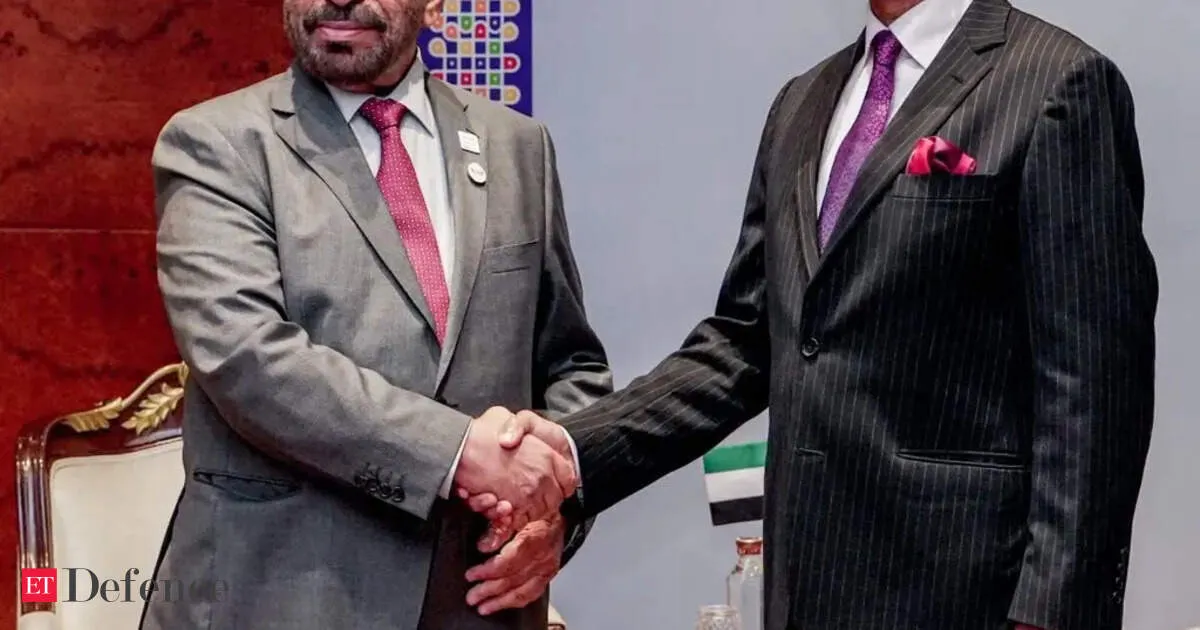
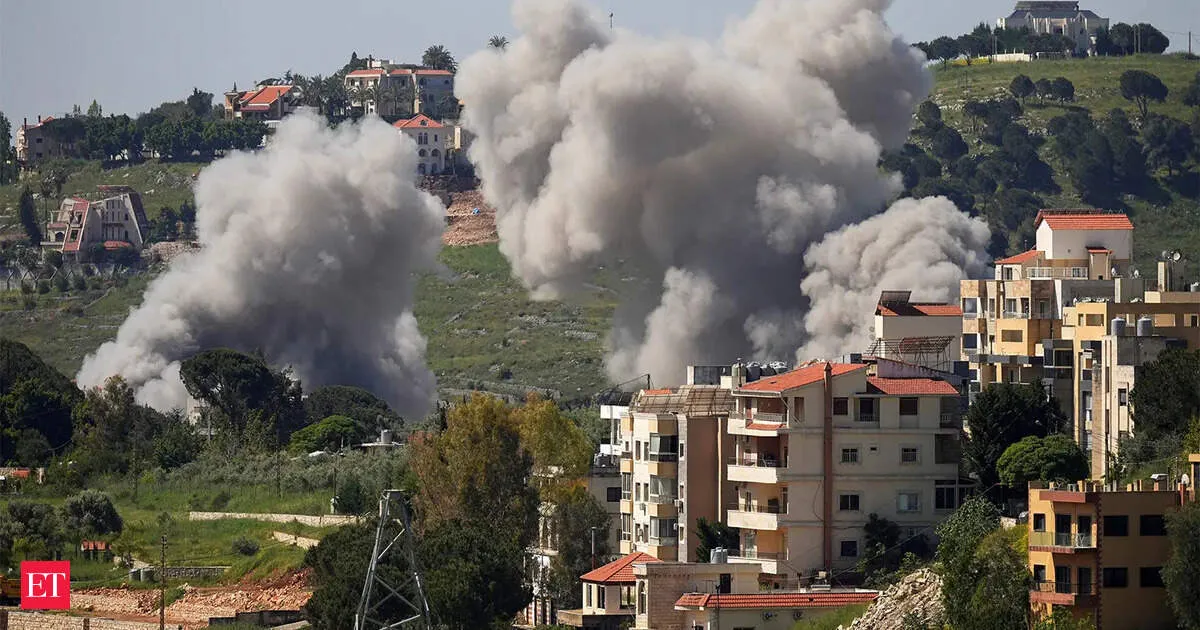
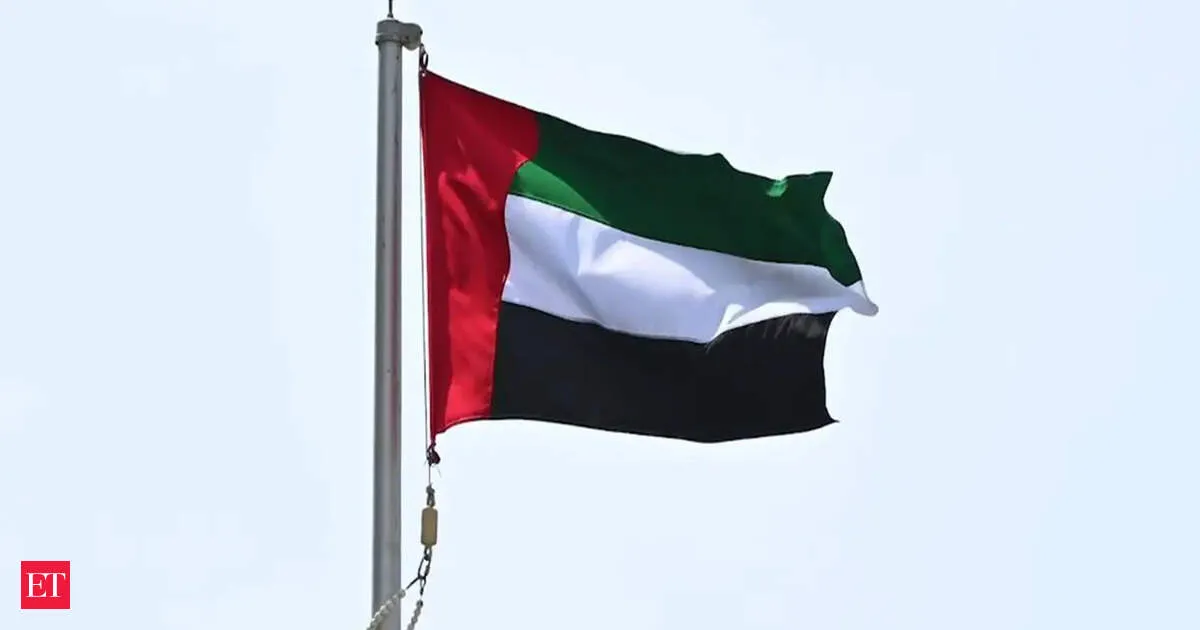
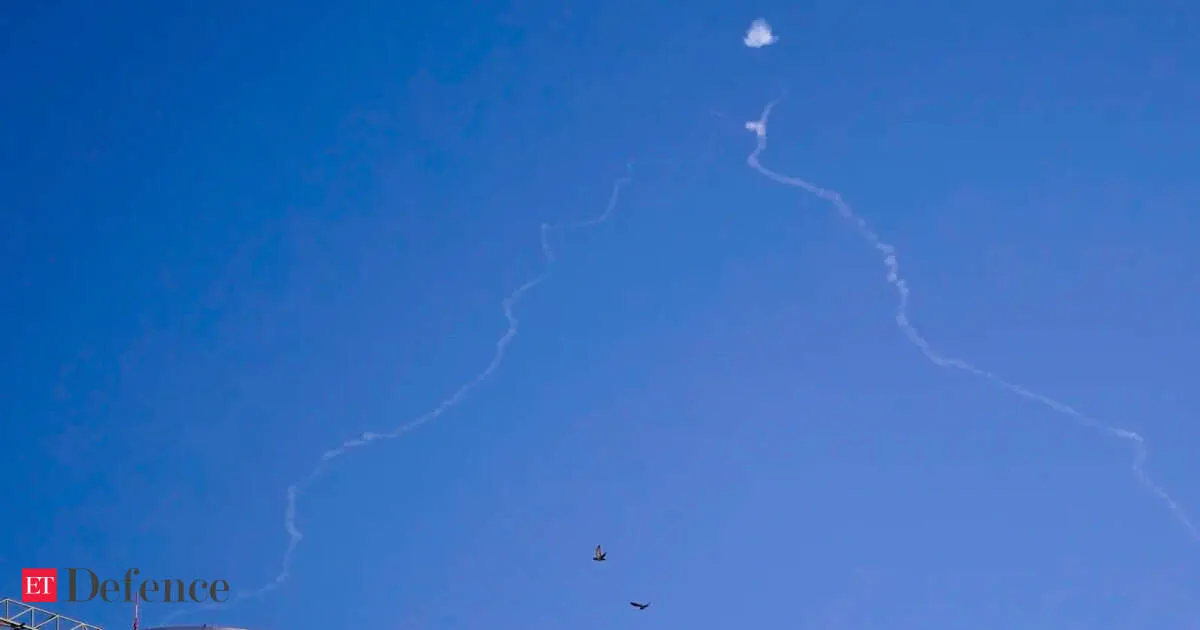
At the BRICS Foreign Ministers’ Meeting in New Delhi, the UAE rejected Iran’s accusations that Abu Dhabi was directly involved in aggression against Tehran during the West Asia conflict. UAE Minister of State Khalifa Shaheen Al Marar said the claims will not affect its “principled positions” or sovereign decision-making, while the UAE accused Iran of repeated strikes on Emirati infrastructure. Abu Dhabi also cited near 3,000 intercepted ballistic missiles, cruise missiles and drones, and warned against actions that it says obstruct maritime routes and target civilian facilities.
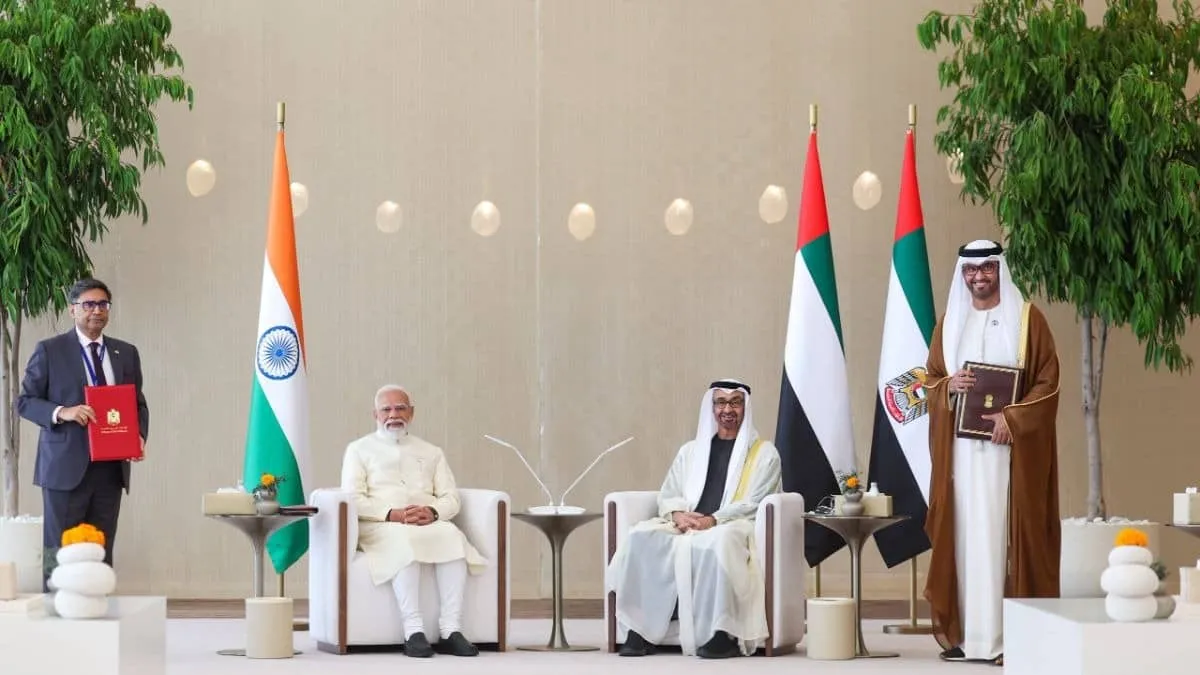
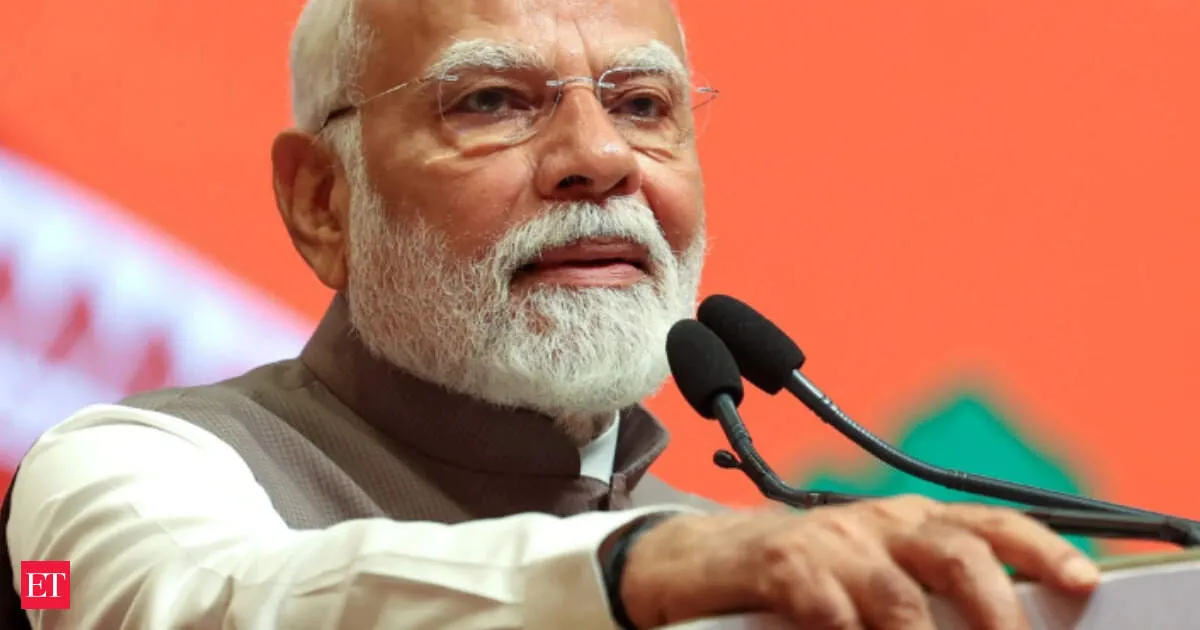
After Prime Minister Narendra Modi’s visit, India and the UAE struck a slate of deals announced by Foreign Secretary Vikram Misri in Abu Dhabi. The biggest energy move: the UAE will store up to 30 million barrels of crude oil in India’s Strategic Petroleum Reserve to bolster energy security. Alongside, UAE-linked investments worth $5 billion were committed, spanning banking and infrastructure funding. The agreements also cover strategic gas reserves, defense manufacturing cooperation, shipyard projects, and an 8-exaflop supercomputing facility for India’s AI push.
Your news, in seconds
Get the Beige app — every story in 60 words, updated hourly. Free on iOS & Android.
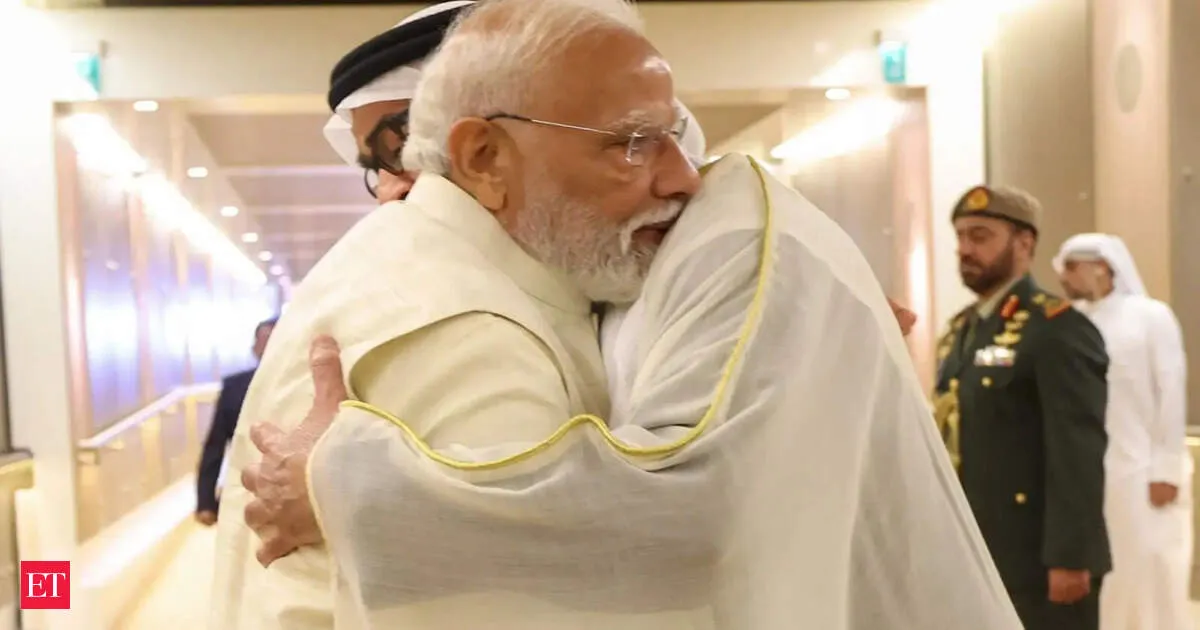
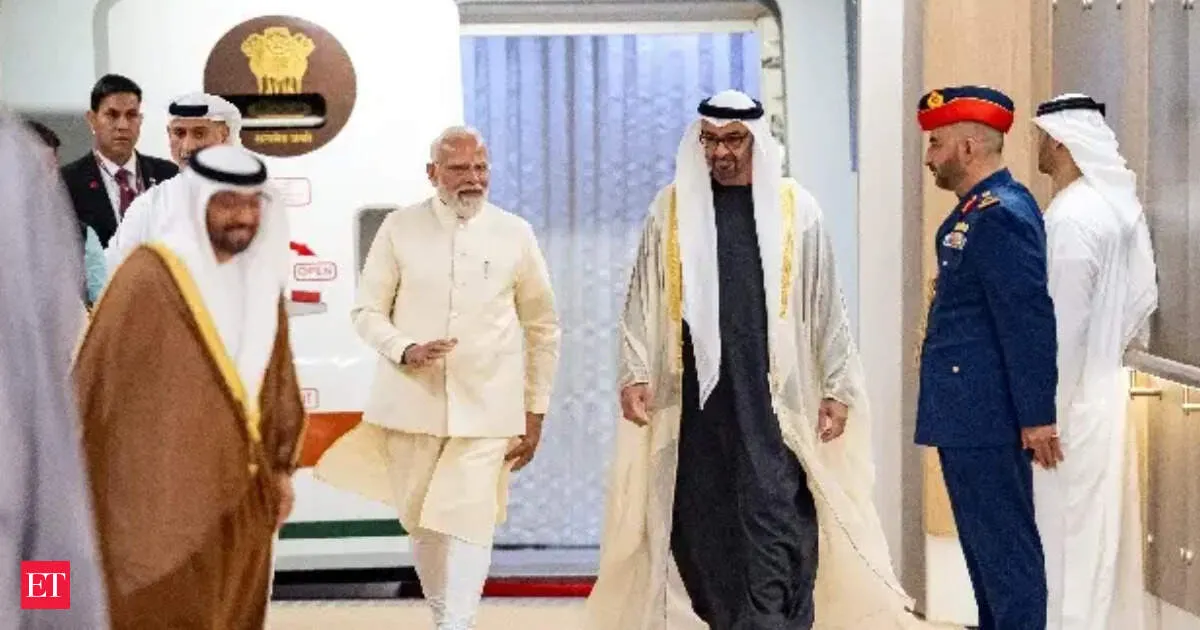
UAE President Mohamed bin Zayed Al Nahyan personally received Prime Minister Narendra Modi at the airport as the Indian leader departed for the Netherlands, underscoring close diplomatic ties. India’s ambassador Deepak Mittal said Modi’s short UAE visit produced investment announcements of over $5 billion (more than Rs 47,000 crore). A standout element is a first-ever UAE push into India’s banking sector, led by Emirates NBD’s $3 billion. Additional commitments include $1 billion each from ADIA for infrastructure via NIIF and from IHC into Samman Capital, alongside deepening energy cooperation.
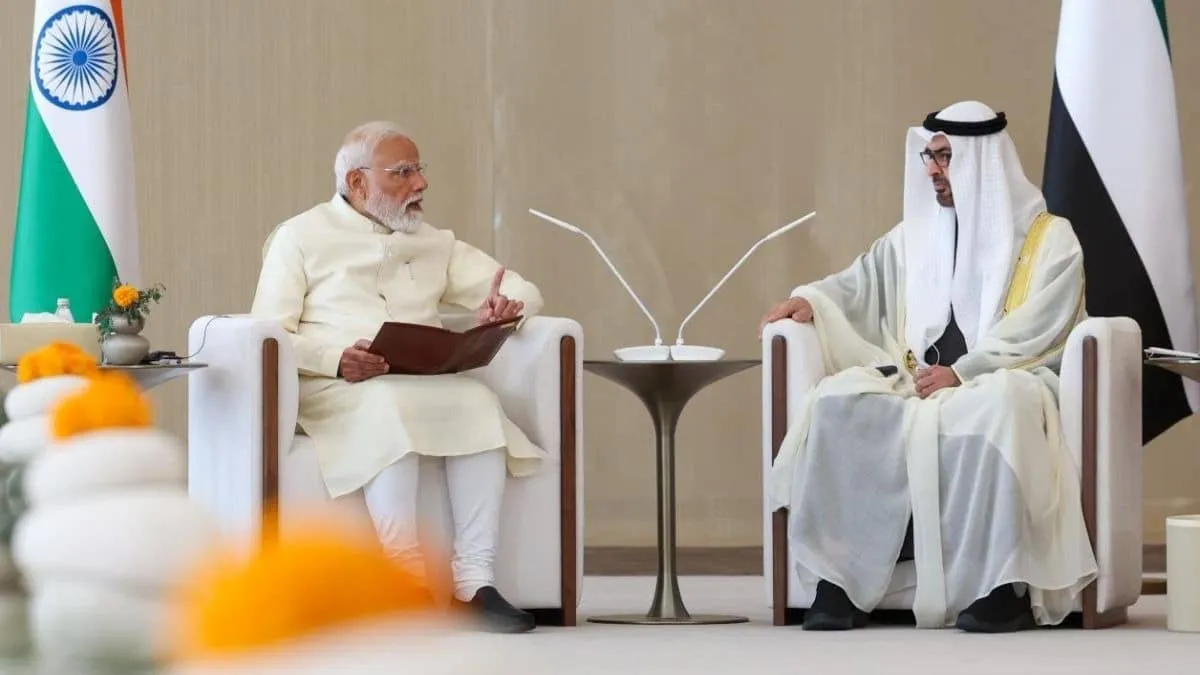
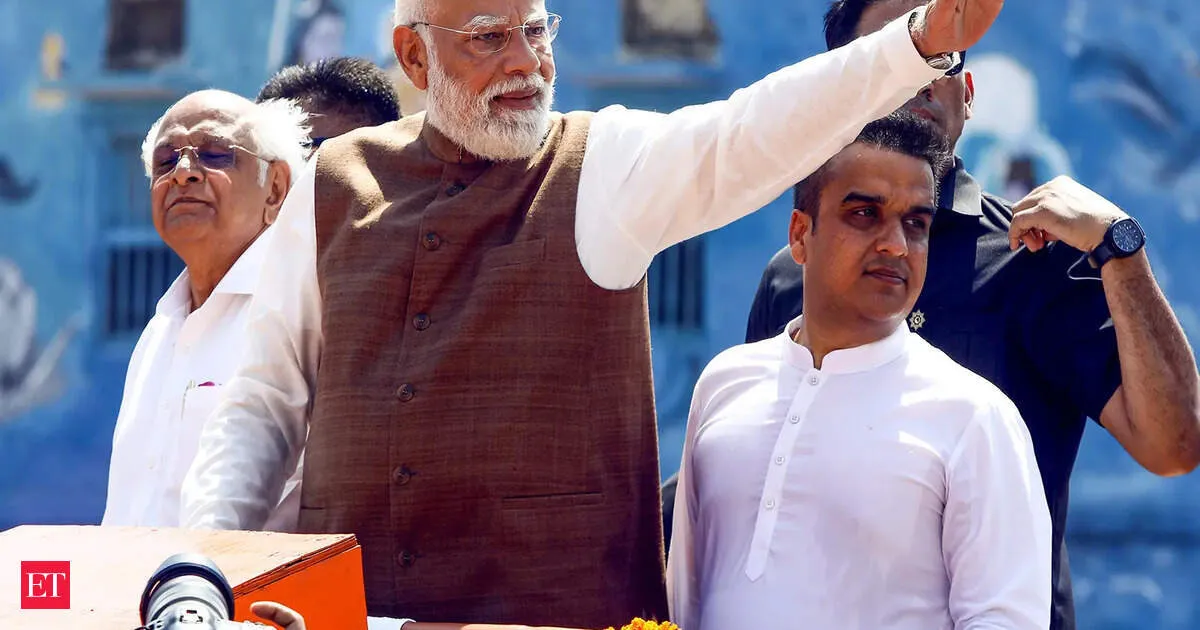
Prime Minister Narendra Modi visited the UAE and signed a package of agreements aimed at strengthening defense, energy, and infrastructure cooperation. Modi met President Sheikh Mohammed bin Zayed Al Nahyan, reaffirming India’s condemnation of recent attacks and backing safe transit through the Strait of Hormuz. Deals include raising UAE participation in India’s strategic petroleum reserves to 30 million barrels, setting up strategic gas reserves, securing long-term LPG supplies, and launching a framework for deeper strategic defense ties.
The UAE has rejected Iran’s accusations that Abu Dhabi plays an active role in the Middle East war, calling Tehran’s narrative an attempt to justify Iranian terrorist attacks. After Iran’s foreign minister told a Telegram audience that the UAE is a partner in aggression and warned that U.S. bases can’t ensure security, UAE minister Khalifa bin Shaheen Al Marar said the country has faced repeated attacks. He cited about 3,000 missile and drone strikes and stressed the UAE can deter aggression without external protection.
Facing repeated Iranian missile barrages that threatened its economy, the UAE has pulled closer to Israel, even widening a rift with Saudi Arabia. Abu Dhabi reportedly received Israeli Iron Dome air-defence support, viewing it as protection essential to economic recovery. The move increases pressure with Tehran, which the UAE sees as its main threat, while also complicating relations with Saudi Arabia and other Gulf states that still treat Israel normalization as highly sensitive, especially after Gaza.
Never miss a story
Set alerts for the topics and sources you care about. Download Beige for free.
The UAE has strongly condemned an attack on an Indian-flagged commercial vessel off Oman’s coast, calling it a terrorist act and a dangerous escalation that endangers critical shipping lanes. India’s Ministry of External Affairs said the incident occurred on Wednesday as the ship sailed from Somalia. Omani authorities rescued all 14 crew members. The UAE warned the strike violates a UN Security Council resolution on freedom of navigation. It also cited the fragile Strait of Hormuz amid regional conflict and previous attacks on Indian-flagged ships.
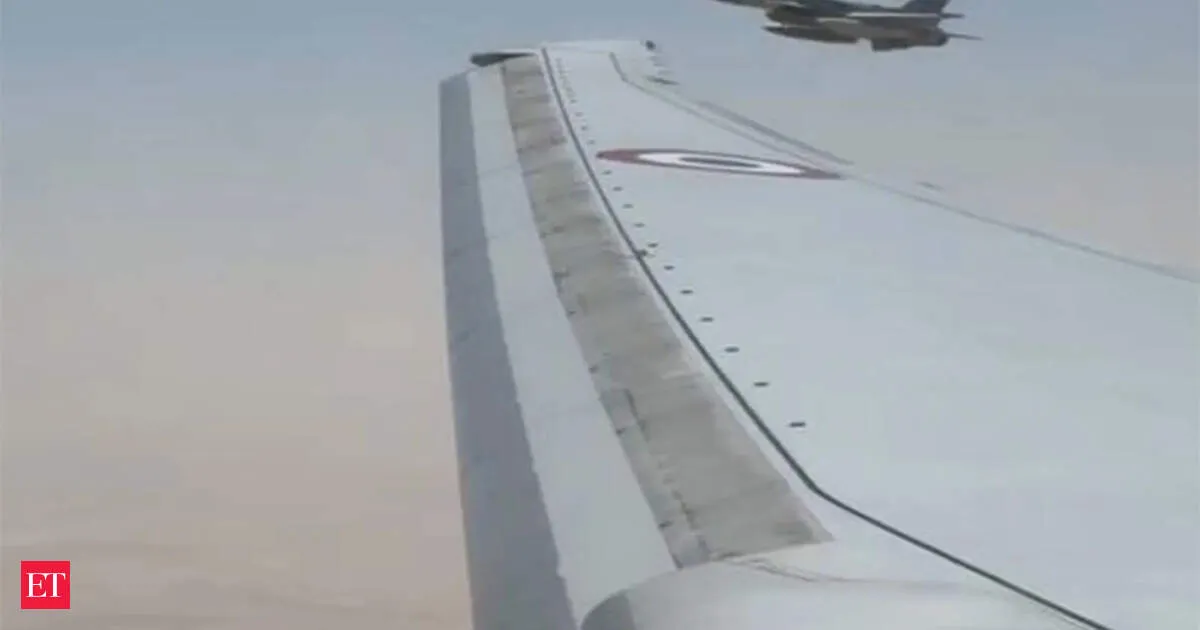
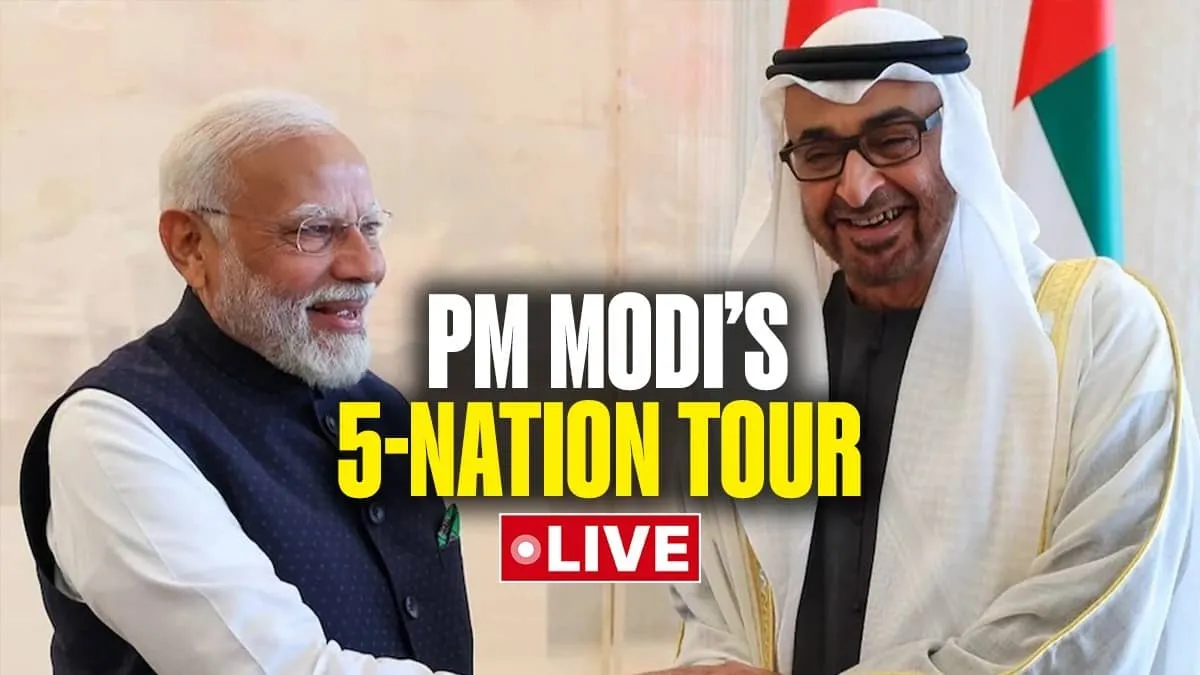
Prime Minister Narendra Modi began a five-nation tour from May 15-20 with his first stop in the UAE, landing in Abu Dhabi for meetings with President Sheikh Mohamed bin Zayed Al Nahyan. UAE F-16 jets escorted Modi’s aircraft as it entered the country’s airspace, followed by a guard of honour. The agenda highlights energy cooperation alongside regional and international issues. Modi then travels to the Netherlands, Sweden, Norway and Italy, focusing on technology, defence, AI and green initiatives.
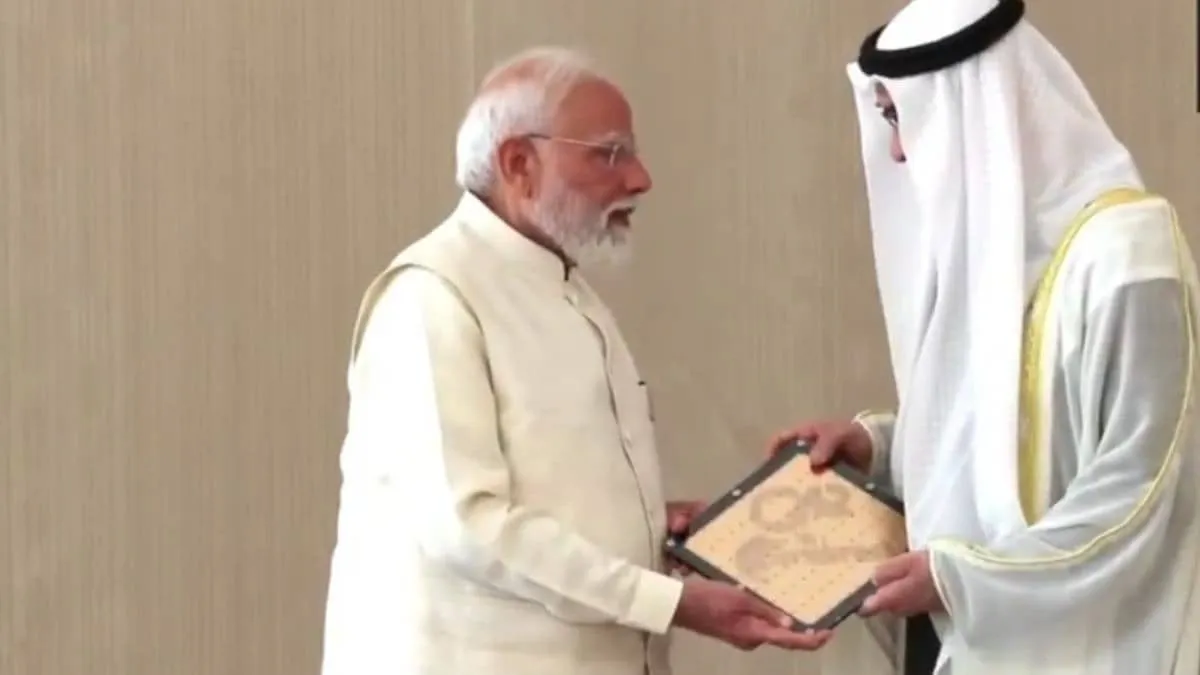
Prime Minister Narendra Modi’s visit to Abu Dhabi ended with multiple agreements covering defence cooperation, energy security and industrial infrastructure. India and the UAE agreed on a framework for a strategic defence partnership, signed an MoU on strategic petroleum reserves, and finalized LPG supply arrangements to bolster energy security. The UAE also announced $5 billion in investments in Indian infrastructure and financial institutions including RBL Bank and Samman Capital. Modi urged dialogue to manage West Asia tensions and stressed keeping the Strait of Hormuz open.
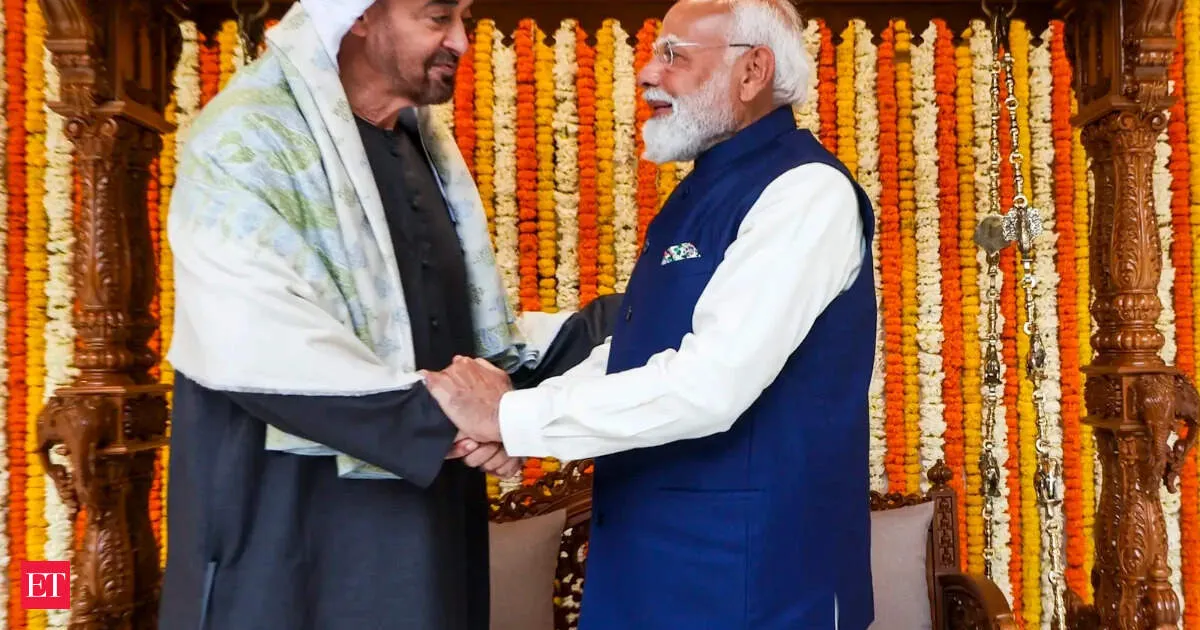
Prime Minister Narendra Modi met UAE President Sheikh Mohamed bin Zayed Al Nahyan in Abu Dhabi, pledging India’s “all possible support” to bring peace in West Asia shortly after arriving for his five-nation tour. Modi condemned attacks on the UAE while praising the country’s restraint. Discussions are expected to center on the India-UAE Comprehensive Strategic Partnership, with energy security likely taking center stage amid concerns over oil supplies and maritime trade routes, alongside wider regional geopolitical shifts.
Reading on mobile?
Open Beige in the app for a smoother experience — free on iOS and Android.
Prime Minister Narendra Modi’s UAE visit delivers two energy pacts aimed at strengthening India’s fuel safety net. India’s IOCL agreed with ADNOC for expanded, long-term LPG shipments, building on the UAE’s role as nearly 40% of total LPG supply. In parallel, ISPRL and ADNOC will expand underground strategic crude storage, extending their 2018 Mangaluru partnership. The deals come as Strait of Hormuz disruptions raise global oil pressure, and the UAE’s OPEC+ exit helps enable direct contracts.
Prime Minister Narendra Modi has kicked off a high-stakes five-nation tour spanning the UAE, Netherlands, Sweden, Norway and Italy until May 20. Starting in Abu Dhabi, Modi is holding delegation-level talks with UAE President Sheikh Mohamed bin Zayed Al Nahyan, with attention on trade, energy cooperation, investment and regional security. Industry groups see the agenda as a boost for sectors like engineering, pharma, textiles, logistics and digital trade, while European and Gulf partnerships are expected to deepen amid shifting global geopolitics and markets.
UAE insurers are moving war-risk coverage beyond specialized shipping and aviation into mainstream retail and SME products as geopolitical tensions involving Iran keep escalating. Sukoon Insurance has introduced a Motor War Cover add-on for comprehensive policies, offering up to AED 5 million for war, strikes, terrorism and riots within the UAE. Other firms are widening protection for cargo, residential units and travel disruption, while intermediaries market packages for operational losses, employee injuries and contract-related liabilities.
Prime Minister Narendra Modi is set to visit the UAE to discuss long-term energy supply arrangements and ways to expand India’s strategic oil reserves. Sources say the trip seeks to reduce exposure to disruptions tied to global conflicts. Modi will meet UAE President Sheikh Mohamed bin Zayed Al Nahyan to explore deeper energy cooperation and broader bilateral issues during a wider five-nation tour.
Follow your favourite sources
Track sources, tags and categories — all in the Beige app.
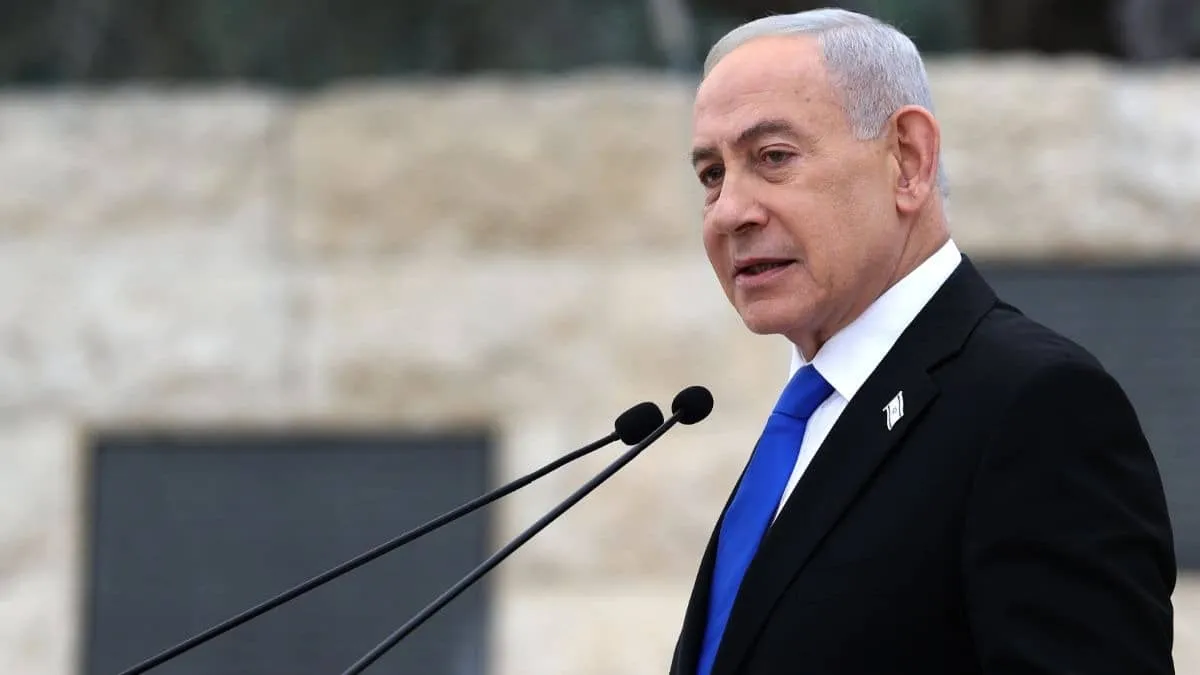
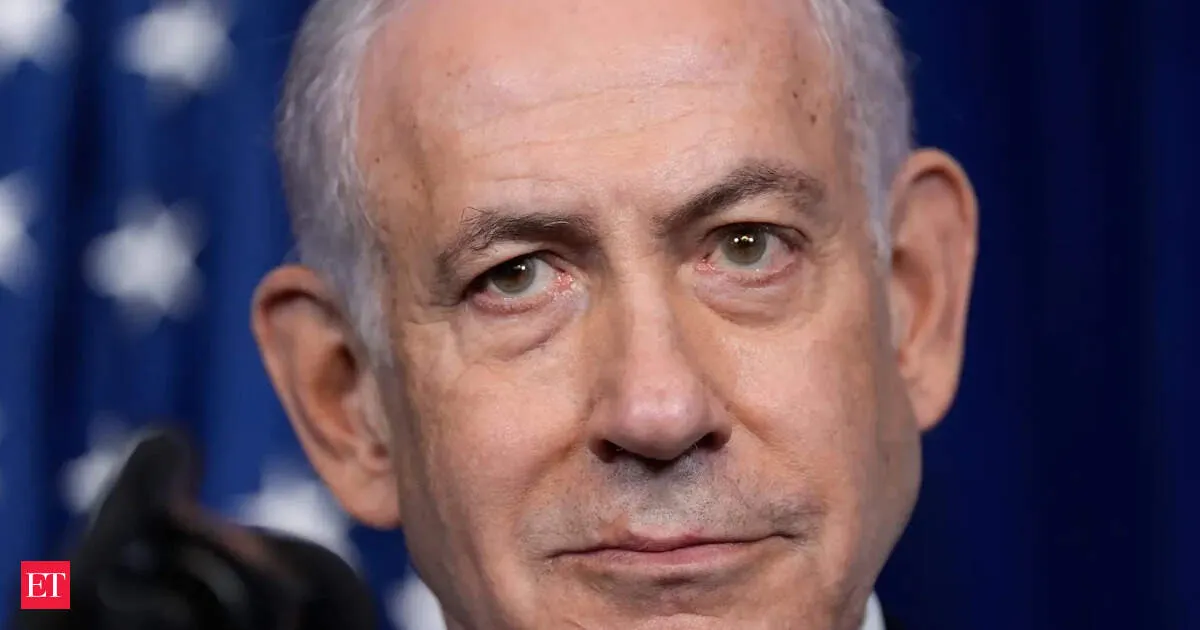
The UAE has rejected claims that Israeli Prime Minister Benjamin Netanyahu secretly traveled to the country during wartime to meet President Sheikh Mohammed bin Zayed. The UAE foreign ministry called the reports “entirely unfounded,” disputing a statement from Netanyahu’s office. The denial raises questions about who is driving the narrative amid heightened regional tensions.
Israeli Prime Minister Benjamin Netanyahu reportedly held a secret meeting with UAE President Sheikh Mohammed bin Zayed Al Nahyan during the ongoing conflict with Iran. The talks, framed as a historic step in Israel UAE relations, come as the UAE has faced repeated missile and drone attacks. Officials describe the exchange as a major breakthrough, underscoring shifting regional alignments.
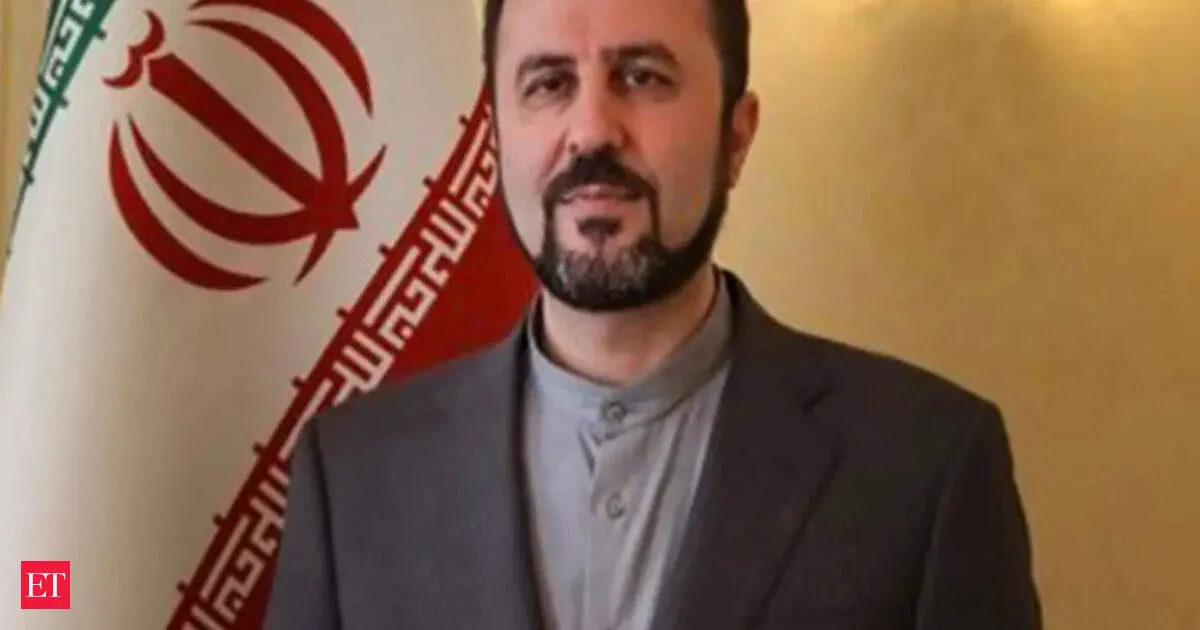
Iran’s deputy foreign minister Kazem Gharibabadi alleges the UAE is preventing BRICS from reaching consensus on the West Asia conflict. He says Iran is open to Indian peace initiatives and highlights ongoing work with Oman on a new merchant-vessel framework for the Strait of Hormuz. He also notes Indian vessels have been allowed transit through the region.
Prime Minister Narendra Modi’s upcoming visit to the UAE is expected to focus on energy security, with sources pointing to likely agreements on Liquefied Petroleum Gas and Strategic Petroleum Reserves. The cooperation comes as the UAE moves on from OPEC+, and officials say the talks will also strengthen trade and investment while addressing priorities for the Indian diaspora.
Stay informed on the go
Bite-sized news from 100+ trusted sources, right in your pocket.
Israel has reportedly sent Iron Dome air defense batteries and personnel to the United Arab Emirates, a step aimed at countering potential Iranian attacks. The deployment further cements cooperation under the Abraham Accords. Emirati officials have indicated they see the move as likely to improve bilateral relations if threats materialize.
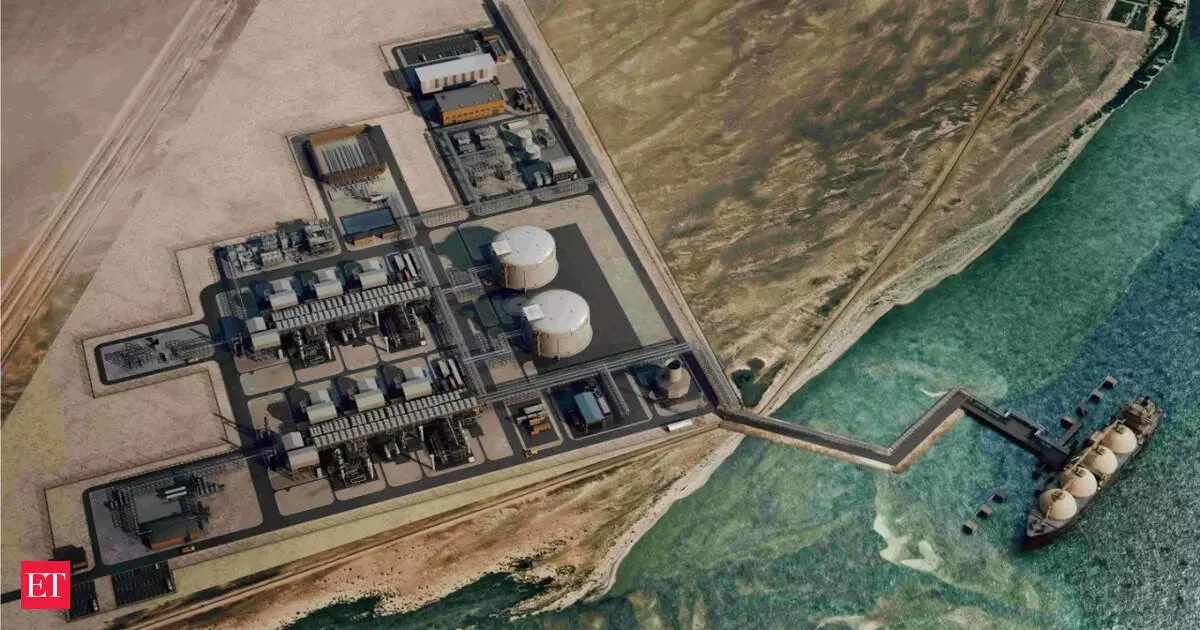
Dubai’s key ADNOC Gas processing complex is set to return to full capacity only by 2027, pushed back by attacks and wider Middle East instability. The operator reported a 15% income drop amid regional disruption and market pressures. Economists warn that a Strait of Hormuz blockade could rack up additional losses, delaying full restoration further.
Swipe through stories, personalise your feed, and save articles for later — all on the app.