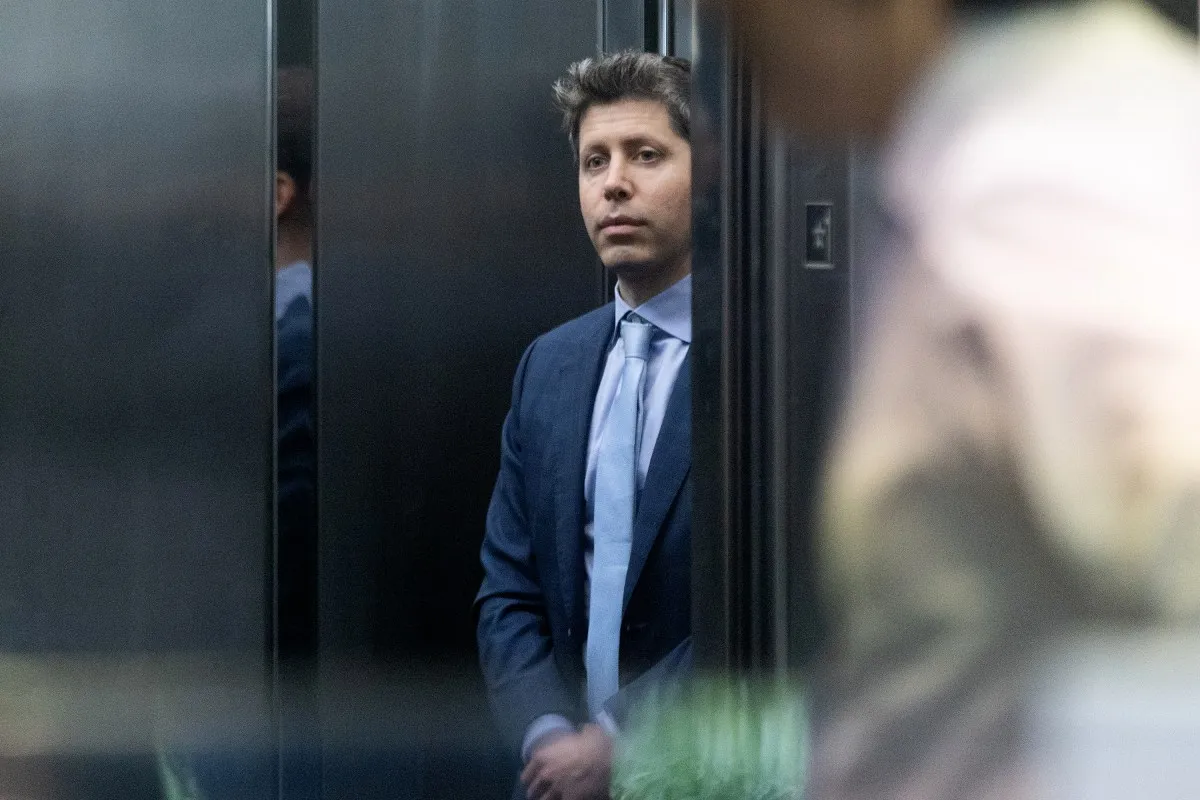
In federal court testimony, OpenAI CEO Sam Altman said, “I believe I am an honest and trustworthy business person.” The statement lands amid scrutiny of how tech leaders earn credibility, especially when legal proceedings focus on trust, transparency, and business conduct. The case spotlights not just Altman’s words, but who still believes them and why.
In Nagaland, villages like Kigwema and Khonoma run free, self-service libraries built on trust. Founded by brothers Akho and Thepfukelie Phira, the model lets anyone borrow books without a librarian, lock, or register—returning after reading. The same community-first ethics appear in local shops, reinforcing a culture of shared knowledge and honesty.
Your news, in seconds
Get the Beige app — every story in 60 words, updated hourly. Free on iOS & Android.
India’s economy is stuck in low trust and high friction, with complex KYC rules called out by Finance Minister Nirmala Sitharaman. The push now is to move to a trust based model that rewards responsible behavior. By using digital rails like Aadhaar and UPI, the country can cut verification costs, boost transparency, and build a clearer rules based system.
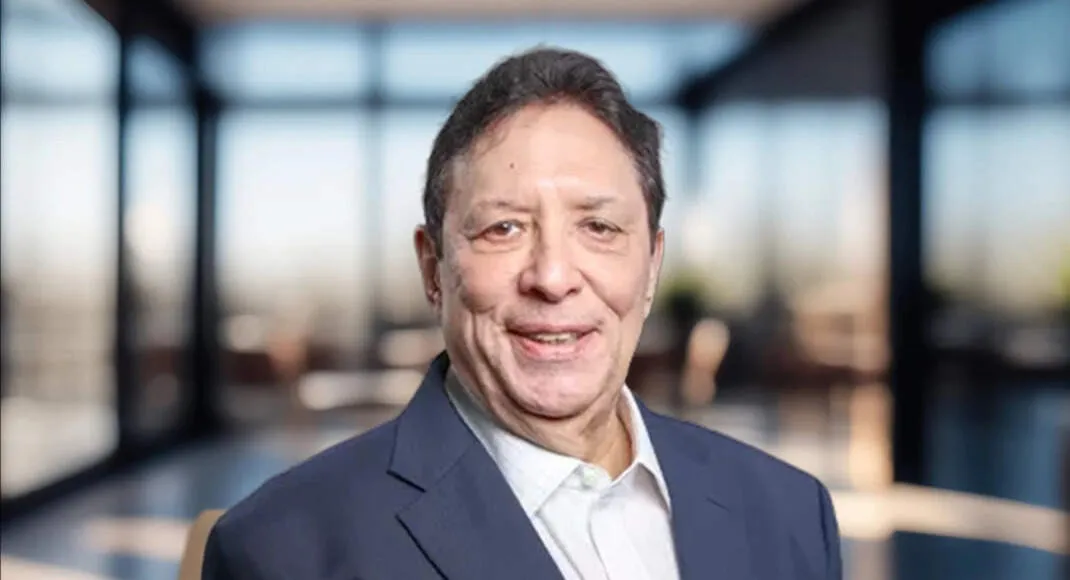
HDFC Bank’s interim chairman Keki Mistry, 71, is attempting to calm jittery investors and customers by leaning heavily on personal credibility after the abrupt exit of his predecessor. The move signals a push to restore confidence in the bank’s leadership and stability, as the institution faces heightened scrutiny and the need to reset trust quickly.
Swipe through stories, personalise your feed, and save articles for later — all on the app.