Bitcoin drifted toward $79,000 as rising US Treasury yields, renewed inflation worries, and high oil prices triggered a risk-off mood across global markets. The pullback followed a failed attempt to regain the $82,000–$82,500 resistance band, with trading around $78,799. In 24 hours, Bitcoin fell about 2% and Ethereum slipped 1%. Overall crypto market value fell roughly 2% to $2.63 trillion, while analysts flagged ETF flows, macro liquidity, and on-chain behavior as key for the next move.
US stocks fell sharply on Friday, reversing AI-driven record momentum as crude prices surged and stoked global inflation worries. Benchmark Treasury yields jumped, making bonds more appealing than equities and weighing on risk appetite. The Trump-Xi summit produced little, while US-Iran tensions—after sharp comments—raised doubts about the Strait of Hormuz reopening. Despite the pullback, the S&P 500 notched its seventh straight weekly gain. Incoming Fed chair Kevin Warsh faces mounting pressure amid sticky inflation concerns.
Your news, in seconds
Get the Beige app — every story in 60 words, updated hourly. Free on iOS & Android.
Wall Street reversed its recent momentum on Friday, pushing the S&P 500, Nasdaq, and Dow Jones lower as investors retreated from a stretched technology rally. The sell-off gathered pace alongside rising Treasury yields, with the 30-year yield moving above 5.1% amid inflation worries. Oil surged after Trump’s comments on Iran, lifting West Texas and Brent above key thresholds. Market hopes were also dampened by a Trump-Xi summit that delivered fewer breakthroughs than traders expected.
US stocks pulled back from record highs as crude oil surged and Treasury yields climbed, reviving inflation worries. All three major indexes fell, with AI-driven tech stocks hit hardest as investors rotated toward bond yields and reassessed how aggressively the Federal Reserve might act. The move followed Middle East tensions after US-Iran-related uncertainty and raised concerns about global borrowing costs, with the 10-year yield reaching its highest level since May 2025.
US markets took a sharp turn lower on Friday, May 15, 2026, with the Dow, S&P 500 and Nasdaq all falling after President Donald Trump concluded his China visit without easing key investor worries. The S&P 500 slid to 7,436 and the Nasdaq fell 1.25%. Nvidia dropped nearly 4% and Amazon also slipped as Treasury yields jumped on hotter-than-expected inflation data. Oil topped $108, the dollar strengthened, while gold and silver plunged amid renewed volatility and Iran uncertainty.
Wall Street opened sharply lower on Friday as inflation fears—linked to the Middle East conflict—pushed Treasury yields higher. That jump in yields threatens to derail a recent AI-fueled rally by tightening financial conditions for stocks. The S&P 500 and Nasdaq both dropped about 1% at the open, signaling risk-off sentiment returning quickly. Traders are now focused on whether higher yields persist and how markets interpret incoming inflation signals after the shock from geopolitical tensions.
Never miss a story
Set alerts for the topics and sources you care about. Download Beige for free.
U.S. stock futures tracking the Nasdaq and S&P 500 dropped more than 1% as Treasury yields jumped amid rising inflation worries tied to the Middle East conflict. The 10-year Treasury yield hit 4.54%, the highest since early June 2025, while bond markets priced in faster rate hikes and weaker growth. Even after Wall Street’s AI-fueled record closes, Brent crude climbed almost 3% to about $109 as the Strait of Hormuz remained closed, pressuring oil-heavy sectors like airlines.
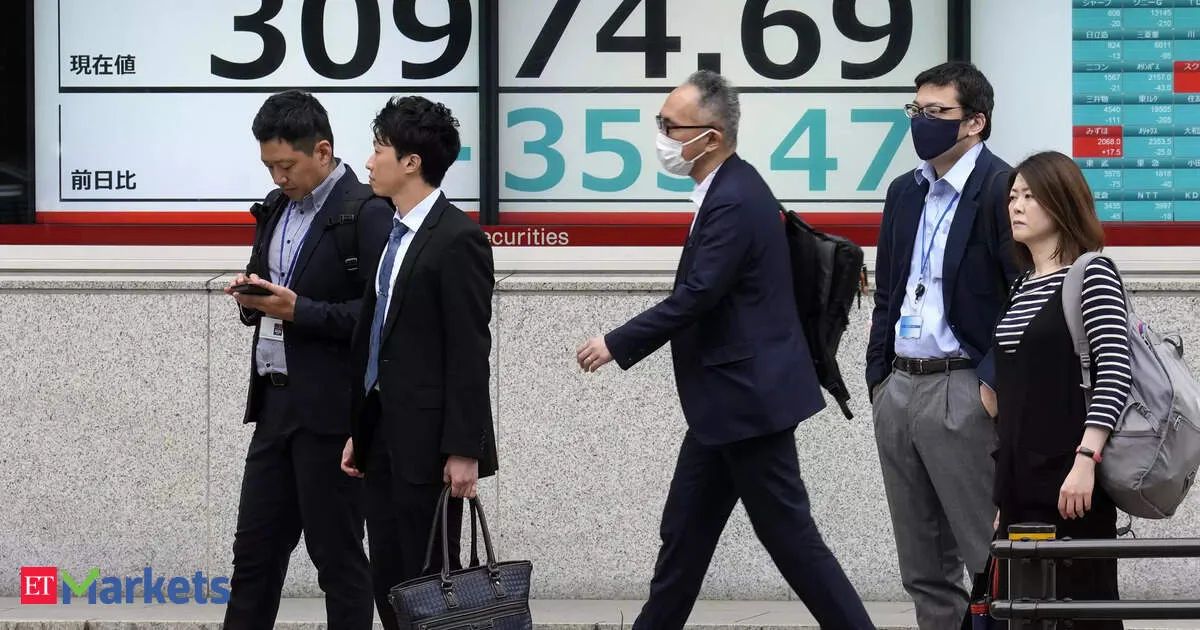
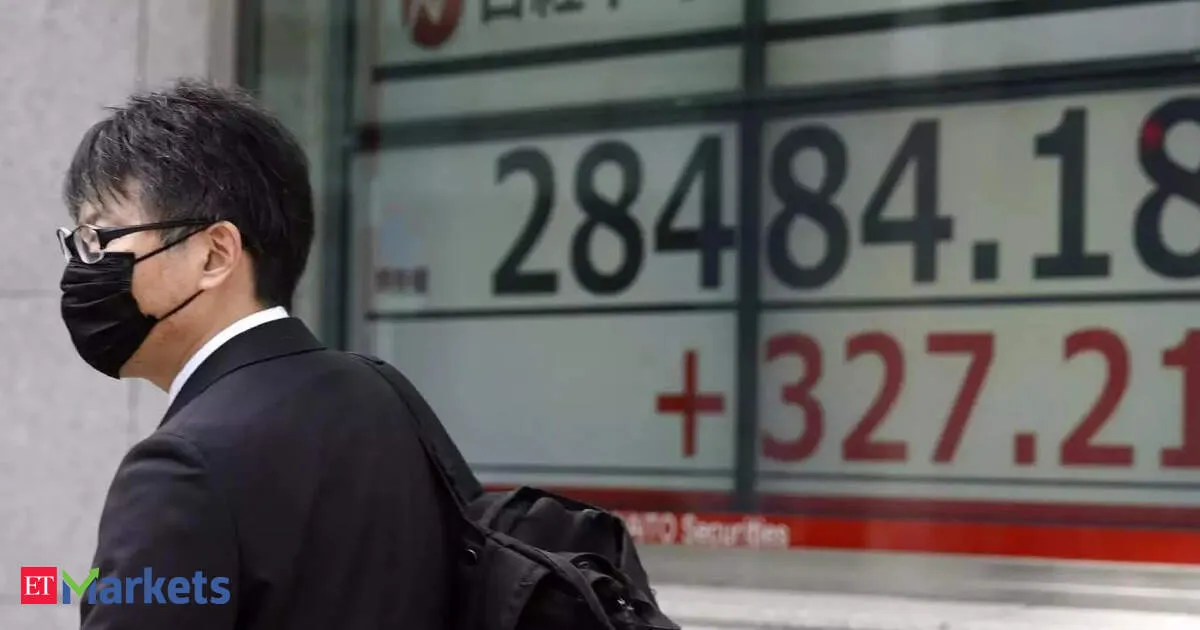
Asian markets tumbled as tech euphoria faded into inflation worries, sending U.S. Treasury yields to one-year highs and boosting expectations of a Fed rate hike. Brent crude climbed 5.7% this week to $107 amid stalled efforts to open the Strait of Hormuz, after attacks and a ship seizure raised supply concerns. The damage spread across Asia-Pacific benchmarks, while Japan’s wholesale inflation accelerated, leaving the Bank of Japan poised to raise rates.
Mortgage rates are climbing as U.S. Treasury yields rise, pulling refinancing costs higher across the housing market. The average 30-year fixed refinance rate jumped to 6.54%, while standard 30-year mortgage rates reached 6.34%. Sticky inflation and a cautious Federal Reserve outlook are keeping borrowing expensive, leaving homeowners who waited for lower rates facing a tougher reality in 2026.
The US dollar strengthened Thursday as higher Treasury yields and safe-haven buying pulled investors toward the currency. Trading looks heavily influenced by expectations of additional Federal Reserve rate hikes this year. Attention is also on Trump and Xi meeting in Beijing, while the offshore yuan stayed near a three-year high as US inflation data hinted at renewed price pressure.
Reading on mobile?
Open Beige in the app for a smoother experience — free on iOS and Android.
Asian markets slid as US CPI showed inflation accelerating, sending Treasury yields higher. Oil prices jumped after the Iran conflict, adding fresh inflation pressure and lifting expectations that the Federal Reserve could still hike as late as 2027. Analysts warn the equity rebound may wobble, with chipmakers and rate sensitive stocks facing extra strain.
US stocks fell sharply after the CPI inflation report showed a 3.8% rise, the highest in three years. The Dow slid over 307 points, while the S&P 500 and Nasdaq posted losses. Treasury yields rose and the dollar strengthened, with tech stocks retreating as investors priced in the possibility of longer Federal Reserve rate cuts being delayed amid rising oil prices and Iran related tensions.
A sharp US jobs report beat expectations, jolting Wall Street and lifting the S&P 500 toward record territory. The Dow and Nasdaq surged as investors piled into AI-linked leaders, with NVIDIA topping $214 and Apple breaking above $294. Falling Treasury yields toward 4.35% eased pressure on growth stocks despite geopolitical worries and $100 oil.
The dollar weakened as hopes of de escalation between Iran and the US supported oil linked currencies, while Japan’s cautionary comments kept yen speculation restrained. Even with talk of a peace proposal, investors remain wary over unresolved nuclear demands and risks around the Strait of Hormuz, which are still swinging oil prices and US Treasury yields. The euro climbed as the dollar index eased.
Follow your favourite sources
Track sources, tags and categories — all in the Beige app.
Asian stocks opened lower as a Wall Street tech selloff spilled over, fueled by worries that AI spending may not deliver quick returns ahead of major earnings. Rising Treasury yields, boosted by firmer oil prices, are stoking inflation expectations and trimming expectations for Fed rate cuts. With the global rally wobbling, technology earnings now hold the spotlight.
US mortgage rates continued falling for the third straight week, with the 30-year fixed rate sliding to 6.23%—its lowest since mid-March. Treasury yields eased, supporting the move, but housing activity remains subdued as affordability pressures and uneven demand persist, while inflation and geopolitical risks keep volatility in play.
Swipe through stories, personalise your feed, and save articles for later — all on the app.