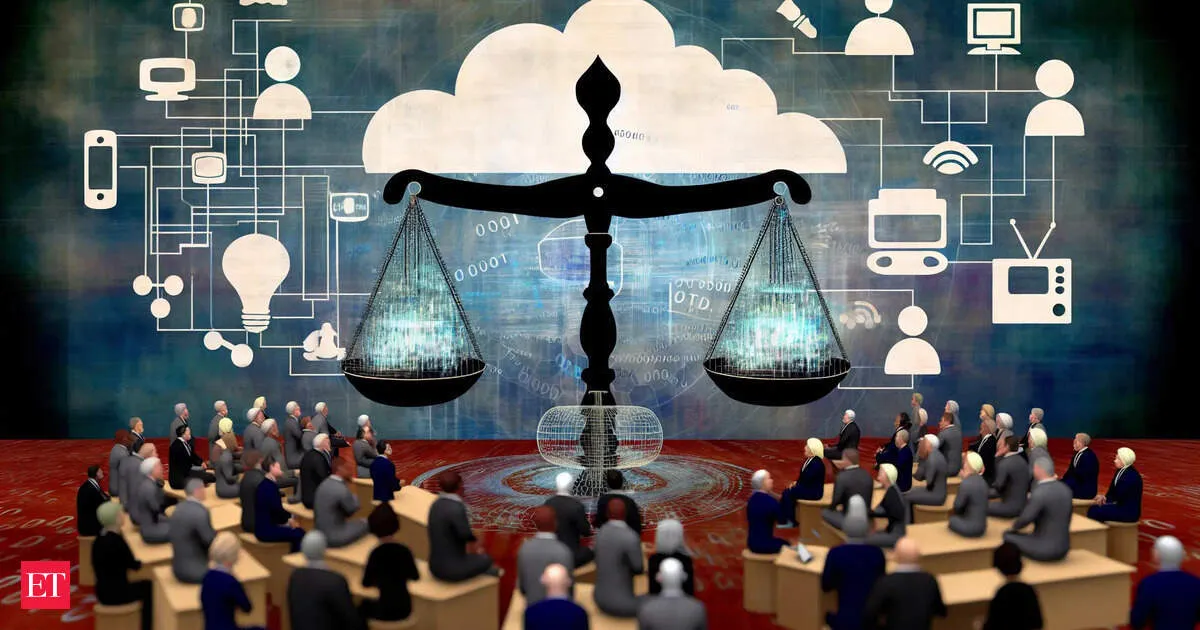
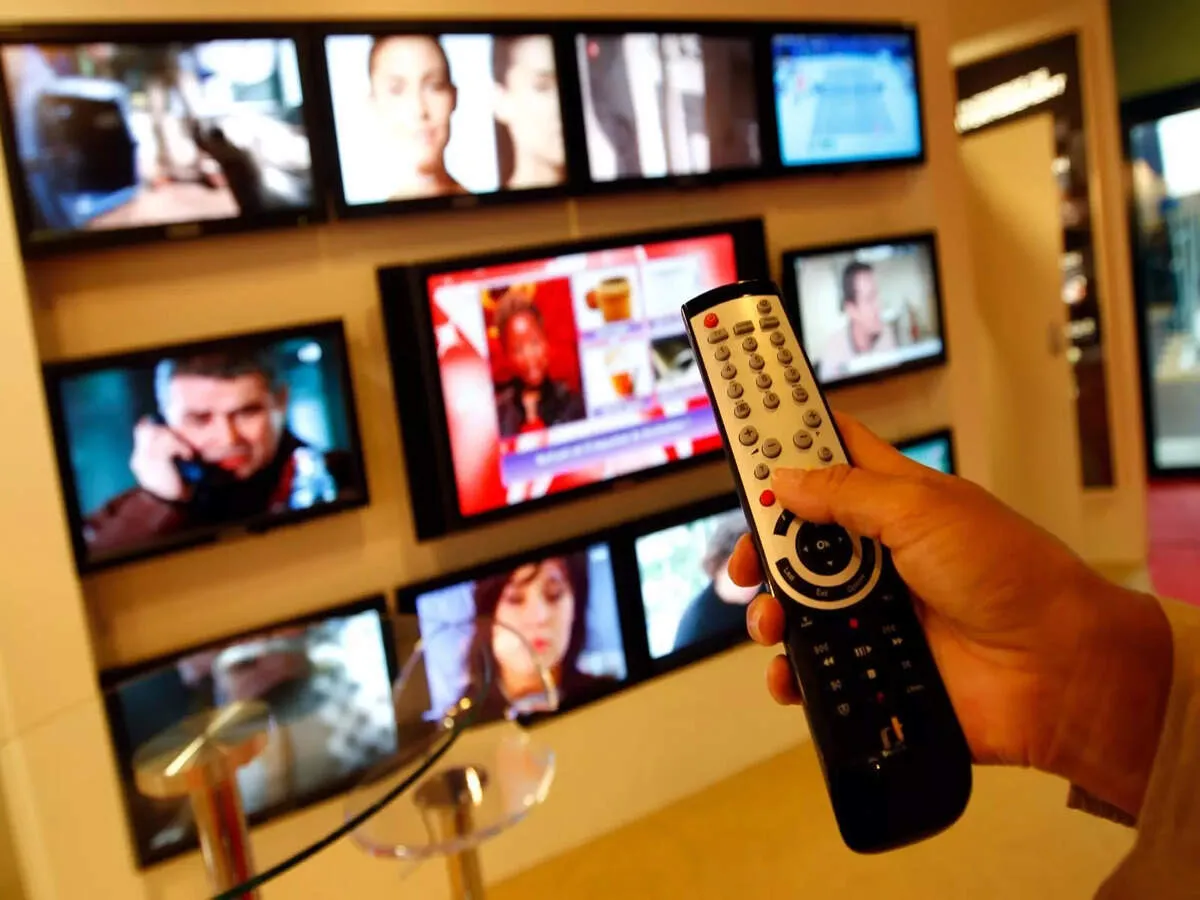
India’s legacy cable and DTH operators are pushing TRAI to regulate FAST and ALTD internet-delivered linear television like traditional pay TV, arguing these services bypass licensing, tariffs, interconnection, and content obligations. The consultation follows a Ministry request in December 2025 amid fears of unregulated TV-like channels. Cable and DTH back mandatory carriage, sports signal-sharing with Prasar Bharati, and platform-neutral pricing. Meanwhile, tech and internet players oppose telecom-style or broadcasting regulation, calling it uneven for registered platforms.
The Indian Broadcasting and Digital Foundation has entered a legal dispute over Prasar Bharati’s WAVES platform and whether OTT services can stream live TV channels. The All India Digital Cable Federation says streaming violates distribution rules, while Prasar Bharati argues TRAI cannot regulate OTT content. The case revives long-running questions about governance for internet-delivered television in India.
Your news, in seconds
Get the Beige app — every story in 60 words, updated hourly. Free on iOS & Android.
TRAI is set to tighten how telecom firms manage customer complaints. Service providers would be required to offer easy complaint registration across portals, apps, and even chatbots, plus provide regular updates on what actions they’ve taken. Under the proposal, telcos could face penalties up to Rs 50 lakh per quarter for improperly dismissing complaints.
India’s telecom regulator TRAI has started exploring how spectrum should be allocated and priced for wireless communication between vehicles and roadside units. The Department of Telecom is seeking industry suggestions on spectrum assignment and pricing, a step expected to support real-time vehicle information exchange. The framework targets better road safety and smarter traffic management, with stakeholder comments due by May 28, 2026.
IAMAI has accused TRAI of overstepping its authority, saying proposed spam-call regulations could unfairly target OTT platforms like WhatsApp. The industry body argues OTT services are not telecommunication services and warns that mandatory data sharing would violate constitutional principles, raising serious jurisdiction concerns for digital platforms.
TRAI has pushed the deadline for public comments on a proposed regulation for mobile plans that include only calling and SMS, without data. The regulator says current voice and SMS-only packs are often priced too high, and the new framework would require telecom operators to offer lower priced alternatives. Comments are now due by May 5.
Never miss a story
Set alerts for the topics and sources you care about. Download Beige for free.
TRAI has opened a consultation on proliferating public Wi-Fi networks in India, inviting stakeholder comments by May 25 and counter-comments by June 8, 2026. The draft focuses on boosting deployment, usability, security, and viable business models, while weighing global best practices against India’s challenges like high leased-line costs and strict authentication requirements.
TRAI has released a consultation paper titled “Proliferation of Public Wi‑Fi Networks in India,” seeking stakeholder input on accelerating deployment, improving the business viability of public Wi‑Fi, and boosting user adoption. The regulator is inviting comments on policies and approaches that could help expand connectivity beyond traditional broadband coverage across the country.
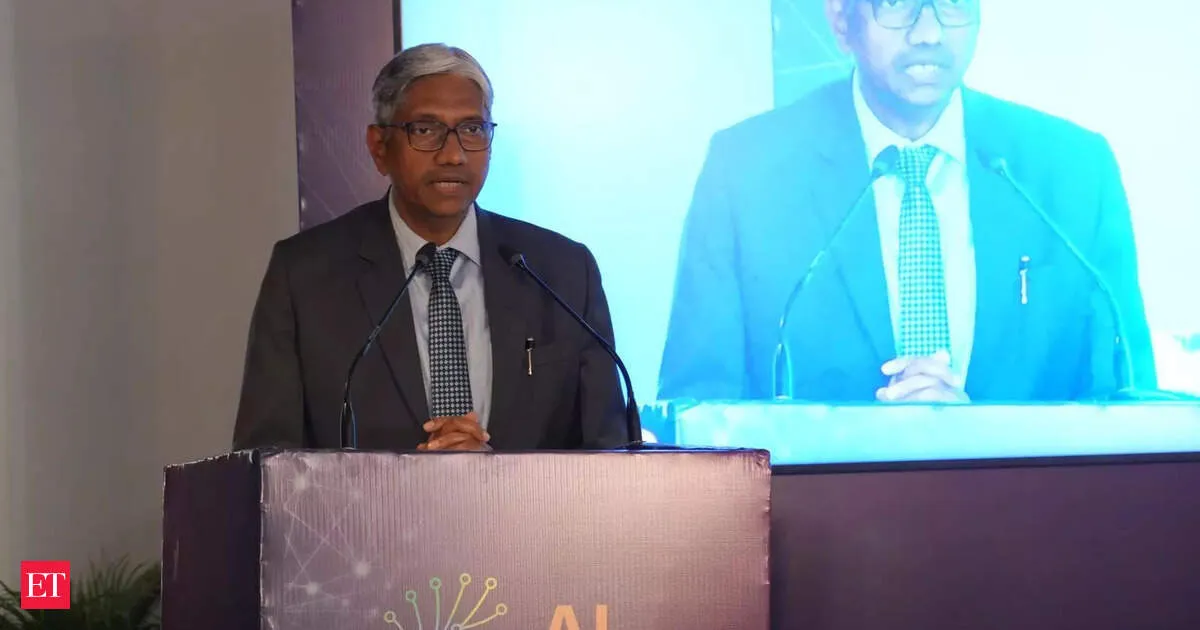
TRAI chairman AK Lahoti says soaring indoor mobile data use is creating worsening connectivity problems. He urges developers to bake connectivity infrastructure into building designs and backs new rules that could rate buildings on digital connectivity quality. Lahoti also calls for making more spectrum available to strengthen mobile signals, particularly within homes.
India’s broadcast sector may soon face a sweeping regulatory overhaul. TRAI is set to review pricing, distribution, and platform rules after the New Tariff Order drew criticism over affordability and transparency. The proposed reset is also meant to reflect shifting consumer viewing habits and rising competition from streaming platforms, which have disrupted traditional broadcast economics.
Reading on mobile?
Open Beige in the app for a smoother experience — free on iOS and Android.
India’s broadcast industry is locked in a prolonged battle over television tariff rules first rolled out in 2019. What began as a regulatory change has evolved into a survival fight for broadcasters and related stakeholders, as the industry pushes back on how costs, pricing, and consumer impact are being handled. The dispute highlights widening pressure on traditional TV economics.
Swipe through stories, personalise your feed, and save articles for later — all on the app.