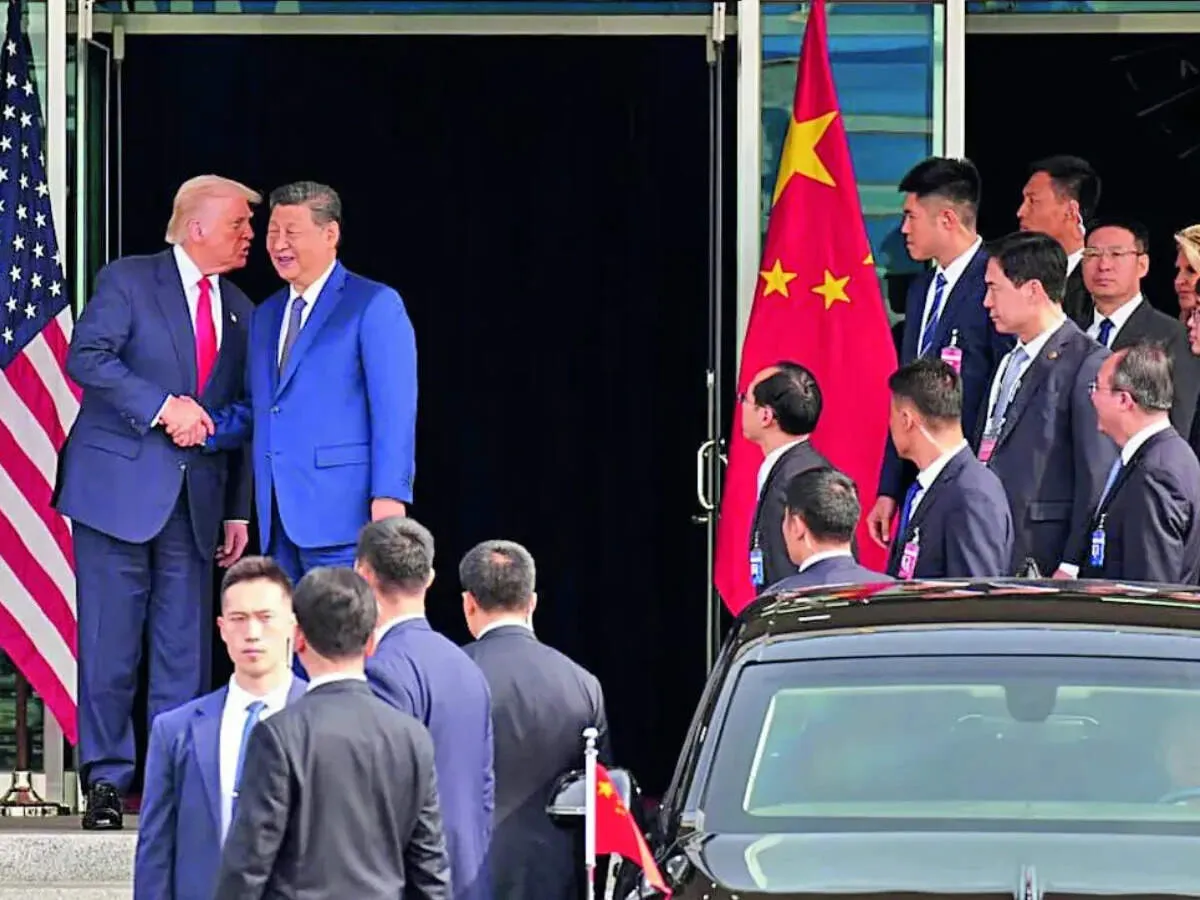
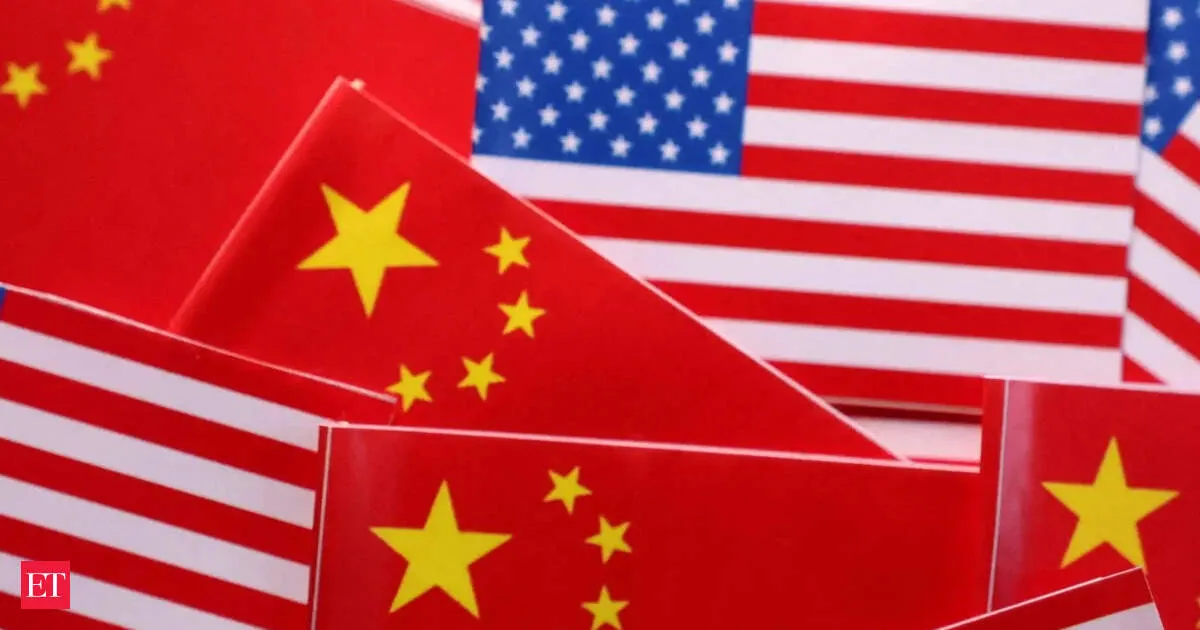
As Donald Trump arrives in Beijing, US China ties are still shaped by trade tariffs and technology curbs. After two rounds of US moves and Chinese countermeasures, both countries are now prioritizing reduced reliance while maintaining a workable relationship. The result could be parallel self-sufficiency, faster domestic innovation, and fewer surprises—despite continued rivalry.
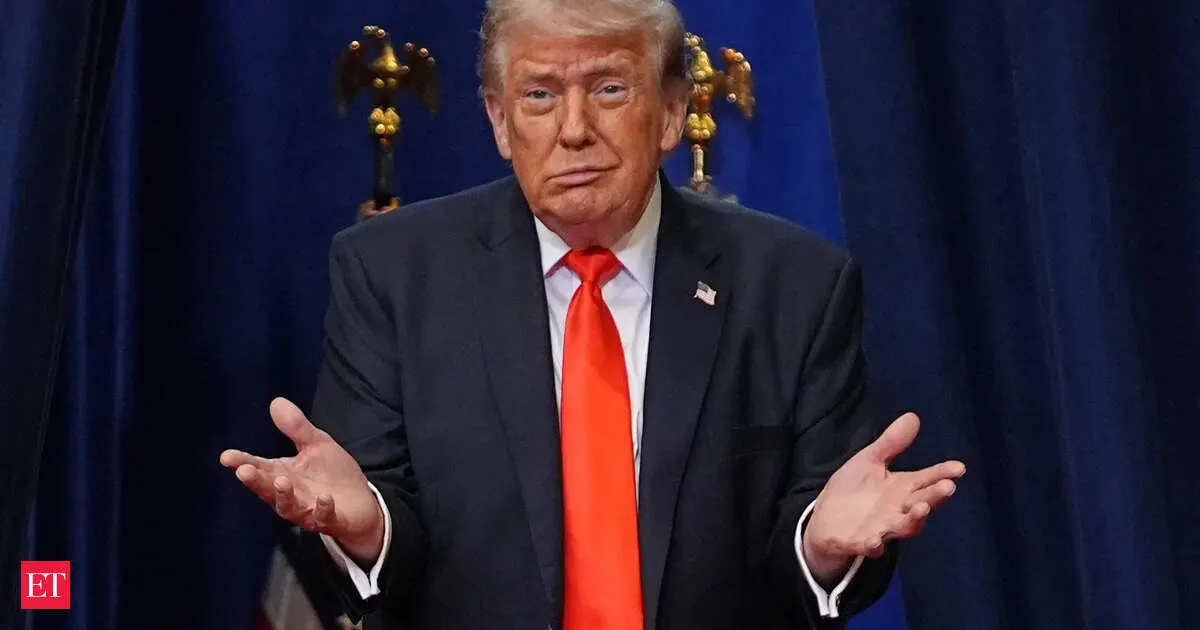
President Donald Trump has set a July 4 deadline for the European Union to meet its trade deal commitments. If the EU fails to comply, the US threatens much higher tariffs on a wide range of EU goods, including cars. Ursula von der Leyen said discussions are underway and the EU remains committed to implementing the deal.
Your news, in seconds
Get the Beige app — every story in 60 words, updated hourly. Free on iOS & Android.
China has escalated trade tensions by issuing its first formal blocking measure, telling domestic firms not to comply with US sanctions tied to five petrochemical refiners linked to Iran oil trade. The Commerce Ministry called the US action a violation of international law. The order marks a new phase in China-US economic friction and sanctions enforcement.
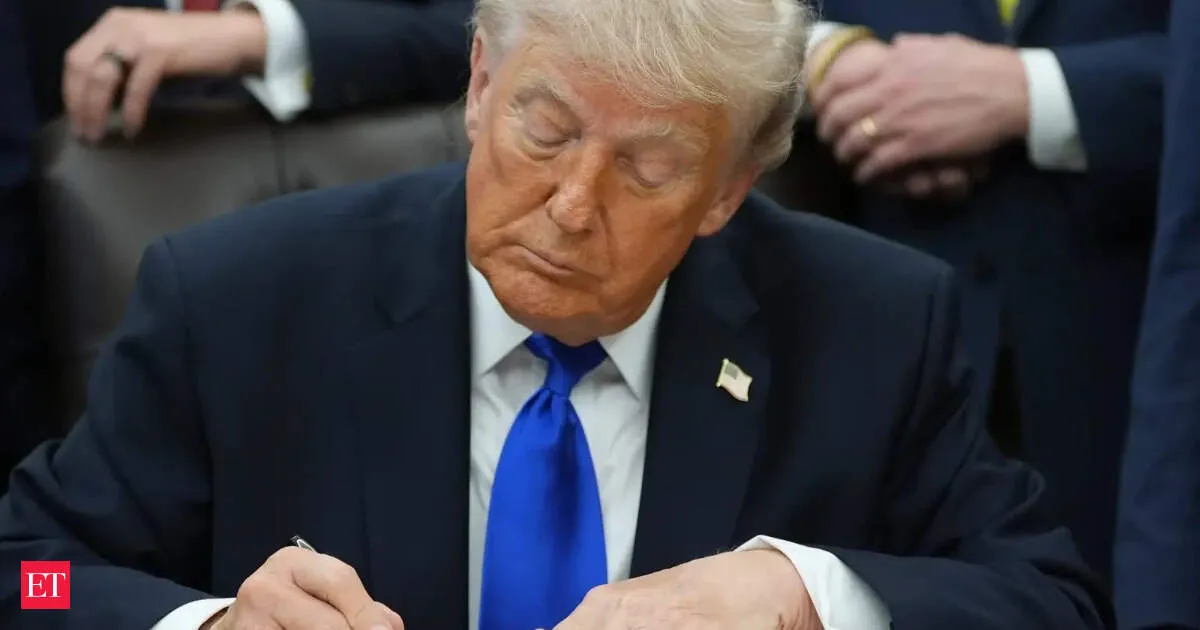
US President Donald Trump says tariffs on cars and trucks imported from the European Union will rise to 25 percent, starting as early as next week. He also claims vehicles manufactured in American plants will be exempt from the new duties, a move that could reshape supply chains and pricing across the transatlantic auto trade.
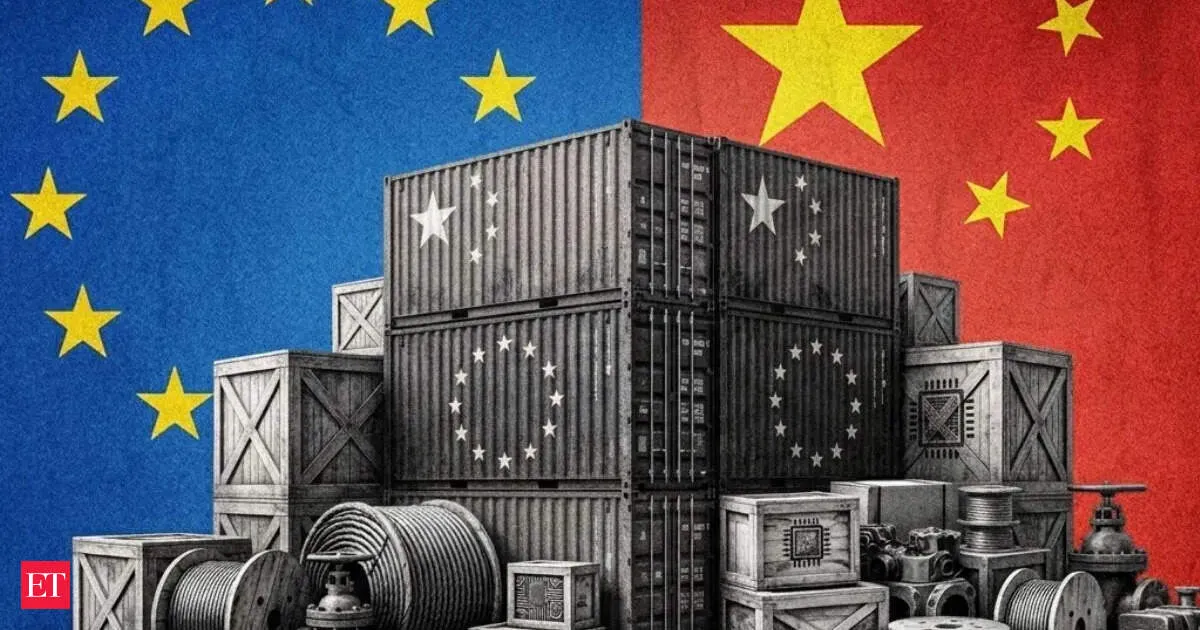
The EU is set to overhaul its industrial approach with the “Made in Europe” framework under the Industrial Accelerator Act. The plan targets stronger domestic manufacturing, less dependence on foreign suppliers, and job protection amid fears of deindustrialisation and strategic reliance, escalating economic tensions as China-related disputes intensify.
China is tightening economic pressure tools aimed at the United States, setting new laws to punish foreign companies shifting supply chains. It has also tightened rare earth licensing and banned foreign AI chips, moves analysts view as direct responses to US policies. The strategy signals Beijing’s intent to protect its leverage ahead of high-stakes diplomacy, including the Trump–Xi summit.
Never miss a story
Set alerts for the topics and sources you care about. Download Beige for free.
Bitcoin fell to around $91,000 as escalating US–EU trade tensions sparked risk-off sentiment. Broader crypto prices stayed subdued, with liquidations moving through leverage-heavy positions. Analysts say the market is still consolidating in a wide range, and that the next major direction may hinge on macro data and policy cues rather than crypto-specific news.
Swipe through stories, personalise your feed, and save articles for later — all on the app.