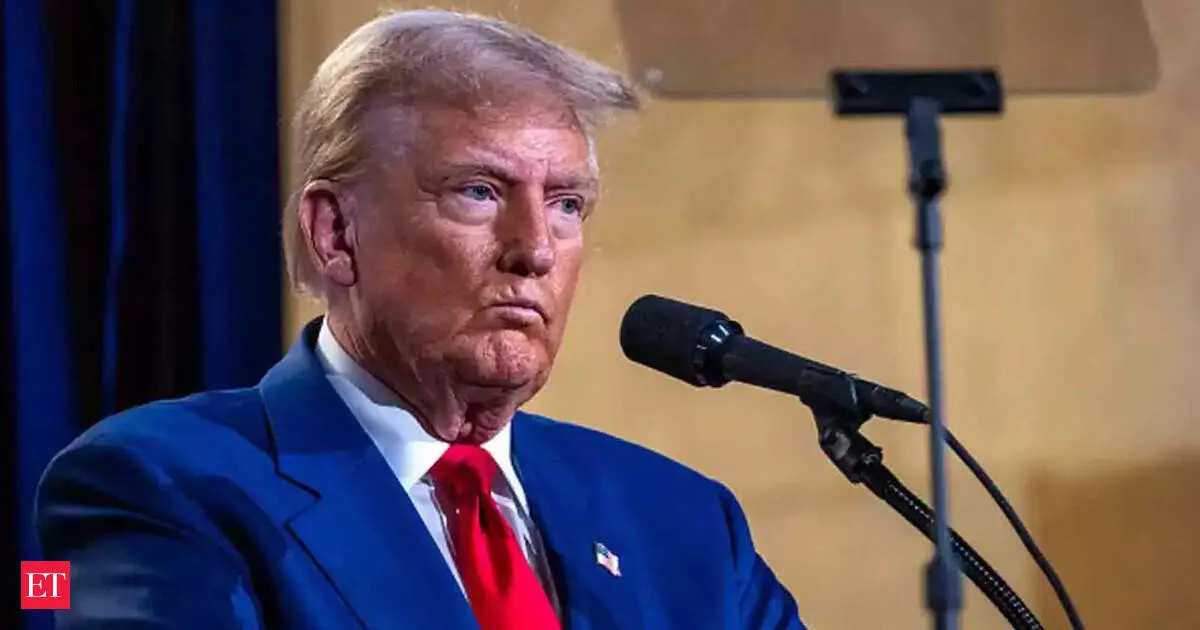
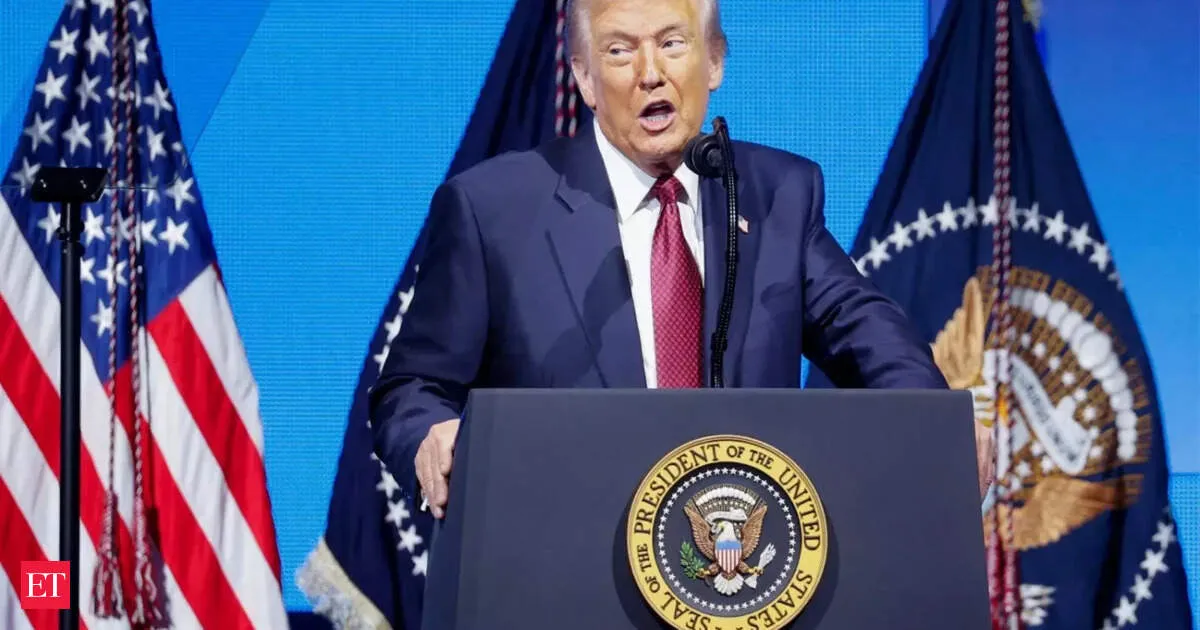
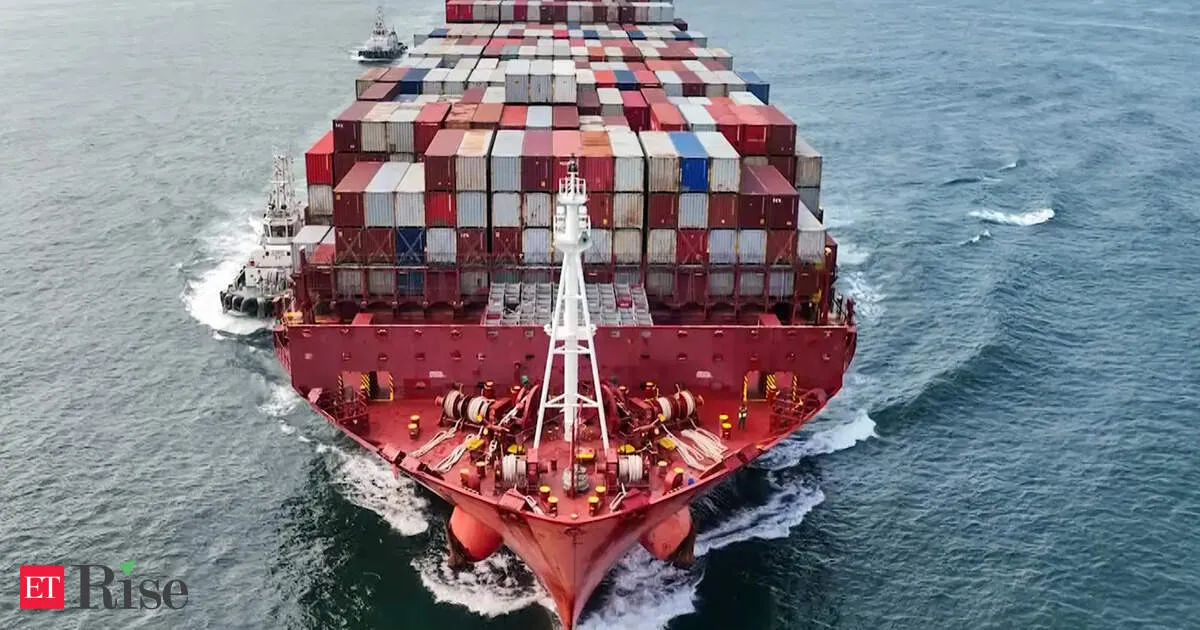
Tariff refund disbursements are set to begin as early as May 12 after the U.S. Supreme Court voided Trump-era tariffs imposed under the International Emergency Economic Powers Act. The court’s decision effectively makes the federal government liable for more than $166 billion, turning prior collections into reimbursable payments. CBP says 126,237 claims have been submitted via its CAPE portal, with $35.46 billion already finalized. Eligibility is limited to importers of record and customs brokers, leaving consumers excluded despite bearing higher prices.
A US federal appeals court has temporarily halted a decision that said President Donald Trump’s global tariffs are unlawful. For now, importers must keep paying the 10% duties, while the court reviews the administration’s bid to maintain collections during the appeal. The interim order is likely to add cost and planning uncertainty for businesses reliant on imported goods.
Your news, in seconds
Get the Beige app — every story in 60 words, updated hourly. Free on iOS & Android.
The Trump administration has appealed a court decision that rejected its 10% global tariff authority under a 1970s trade law. While the ruling blocked the tariffs for three specific importers, officials say they expect to win on appeal. The setback unfolds as the administration pursues wider tariff moves under a separate trade statute.
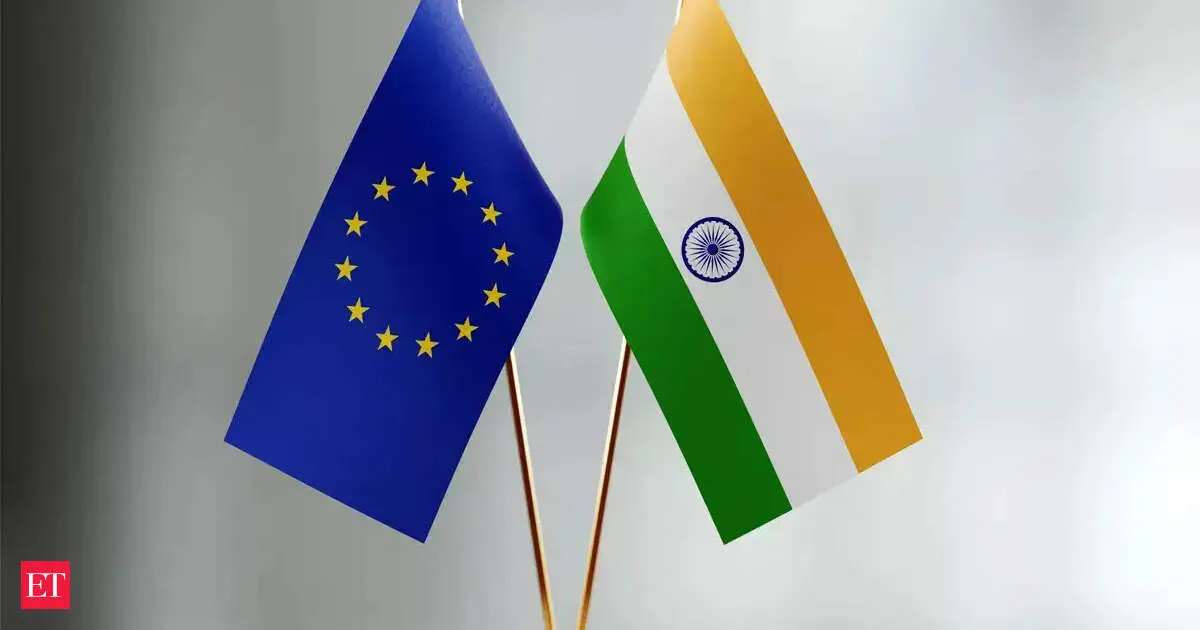
The EU is pressing for an investment liberalisation chapter and an early investment protection pact as India-EU free trade agreement talks near the finish line. European Union Ambassador Herve Delphin said the move aims to shape investment access and safeguards before the FTA is fully finalized, with the broader deal expected to expand trade for both sides.
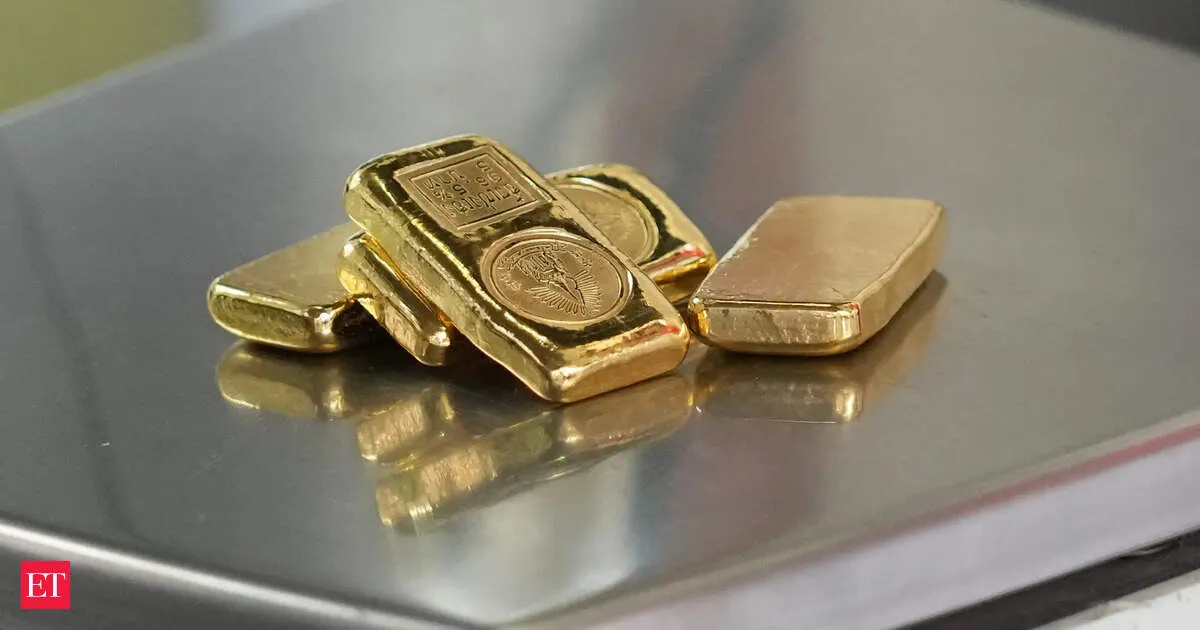
Indian banks are facing an unprecedented five-week standstill in gold and silver imports, leaving domestic prices to surge and jewelers worrying about shortages. Shipments have been hit since April 1 due to administrative hurdles and tax uncertainties. An alternative through the India International Bullion Exchange exists, but it is slower and demands more capital, delaying restocking after Akshaya Tritiya.
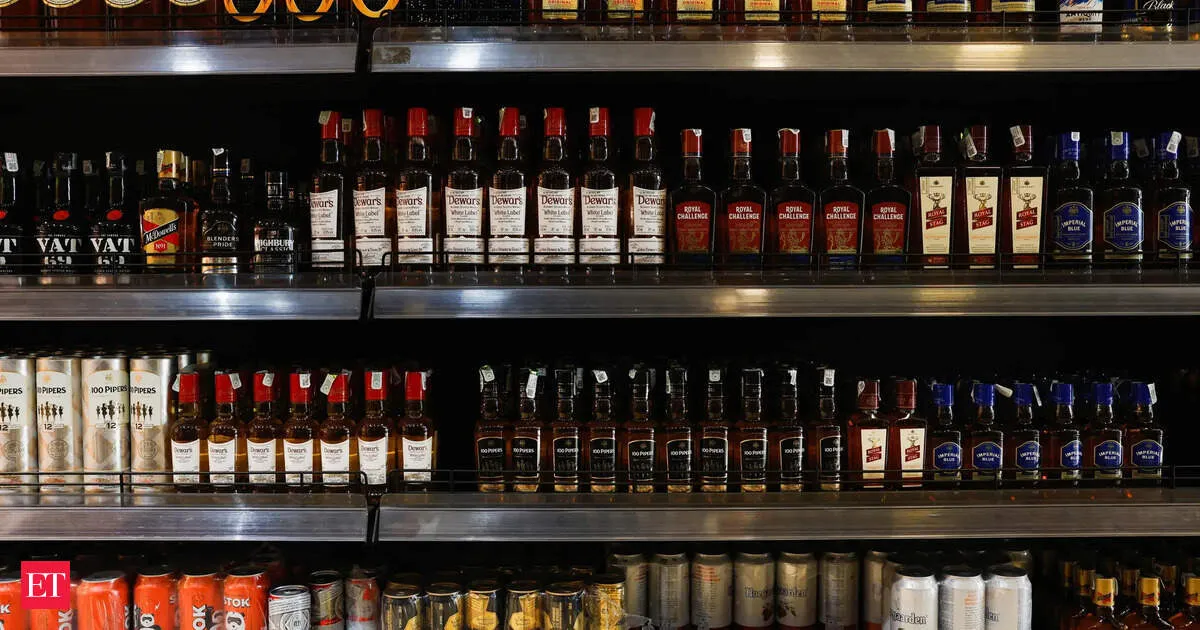
Karnataka’s local alcohol manufacturers have urged Chief Minister Siddaramaiah to revisit a proposed liquor tax system, arguing it tilts benefits toward multinational premium brands while making cheaper local products less competitive. Distillers claim the design of the tax structure could shift consumer demand away from regional players, threatening their business stability and market share.
Never miss a story
Set alerts for the topics and sources you care about. Download Beige for free.
India has extended the minimum import price (MIP) on virgin multi-layer paper board at ₹67,220 per metric tonne until September 30, 2026, as per an official notification. The policy sets a price floor for imports, aiming to manage market impact and support domestic producers while keeping the protection in place for an additional period.
Germany’s economy could take a major hit if Donald Trump follows through on higher US tariffs on European cars and trucks. The Kiel Institute estimates the auto sector may lose about 15 billion euros in output, underscoring how exposed German manufacturers are to US trade swings. Analysts also note Trump has previously backed away from tariff threats.
Car companies are counting on about $2.3 billion in future tariff refunds, lifting first-quarter profits on paper despite uncertainty around when and how the money will actually arrive. The claims trace back to a Supreme Court ruling, but payment processing remains unclear. Automakers also face other headwinds, from Middle East instability to shifting U.S. trade policy that could draw President Trump’s ire.
India has invoked the WTO peace clause for FY25 rice subsidies for farmers, marking the seventh time it has used the provision. The government says it will provide about $7.6 billion in subsidies, equivalent to 11.85% of the total value of rice production—pushing beyond the usual 10% limit under WTO rules.
Reading on mobile?
Open Beige in the app for a smoother experience — free on iOS and Android.
The government is examining whether to reduce or temporarily remove the 11% import duty on cotton. Officials say the intent is to ease cost pressures on domestic textile companies, amid industry concerns about input prices. Discussions are underway with relevant ministries, and no final decision has been announced.
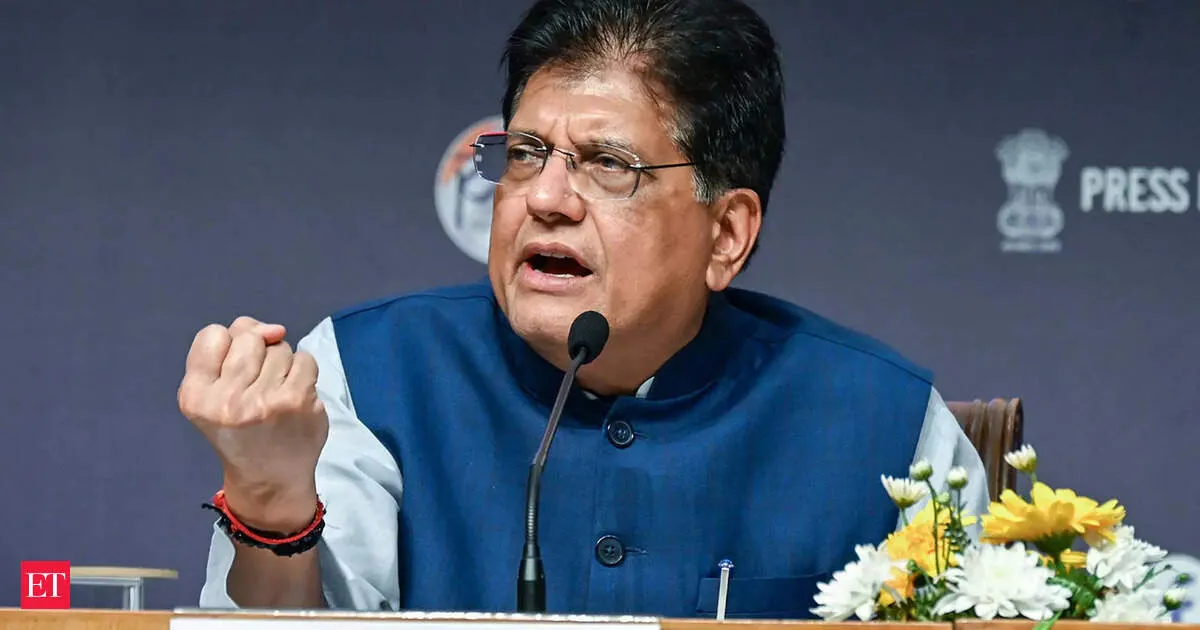
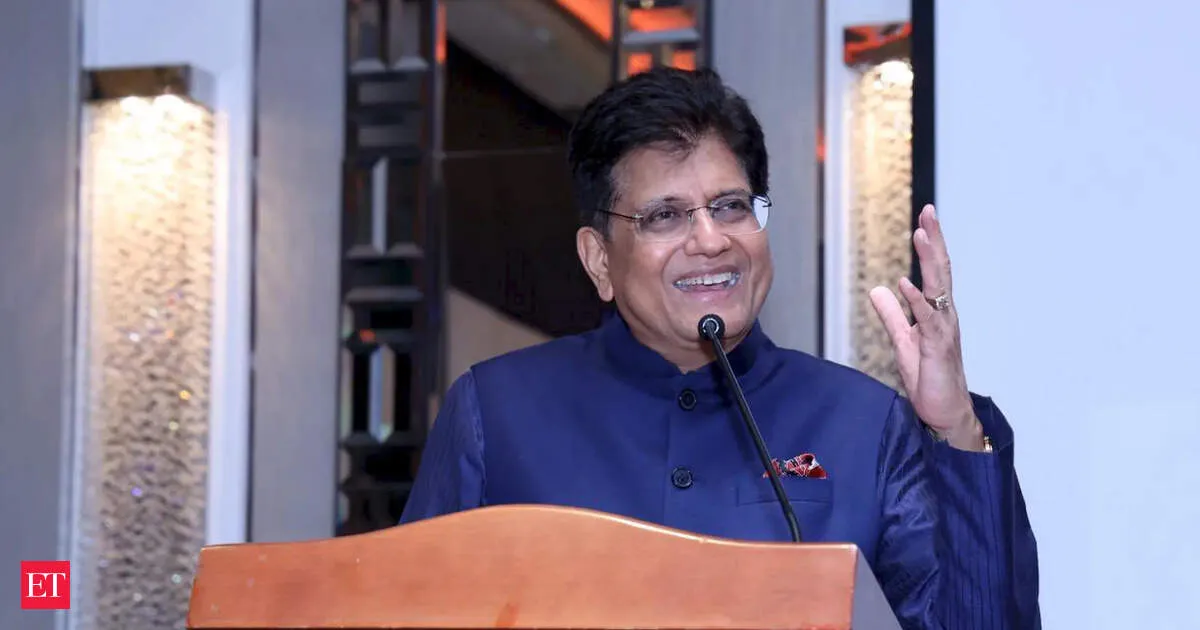
Commerce Minister Piyush Goyal met exporters and industry groups to push deeper use of free trade agreements to expand market access. Exporters sought extensions for export obligation timelines and broader trade relief measures, while flagging rising shipping costs and calling for an Indian shipping line. The talks come as India’s goods exports declined in March.
Commerce and Industry Minister Piyush Goyal said India has not provided any tariff or duty concessions for the dairy sector under any free trade agreement to date. His statement covers FTAs with major partners including the European Union, the UK, Australia and New Zealand, signaling that dairy remains protected from preferential tariff reductions.
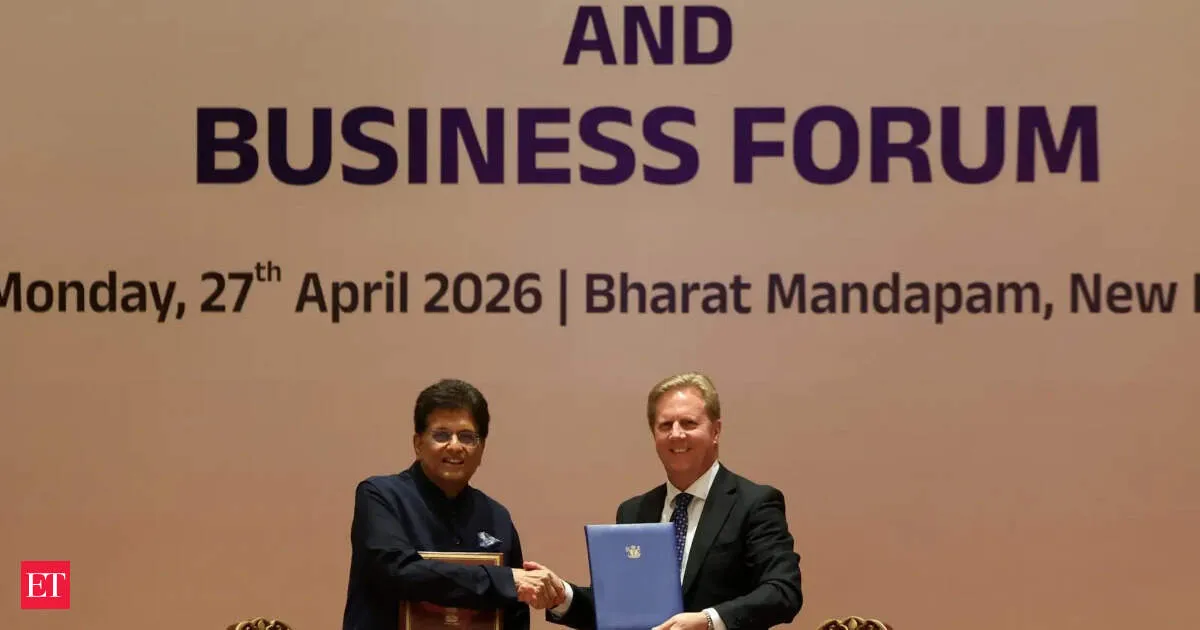
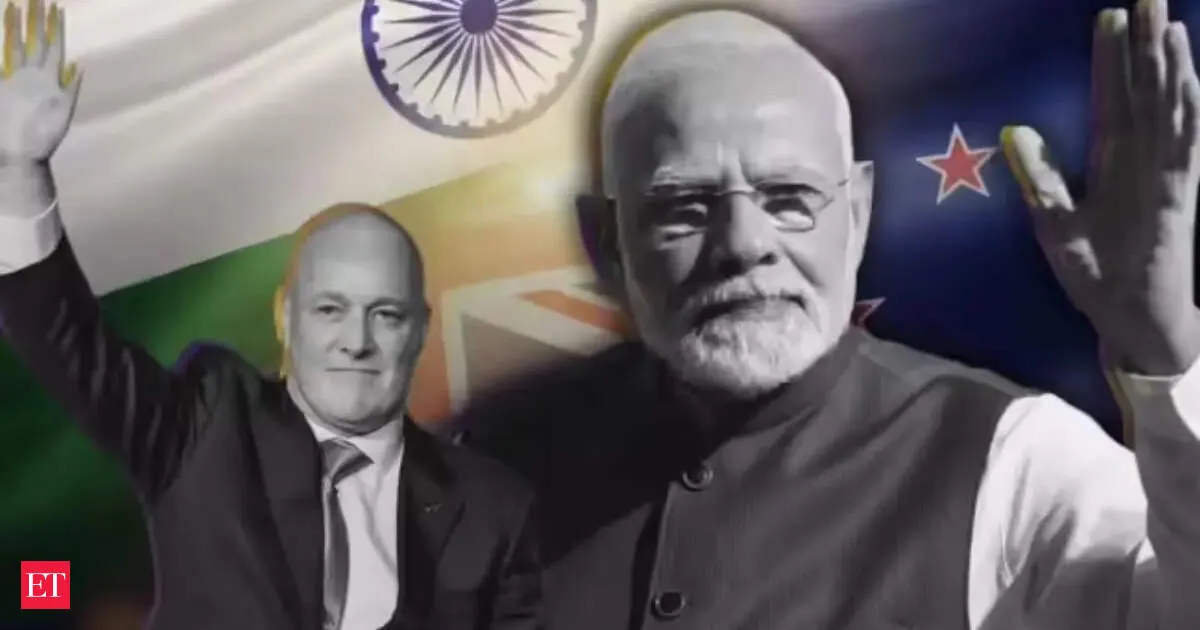
India and New Zealand have signed a major free trade agreement designed to expand bilateral trade in goods, services, and investment. The pact also enables more Indian professionals to work in New Zealand, while keeping sensitive sectors like dairy and agriculture protected through safeguards. Overall, officials expect the deal to significantly boost commerce and mark a new chapter in economic ties.
Follow your favourite sources
Track sources, tags and categories — all in the Beige app.
India and New Zealand have signed a landmark free trade agreement after about a decade of negotiations. The pact opens new routes for trade and investment, giving India duty-free access for multiple exports and expanding opportunities in services. In return, New Zealand secures immediate market access for over half of its exports to India, marking a major shift in bilateral commerce.
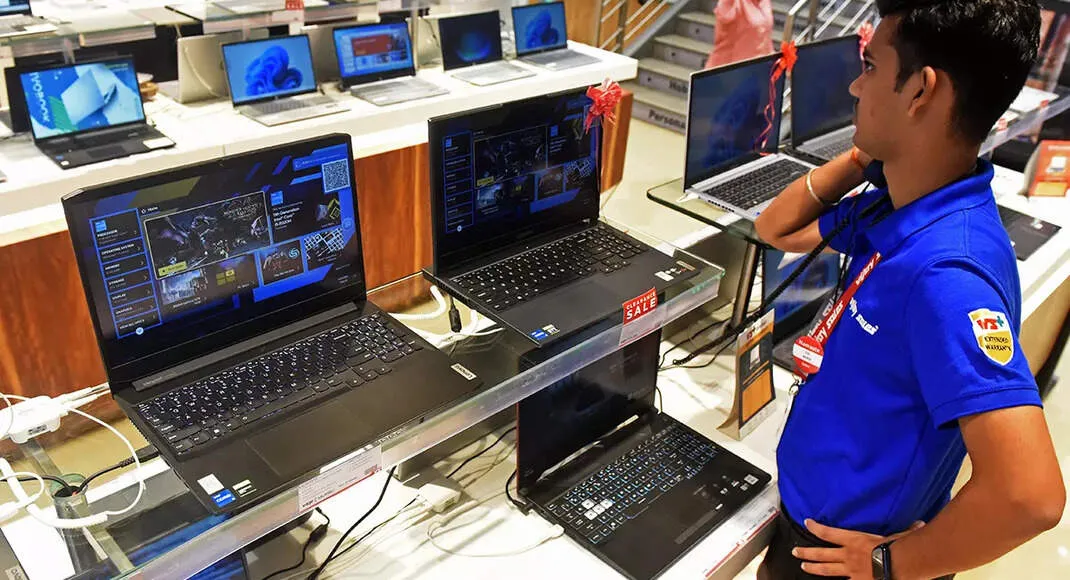
Global hardware companies are pushing to extend timelines for setting up local manufacturing in India for laptops, desktops, and tablets. While they aim to capture a fast-growing market, they’re concerned that India’s licensing rules and quota requirements may disrupt or delay investment and operations, forcing companies to rethink rollout schedules.
Indian engineering exports reached a record $122.43 billion in FY25-26, a milestone credited to government support and trade agreements. The sector posted strong growth even as geopolitical tensions and changing trade policies threatened demand. EEPC’s Chadha highlighted the industry’s resilience and ability to adapt quickly to shifting global conditions, keeping momentum strong into FY26.
Swipe through stories, personalise your feed, and save articles for later — all on the app.