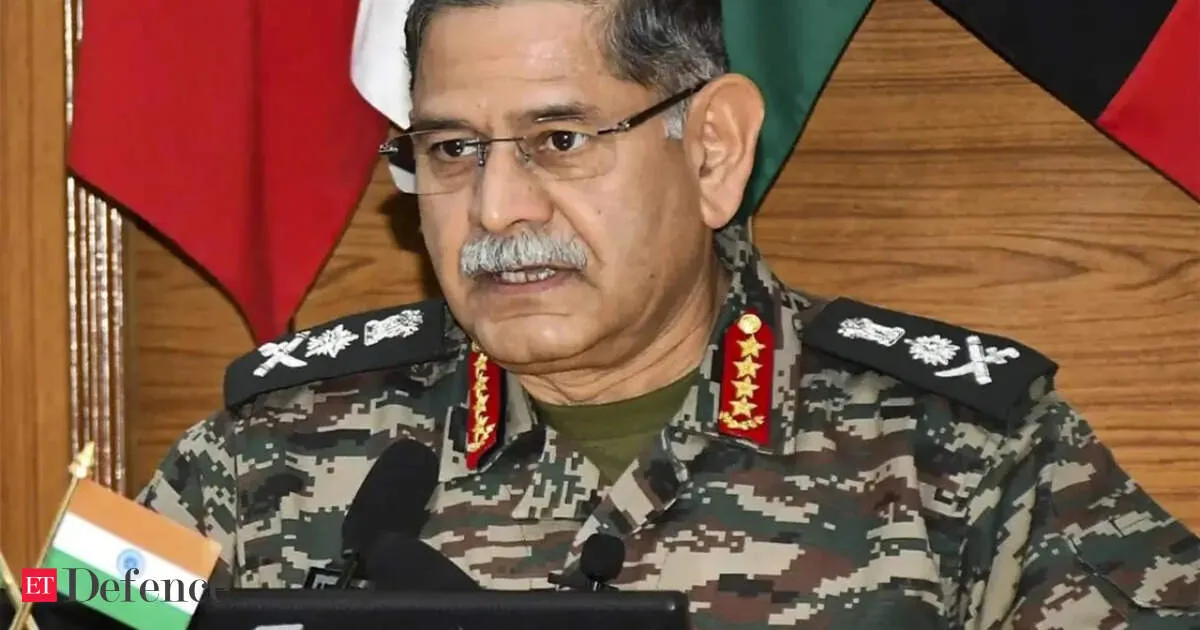
Indian Army chief Gen Upendra Dwivedi delivered a blunt message to Pakistan, saying that if Islamabad continues to harbour terrorists and operate against India, it must decide whether it wants to remain part of the “geography or history.” He spoke during an event days after India marked the first anniversary of Operation Sindoor, launched in early May last year as retaliation for the Pahalgam attack. The nearly 88-hour conflict included retaliatory offensives under the same operation, ending after an understanding.
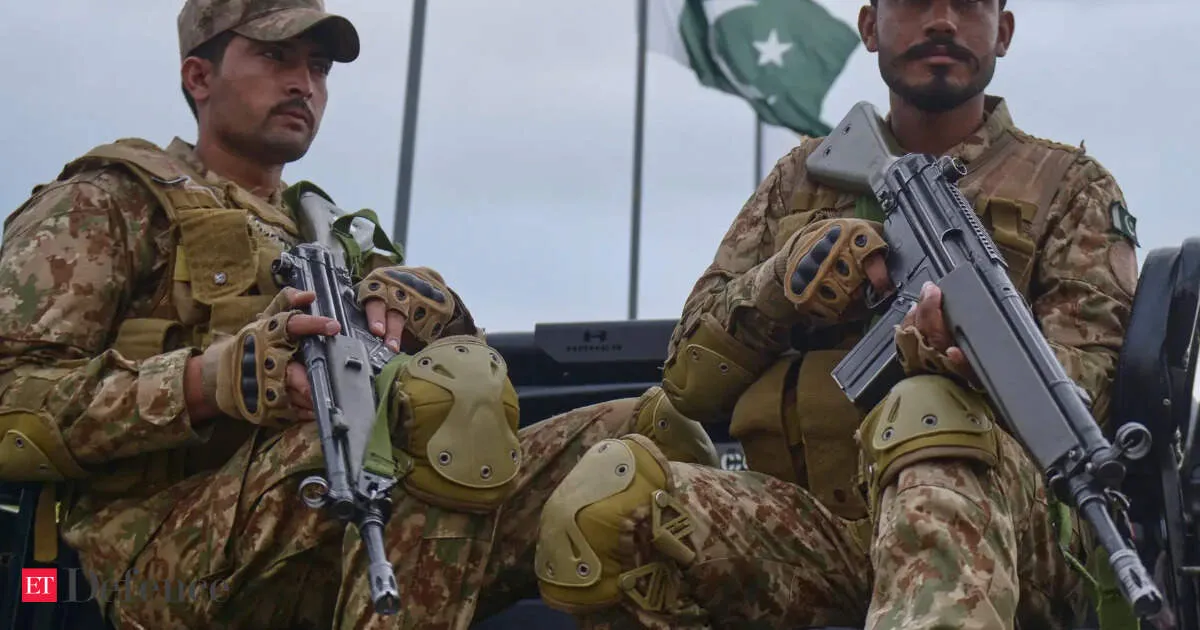
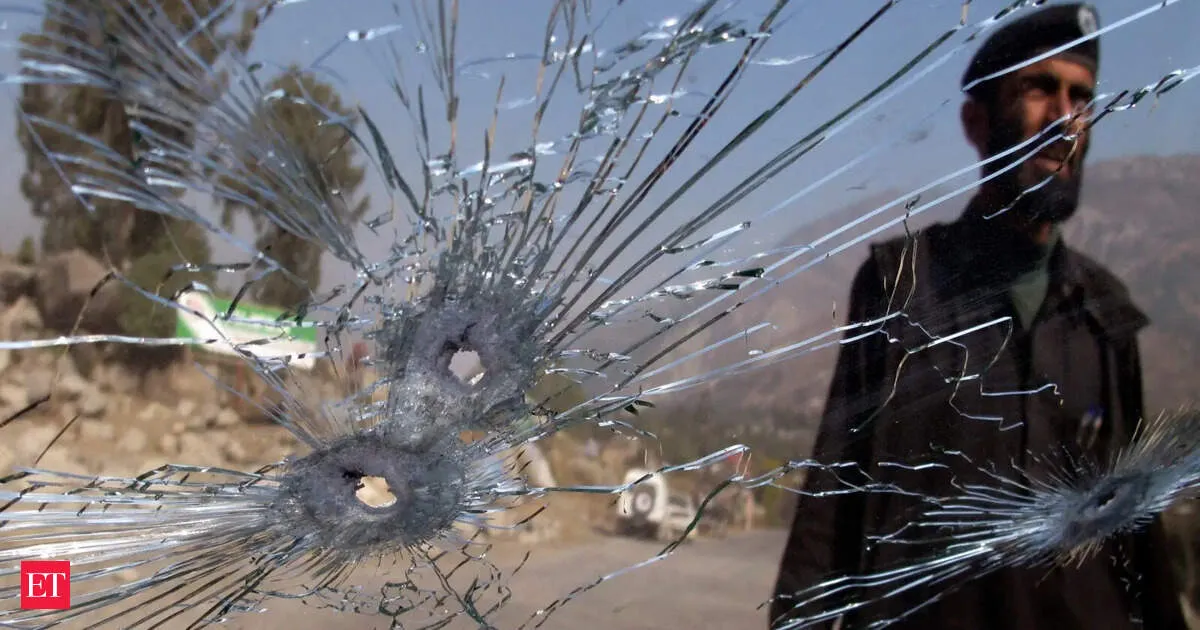
Militants in Pakistan’s northwest stormed a security outpost in Bajaur district, ramming an explosives-laden vehicle into the camp and then launching a gun battle. Officials said at least eight troops were killed and 35 injured after the Thursday night attack, which followed several militant incidents in recent days. Pakistan blamed Afghanistan for allegedly harboring militant groups, while Kabul rejected the accusation. The Tehreek-e-Taliban Pakistan claimed responsibility.
Your news, in seconds
Get the Beige app — every story in 60 words, updated hourly. Free on iOS & Android.
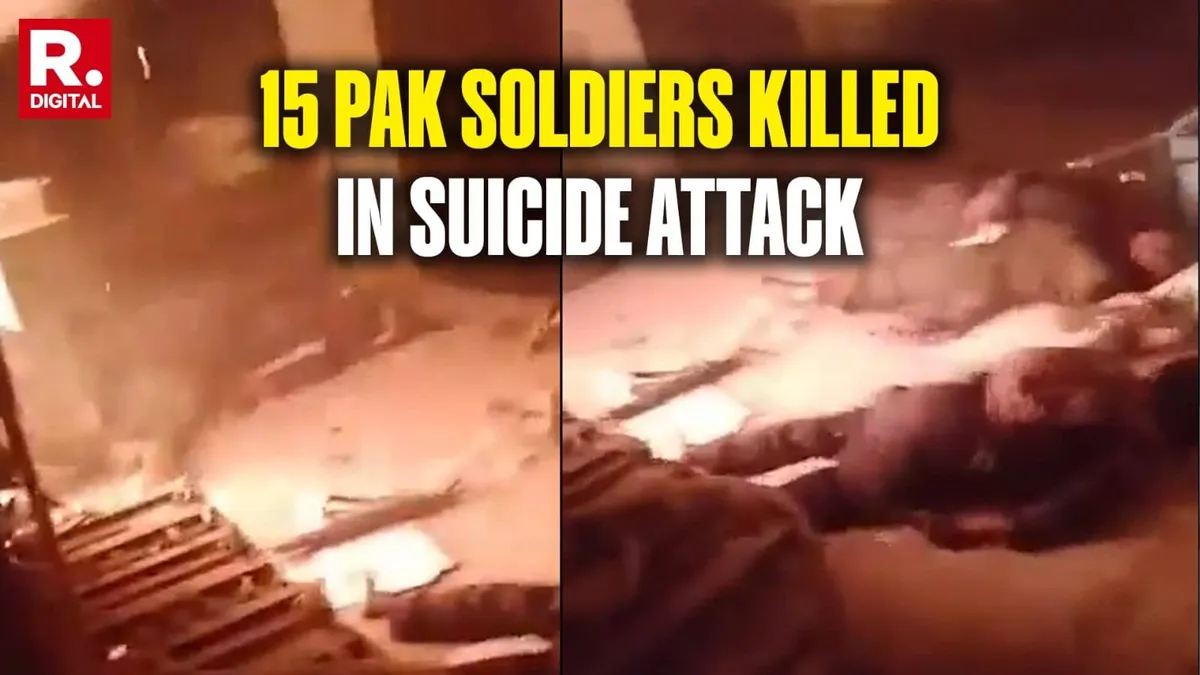
A suicide attack hit an army camp in Bajaur, Khyber Pakhtunkhwa, killing at least 15 Pakistani soldiers, according to initial reports. The incident reportedly began with a powerful explosion near the camp perimeter, followed by an armed assault in which terrorists used heavy weapons to storm the facility. Security forces responded, but details of the attackers’ casualties remain unconfirmed. Tehreek-e-Taliban Pakistan (TTP) claimed responsibility, citing its Special Istishhadi Force, its first official suicide claim since October 2025.
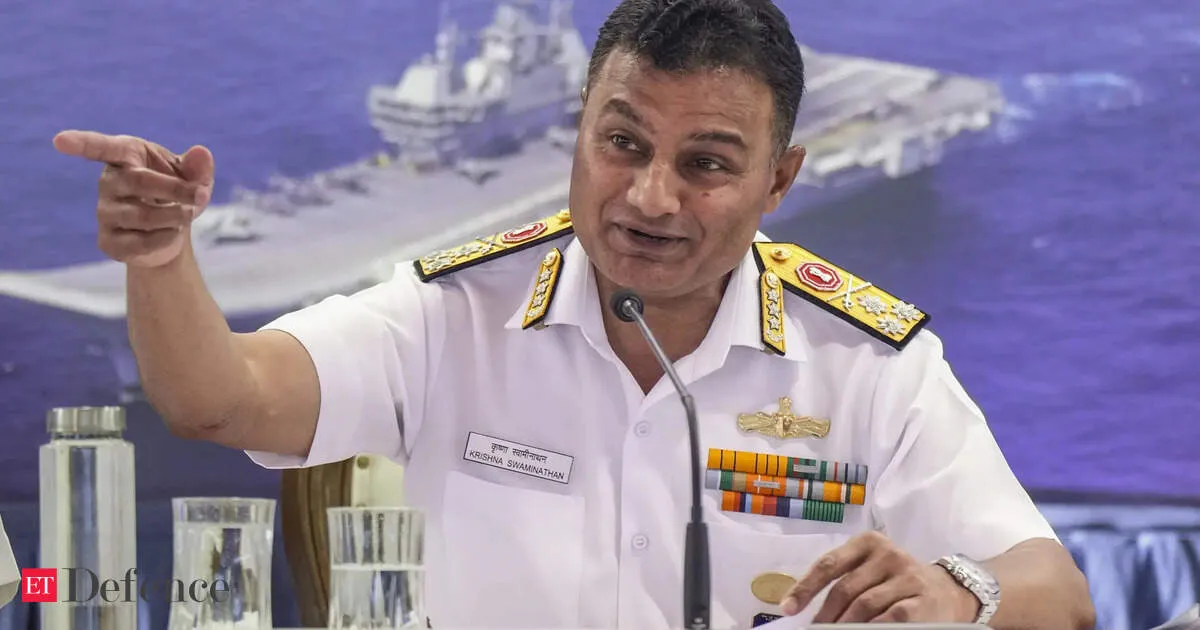
Vice Admiral Krishna Swaminathan, Navy chief designate and Western Naval Command flag officer commanding, said India is prepared to “quell” any misadventure originating across the border. He stressed that India has been a victim of terrorism “for several years” and cannot accept such activity, especially when it comes from foreign soil. He defended Operation Sindoor, launched after the 2025 Pahalgam attack, saying it targeted terrorist camps and infrastructures in Pakistan and Pakistan-occupied Kashmir to ensure India negotiates terrorism from strength.
The National Investigation Agency has filed a 7,500-page chargesheet in the Red Fort car bomb explosion case, where 11 people were killed in last year’s high-intensity blast. The NIA names 10 accused tied to Ansar Ghazwat-ul-Hind, described as an Al-Qaida offshoot, and says the probe uncovered a major jihad conspiracy involving radicalised medical professionals.
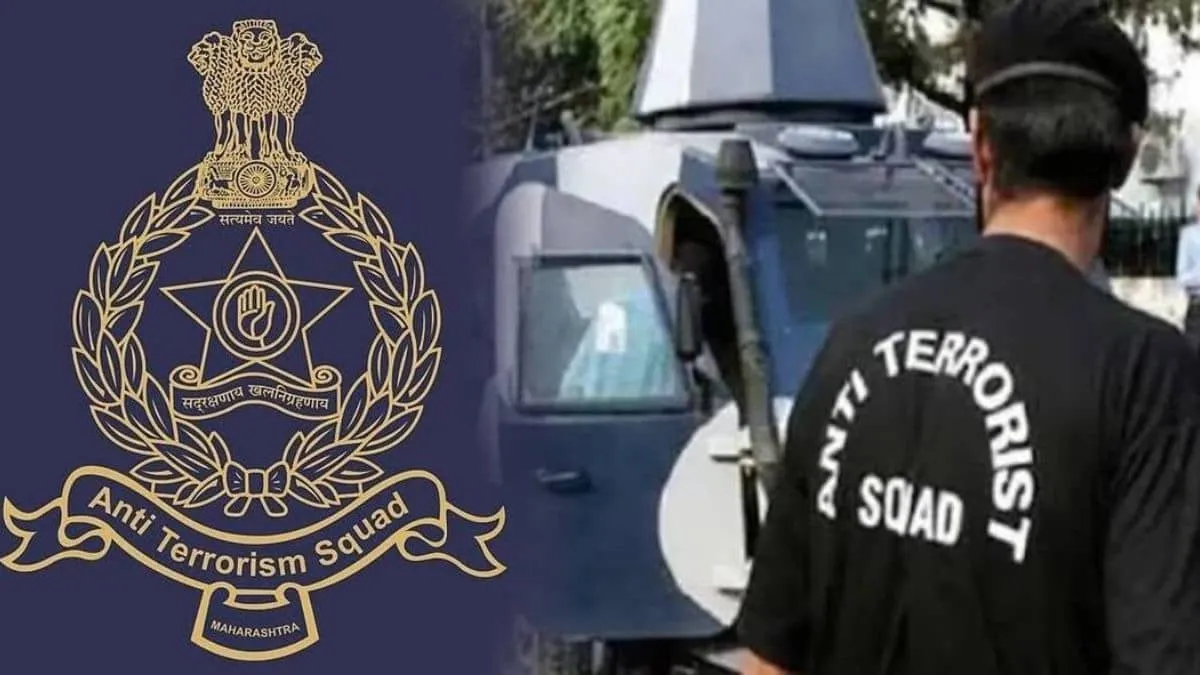
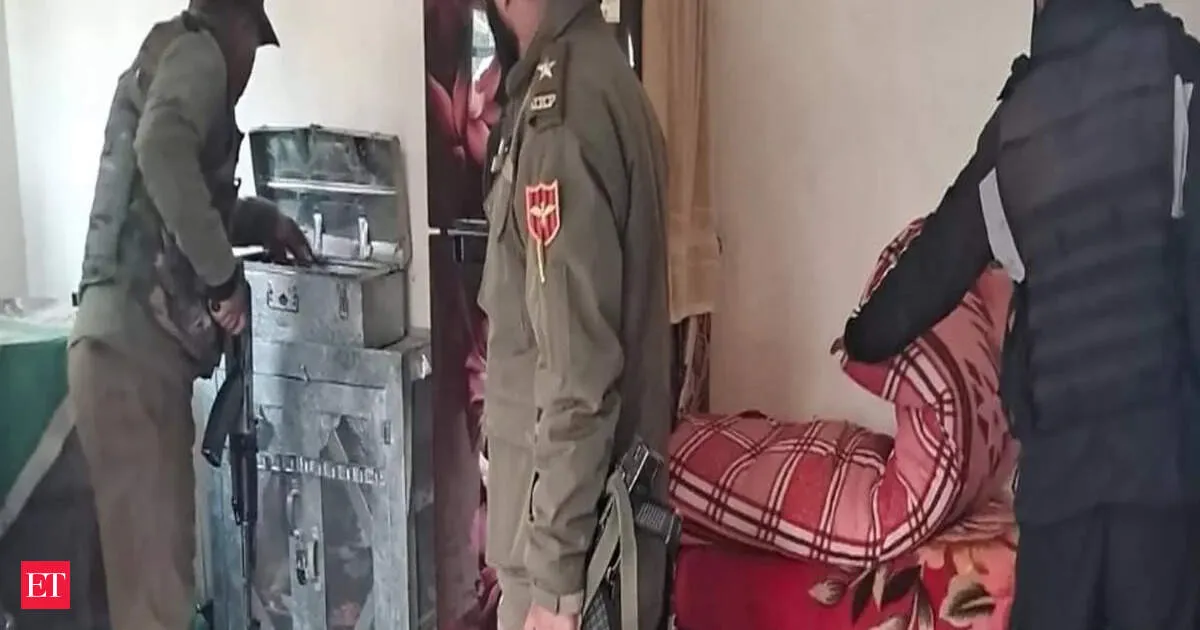
The Maharashtra Anti-Terrorism Squad (ATS) launched a large-scale operation at 8 AM with simultaneous raids across multiple cities. Officials say the crackdown targets alleged associates of Pakistan based gangster Shahzad Bhatti and the Dogar Gan network, with investigators pointing to cross border criminal influence and recruitment of urban and rural youth through digital platforms.
Never miss a story
Set alerts for the topics and sources you care about. Download Beige for free.
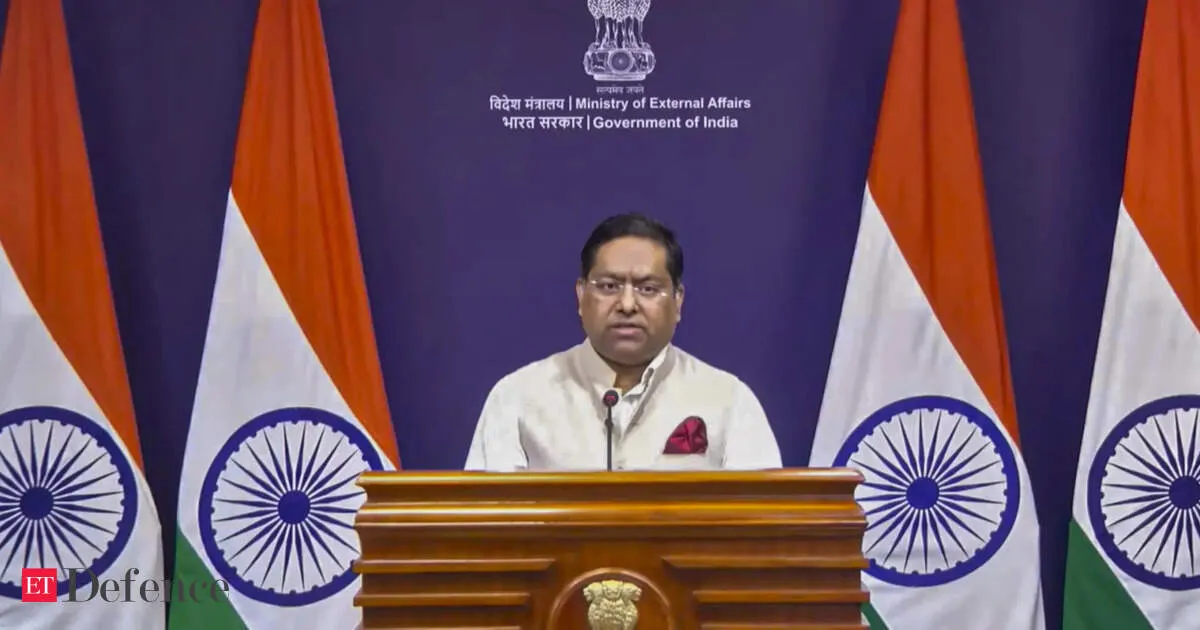
India hit back at China after reports suggested Beijing backed Pakistan during Operation Sindoor, warning that countries shielding terror infrastructure must consider reputational fallout. The MEA said the claims match earlier knowledge and defended the operation as a calibrated response to the Pahalgam terror attack, framing it as a necessary security measure.
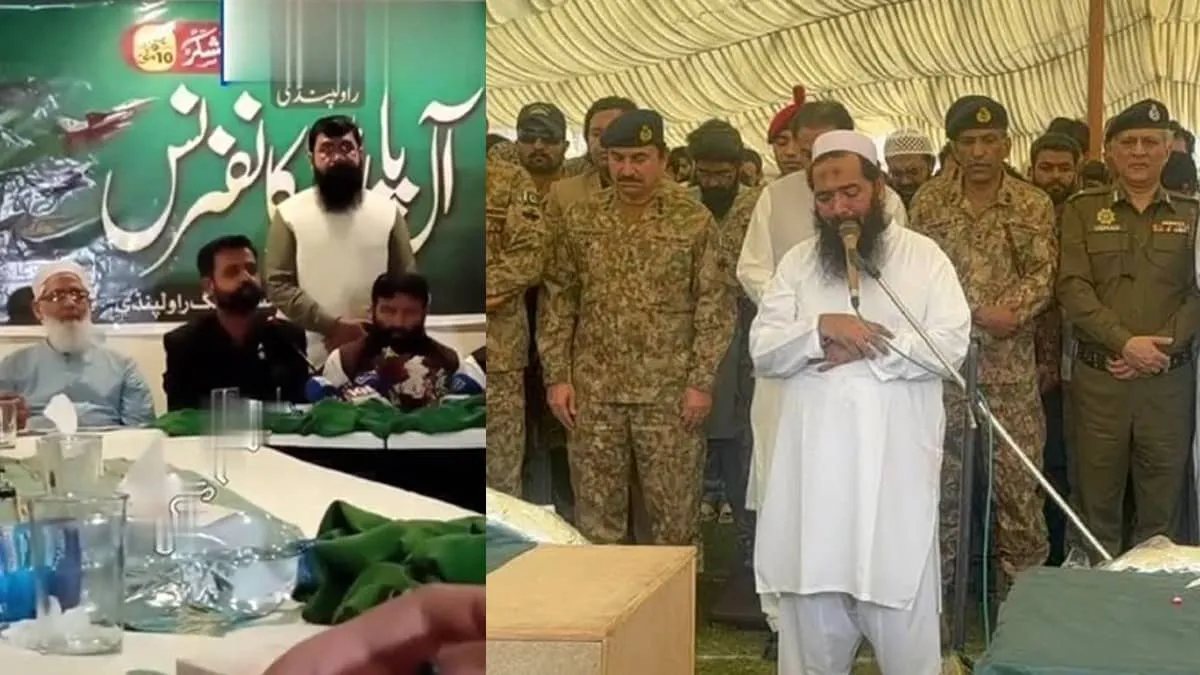
Pakistan’s Balochistan province saw the death of Mir Shukr Khan Raisani, a senior Lashkar-e-Taiba figure linked to recruitment and radicalisation. Sources report he was found dead in Quetta under unclear circumstances. Adding to the mystery, he is said to have attended a pro-Pakistan Army programme organised by the terror outfit a day before his death, raising fresh questions for investigators.
In Jammu and Kashmir, security agencies say terror networks are shifting to encrypted messaging apps to coordinate while bypassing traditional surveillance. During interrogation of a Lashkar-e-Taiba operative, investigators cited platforms including BBM, Element, Threema, and Dust. The move underscores how rapidly terror groups are adapting—and why encrypted communication creates tough cybersecurity and monitoring challenges for authorities.
Security forces in Pakistan’s Khyber Pakhtunkhwa province killed five terrorists in coordinated operations in Tank and Dera Ismail Khan. Four Tehreek-e-Taliban Pakistan members were killed in Tank and one in Dera Ismail Khan, with weapons and ammunition recovered. The action follows a recent uptick in attacks targeting security personnel across the region.
Reading on mobile?
Open Beige in the app for a smoother experience — free on iOS and Android.
India’s top military officials have asserted that no terrorist safe haven in Pakistan is secure. They say India will decide the timing and method of any strike, and that terrorism will face consequences without “misadventure” going unanswered. The officials pointed to Operation Sindoor as setting a new response standard, crediting indigenous weapon systems and claiming Pakistan suffered major losses.
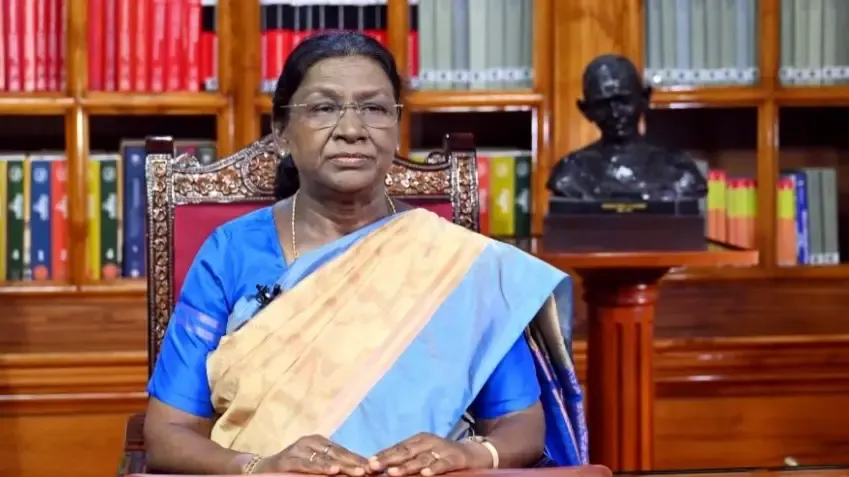
President Droupadi Murmu on Thursday marked the first anniversary of Operation Sindoor, launched after the Pahalgam terror attack that killed 26 people. She praised the armed forces for their firm action against terrorism and said the operation exemplifies India’s commitment to national security. The remarks highlighted the link between the tragic attack and the military response that followed.
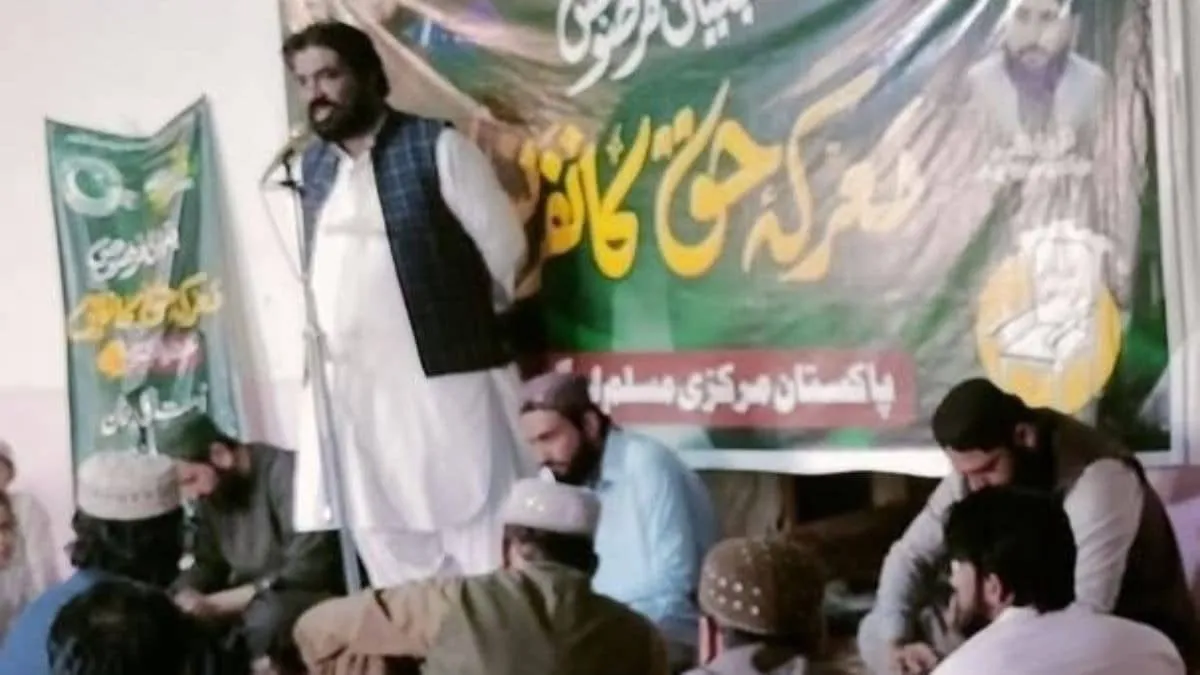
A viral clip shows Pakistani politician Shaheer Sialvi, chairman of the Pakistan Nazriyati Party, admitting that the Pakistani Army provided uniformed military funerals and honours for operatives killed in India’s “Operation Sindoor.” He made the remarks at a Lashkar-e-Taiba event in Rawalpindi, naming figures tied to Hafiz Saeed and Masood Azhar’s networks and framing the killings in India’s retaliatory strikes against terror hubs.
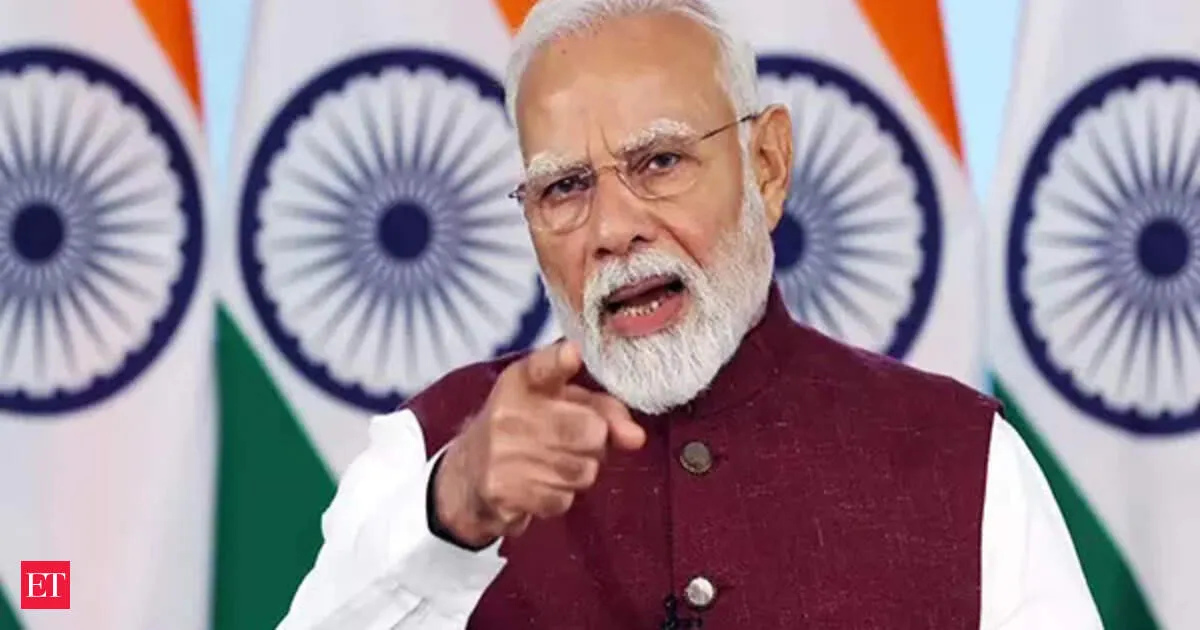
On the anniversary of Operation Sindoor, Prime Minister Narendra Modi praised the Indian armed forces for their courage and precision. He said the operation acted as a strong response to the Pahalgam terror attack, reflecting India’s firm stance against terrorism and its commitment to national security. The nation marked the day to honor the bravery and resolve of the forces.
Follow your favourite sources
Track sources, tags and categories — all in the Beige app.
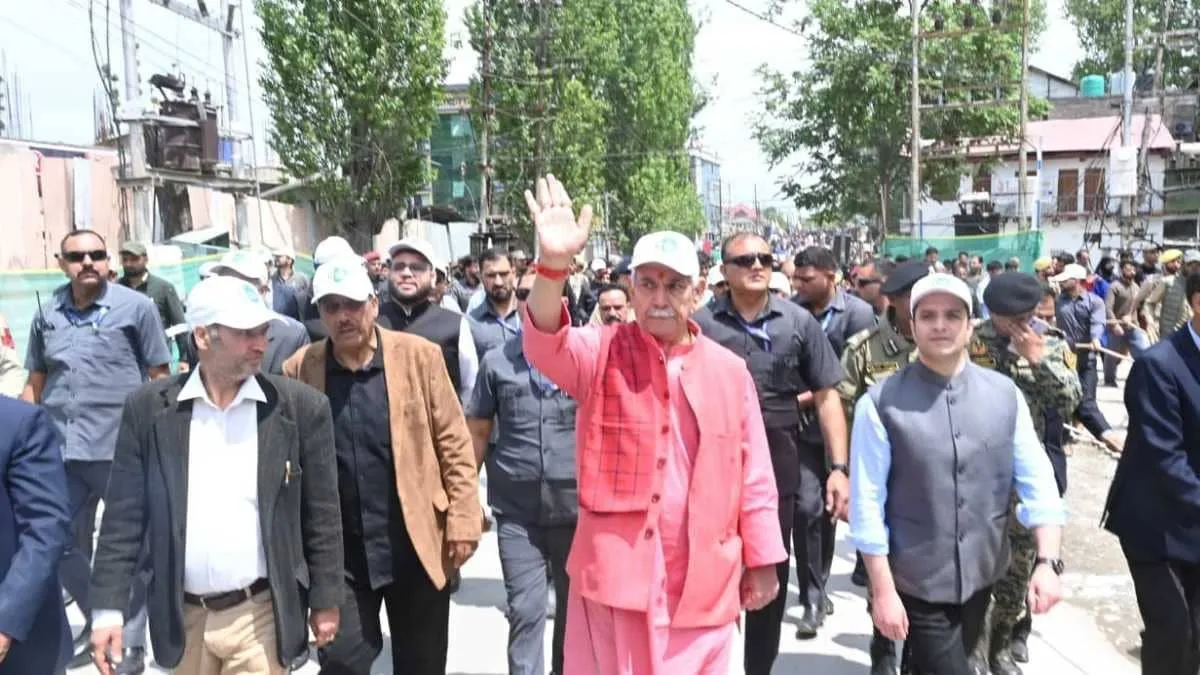
Lieutenant Governor Manoj Sinha joined a people’s movement in Budgam, calling for the administration, police and civil society to work together to wipe out narcotics and protect youth. He warned that drug trafficking in Jammu and Kashmir is not just a health challenge but a national security crisis, alleging narcotics smuggled into the region help fund terrorism and radicalization as police attach property worth Rs 1.20 crore.
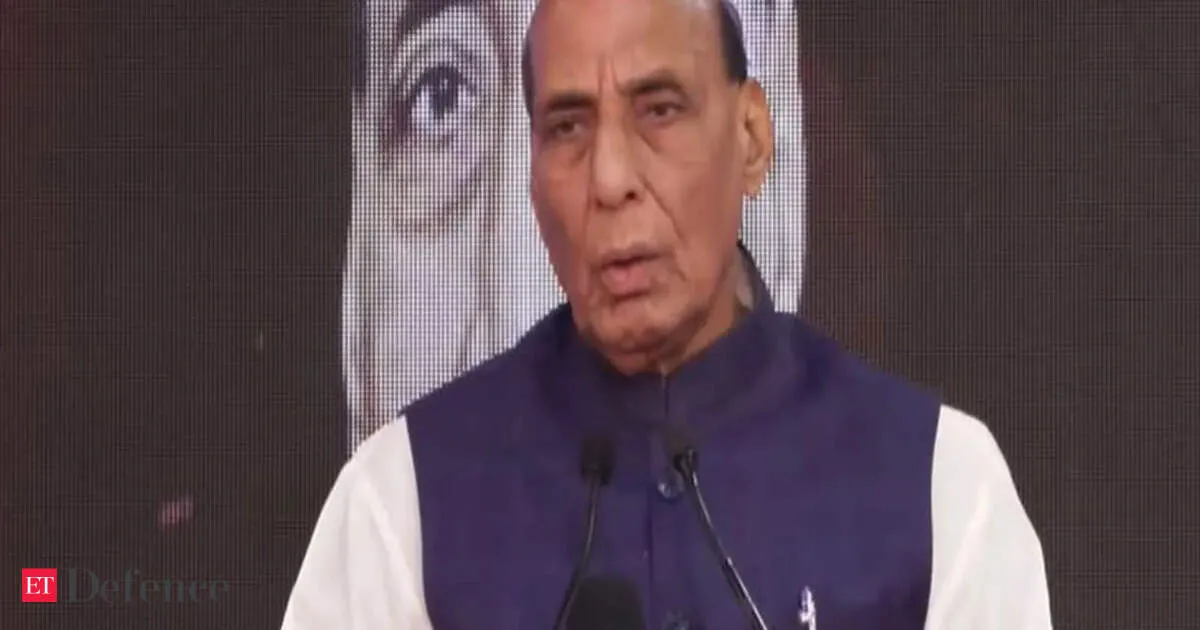
Defence Minister Rajnath Singh says India’s struggle against terrorism is anchored in protecting humanity’s core values, not slogans. He points to a shift toward decisive action, citing Operation Sindoor as a showcase of India’s integrated military capability. Singh adds that India has taken a tougher stance against terrorism and its sponsors, while defence exports continue to rise.
Defence Minister Rajnath Singh said India voluntarily stopped Operation Sindoor and was prepared for a prolonged conflict with Pakistan. Calling Pakistan the epicentre of international terrorism, he argued that tackling terrorism requires uprooting its ideological and political foundations. Singh also pointed to India’s growing military capabilities, signaling a broader push for readiness and deterrence in the region.
Pakistan’s Army has intensified precision strikes along the Afghanistan border, targeting Afghan Taliban and TTP Fitna al-Khawarij positions after claims of unprovoked aggression. Taliban officials have urged an immediate end to hostilities as humanitarian concerns grow. The cross-border operations have reportedly resulted in civilian casualties and displacement, raising fears of further escalation.
Stay informed on the go
Bite-sized news from 100+ trusted sources, right in your pocket.
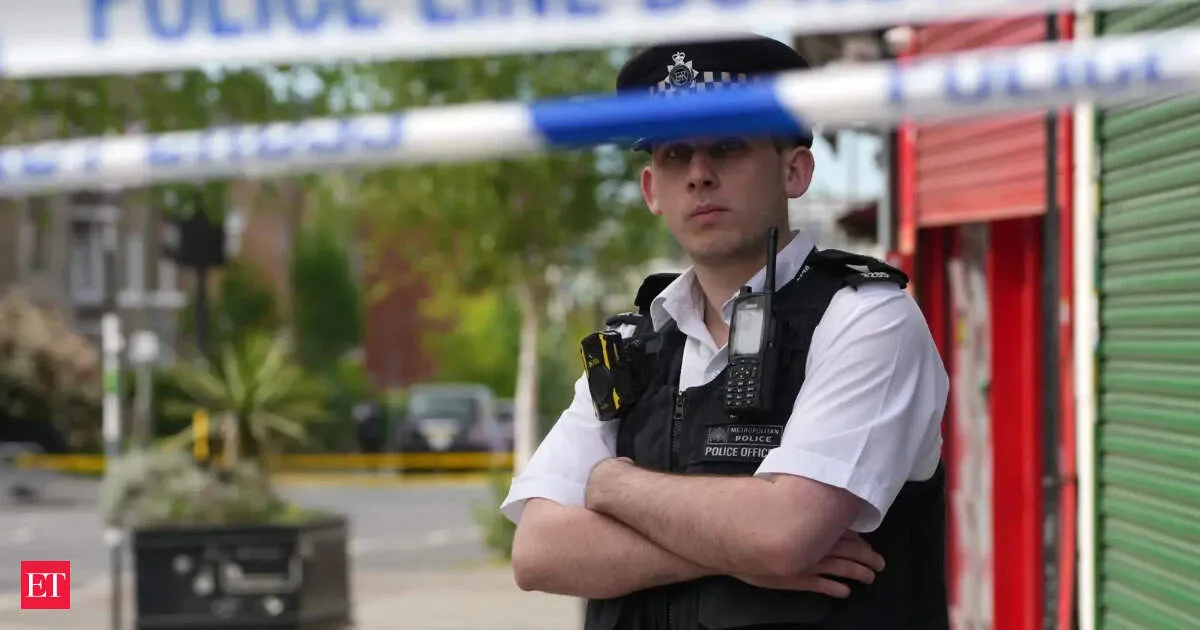
Two Jewish men were stabbed in north London, and police have arrested a 45-year-old man after a chase. Authorities are treating the attack as terrorism, amid rising antisemitic violence in the UK. Jewish community leaders and Israeli officials have urged urgent action. The suspect is reported to have a history of violence and mental health issues.
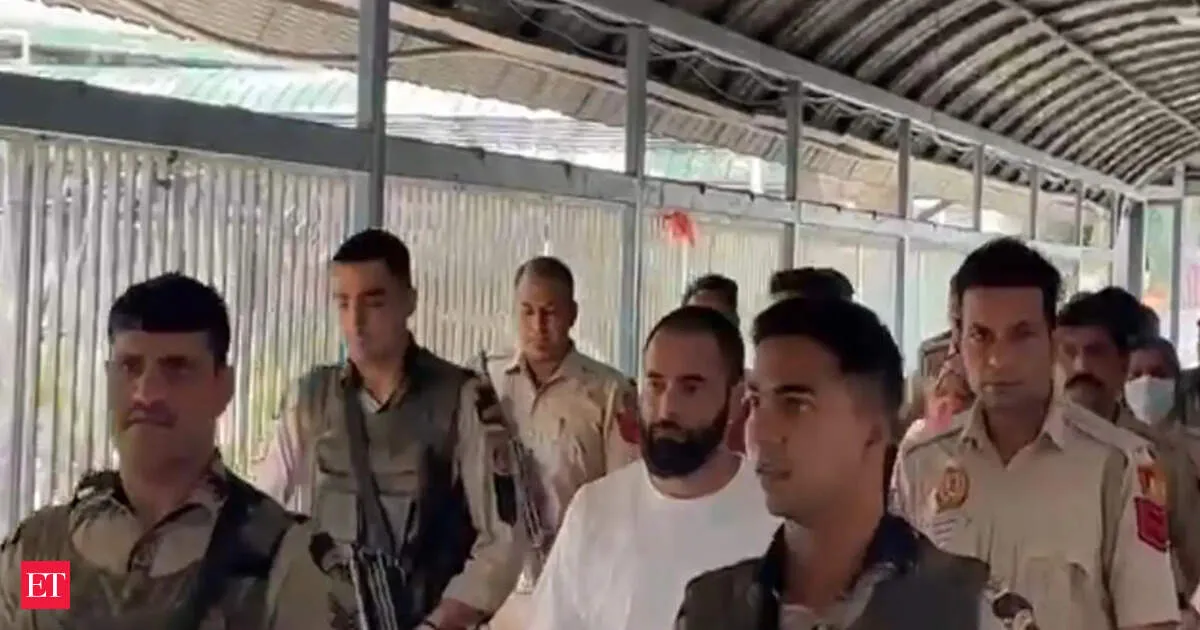
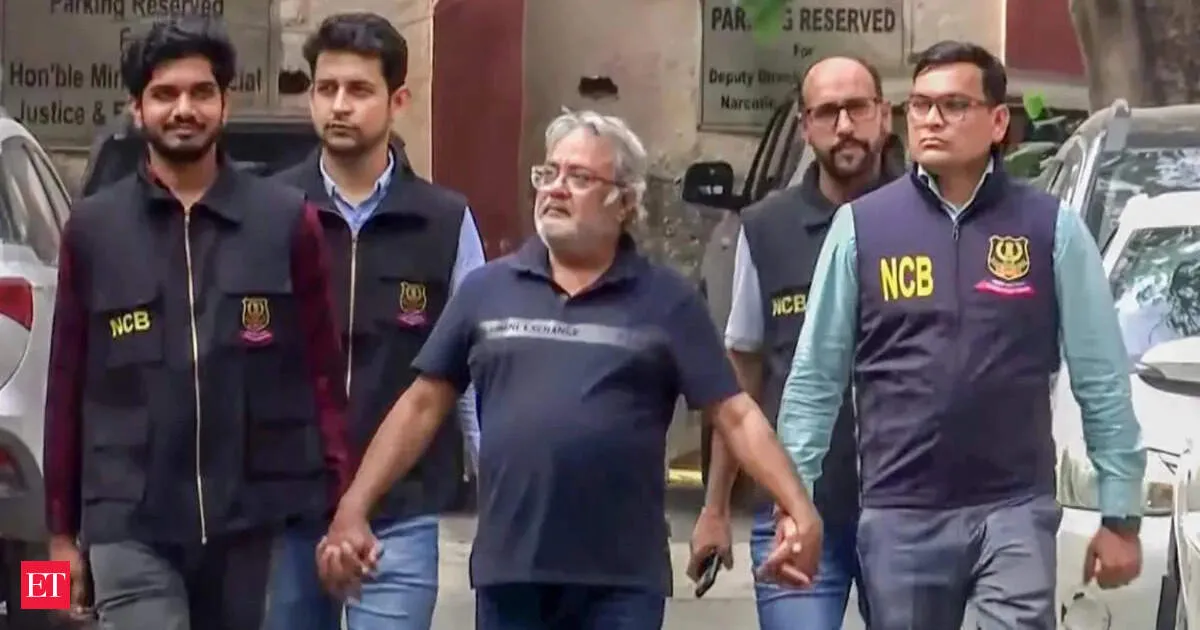
Turkey deported Salim Dola, linked to Dawood Ibrahim and accused of drug trafficking, to India after close coordination between their security agencies. The move came soon after foreign office consultations in which India pressed concerns over cross-border terrorism. Analysts say it signals warming cooperation between Ankara and New Delhi on security and enforcement.
Swipe through stories, personalise your feed, and save articles for later — all on the app.