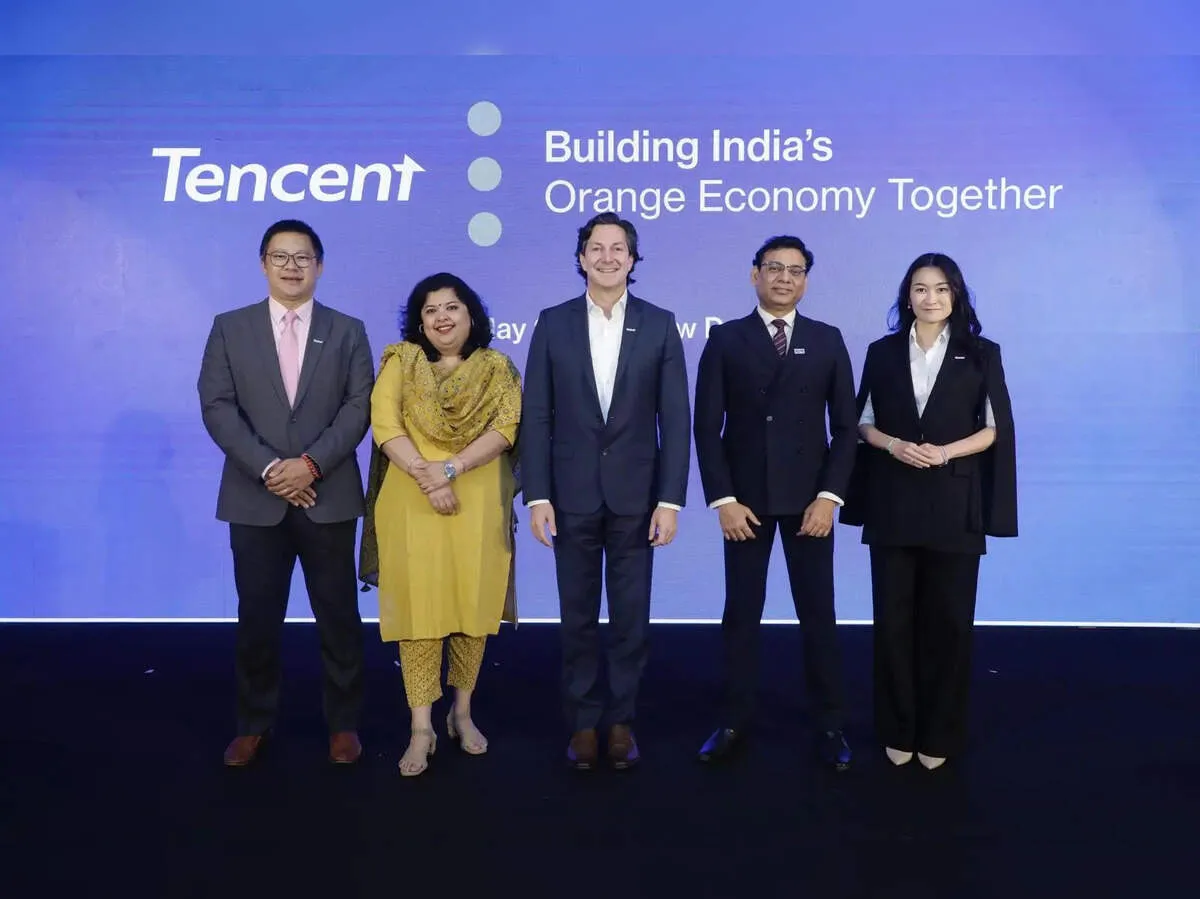
Tencent has announced strategic partnerships in India with SEPC and the Game Developer Association of India (GDAI), aiming to bring globally successful games to players while constructing a stronger local talent ecosystem. The company says its work includes a major push on export scale-through SEPC’s mandate and Tencent’s distribution reach, alongside a separate three-year MoU with GDAI. Plans include a National Game Jam drawing 10,000+ students annually, training of instructors, studio incubation, and conference participation, backed by India’s growing AVGC workforce needs.
Tencent has announced a multi-year commitment of more than Rs 10 crore to build skills and mentorship in India’s AVGC sector—animation, visual effects, gaming, and comics. Through MoUs with SEPC and GDAI, it plans industry training, grassroots developer engagement, and international collaboration. The push is designed to strengthen India’s “Orange Economy” and support job creation, with a national goal to train and employ two million professionals by 2030.
Your news, in seconds
Get the Beige app — every story in 60 words, updated hourly. Free on iOS & Android.
Tencent Holdings reported a first-quarter revenue and net profit that fell short of market expectations, even as gaming revenue rose on the back of popular titles and online advertising gained. The company’s sharper focus is on artificial intelligence, including the launch of its advanced Hunyuan 3.0 large language model, signaling a bid to catch up with major rivals.
Tencent reported a 21% jump in quarterly net profit to 58.1 billion yuan, crediting its heavy push into artificial intelligence. The company is racing to upgrade its models and may expand into startups, even as AI spending rises and weighs on margins. The latest results highlight how bets on AI are now translating into shareholder gains.
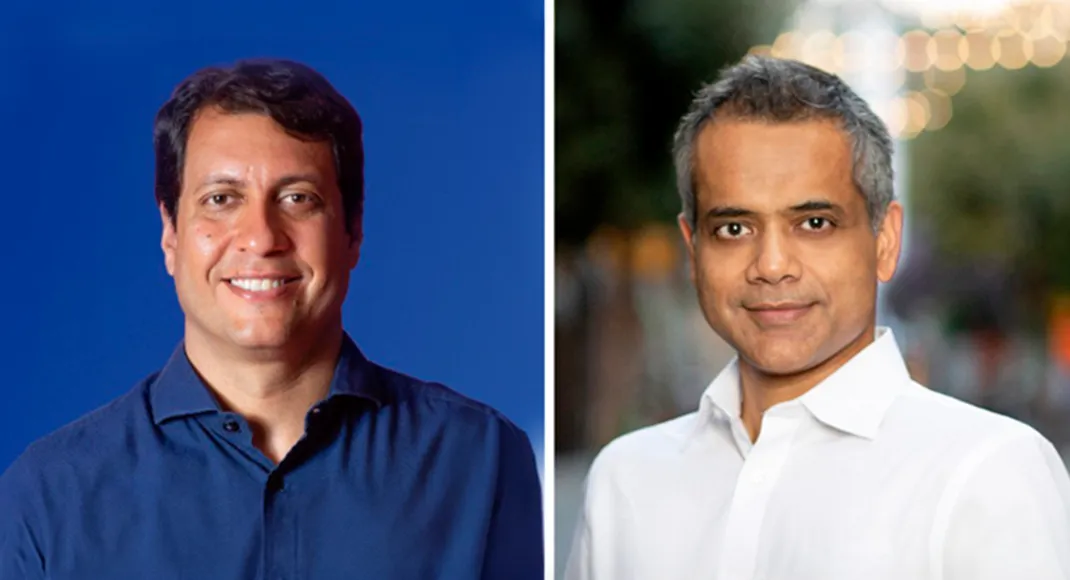
Tencent has exited PB Fintech completely, selling its entire 1.05% stake for ₹805.4 crore through a block deal. The sale involved offloading 48.4 lakh shares at ₹1,664 each, bought by funds including HDFC Mutual Fund and Morgan Stanley. Tencent’s stake has been steadily falling since 2019, as PB Fintech’s profits and revenue climb despite mixed share performance.
Prosus, the Dutch investor backed by Tencent that has poured about $8 billion into India, is moving beyond bets into a more aggressive AI-led strategy. With milestones like the Swiggy IPO boosting confidence, it’s launching a new initiative built around a partnership and a ground-up approach—drawing attention for its unusual, talent-driven spark.
Never miss a story
Set alerts for the topics and sources you care about. Download Beige for free.
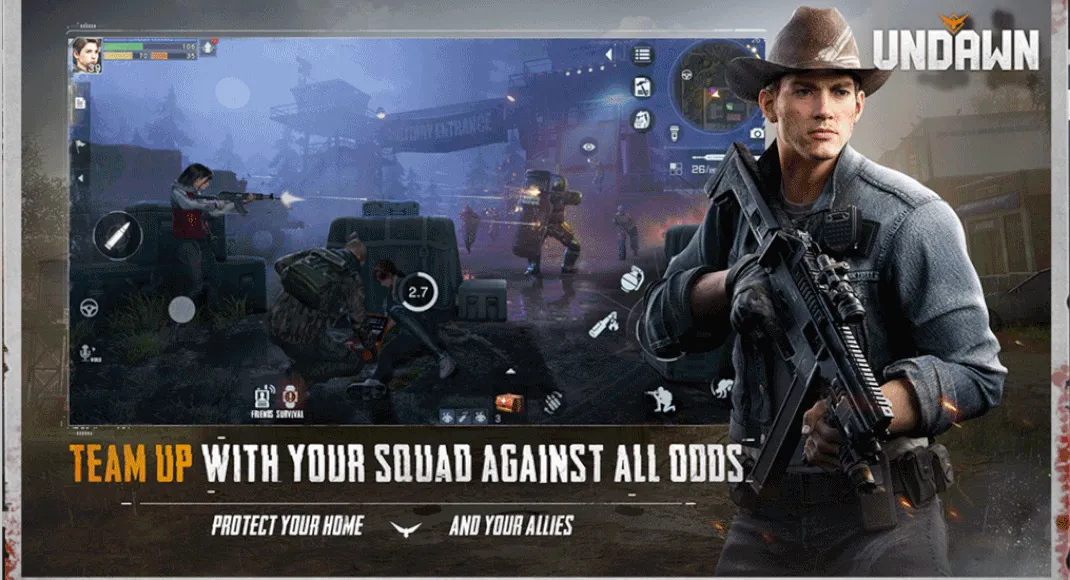
An Assam-based NGO is urging a ban on Undawn, the Tencent-backed game, calling it a threat to India’s sovereignty. But the move also highlights a key challenge: banning apps alone often can’t guarantee users lose access. Policymakers may need smarter, broader measures focused on content, compliance, and enforcement rather than relying on blocks.
Tencent and Alibaba are reportedly discussing an investment in AI startup DeepSeek, targeting a valuation above $20 billion. The talks underscore how costly cutting-edge AI development has become, with the final terms still under negotiation. DeepSeek’s earlier model release drew worldwide attention, raising expectations around what new funding could enable next.
Swipe through stories, personalise your feed, and save articles for later — all on the app.