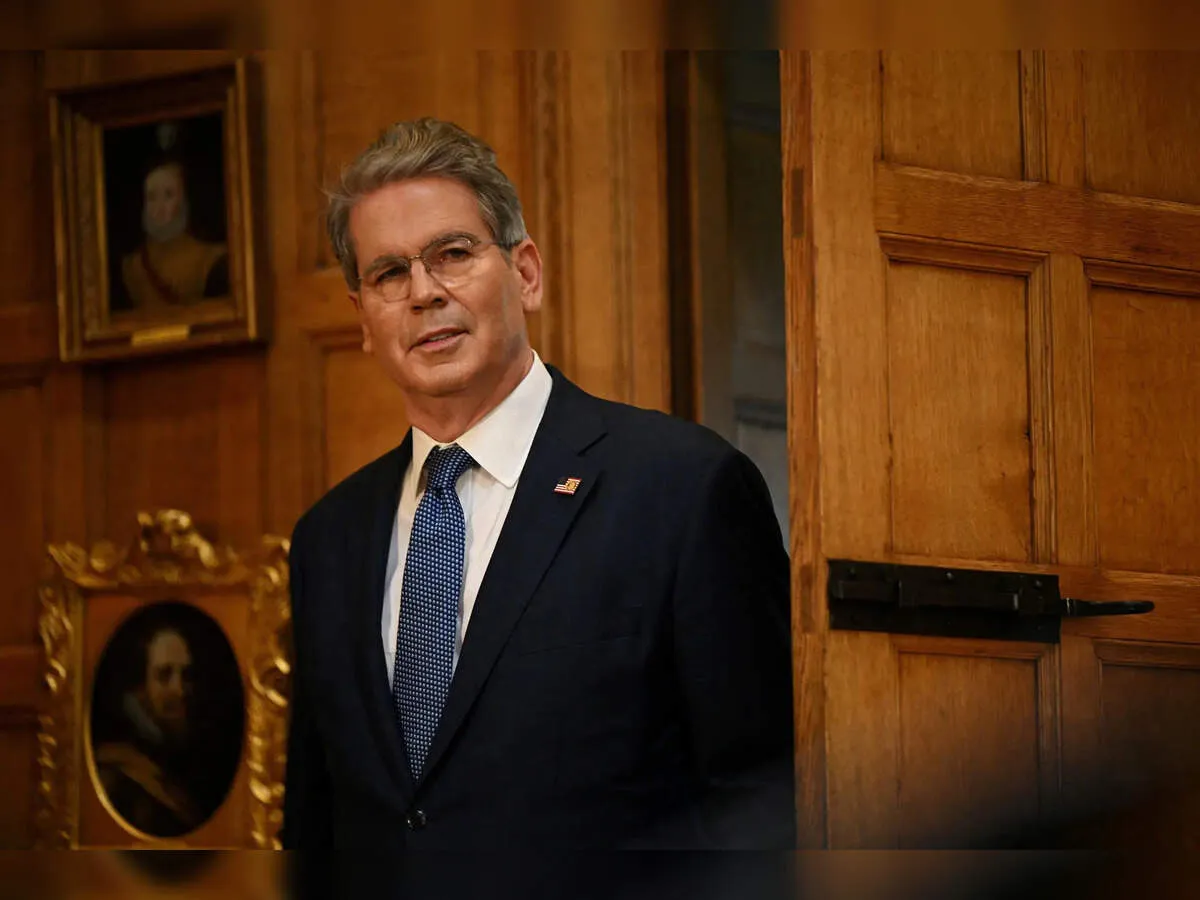
A senior US official told India and the US to pursue AI through openness while avoiding dependencies on adversarial nations. Speaking at the US-India AI and Emerging Technology Forum, Bethany Morrison said the goal is to give regional countries access to world-class technology and integrate it into society, delivering value for people. She linked AI progress to interoperability and security, noting private-sector AI investment has already surged, with significant funds directed to US companies.
US Treasury Secretary Scott Bessent says Washington and Beijing are discussing “AI guardrails” and a joint “protocol” for the technology’s future. The aim, he said, is to ensure non-state actors cannot get hold of powerful AI models amid rising calls for regulation. Bessent framed it as protection, not stifling, and said the US will rely on “US best practices, US values” while sharing an approach globally. The talks come during Trump’s Beijing visit alongside major tech leaders.
Your news, in seconds
Get the Beige app — every story in 60 words, updated hourly. Free on iOS & Android.
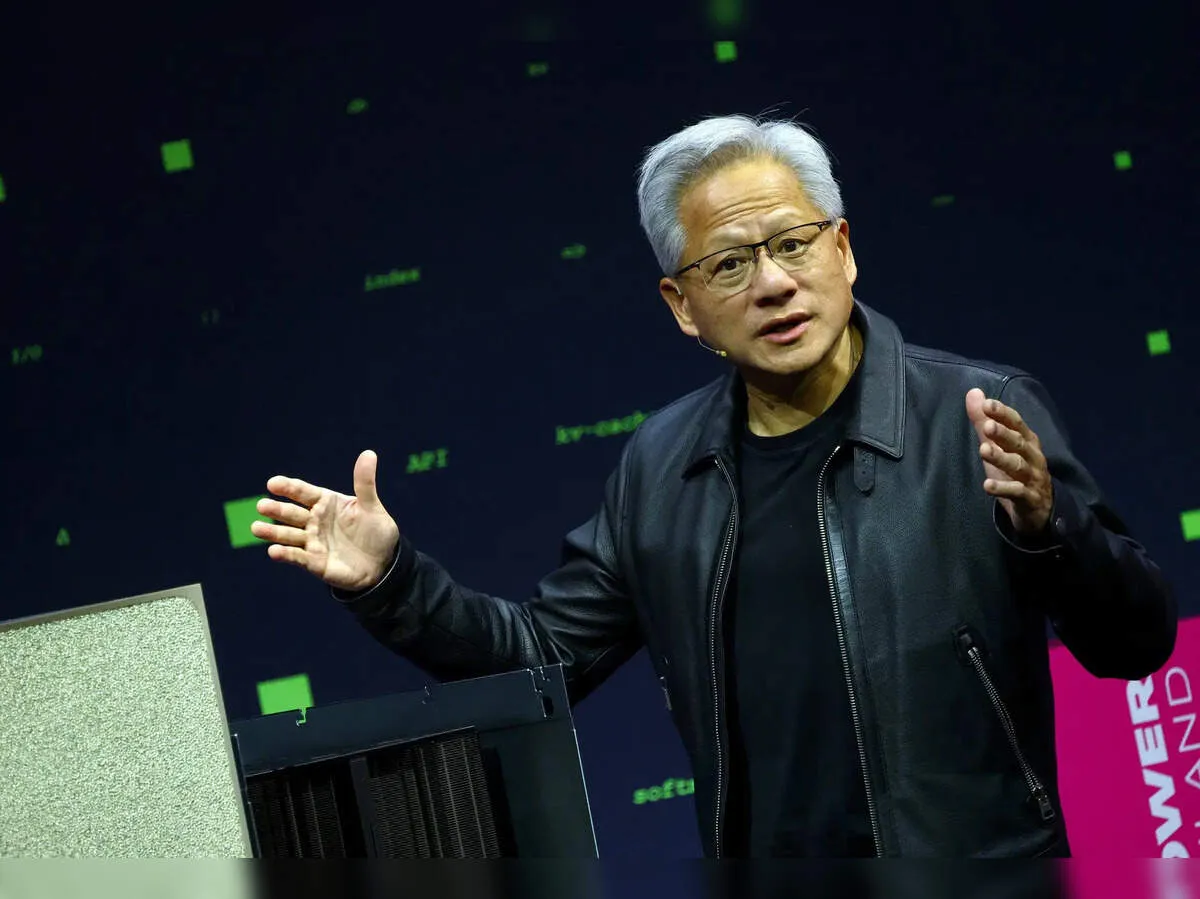
Nvidia CEO Jensen Huang met Chinese President Xi Jinping and voiced hopes for better US China ties. The backdrop is tougher: Nvidia says it faces challenges supplying advanced AI chips to Chinese clients, a constraint that could slow China’s AI development efforts. Huang’s remarks highlight how geopolitics and chip controls are reshaping global AI supply chains.
Meta Platforms will let rival AI chatbots access WhatsApp for free for one month, as the company negotiates commitments with EU antitrust regulators. The European Commission signaled it could require Meta to open access. Earlier, Meta limited its own AI assistant to WhatsApp, then floated charging rivals—now it appears to be backing down.
EU lawmakers and member states have agreed to ban AI systems that generate sexualized deepfakes, targeting humiliation and exploitation. The rollout of high-risk AI rules has been pushed to late 2027 and 2028, aiming to give businesses time and encourage innovation. The bloc is also tackling cybersecurity risks tied to increasingly advanced AI models.
China is moving fast from lab research to everyday AI use, with citizens and businesses adopting tools for daily work and services. Companies are building and commercializing AI applications, while the country keeps pouring money into R&D despite US export controls. The result could be a shift in global AI practices as China positions itself as an innovation leader.
Never miss a story
Set alerts for the topics and sources you care about. Download Beige for free.
India’s IT Ministry is proposing stricter AI-generated content rules requiring labels to be continuous and clearly visible. The goal is to boost transparency and strengthen platform accountability, but experts warn it could be difficult to implement, raise costs for creators, and affect creative freedom and user experience. Industry stakeholders are split on whether the trust benefits outweigh the practical burden.
India’s Ministry of Electronics and Information Technology has formed a new Technology and Policy Expert Committee to support the country’s AI Governance and Economic Group. Bringing together academics and industry leaders, the committee will provide both technical and policy guidance, helping the government craft AI regulations and manage international engagement with more informed decision-making.
India is positioning itself to lead the 6G revolution, but the path is far from smooth. From aligning research timelines and talent pipelines to securing the right spectrum and building industrial scale, multiple gaps could slow progress. The key question is whether current plans can translate ambition into real 6G readiness before global rivals lock in leadership.
India is moving toward digital radio broadcasting, aiming to upgrade how stations deliver audio to listeners. The push raises urgent questions about rollout readiness, device availability, and network coverage across cities and rural areas. While the promise is clearer sound and better services, the real test will be whether audiences can switch smoothly.
Reading on mobile?
Open Beige in the app for a smoother experience — free on iOS and Android.
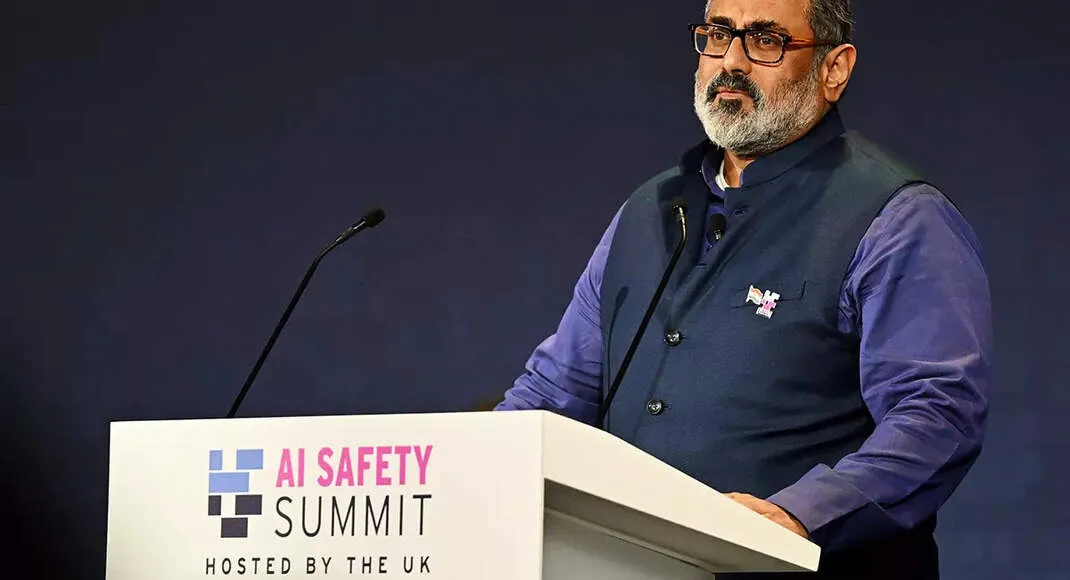
The first Artificial Intelligence Safety Summit took place at London’s Bletchley Park, drawing major AI powers to begin a new era of cooperation on regulation. Building on the historic legacy of codebreakers, the discussions around the Bletchley Declaration aim to align safety standards and influence how emerging AI systems are governed across borders.
Swipe through stories, personalise your feed, and save articles for later — all on the app.