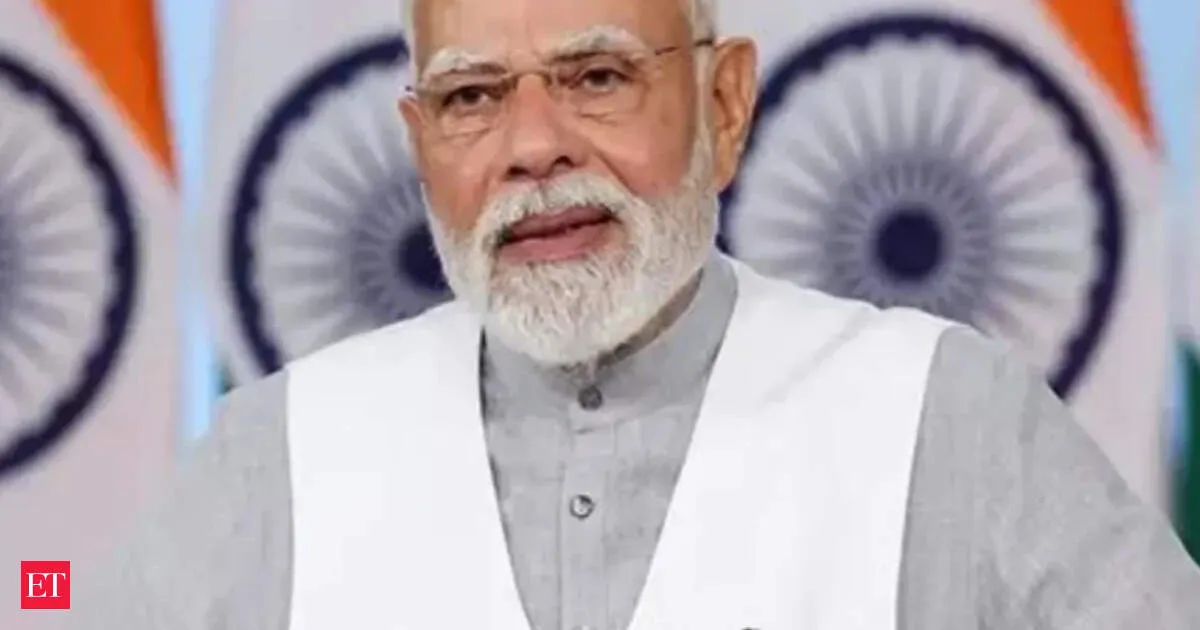
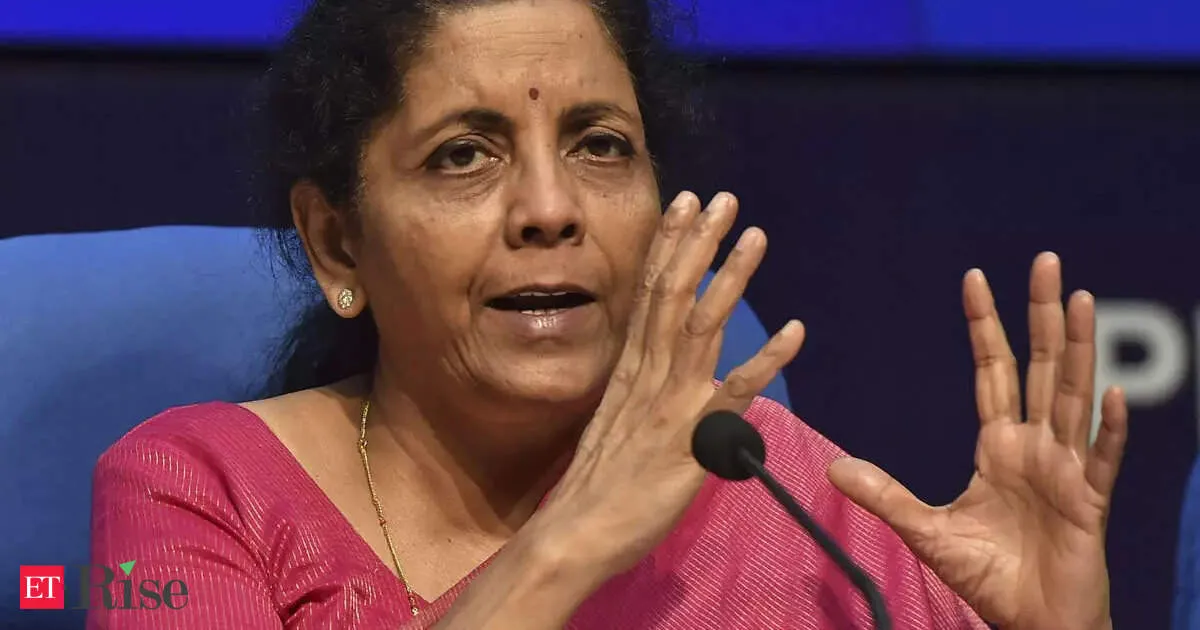
Prime Minister Narendra Modi on Friday rubbished media and social media claims that India may impose a new tax, cess or surcharge on foreign travel to manage war related fiscal strain and higher crude import costs. Responding to a viral graphic citing “highest levels” discussions, Modi said there was “not an iota of truth” and that there was “no question” of restricting foreign travel. The finance ministry had not commented before his clarification, while he reiterated focus on “Ease of Doing Business” and “Ease of Living.”
India’s listed REITs and InvITs are a key pipeline for long-term infrastructure capital, backed by distribution rules and a mostly single-layer tax design. But Budget 2026’s revised treatment of MAT credits creates a structural dilemma for REIT/InvIT SPVs: shifting to the new corporate tax regime may make dividends taxable for unit holders, cutting yields, while staying outside risks MAT credit lapse and future liabilities. Either way, cash-flow uncertainty could raise the cost of capital. Policy design must protect predictability.
Your news, in seconds
Get the Beige app — every story in 60 words, updated hourly. Free on iOS & Android.
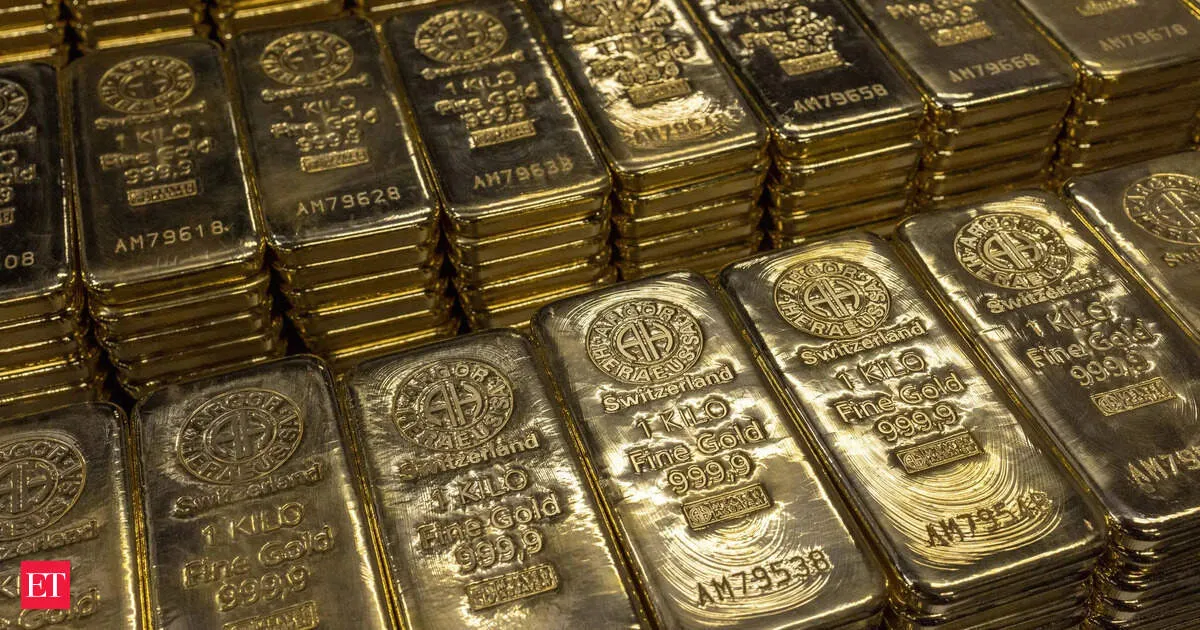
The Centre is expected to issue a rectification order within 48 to 72 hours to reinstate the gold import tax exemption for banks. Industry body IBJA says the benefit was accidentally withdrawn through a notification, triggering an IGST-related disruption. Shipments have resumed as the government works to correct the error and restore the earlier relief.
Indian banks have stopped gold and silver imports since April 1, citing a pending annual government notification that is supposed to clarify IGST treatment for bullion trade. The issue is expected to carry into FY27 as the renewed Finmin notification hangs fire, tightening supply and adding uncertainty for jewellers and traders relying on imports.
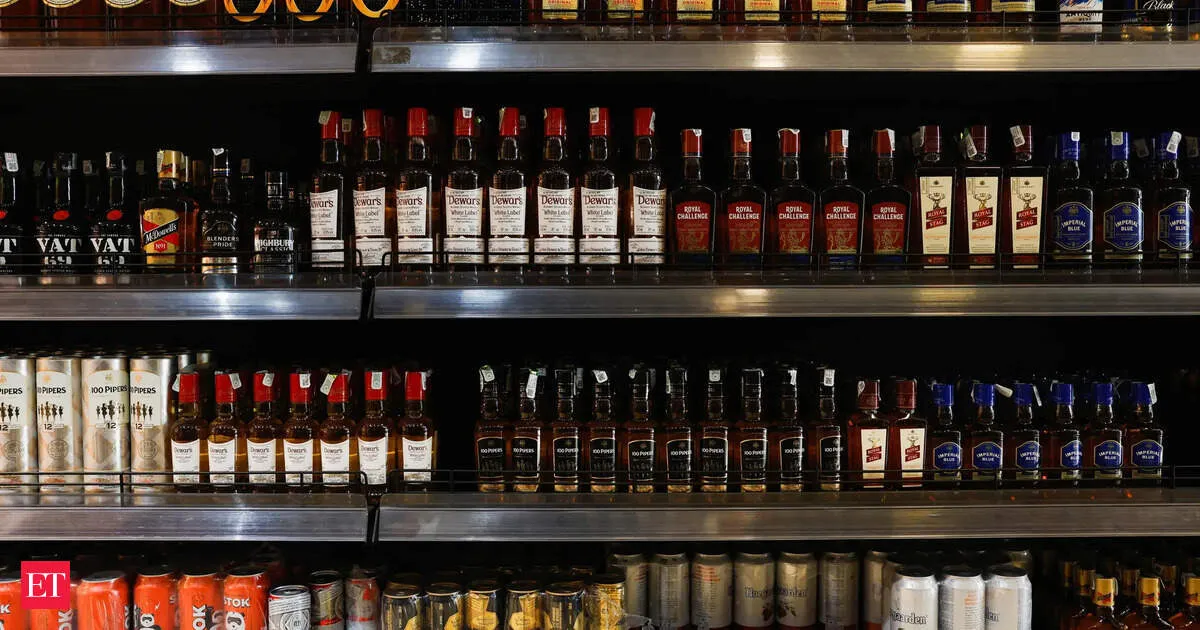
Karnataka has unveiled a draft excise policy aiming to reduce alcohol consumption by 8–9% over the next six years. The plan, announced by Chief Minister Siddaramaiah, shifts taxation toward beverage strength, introduces digital supply chain tracking, and simplifies licensing. It also targets illicit trade and proposes tighter outlet rules near sensitive zones to improve enforcement.
Wipro plans a share buyback at Rs 250 per share, pricing above the current market level. The bigger surprise is the timing: from April 1, 2026, buyback proceeds will be treated as capital gains under new tax rules. That shift can make tendering shares more tax-efficient than selling in the open market for both promoters and non-promoters.
Never miss a story
Set alerts for the topics and sources you care about. Download Beige for free.
A new one-time amnesty scheme, FAST-DS, has been launched for Indian residents and NRIs to address past non-compliance in reporting foreign assets, including US stocks received via ESOPs. The move targets missed or inadvertent disclosures and seeks to reduce penalties and litigation under India’s Black Money Act, offering clearer resolution for taxpayers who previously got it wrong.
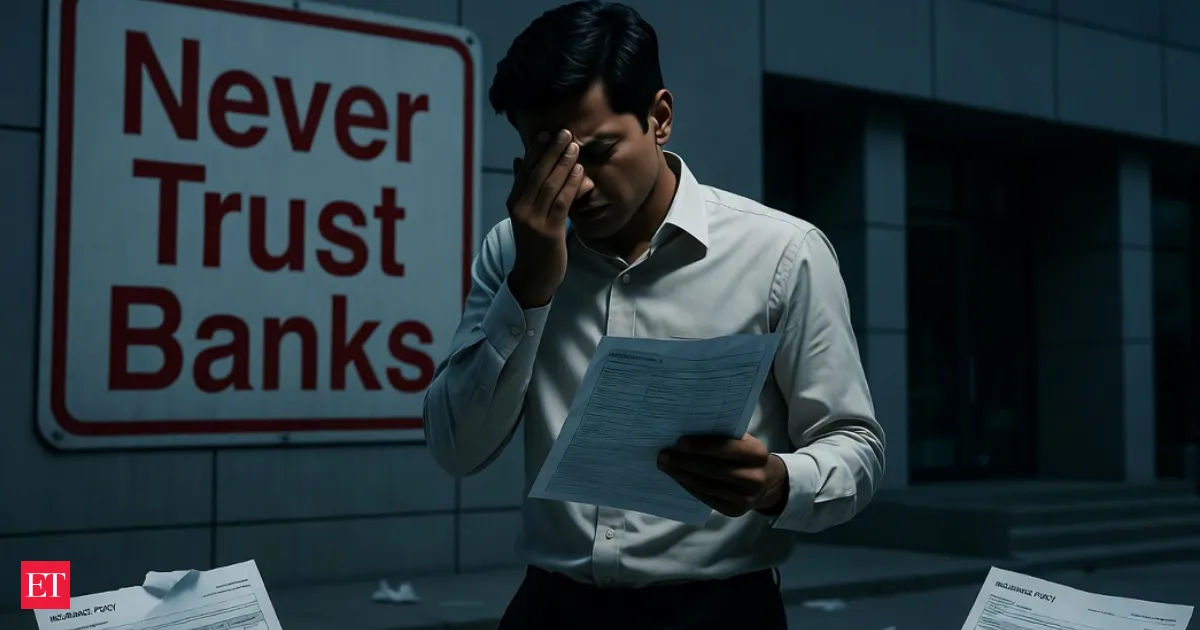
A young entrepreneur says bank officials persuaded him to buy three non-market linked insurance policies claiming the proceeds were 100% tax-free. He paid around ₹22 lakh in premiums, but later learned that under new tax rules, plans with aggregate premiums above ₹5 lakh can make maturity proceeds taxable. The result: a feared loss of up to ₹15 lakh on surrender.
India has assured Mauritius it will continue honoring Double Taxation Avoidance Agreement (DTAA) benefits, following a Supreme Court ruling that triggered worries for cross-border investors. India also eased the application of the General Anti-Avoidance Rule for older investments, aiming to reduce uncertainty and provide clearer tax outcomes for foreign investors and private equity funds.
A CoinSwitch survey ahead of India’s Union Budget finds 61% of crypto investors want taxation aligned with stocks or mutual funds, while 17% favour a separate framework. Despite mixed preferences, 66% describe the current regime as unfair, pointing to the need for clearer, more rational rules that better match how investors view crypto assets.
Reading on mobile?
Open Beige in the app for a smoother experience — free on iOS and Android.
The GST Council will hold a virtual meeting on August 2 to finalize legal amendments for the 28% tax levy on online gaming, casinos, and horse racing. The maximum slab was decided on July 11 and applies to full face value. Officials say there is no change of heart, only work underway to settle technical and legal details.
ASSocham has pitched the government to extend the “Vivad Se Vishwas” settlement scheme beyond current coverage into highly regulated sectors such as telecom, power, and mining. It also wants a dedicated dispute resolution mechanism for customs-related cases, arguing that tax and procedural stability would reduce litigation burdens and improve business certainty.
India is weighing GST rate rationalisation to simplify the current four-slab structure, with talks that may consolidate rates and even remove the 12% slab. Officials must, however, balance lower tax burdens on essentials with the need to protect revenue collection. The final design will depend on how much simplification is feasible without triggering shortfalls.
With India’s IPO boom fueling a “happy harvest” for PE and VC, a Supreme Court stance is casting a shadow over how offshore investors structure funds into the country. Stakeholders fear renewed scrutiny of complex cross-border arrangements, and the court has signaled that simply producing tax-haven residency certificates won’t automatically justify tax treatment.
Follow your favourite sources
Track sources, tags and categories — all in the Beige app.
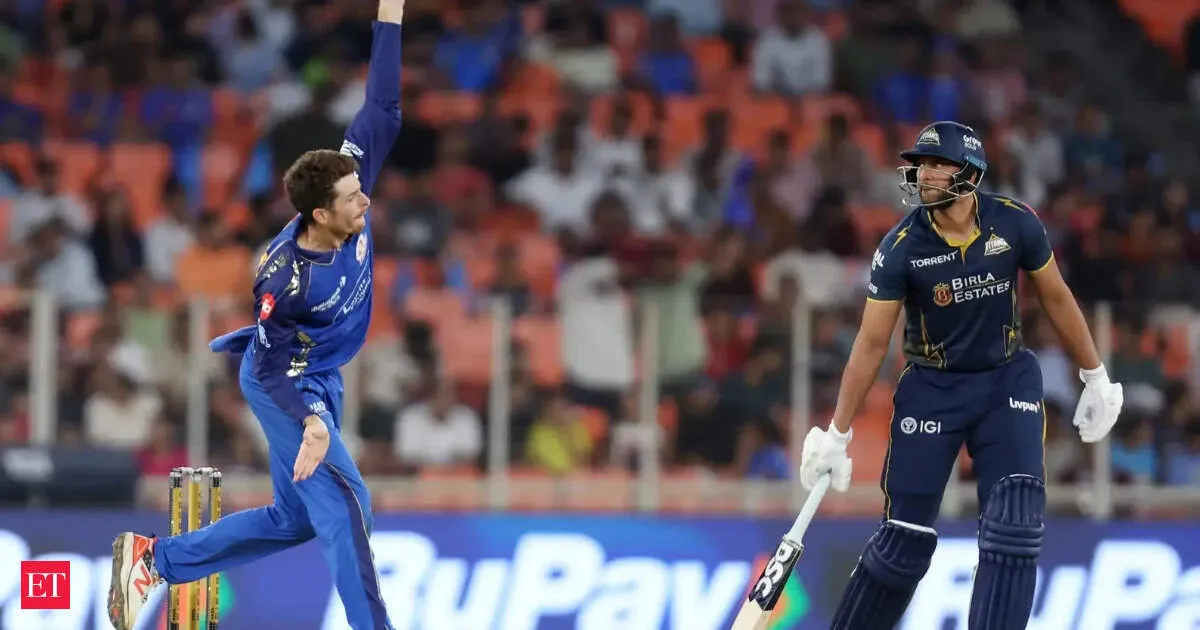
IPL teams have appealed to the government to reclassify ticket sales so matches are treated as “sports” rather than “entertainment.” They argue the current 40% GST on tickets is disproportionately high for sporting events and should be reduced. The teams say the change would boost demand, support the sports ecosystem, and accelerate the league’s long-term growth.
Union Budget 2026 reduces Tax Collected at Source (TCS) for overseas tour packages, setting a flat 2% rate on international travel. The move lowers the prior TCS structure, which ranged from 5% to as high as 20%, making foreign trips more affordable for Indian citizens and easing the upfront tax burden.
India’s GST treatment of Online Information and Database Access Service (OIDAR) is rooted in a tax levy introduced in 2001 under the earlier service tax regime, then widened in 2016 to bring more digital services under tax. The Budget 2023-24 further broadens the scope, tightening how data access and related online services are classified for GST.
Gaming firms are watching the Supreme Court case involving Gameskraft’s INR21,000 crore GST demand, which could end the long debate over whether games are of skill or chance. With an upcoming 28% GST on the full face value of bets, the judgment may also clarify whether retrospective taxation applies.
Stay informed on the go
Bite-sized news from 100+ trusted sources, right in your pocket.
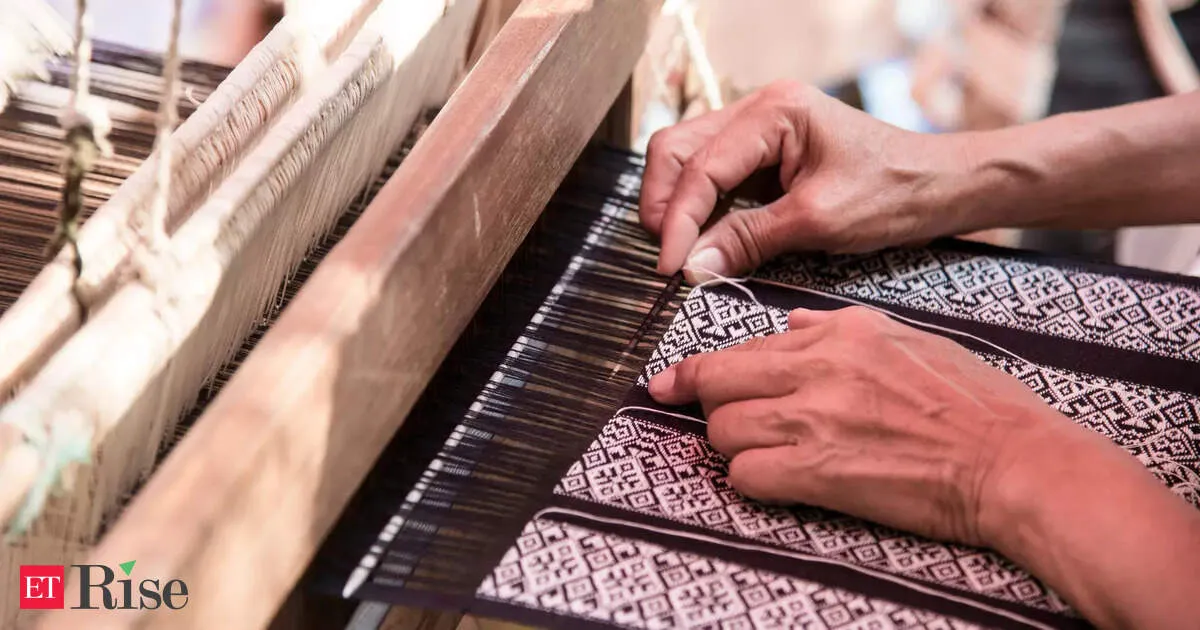
India’s handmade carpet industry says eased GST compliance is welcome, but it is worried about taxation on finished products. The sector employs over 20 lakh workers and artisans, many in rural areas and especially women, and any added cost could disrupt demand, reduce incomes, and pressure small units already operating on thin margins.
Ahead of the Union Budget process, the Finance Ministry has invited suggestions from industry and trade bodies on possible changes to duty structures, tax rates, and the broadening of the tax base. The communication covers both direct and indirect taxes and asks stakeholders to provide economic justifications for proposed changes.
Swipe through stories, personalise your feed, and save articles for later — all on the app.