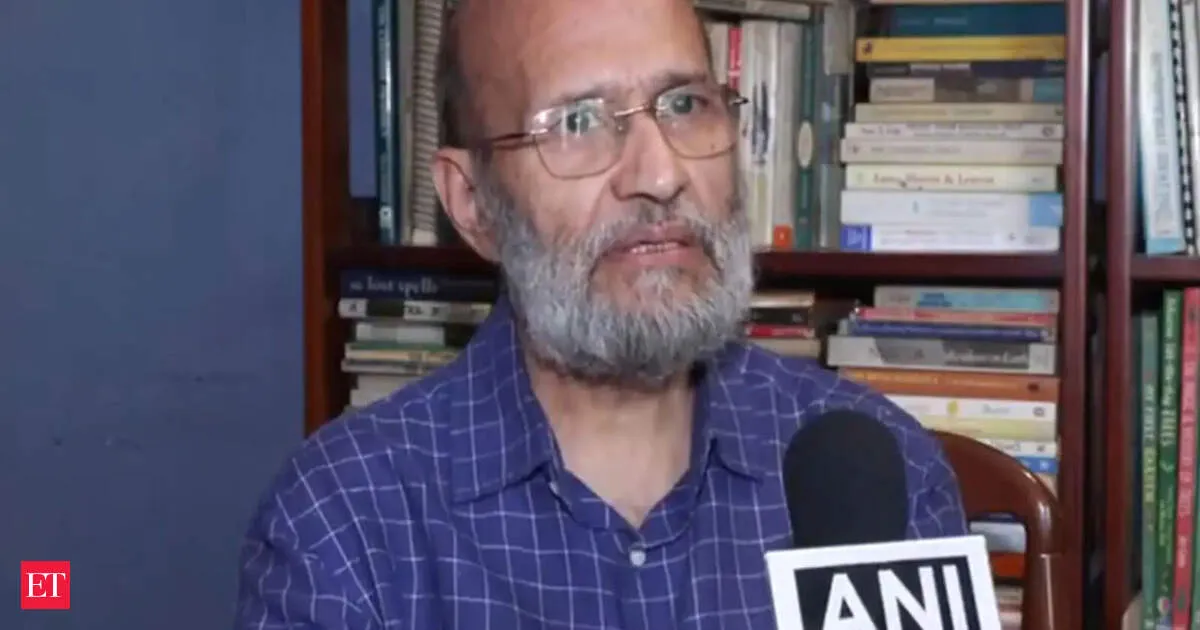
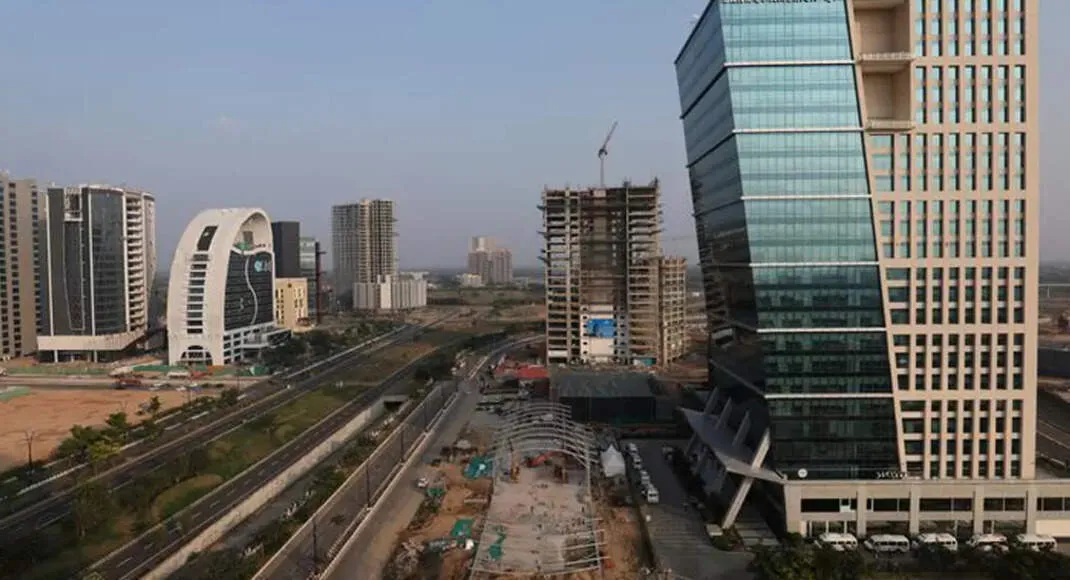
Former UN advisor and economist Santosh Mehrotra says India’s tax approach is worsening inflation and jobs. He argues the government should target super-rich and high-net-worth individuals with surcharges instead of raising regressive indirect taxes on fuel and gold duties. With tensions in West Asia escalating, Mehrotra warns the rupee could slide to ₹100 per US dollar within a quarter. He also cautions crude oil could exceed $150, stressing MSMEs and triggering worker reverse migration.
India is exploring lower taxes for foreign investors in its bond market, aiming to draw in longer-term capital and stabilize the rupee. The idea is to reduce currency-risk concerns that have kept foreigners away after selling equities. Success depends on how much tax relief is offered and the size of any investment limits.
Your news, in seconds
Get the Beige app — every story in 60 words, updated hourly. Free on iOS & Android.
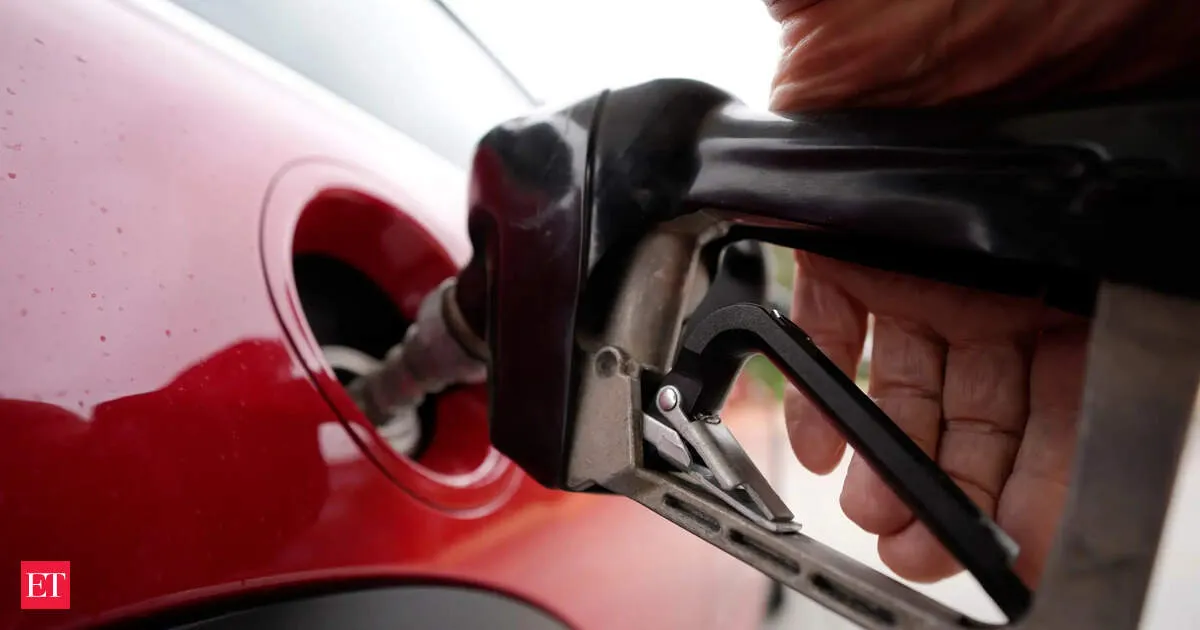
From India to China, governments are rolling out a patchwork of measures to blunt rising energy costs tied to the U.S. Israeli war on Iran. Policies range from fuel tax tweaks and strategic reserve releases to subsidies, tax cuts, and external financing. Some countries are also pushing conservation and accelerating domestic supply and alternative energy to reduce future shocks.
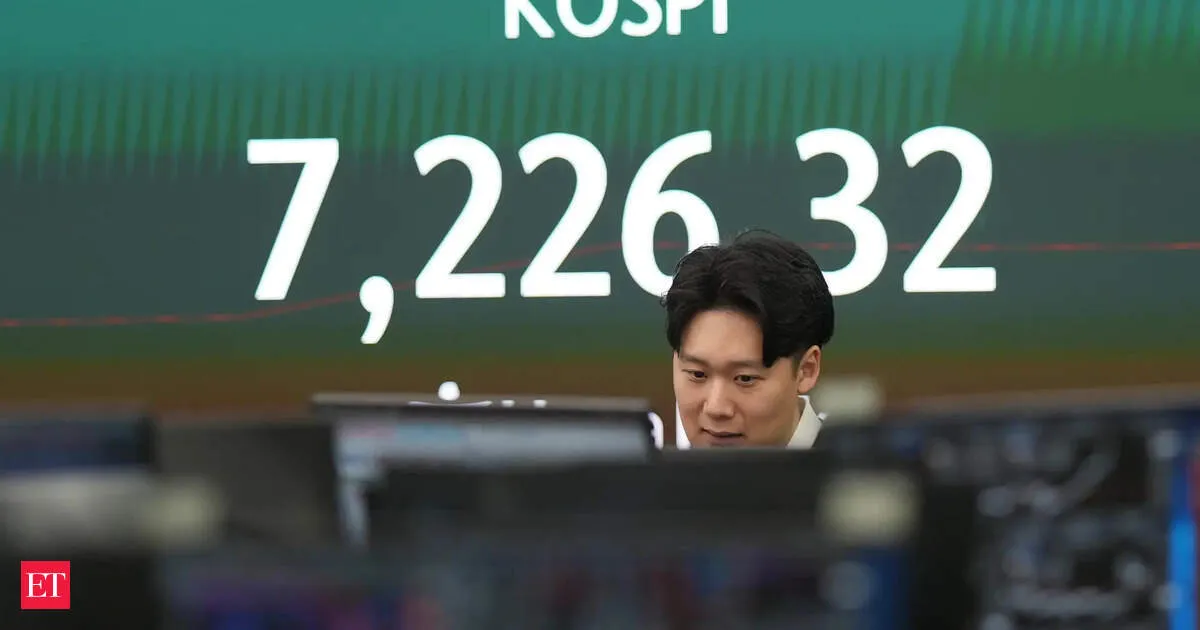
A top South Korean policymaker floated the idea of a citizen dividend funded by AI profit taxes, triggering sharp market volatility. Traders feared a fresh corporate levy on AI companies. The proposal was quickly clarified to target excess tax revenue rather than imposing a new charge, helping stocks recover partially. The episode highlights how AI-linked fiscal ideas can move markets fast.
Budget 2026’s proposed tax holiday extension for GIFT City aims to make India’s IFSC more competitive globally. Analysts argue that tax certainty, along with rationalised dividend provisions, can improve investor confidence and encourage deeper onshoring. The move is expected to strengthen GIFT City’s ability to attract international finance business compared with rival centres.
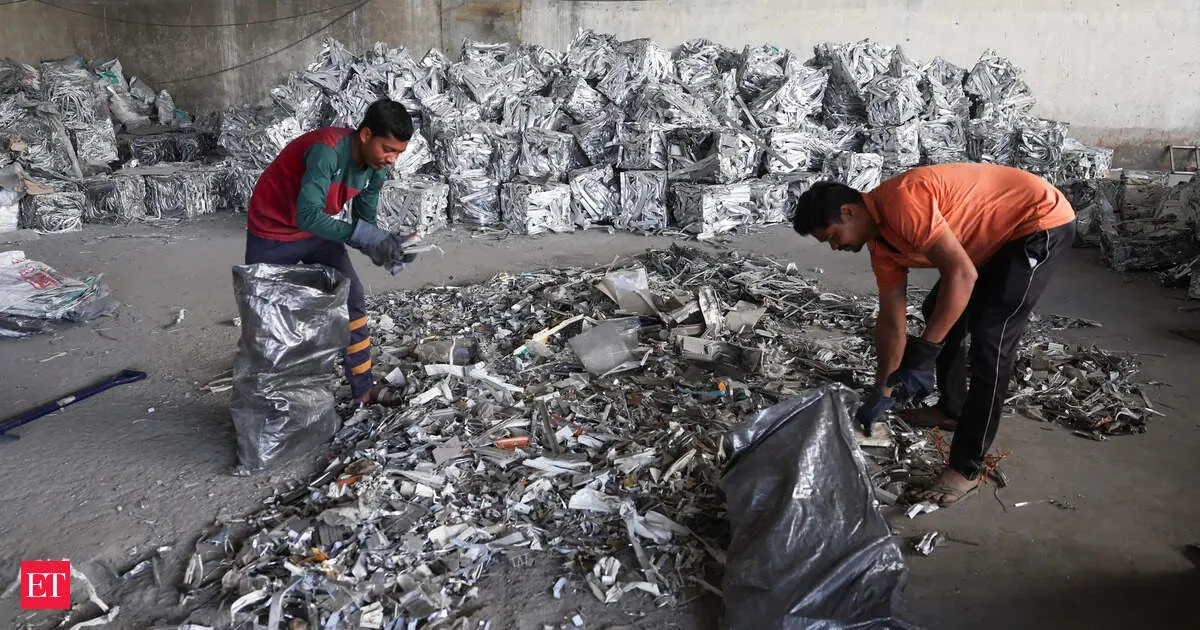
Small and medium aluminium recyclers have asked the PMO to remove the 2.5% import tax on aluminium scrap, citing surging costs and tight global supplies. They say the duty blocks access to reliable imported material, weakening their competitiveness and slowing downstream manufacturing. India’s secondary aluminium sector depends heavily on such imports, making the tax a key pain point.
Never miss a story
Set alerts for the topics and sources you care about. Download Beige for free.
India is moving from exporting software services toward AI inference hubs, including offering tax holidays to foreign firms. The shift promises new revenue streams, but it risks shrinking demand for traditional coder roles. Policymakers are urged to redesign workforce plans—creating roles like AI supervisors—to keep India’s young talent from being left behind.
Swipe through stories, personalise your feed, and save articles for later — all on the app.