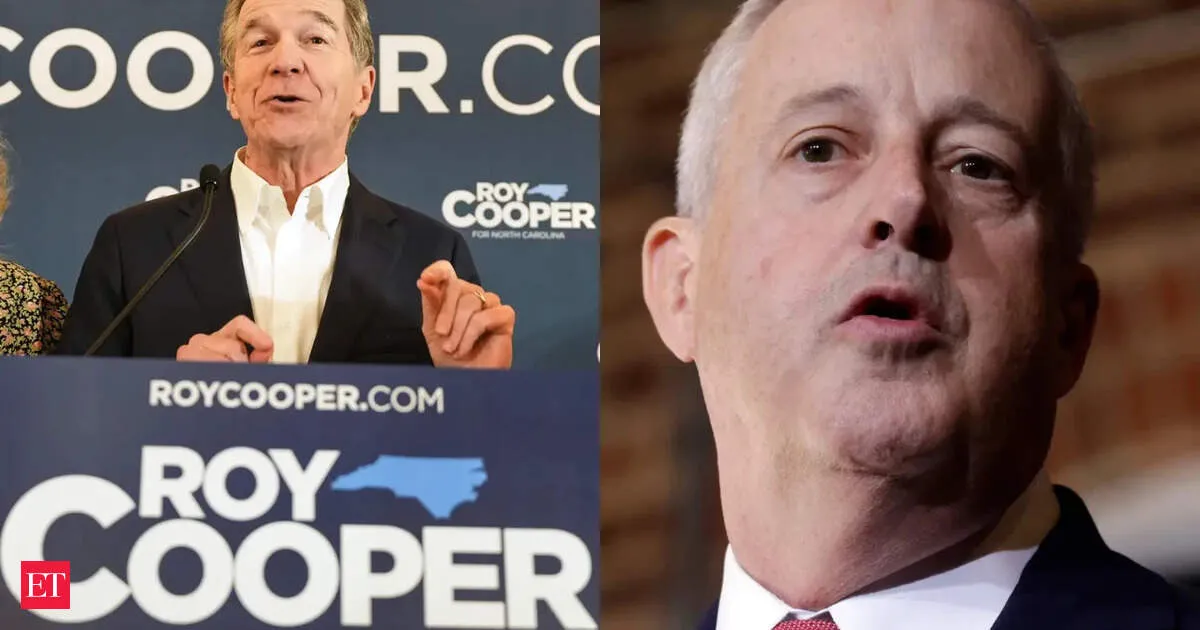
In North Carolina, voters are trying to square Trump backed tax cuts with the sting of inflation. While proposals promise higher take home pay, everyday costs like rent, food, and fuel are rising fast, dominating kitchen table concerns. The dispute is driving the midterm conversation, pitting Roy Cooper and Michael Whatley’s sharply different economic visions against each other.
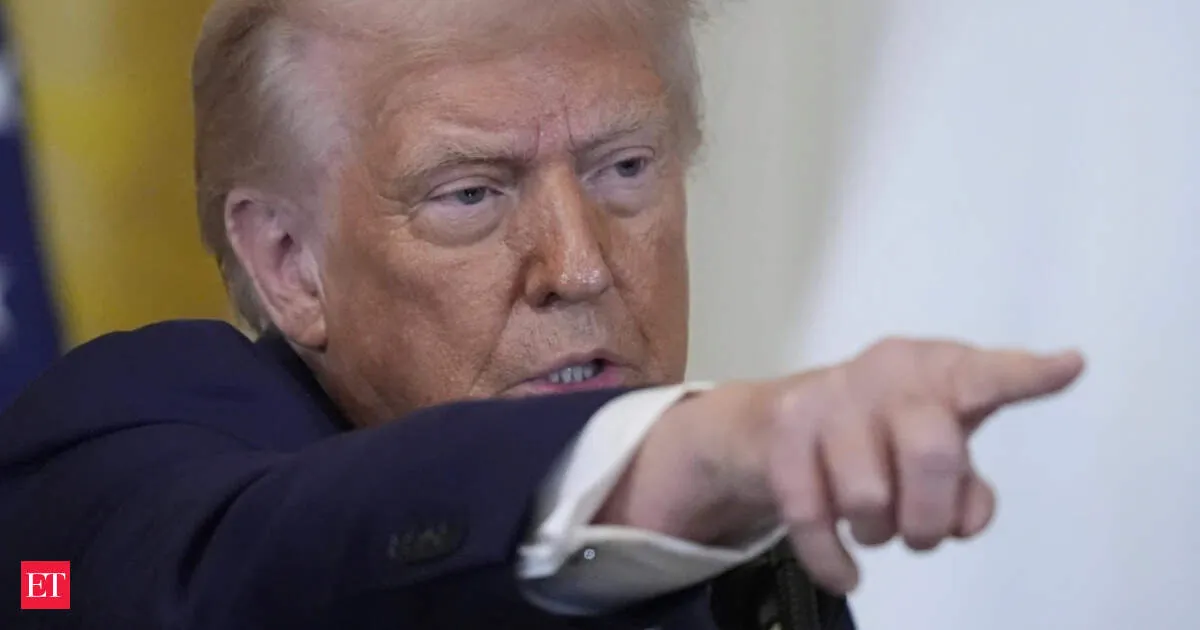
Republicans are recalibrating their midterm strategy, seeking to harness President Trump’s proven ability to mobilize voters while steering clear of election dynamics driven by his waning popularity. The message is expected to pivot toward tax cuts and inflation-fighting measures, as leaders try to blunt political risks tied to sagging fortunes and the ongoing Iran war.
Your news, in seconds
Get the Beige app — every story in 60 words, updated hourly. Free on iOS & Android.
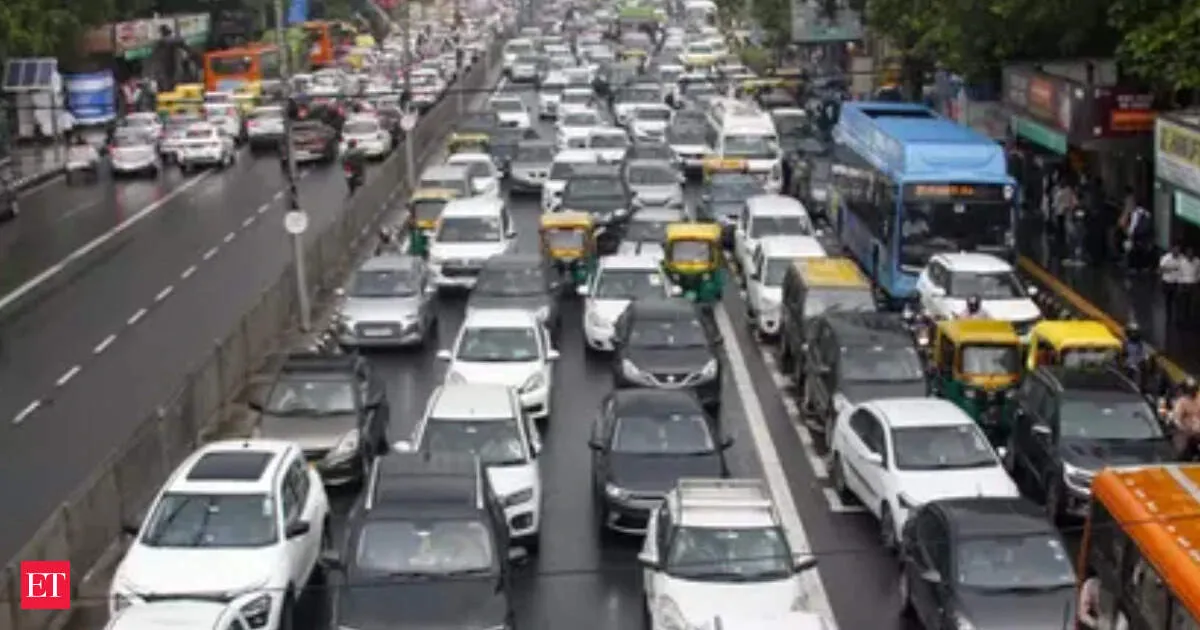
India’s automobile sales reached a record high in FY26, boosted by tax cuts, easing interest rates and revised income tax slabs, according to SIAM. Growth spread across vehicle categories: passenger vehicles rose 8%, while exports climbed 24%. Industry leaders expect momentum to continue, even as global uncertainty, geopolitical risks and rising costs remain under watch.
Princeton economist Owen Zidar points to a growing class of “stealthy wealthy” Americans: private business owners who build wealth gradually. He argues U.S. tax cuts disproportionately help this group, while support for lower-income households shrinks—fueling inequality. Zidar also urges investment in the young for long-term prosperity and questions whether tariffs are a sound revenue plan.
Swipe through stories, personalise your feed, and save articles for later — all on the app.