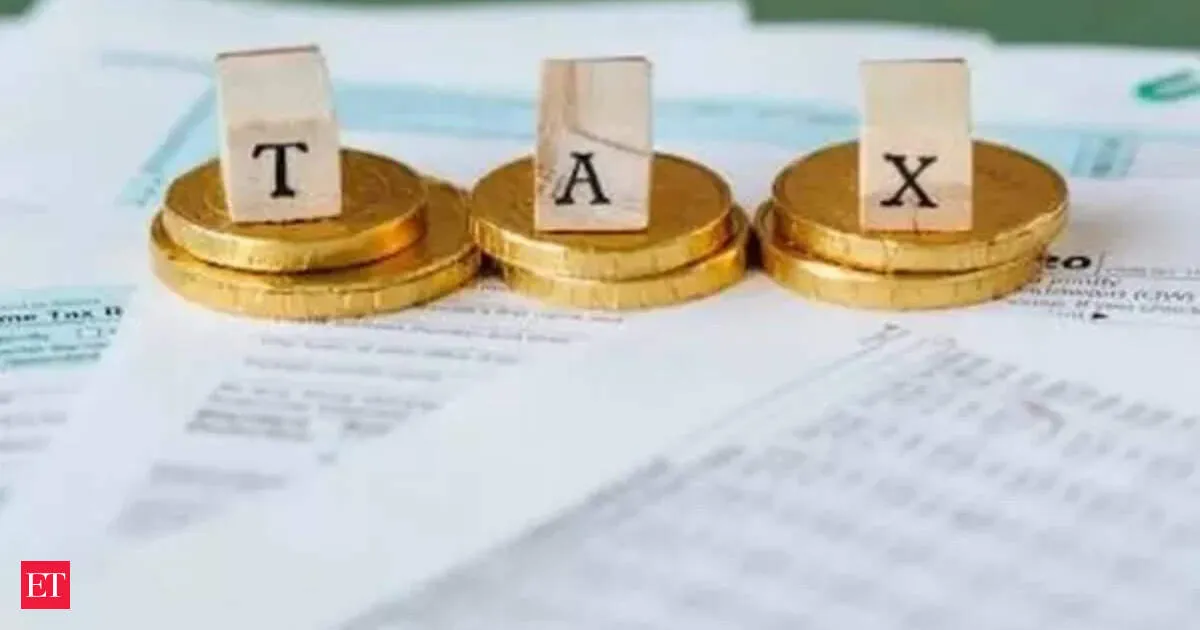
India’s direct tax collections edged up in FY26, but the overall mop-up missed the revised target by ₹81,000 crore. Lower-than-expected corporate and personal income tax collections drove the shortfall, even as officials pointed to an underlying resilience in the economy. Tax growth is expected to moderate further, with a clearer assessment by June.
India’s net direct tax collections rose 5.12% to about Rs 23.40 lakh crore as of March 31. The update signals improving revenue inflows for the government, though the headline growth rate hints that the underlying tax performance and compliance trends could be more complex than they first appear.
Your news, in seconds
Get the Beige app — every story in 60 words, updated hourly. Free on iOS & Android.
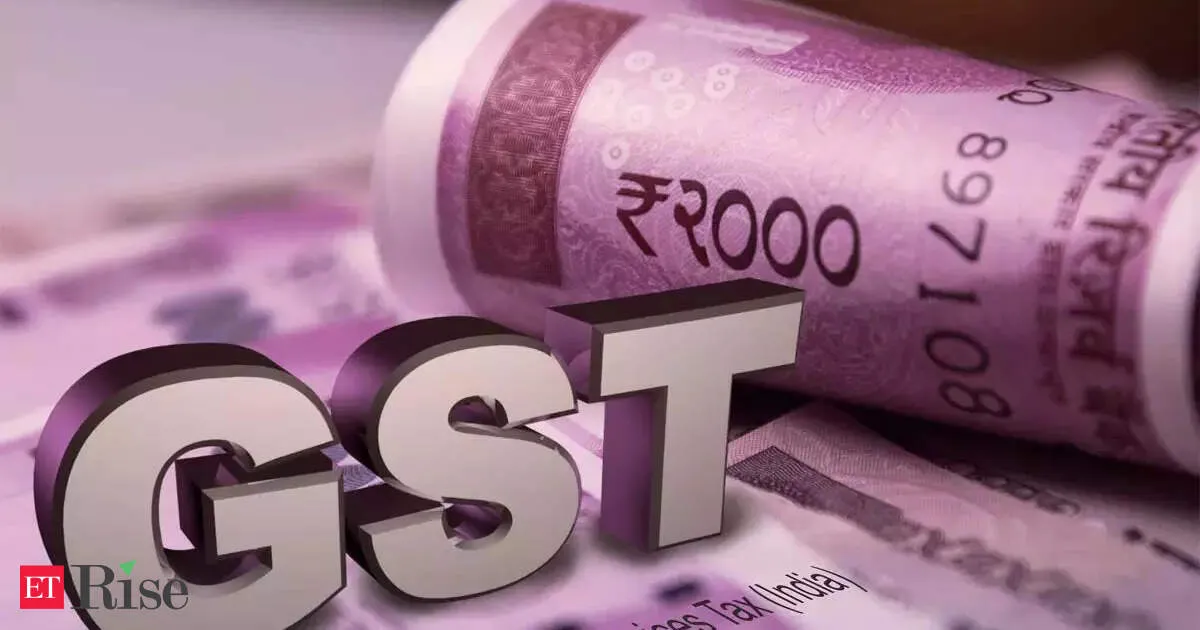
India’s GST collections kicked off the new fiscal year with a standout performance. April 2026 receipts rose 8.7% year-on-year to an all-time high of ₹2.43 lakh crore, according to the Ministry of Finance. The jump points to resilient domestic consumption and benefits from technology-led anti-evasion measures, even as global markets face energy-linked uncertainty.
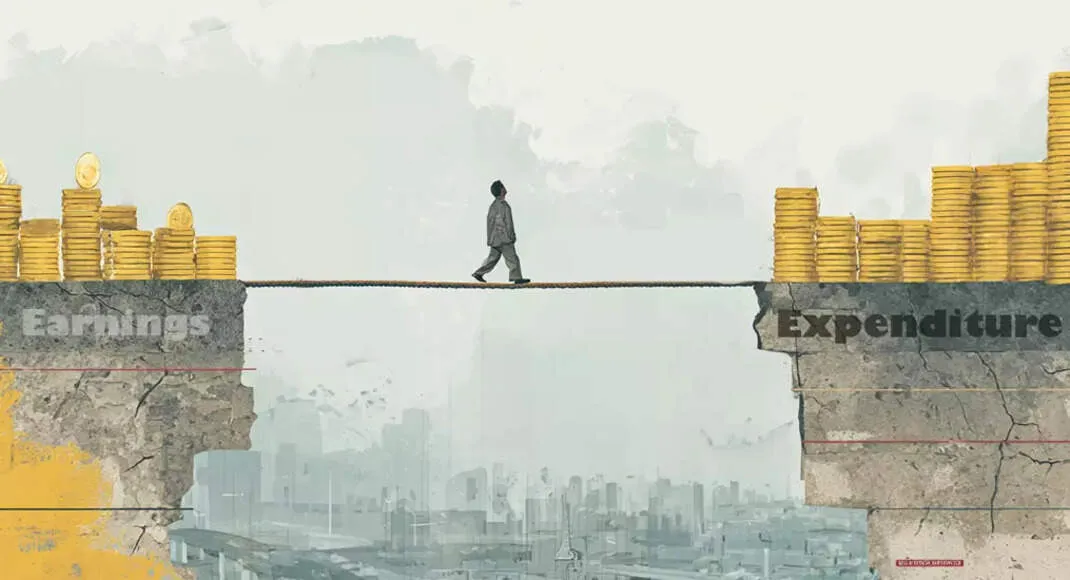
Lower-than-budgeted tax collections and softer nominal GDP growth are squeezing India’s fiscal assumptions, raising the risk that the government may need to cut capital expenditure. The move would be aimed at protecting the 2025–26 fiscal deficit target, even as weaker revenues and growth make budget math harder to meet.
GST collection for October clocked in at about Rs 1.51 lakh crore, marking the second-highest monthly figure since the implementation of the Goods and Services Tax. The finance ministry had anticipated collections would finally surpass the Rs 1.5-lakh-crore threshold in October, and the results landed just above that mark.
Swipe through stories, personalise your feed, and save articles for later — all on the app.