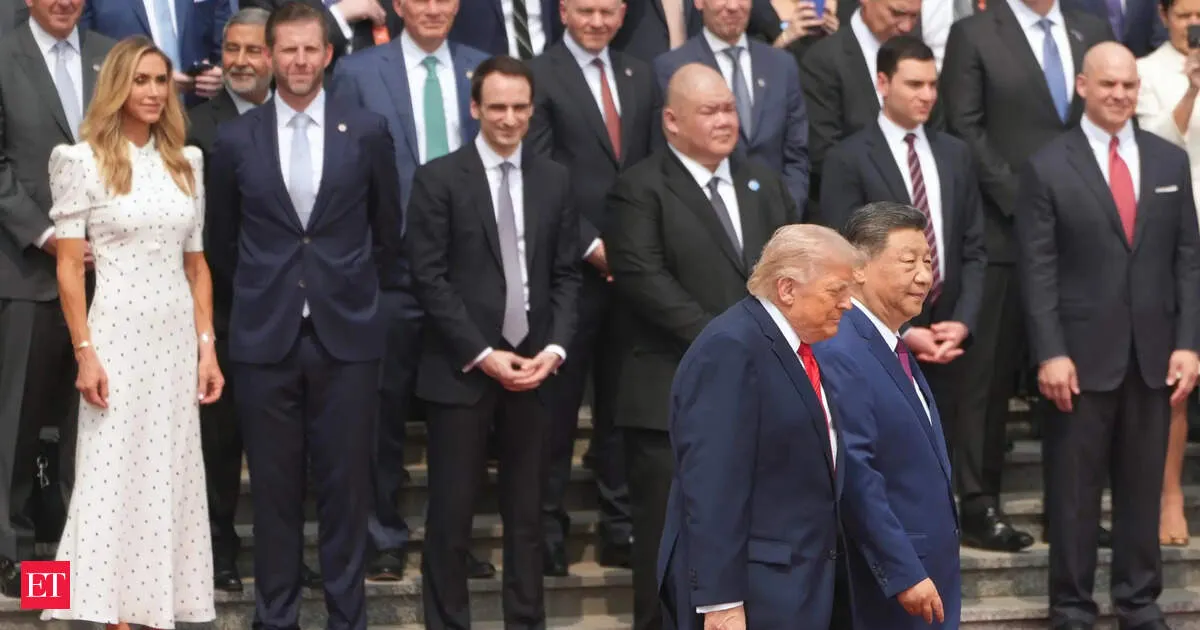
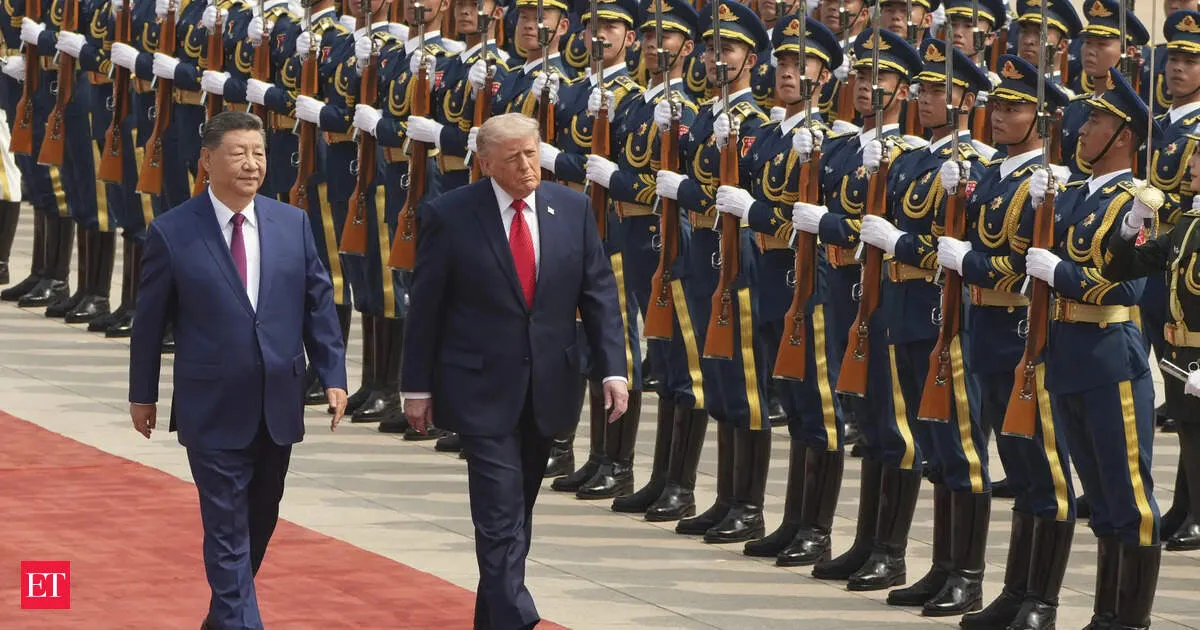
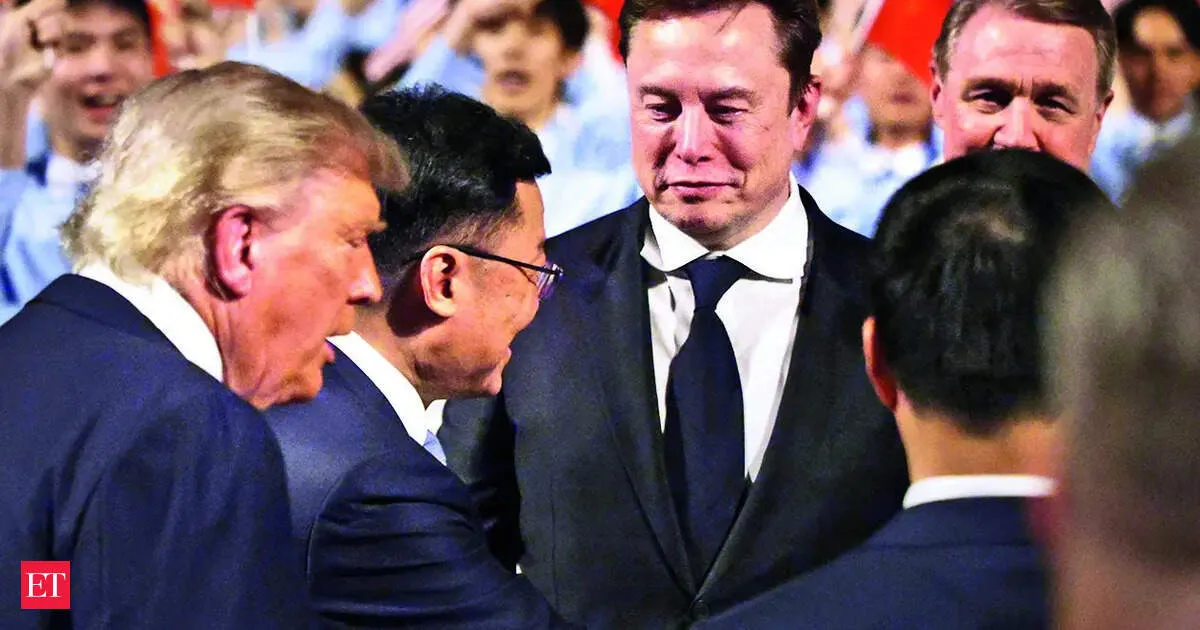
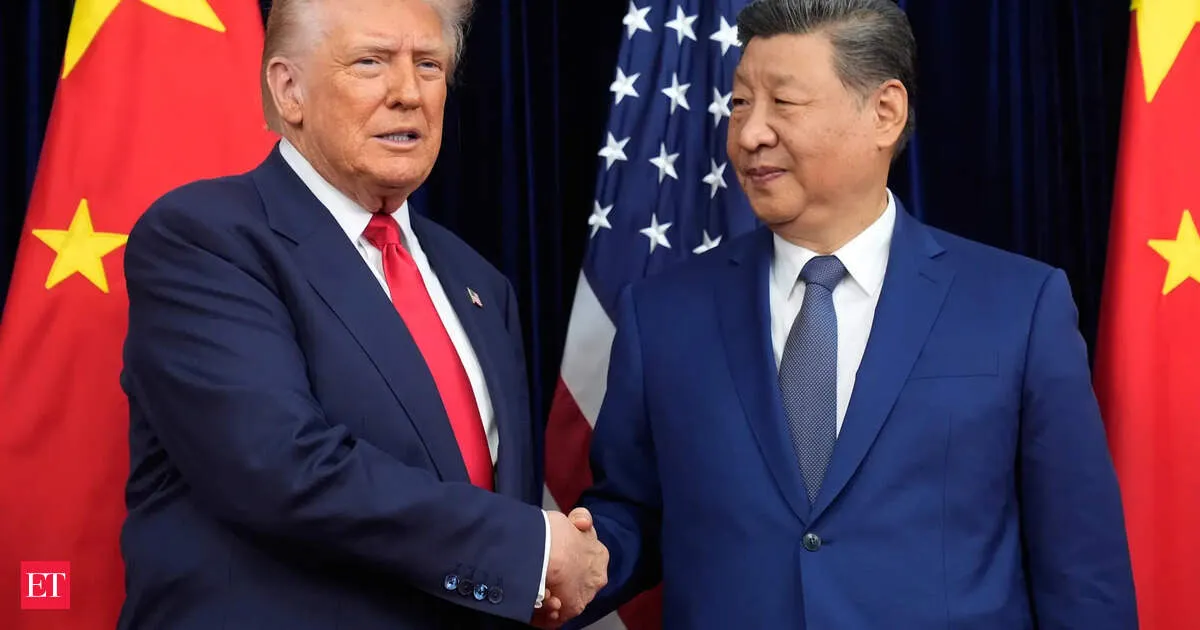
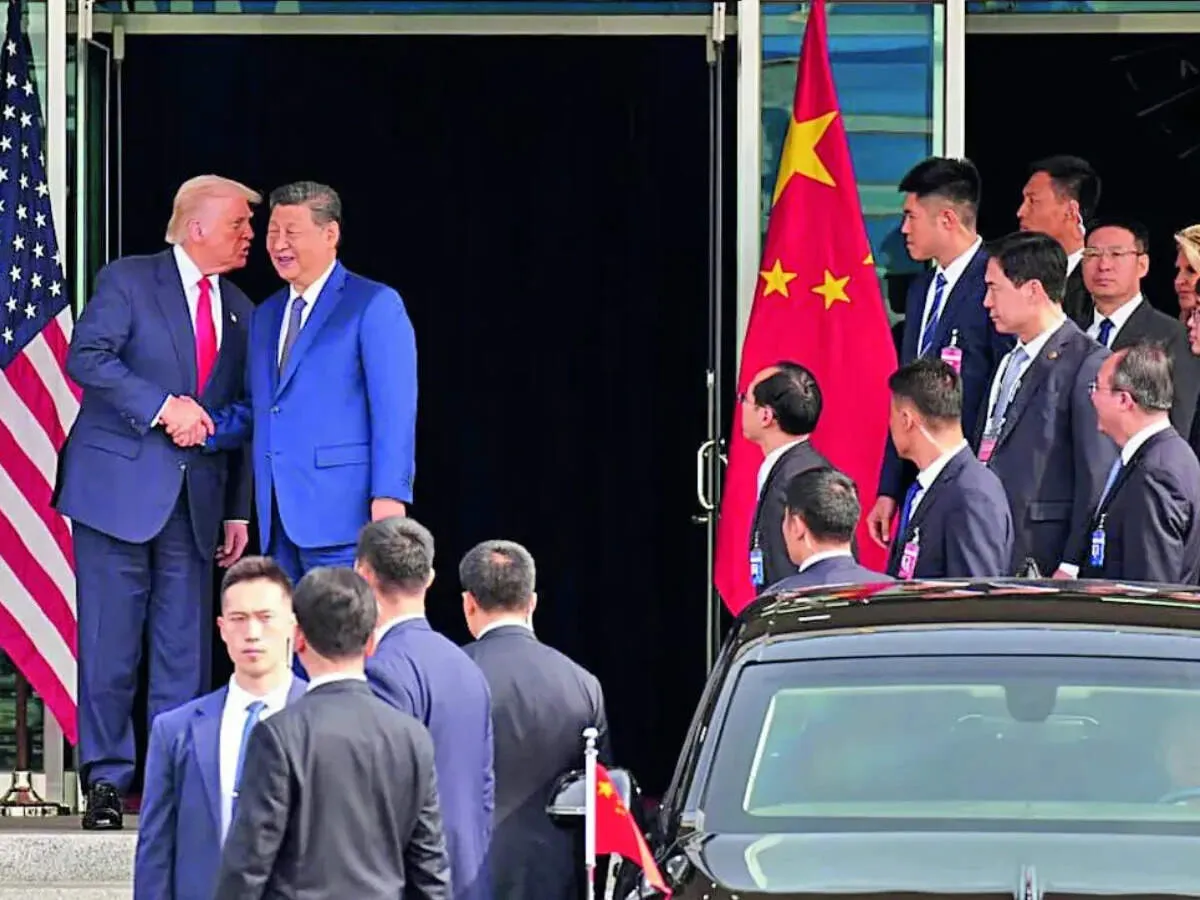
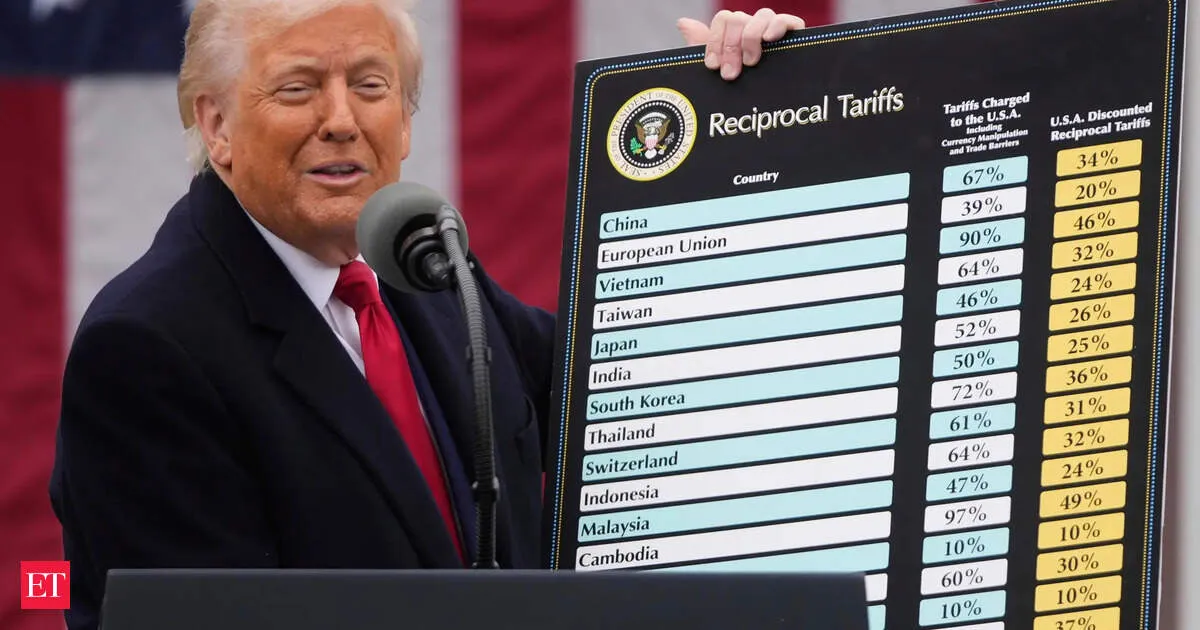
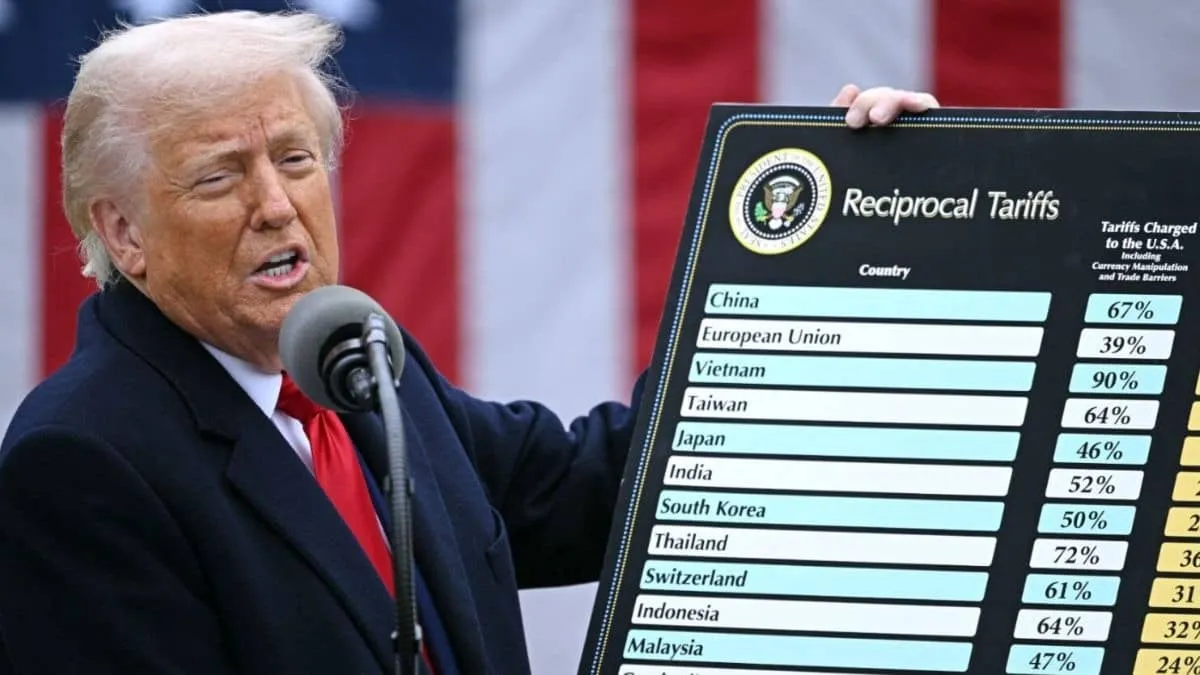
President Donald Trump’s Beijing visit delivered only modest summit deliverables, but it did reset the U.S.-China relationship into a familiar economic and strategic standoff. After last year’s trade war escalated with “Liberation Day” tariffs, the two leaders’ two-day talks with Xi Jinping signaled a return to “constructive strategic stability.” Key issues—U.S. concerns over trade practices and Indo-Pacific military buildup—went largely unaddressed, leaving China a fragile truce and the U.S. limited gains.
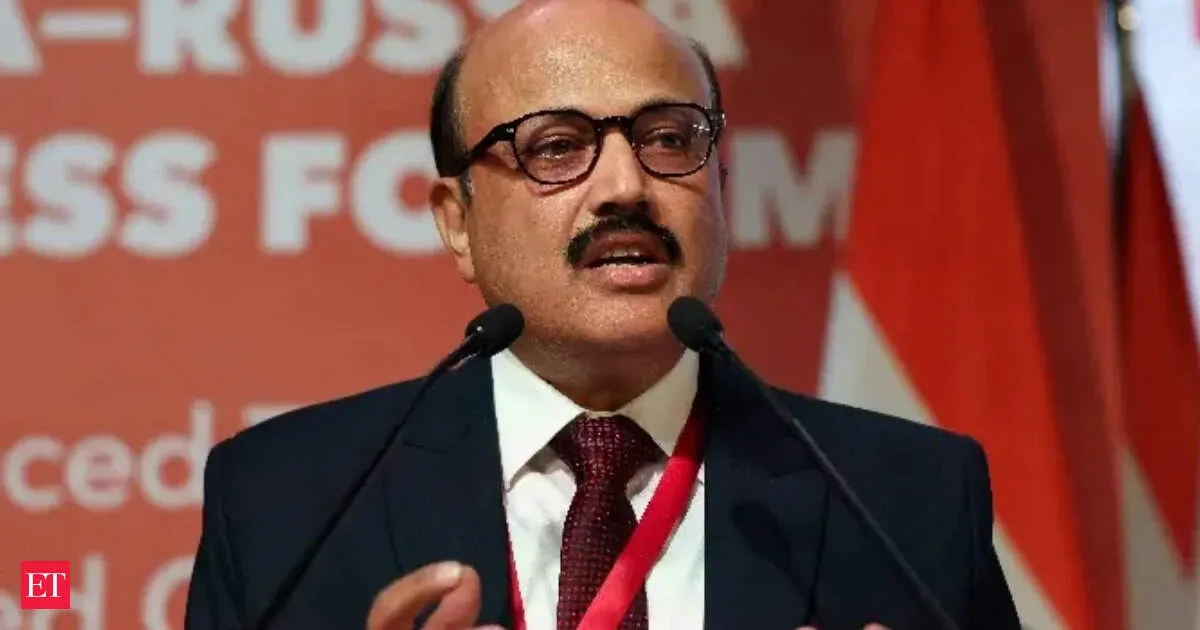
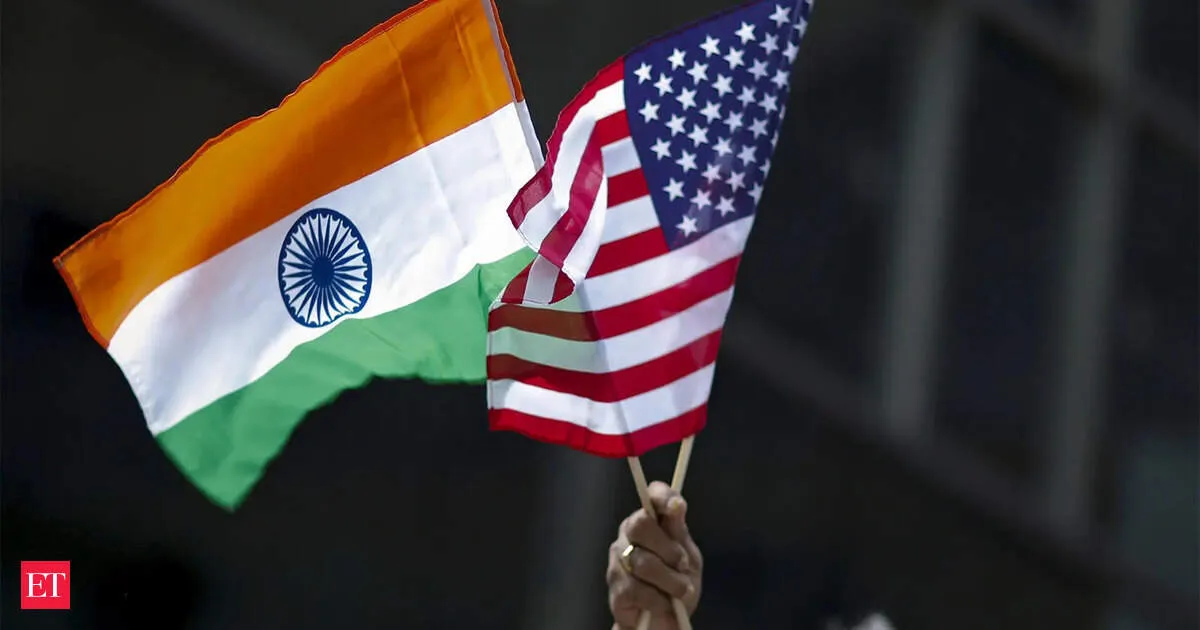
India and the UK are close to operationalising their trade pact, but a new British steel safeguard measure has delayed the Entry into Force of CETA. Commerce Secretary Rajesh Agrawal said the two sides are working on a “unique and creative solution” to handle the steel hurdle. The UK will cap tariff-free steel from July 1, 2026, cutting quota volumes by 60% and charging 50% tariffs above limits. India targets doubling bilateral trade to USD 112 billion by 2030.
Your news, in seconds
Get the Beige app — every story in 60 words, updated hourly. Free on iOS & Android.
India’s seafood sector is turning tariff shock into momentum. After the US slapped a cumulative 50% tariff on Indian seafood last year—citing trade imbalance, anti-dumping claims, and links to energy purchases from Russia—exports were disrupted and some processing units had to pause. Instead of breaking, the sector diversified markets, boosted domestic demand measures, and restored access to high-value buyers. By FY26, India logged record exports, and the government is now considering a production-linked incentive scheme for deeper value-added growth.
US President Donald Trump said after meeting Xi Jinping in Beijing that China wants to buy US oil and soybeans again, marking a possible reversal from the tariff-driven slowdown. Trump noted China had purchased only small amounts of US oil before the tariffs and that soybean imports had shifted toward Brazil. He also pressed for broader access for Visa to China’s credit card market during the talks, adding a financial-services angle to the claimed trade thaw.
Honda says it has indefinitely suspended plans for a multi-billion-dollar EV plant in Canada, dealing another blow to a tariff-hit auto sector. With Canada deeply integrated into North America’s car supply chain, Trump-era tariffs are hitting the industry especially hard, raising pressure on automakers’ investment timelines and future production plans.
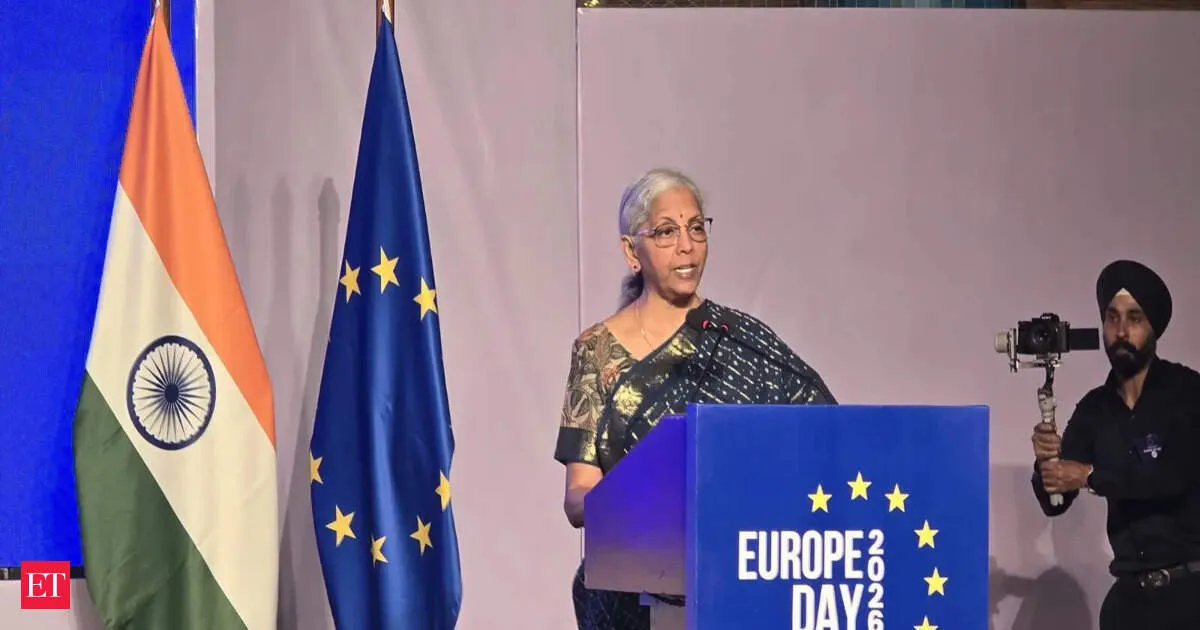
Finance Minister Nirmala Sitharaman says the 16th India-EU Summit in New Delhi in January delivered decisive momentum to the strategic partnership, taking ties to a higher level. She pointed to the successful conclusion of negotiations for the India-EU free trade agreement, alongside the signing of a Security and Defence Partnership and adoption of a mobility cooperation framework. The EU ambassador urged an investment liberalisation chapter and a separate investment protection pact, as legal review of the roughly 1,000-page FTA is set to end in July.
Never miss a story
Set alerts for the topics and sources you care about. Download Beige for free.
Honda Motor reported its first annual loss in nearly 70 years, sliding to 414.3 billion yen. The company blamed U.S. tariffs and steep restructuring costs tied to its electric vehicle push, with EV-related losses topping $9 billion. Honda said more expenses may follow but expects to swing back to profitability within the current fiscal year.
The US and China are preparing a managed trade framework focused on non sensitive goods, potentially reducing tariffs on about 30 billion dollars worth of products. The approach is designed to expand commerce while protecting national security concerns. US business leaders are joining President Donald Trump in Beijing for the key summit where the plan is expected to advance.
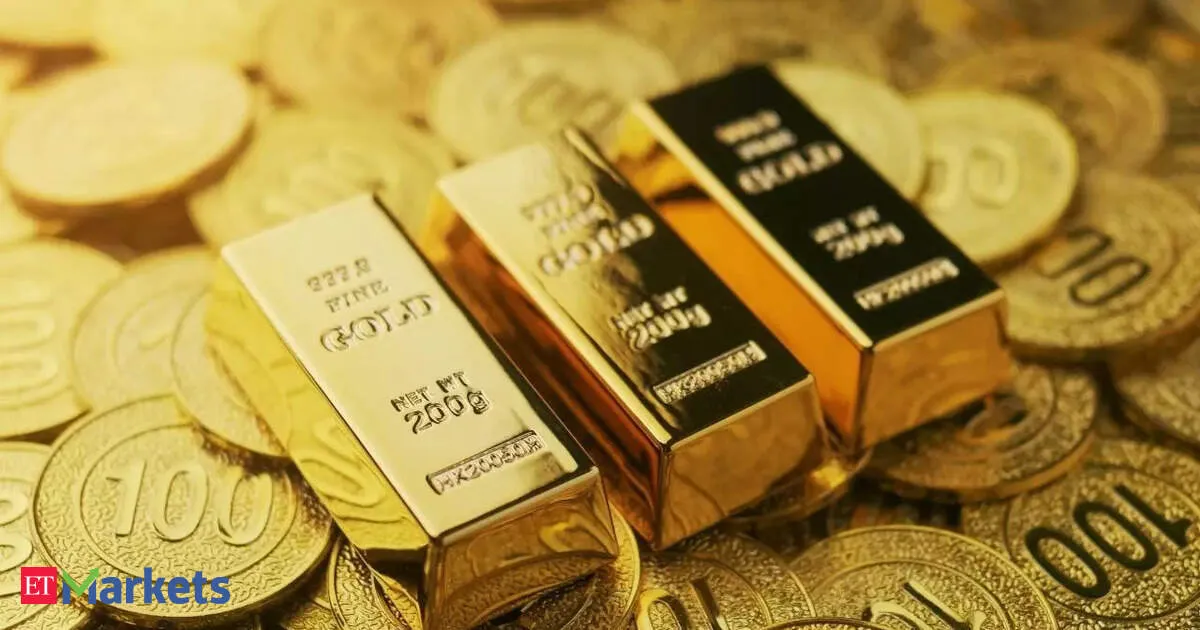
India has raised import duties on gold and silver to 15 percent to curb non-essential inflows and protect foreign exchange reserves. While the higher cost is already hitting the import bill and could pressure jewellery demand, demand is expected to remain resilient. Economists also warn the tariff spike may spur smuggling as traders seek to bypass duties.
US and China are reportedly considering a managed trade framework that could reduce tariffs on about $30 billion of imports. The move aims to boost trade activity and smooth commerce while still addressing national security concerns. Negotiations focus on everyday products, suggesting a practical shift rather than a purely symbolic trade gesture.
Reading on mobile?
Open Beige in the app for a smoother experience — free on iOS and Android.
Gold held steady in early Asian trade as investors waited for a key U.S.-China summit in Beijing and tracked Middle East developments. Market focus also included comments by President Donald Trump on the Iran war, a dip in oil prices, and rising U.S. consumer inflation. In India, import tariffs on gold and silver were increased.
As Donald Trump arrives in Beijing, US China ties are still shaped by trade tariffs and technology curbs. After two rounds of US moves and Chinese countermeasures, both countries are now prioritizing reduced reliance while maintaining a workable relationship. The result could be parallel self-sufficiency, faster domestic innovation, and fewer surprises—despite continued rivalry.
The Trump administration has asked an appeals court to pause a trade court ruling that overturned President Donald Trump’s 10% global tariffs. Despite the court setback, the government wants the levies to remain in effect while its legal challenge proceeds. The decision will determine whether tariff payments continue during the appeal process, with broader trade and market implications.
India is expecting a US trade delegation for the next round of talks covering all pending issues, including the Section 301 probe. Washington launched the investigation in March, citing India’s alleged excess capacity in multiple sectors. Officials say any proposed trade deal will not move forward until the probe reaches a conclusion, keeping negotiations in limbo.
Follow your favourite sources
Track sources, tags and categories — all in the Beige app.
EU officials are scrambling to lock in a US trade deal before July 4, but President Donald Trump’s personal anger over remarks from German Chancellor Friedrich Merz is injecting uncertainty. Trump has floated new tariffs on European cars, while the EU tries to settle disagreements over the deal’s terms and keep negotiations on track.
The Trump administration has appealed a court decision that rejected its 10% global tariff authority under a 1970s trade law. While the ruling blocked the tariffs for three specific importers, officials say they expect to win on appeal. The setback unfolds as the administration pursues wider tariff moves under a separate trade statute.
A U.S. trade court ruled President Donald Trump’s 10% temporary global tariffs are “unjustified” under a 1970s trade law, dealing a legal blow to the strategy. However, the ruling blocks the levies for only two private importers and the State of Washington, leaving most tariffs intact as Trump readies talks with China’s Xi Jinping.
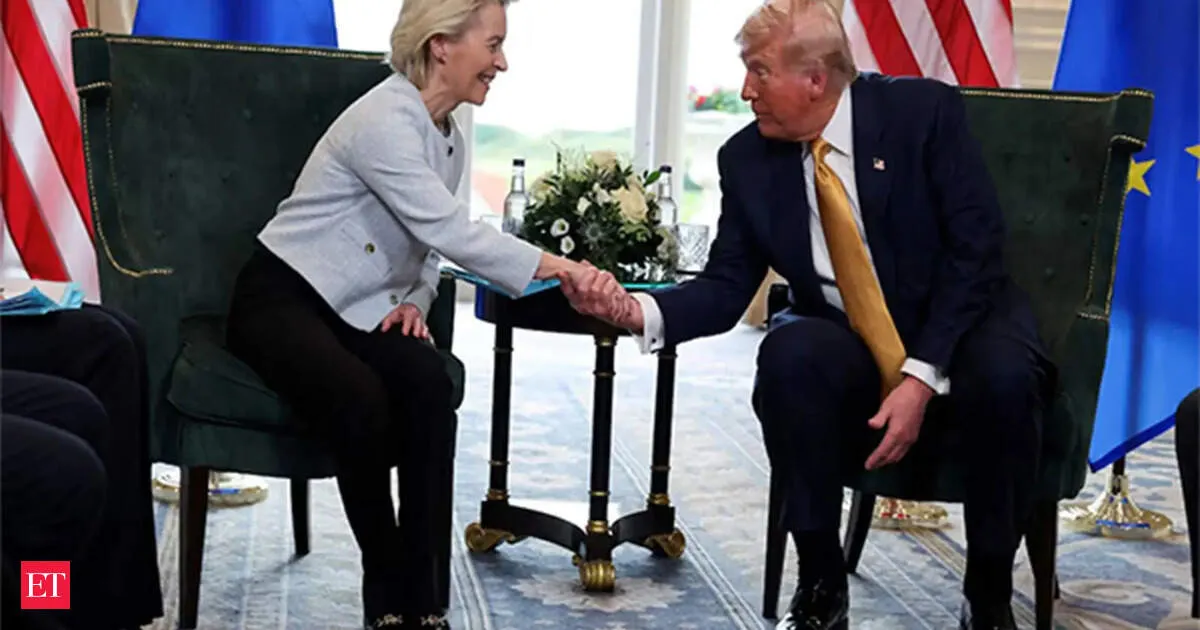
Donald Trump spoke with European Commission President Ursula von der Leyen, with both leaders stressing that Iran must never possess a nuclear weapon. The call also covered EU-US trade ties, with a shared commitment to implement their trade deal and continued progress toward tariff reductions.
Stay informed on the go
Bite-sized news from 100+ trusted sources, right in your pocket.
President Donald Trump has set a July 4 deadline for the European Union to meet its trade deal commitments. If the EU fails to comply, the US threatens much higher tariffs on a wide range of EU goods, including cars. Ursula von der Leyen said discussions are underway and the EU remains committed to implementing the deal.
A U.S. trade court ruled President Trump’s 10% global tariffs are unjustified under a decades-old law, blocking them for two importers and Washington state. Other businesses still face the duties while appeals play out. The ruling adds pressure to Trump’s tariff approach as trade talks with China loom, though the tariffs are expected to expire in July.
Swipe through stories, personalise your feed, and save articles for later — all on the app.