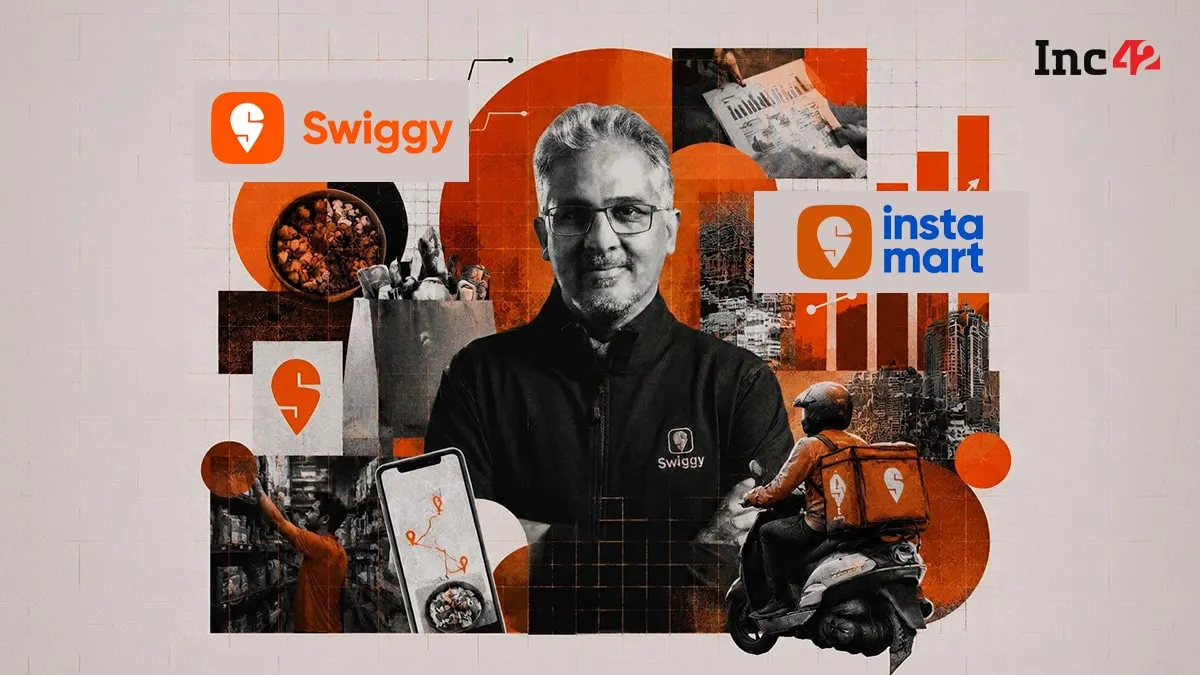
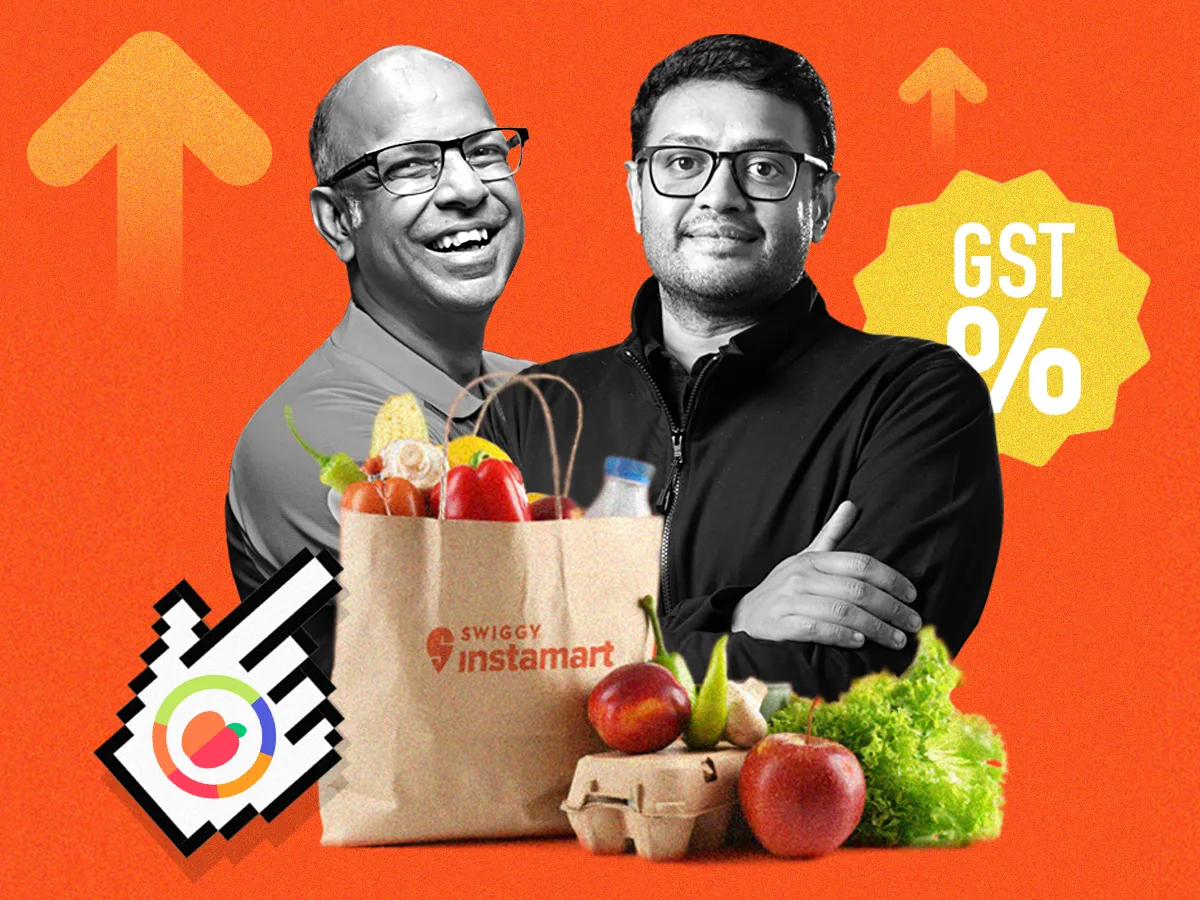
Swiggy has started steps to become an Indian Owned and Controlled Company by seeking shareholder approval to amend its articles and board nomination rules. The move is designed to satisfy FEMA IOCC conditions and strengthen domestic control. It also appears linked to Instamart’s shift from a marketplace approach to an inventory-led model that could boost margins and supply-chain control.
Swiggy is revamping its board structure to qualify as a wholly Indian concern under FEMA rules. The move is driven by stakeholder inquiries as the company manages foreign investment that accounts for roughly 60% of its shares. With India’s food delivery market fiercely competitive, the shift could give Swiggy greater autonomy and control in the next phase of growth.
Your news, in seconds
Get the Beige app — every story in 60 words, updated hourly. Free on iOS & Android.
Swiggy says it will adjust its board nomination policies to support its goal of becoming an Indian owned and controlled company. The move is intended to bring its governance structure in line with foreign exchange compliance requirements, as the company works through the regulatory pathway to meet ownership and control expectations.
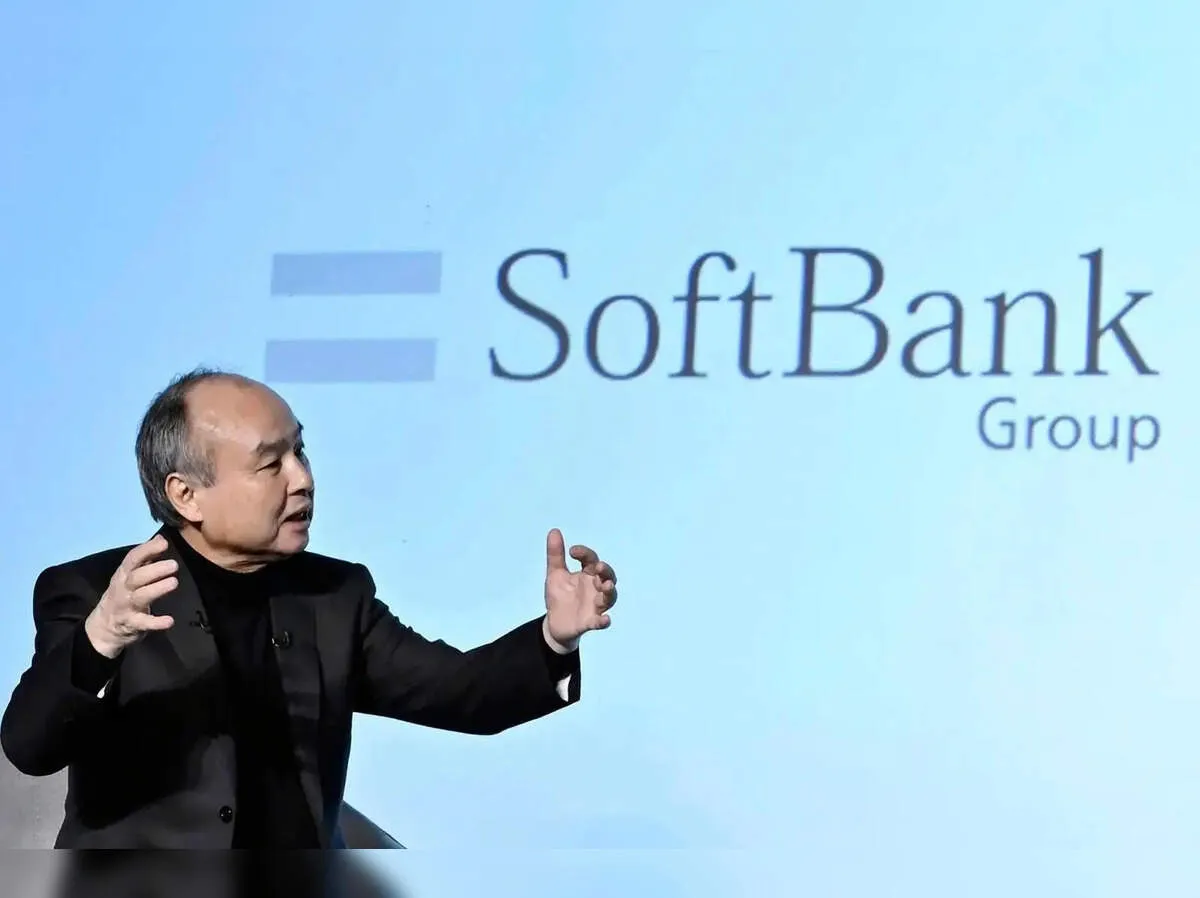
SoftBank’s Vision Fund took a major hit in India during the January to March quarter, with a reported $600 million paper loss tied to declines across key portfolio names. Swiggy and Ola Electric saw sharp market value drops, outweighing gains from other investments. The move highlights fresh pressure on parts of India’s startup market even as SoftBank remains deeply invested.
Brokerages have started coverage on Meesho, Swiggy, and three other Indian stocks, spotlighting big upside potential. JP Morgan rates Meesho “Overweight” with about 11% upside, while Equirus gives Swiggy a “Buy” targeting roughly 48% gains. Analysts also turned constructive on Capillary Technologies, Shadowfax Technologies, and Shyam Metallics.
Swiggy’s stock fell about 7% even after reporting a 45% jump in Q4 FY26 revenue to Rs 6,383 crore and a narrowed net loss. The pressure, analysts say, comes mainly from weakness in quick commerce via Instamart, where growth is slowing—despite solid performance in the core food delivery business.
Never miss a story
Set alerts for the topics and sources you care about. Download Beige for free.
Swiggy’s momentum in India’s quick-commerce race faces a hard reality check: profitability pressures, aggressive competition, and rising delivery economics. The question is whether yesterday’s growth and market gains can be defended—or if operational strain could flip a strong period into a costly reversal.
Swiggy’s stock fell up to 6.88% on Monday after its Q4 update showed the company’s net loss narrowed to Rs 800 crore, from Rs 1,081 crore a year earlier. Despite improving losses, the market reaction suggests investors were focused on other signals in the results and forward outlook, sparking sharp selling.
Swiggy shares fell about 7% after reporting a Q4 FY26 net loss of Rs 800 crore, even as the company showed narrowing losses and strong traction in food delivery and Instamart. While some brokerages like Nuvama, Nomura and Citi held bullish views on improving margins and execution, concerns remain about intensifying competition in quick commerce.
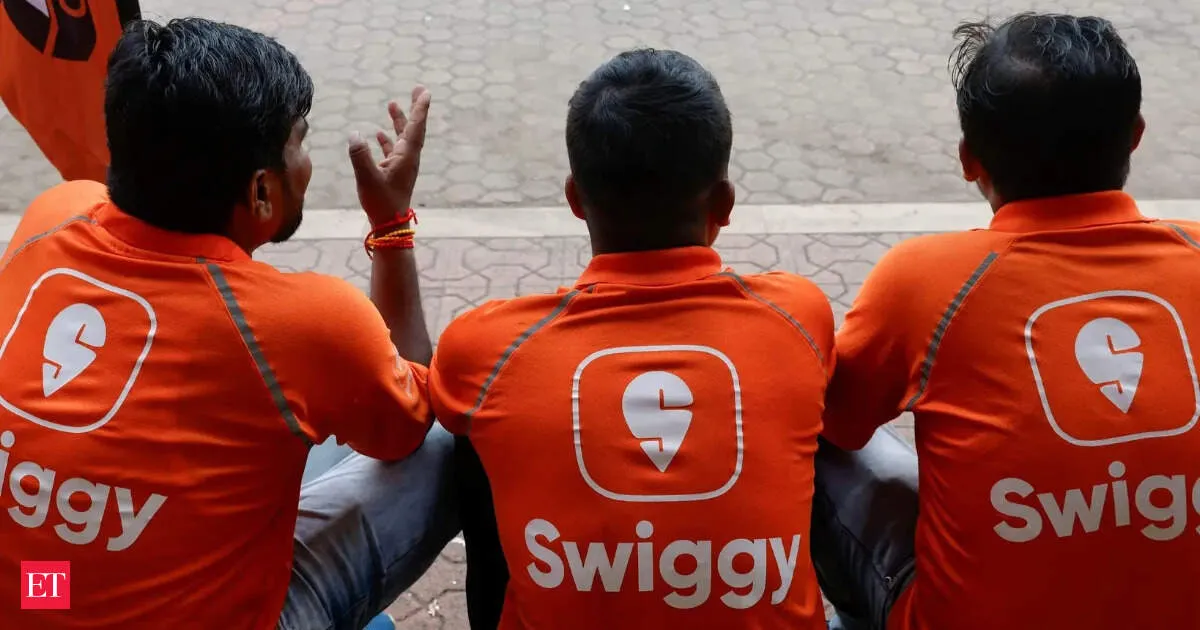
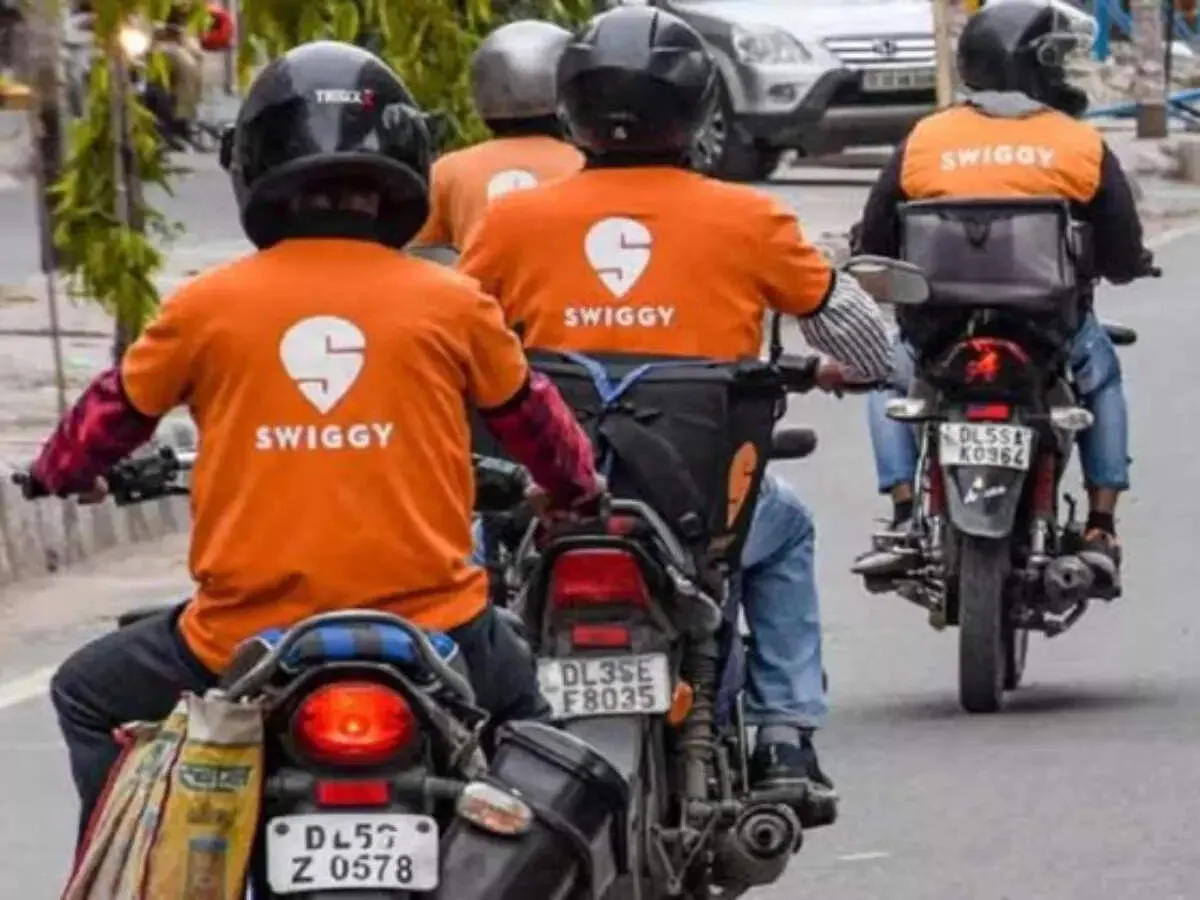
Swiggy and magicpin say delivery times are improving as gig workers return to cities. The shift follows state elections and the peak harvest season, which temporarily pulled riders away. With rider availability rising again, platforms expect services to normalise soon and the food delivery sector to regain momentum after a tough stretch.
Reading on mobile?
Open Beige in the app for a smoother experience — free on iOS and Android.
Swiggy says food delivery defied LPG crisis fears, with adjusted revenue up 23% year-on-year to ₹2,304 crore and sequential loss shrinking 24.9%. Profitability improved as margins edged higher and incentives were used more selectively. But quick commerce cooled: Instamart’s average order value fell to ₹700, with quarterly gross order value dropping—while Swiggy avoids chasing growth via aggressive pricing.
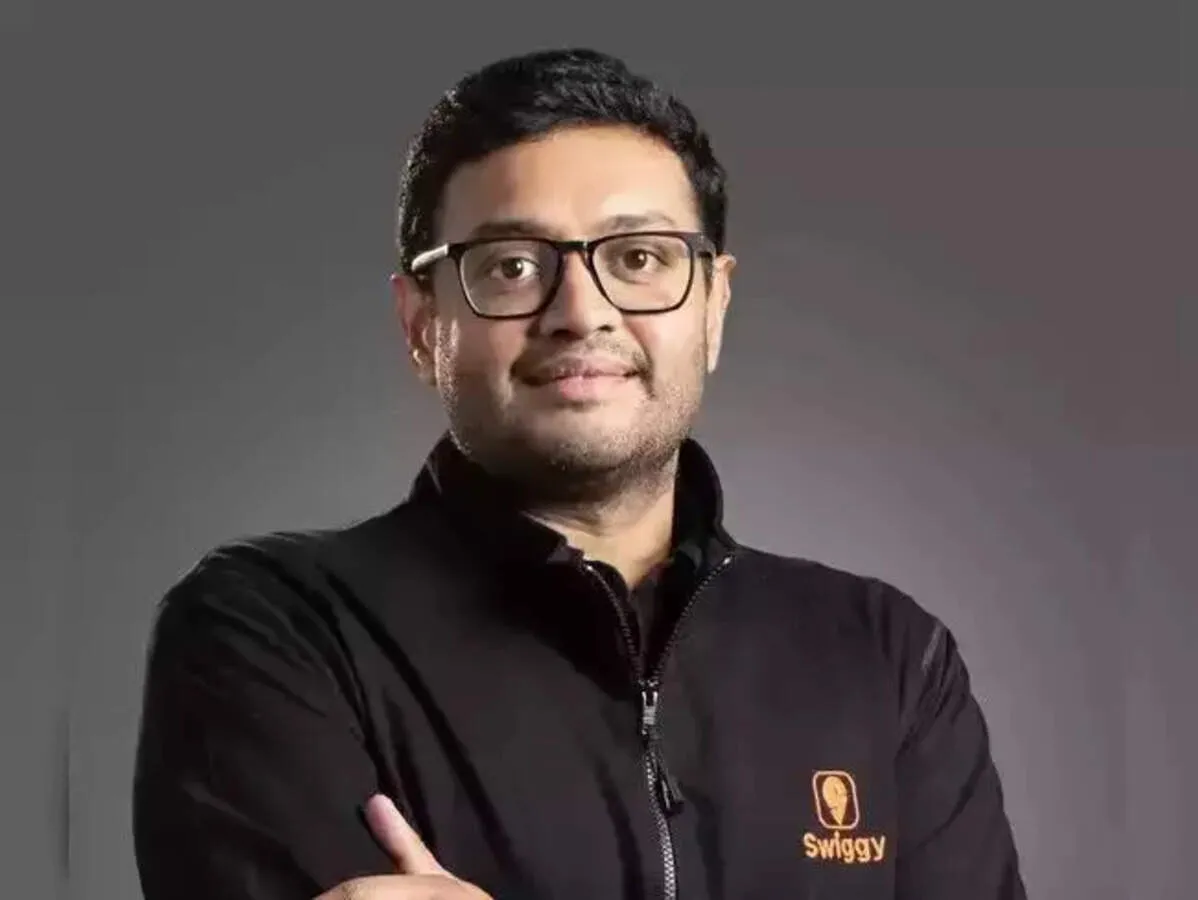
Swiggy founder Sriharsha Majety says the current quick commerce frenzy mirrors earlier telecom booms, where aggressive spending decided winners and losers. He argues strategic clarity matters most during cycles of heavy investment, and stresses Swiggy is balancing growth with profitability. The goal, he says, is long-term durability, not sacrificing market share for short-term relevance.
Swiggy and Urban Company ended the March quarter in losses, even as their revenues rose, underscoring the tough squeeze between growth and profitability. In the same ETtech Top 5, Zepto reportedly received an IPO go ahead, signaling a different path for new-age startups navigating investor expectations.
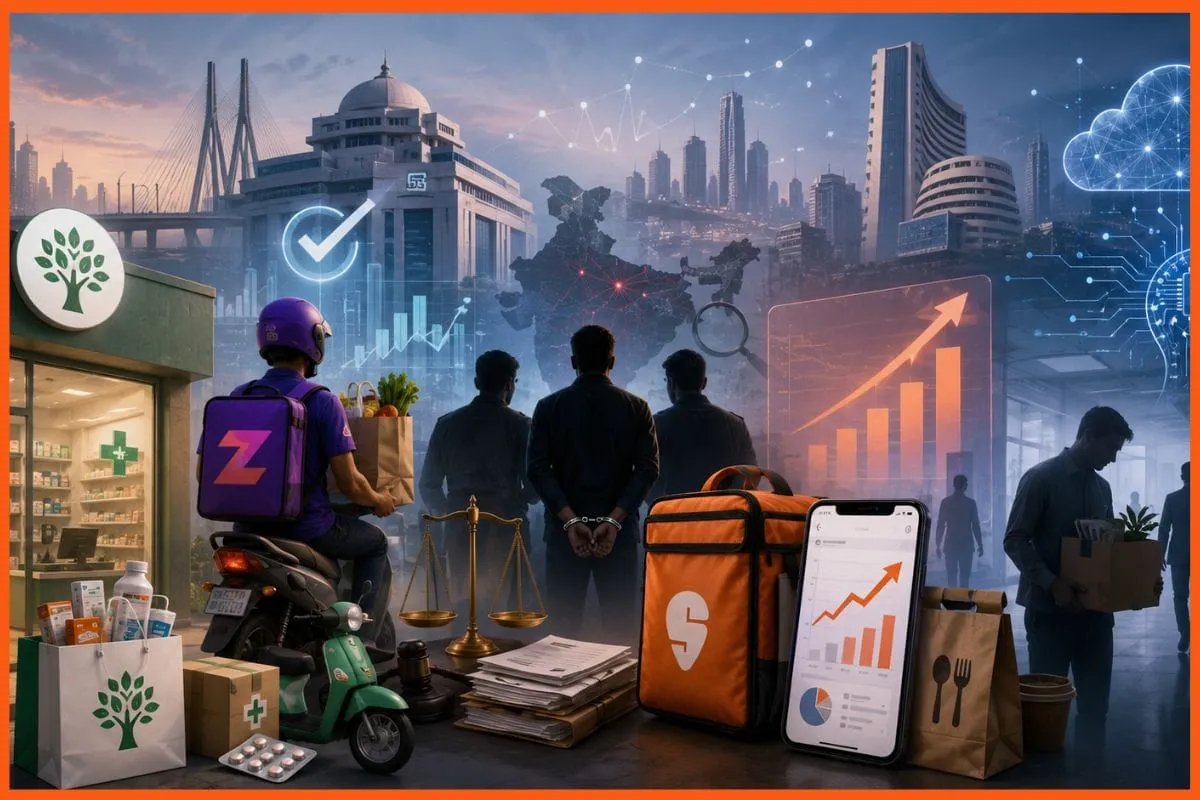
Startup and business news collided on 8 May 2026. Zepto secured SEBI approval for its $1.2 billion IPO, moving it closer to a landmark quick commerce listing. The ED arrested all three Gameskraft co-founders in a money laundering case tied to real-money gaming platforms. Swiggy also posted Q4 results with its loss narrowing 26% to ₹800 crore on 45% revenue growth.
Follow your favourite sources
Track sources, tags and categories — all in the Beige app.
Swiggy Instamart’s gross order value fell 0.7% sequentially to Rs 7,881 crore in the March quarter, even as it rose 68% year-on-year. The slowdown reflects a wider quick commerce shift: operators are prioritizing unit economics and profitability over chasing higher volumes at any cost.
Swiggy says its FY26 Q4 loss narrowed to Rs 800 crore, down from Rs 1081 crore a year earlier. The company also reported a 45% year-on-year revenue jump, signaling improving demand. While the turnaround looks encouraging, the next question for investors is whether growth can translate into healthier profitability going forward.
Swiggy and Eternal shares have slid as much as 30% in 2026, reigniting questions for investors on timing and risk. Both stocks began trading at demanding valuations, even as Eternal has posted some long-term gains. Analysts urge caution, saying it may be wiser to wait for clearer earnings and more normalized valuations, with Swiggy viewed as offering slightly better long-term risk-reward.
Swiggy has named long-time insider Swapnil Bajpai to lead its Dineout and Scenes businesses, betting on dining-out and experiences to grow higher-margin revenue beyond delivery logistics. In parallel, Dakshinayan’s founder built a chain from homemade idli-dosa batter into a multi-outlet tradition-led brand, now expanding into retail foods as the next generation brings tech and marketing.
Stay informed on the go
Bite-sized news from 100+ trusted sources, right in your pocket.
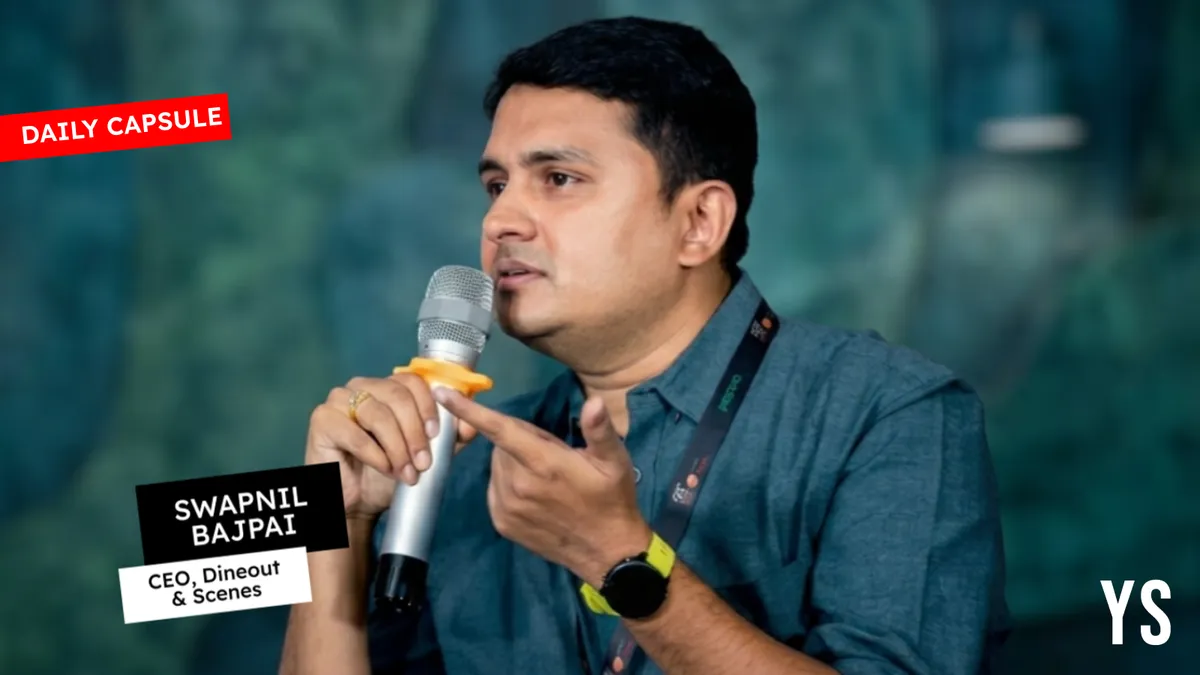
Swiggy has appointed Swapnil Bajpai as CEO of its Dineout and Scenes businesses, betting on higher-margin dining-out and experience revenues as competition heats up beyond core food delivery. Bajpai, a long-time Swiggy leader, will take full P&L ownership of a vertical formed from Swiggy’s Dineout acquisition and now expanded with Scenes’ events and nightlife focus.
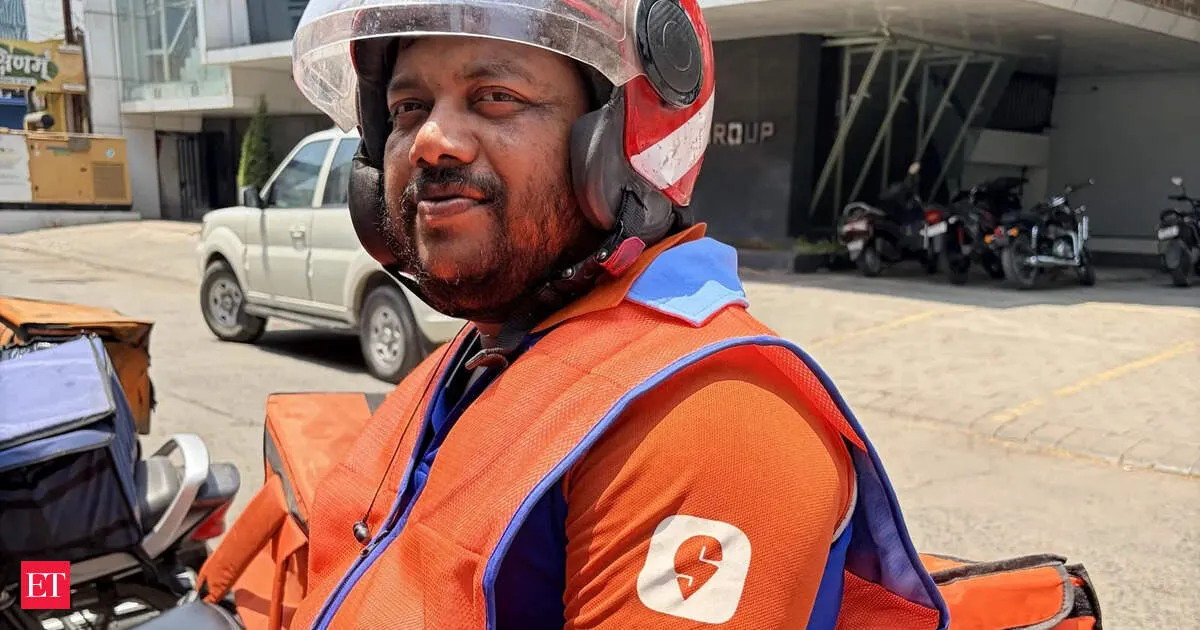
Swiggy is equipping delivery partners with special cooling vests designed to help them cope with extreme summer heat while working long hours. The initiative relies on evaporative cooling technology to bring down perceived temperature and provide practical relief. With heatwaves intensifying and projected to last longer, the company says it’s prioritising riders’ safety and well-being.
Swipe through stories, personalise your feed, and save articles for later — all on the app.