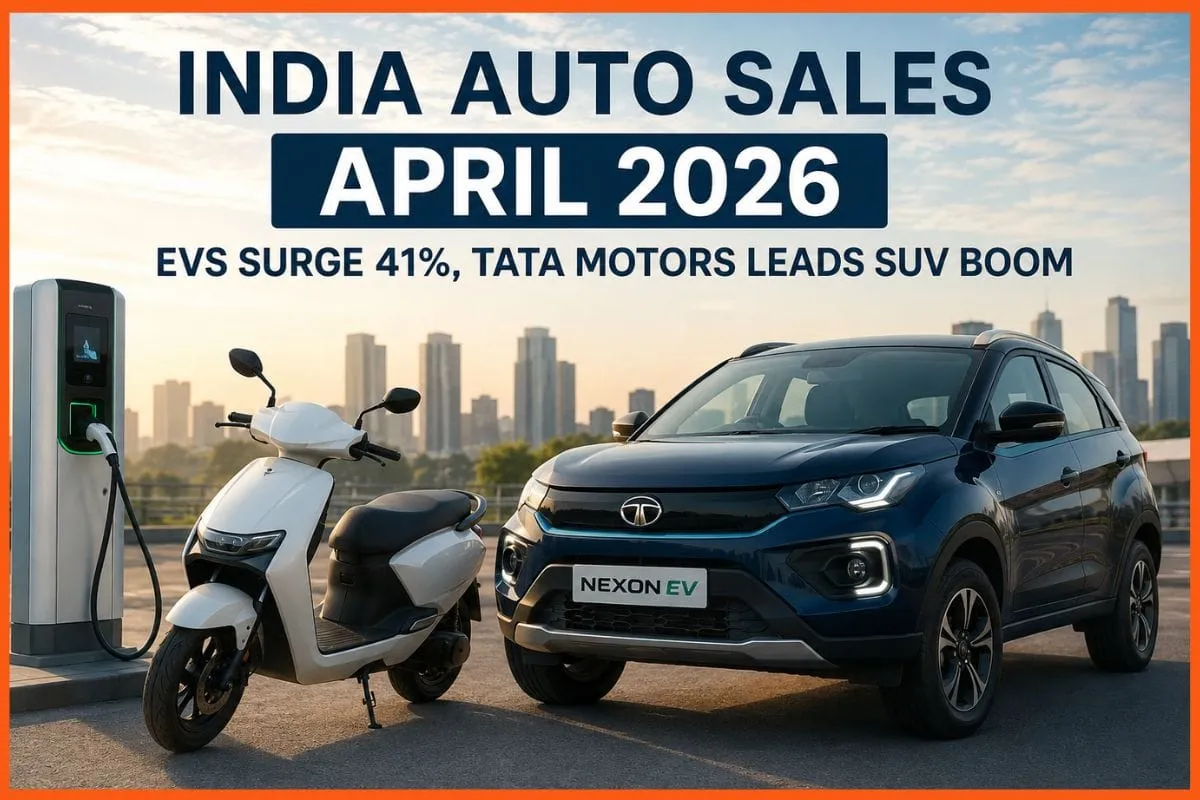
India’s auto market started FY27 strongly in April 2026, with EVs and SUVs driving the momentum. Overall EV sales jumped 41% YoY, led by a 61% surge in electric two-wheelers. Tata Motors stood out in passenger vehicles, clocking 59,000 sales and powering its growth largely through the Punch and Nexon SUVs.
Diesel engines still power many Indian SUVs thanks to torque and efficiency, but upcoming BS7 emission standards are expected to raise costs sharply. That may push buyers to reconsider diesel and explore alternatives like CNG, hybrids, or electric vehicles. Automakers are already expanding powertrain portfolios to match shifting regulations and customer preferences.
Your news, in seconds
Get the Beige app — every story in 60 words, updated hourly. Free on iOS & Android.
Tata Motors logged a 26.6% rise in October sales, reaching 61,295 units across domestic and international markets. The company credits the upbeat figures to unusual festive demand, record performance from its SUVs and EVs, and recent GST-related reforms. It also said more than one lakh vehicles were delivered between Navratri and Diwali.
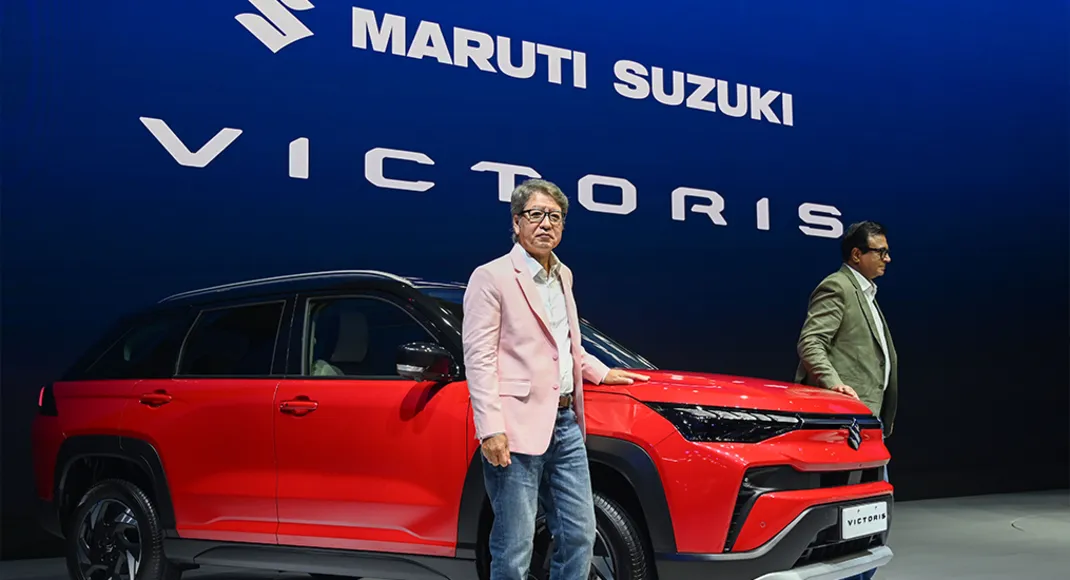
After years dominating India’s small-car market, Maruti Suzuki is pushing into the mid-size SUV battleground with its Victoris. The strategy leans on youthful design, fresh tech, and Maruti’s proven value-for-money approach to challenge Hyundai’s Creta. The question now is whether the new SUV can break into a fiercely competitive segment dominated by strong incumbents.
Swipe through stories, personalise your feed, and save articles for later — all on the app.