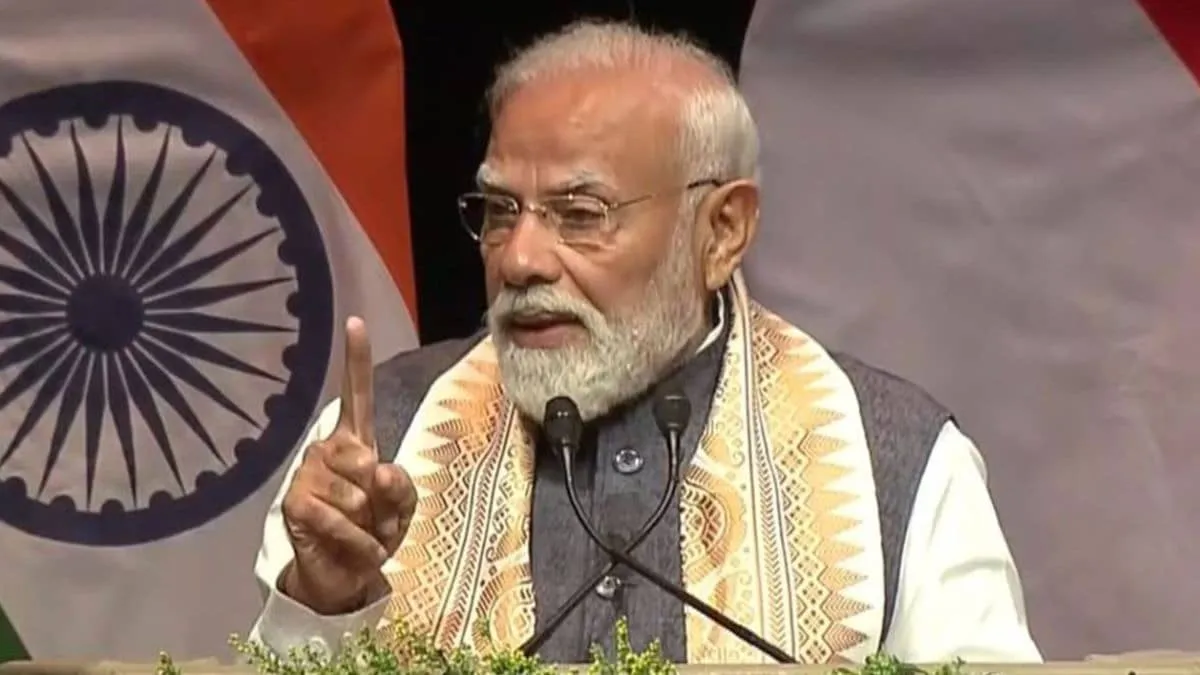
Speaking in The Hague during his five-nation tour, Prime Minister Narendra Modi said India and the Netherlands are building a “trusted, transparent and future-ready” supply chain to withstand repeated global shocks. He framed the current era as a “decade of disasters,” pointing to the COVID-19 pandemic, escalating wars and an emerging energy crisis. Modi warned that if countries fail to respond quickly, decades of development gains could be wiped out, driving large populations into poverty.
India is recalibrating its economic approach to East Africa as global supply chains realign and energy transition needs intensify. At a conference in New Delhi hosted by Chintan Research Foundation, speakers said bilateral trade has climbed steadily to nearly $16 billion, with strong import growth in 2024–25. The next step, they argued, is deeper industrial integration, regional value chains, and digital connectivity—especially around critical minerals. Bottlenecks in logistics, trade finance, and routing via West Asian hubs must be addressed for scale. Renewable energy cooperation was flagged as a long-term strategic collaboration.
Your news, in seconds
Get the Beige app — every story in 60 words, updated hourly. Free on iOS & Android.
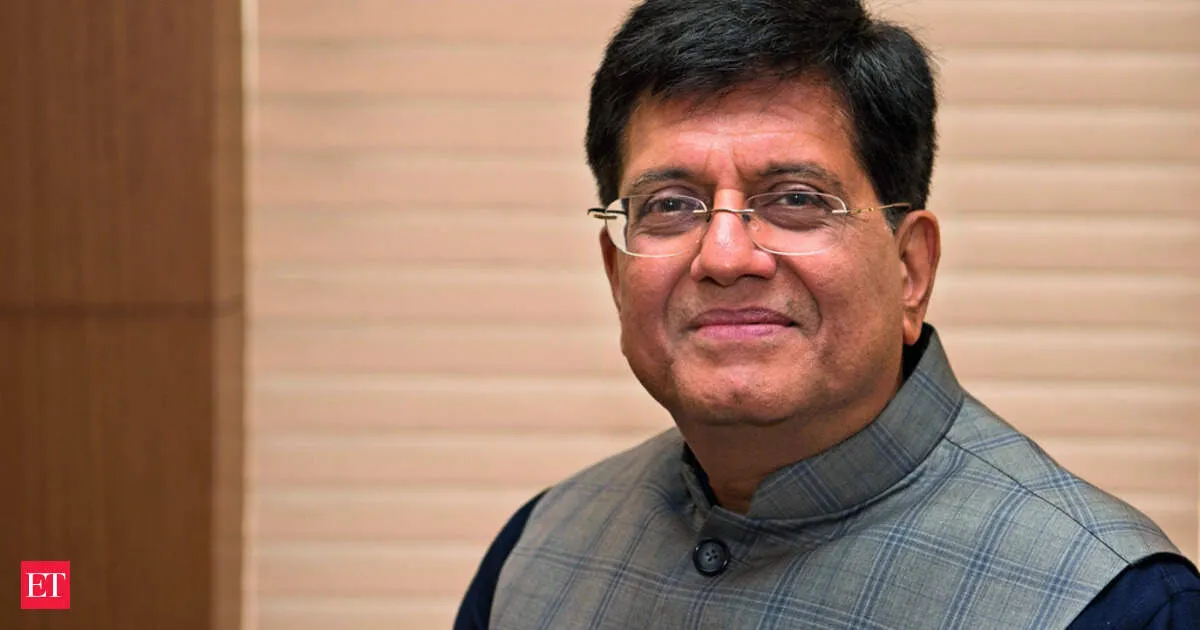
Commerce Minister Piyush Goyal called for aligning standards and customs procedures between India and Africa to unlock faster, smarter growth for businesses. Speaking ahead of the India-Africa Business Dialogue and Exhibition, he pointed to the AfCFTA’s nearly $3.4 trillion value and India’s expanding $4 trillion economy as a chance to diversify supply chains and move beyond raw-material trade toward integrated manufacturing. The minister highlighted cooperation in renewable energy, green hydrogen, green ammonia, electric mobility, and digitalization. Bilateral trade is projected at $93.69 billion in 2025-26.
India and Japan have stepped up economic cooperation through a key dialogue centered on industrial and technological partnerships. Both sides prioritised critical minerals, semiconductors, ICT, clean energy, and pharmaceuticals, with a shared focus on building resilient supply chains. Talks also extended to defence, trade, and energy security, signalling broader strategic alignment.
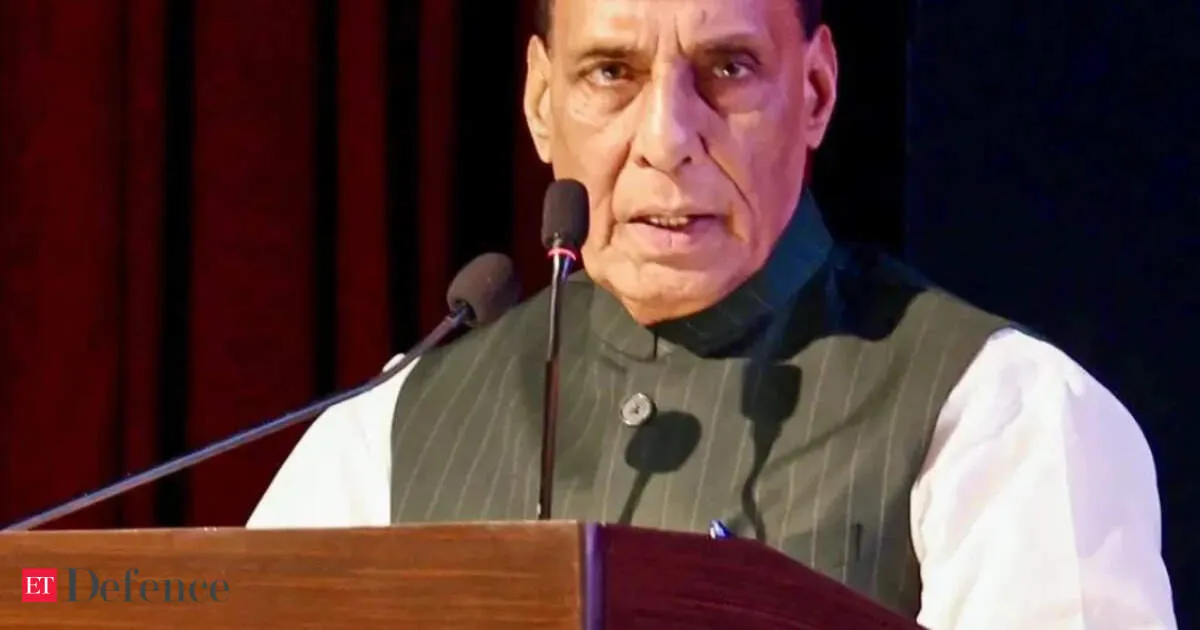
Amid instability in West Asia, Defence Minister Rajnath Singh said India is taking concrete steps to protect key supply chains and maintain reliable energy for citizens. He chaired a meeting focused on maritime security and economic resilience, noting the country’s petroleum reserves and urging fuel conservation to reduce financial pressure as global risks mount.
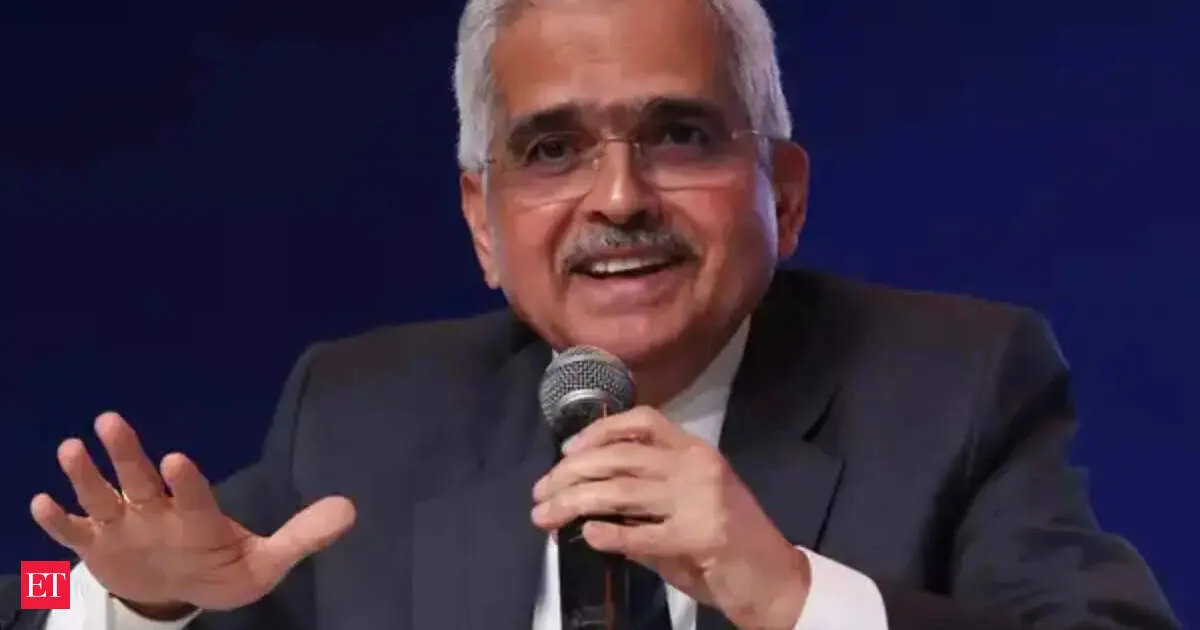
RBI governor Shaktikanta Das says India is better placed to absorb extreme energy demand shocks, but businesses must not bet on a single supply source. He points to the need for strategic reorientation as global supply chains remain disrupted. Infrastructure expansion and the push for renewables are seen as strengthening readiness, while diversifying markets and investing in R&D are key next steps.
Never miss a story
Set alerts for the topics and sources you care about. Download Beige for free.
India and Vietnam must deepen ties amid sweeping global shifts, Vietnam’s leader To Lam said. Key forces include the reconstruction of supply chains, intense strategic competition among major economies, the rapid rise of digital technologies like AI, a green transformation, and growing demands for economic autonomy. The call points to deeper cooperation to stay resilient in an unpredictable world.
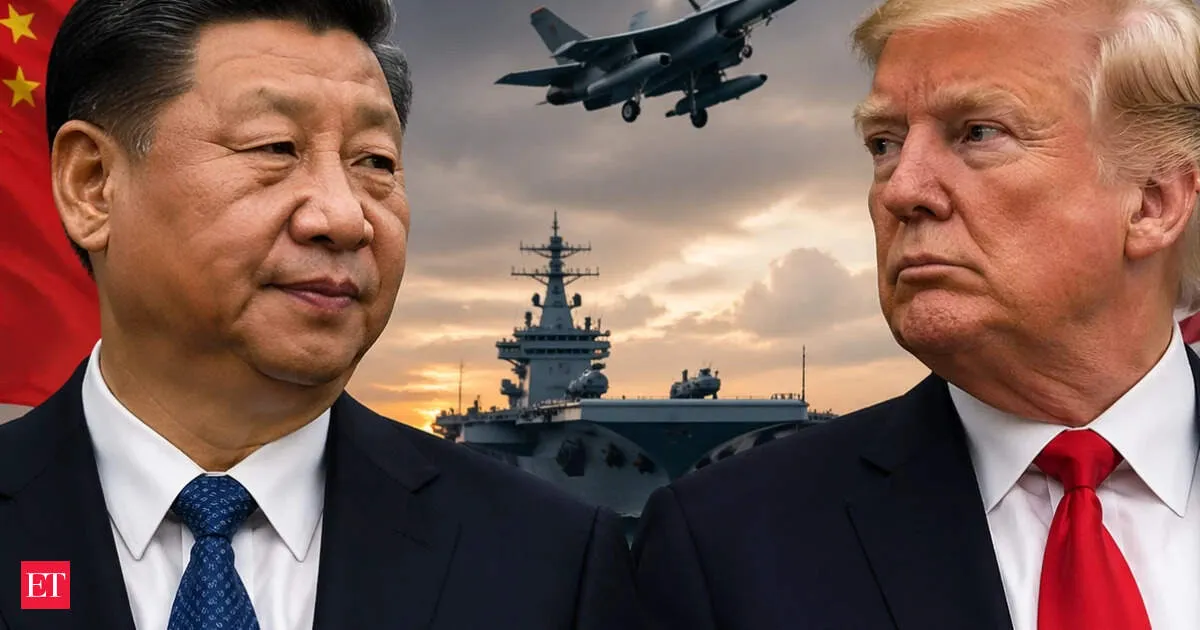
Quad foreign ministers are set to meet in New Delhi after Donald Trump’s China visit, with talks expected to target China’s expanding influence. The agenda highlights critical minerals, technology cooperation, and resilient supply chains. Separately, Indian companies have committed a record $20.5 billion in investments to the US, strengthening bilateral trade and especially pharmaceuticals.
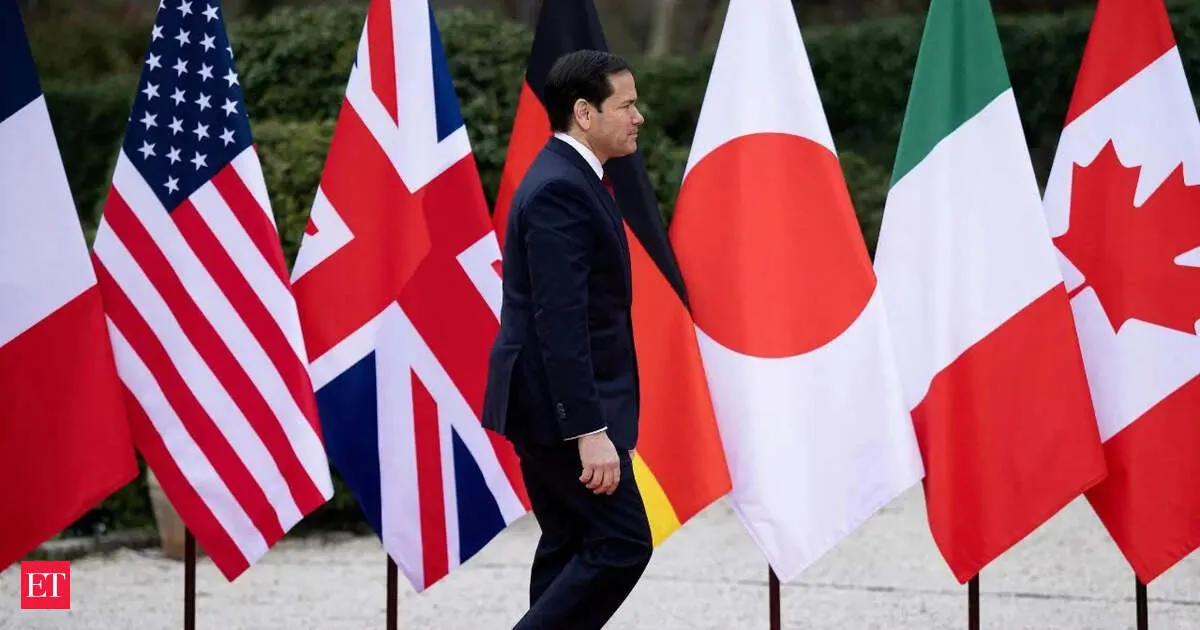
G7 trade ministers have sharply criticised “economic coercion,” alleging arbitrary export restrictions—especially on critical minerals—that could disrupt global supply chains. In a pointed message widely seen as directed at China, they warned such moves undermine economic security and resilience, urging caution over policies that can destabilise access to essential resources.
Indian companies are preparing to invest more than $20.5 billion in the United States, with plans spanning technology, pharmaceuticals, and manufacturing. US Ambassador Sergio Gor said the move is meant to deepen business ties between the two countries, while supporting American job creation and strengthening supply chains through new ventures and expanded operations.
Reading on mobile?
Open Beige in the app for a smoother experience — free on iOS and Android.
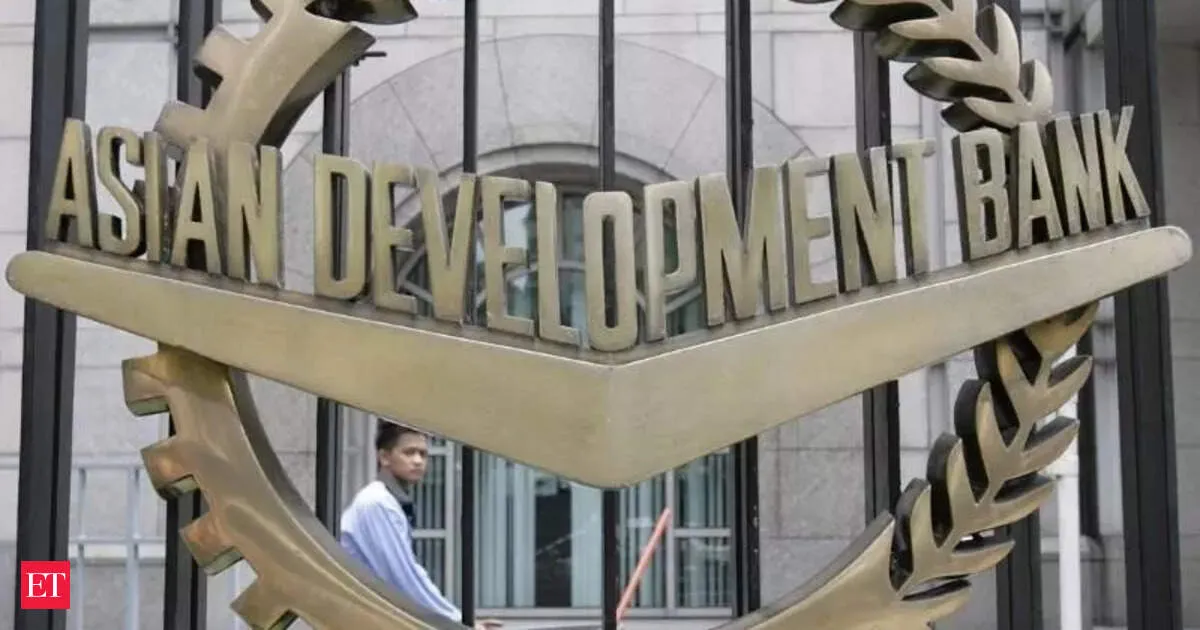
The Asian Development Bank has launched a new facility to strengthen critical minerals supply chains across Asia and the Pacific. The effort is designed to help developing economies shift toward higher-value clean energy and advanced technology industries. Japan and the UK provide initial grants, while Korea’s Eximbank and Trade Insurance add catalytic finance support.
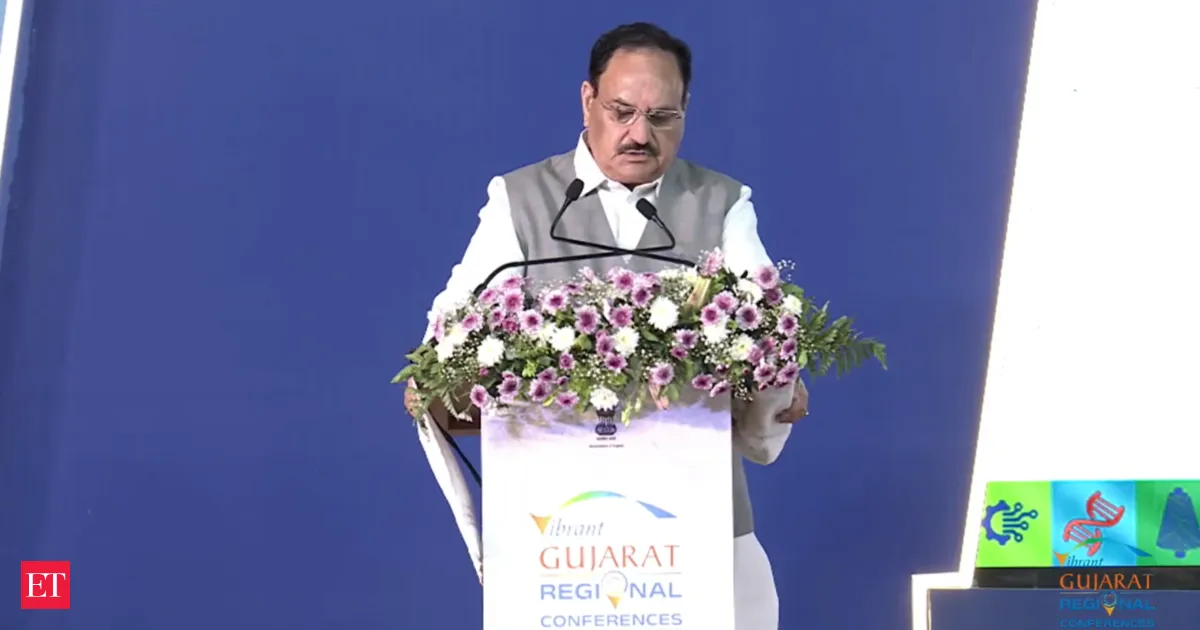
Union Minister JP Nadda urged India to use global uncertainty as a growth lever by expanding manufacturing, strengthening supply chains, and building resilience and self-reliance as the country targets developed-nation status by 2047. He pointed to a change in government-industry relations since Vibrant Gujarat, arguing it has deepened collaboration to cut vulnerabilities and accelerate economic growth, with special focus on South Gujarat’s role.
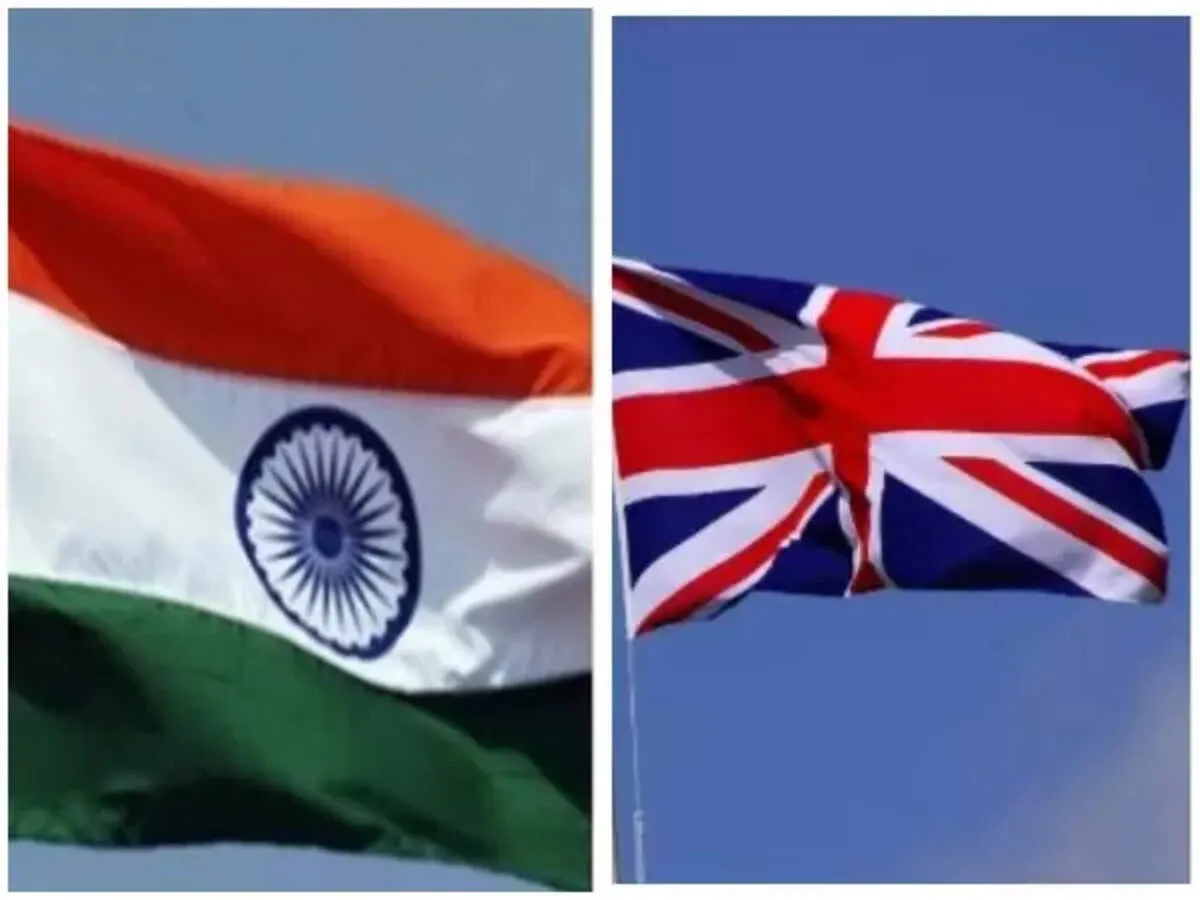
India and the UK are deepening cooperation through the Technology Security Initiative, a pact aimed at critical and emerging technologies. The effort is designed to strengthen and secure supply chains while supporting economic growth, with collaboration already spanning AI, quantum, biotechnology, and health tech. Joint innovation projects are underway to boost both nations’ technological capabilities.
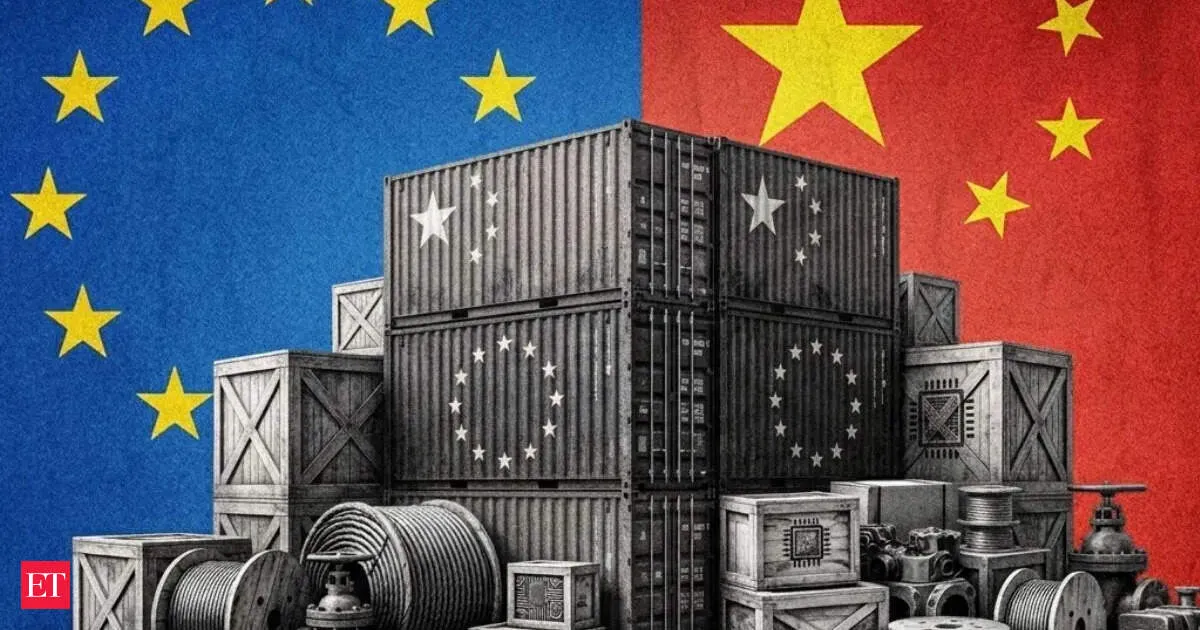
The EU is set to overhaul its industrial approach with the “Made in Europe” framework under the Industrial Accelerator Act. The plan targets stronger domestic manufacturing, less dependence on foreign suppliers, and job protection amid fears of deindustrialisation and strategic reliance, escalating economic tensions as China-related disputes intensify.
Follow your favourite sources
Track sources, tags and categories — all in the Beige app.
A new GTRI warning highlights how heavily India relies on China for industrial goods, with China accounting for over 30% of India’s industrial imports. The dependence is especially sharp in electronics and machinery, leaving India’s manufacturing exposed to supply shocks. Analysts say the widening China trade deficit makes diversification and faster domestic capacity-building urgent.
The US has sanctioned China’s Hengli Petrochemical, raising fresh fears across West Asia and the wider petrochemical market. While the target is a major refiner, the real concern is downstream disruption—affecting manufacturers that rely on key chemical and plastics feedstocks. Hengli denies allegations, and Beijing says it will protect its firms, escalating already tense global economic pressures.
West Asia unrest is pushing India to rethink risk management by identifying key economic chokepoints across energy, agriculture, and mineral supplies. Officials say diversifying sourcing, expanding renewable energy, and targeting supply and price risks together can blunt disruptions. The message also notes inflation remains manageable, but preparation for shock scenarios is now urgent.
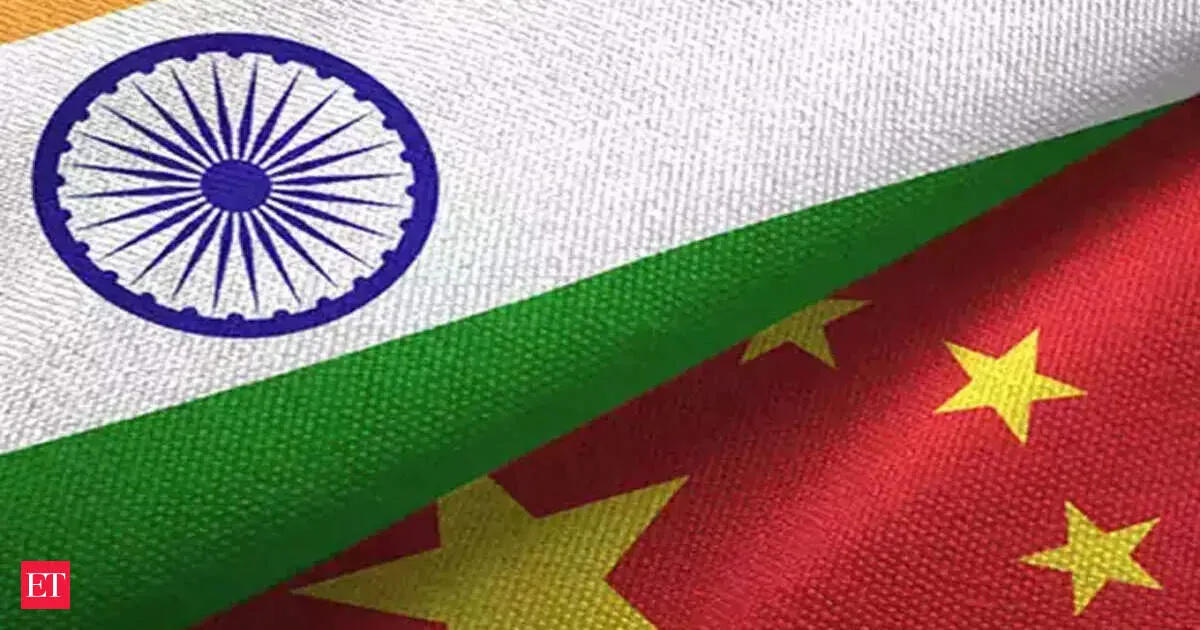
India is pursuing a multi-pronged push to increase exports to China while cutting reliance on Chinese imports. Officials say the approach centers on strengthening domestic industrial capabilities and building resilient supply chains, aiming to improve India’s export capacity and reduce vulnerability from dependence on external sources.
Stay informed on the go
Bite-sized news from 100+ trusted sources, right in your pocket.
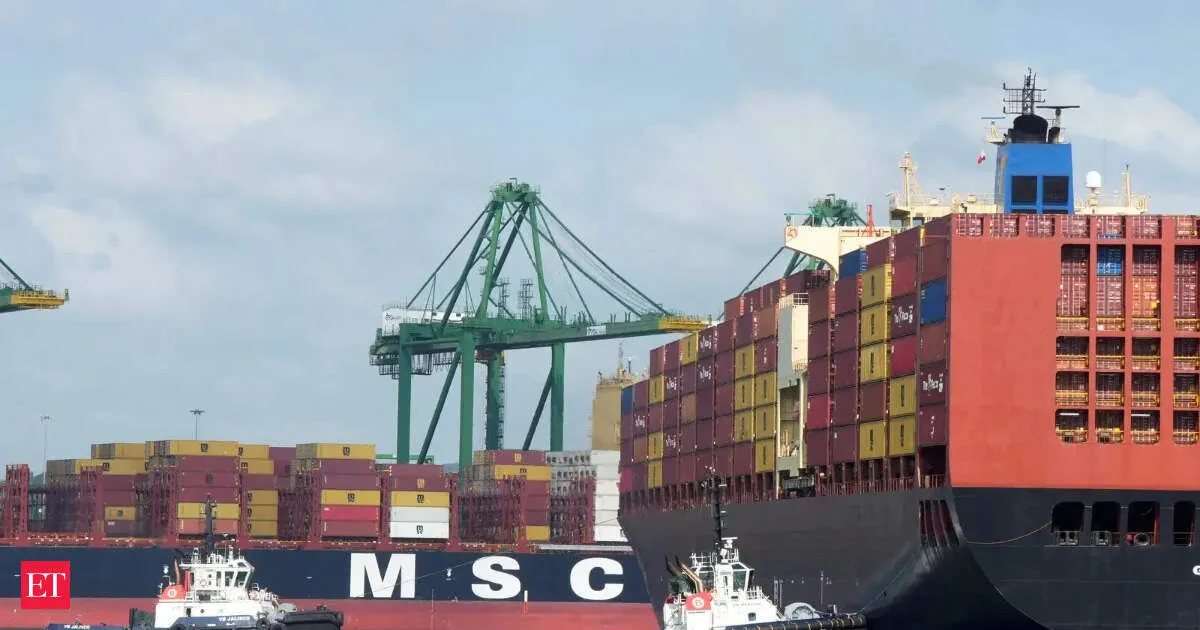
With the Strait of Hormuz disrupted by the Iran war, shipping companies are rerouting through the Panama Canal, paying steep fees for priority passage. Reports say some businesses can spend up to $4 million to move goods faster, straining global supply chains while boosting Panama’s earnings. The episode underscores how quickly geopolitical shocks can rewire trade routes worldwide.
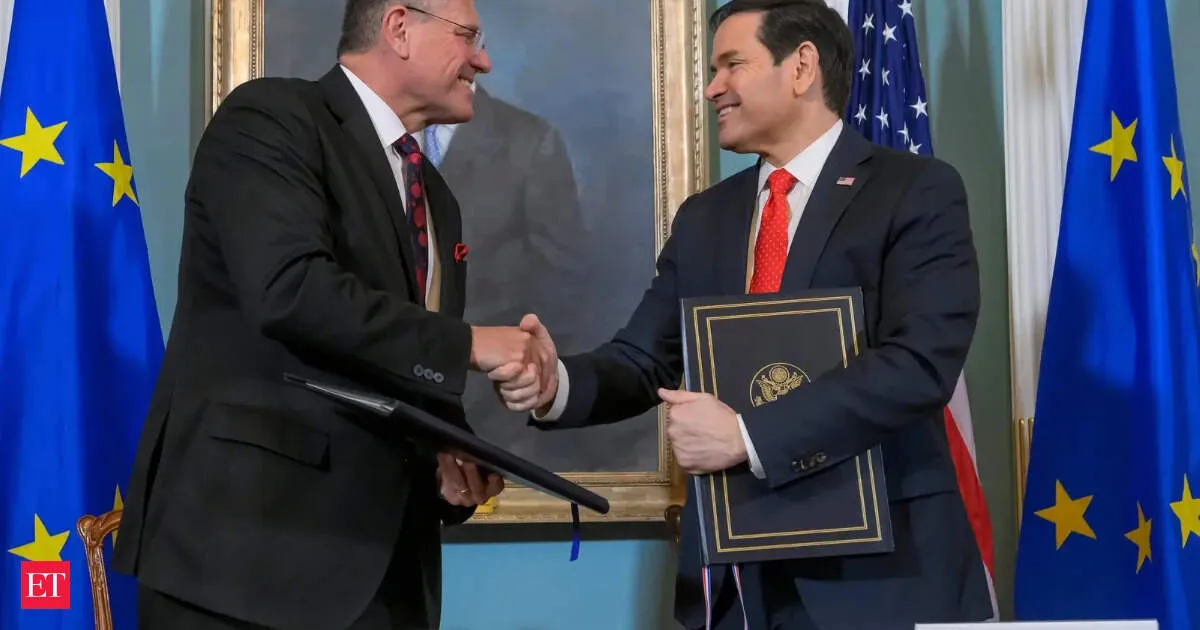
The US and European Union are deepening cooperation on critical minerals, aiming to cut reliance on China for materials vital to modern industries. Officials have signed an agreement focused on securing and producing these resources. Alongside it, a separate trade plan will tackle unfair practices, strengthening transatlantic ties and diversifying supply chains for emerging technologies.
Swipe through stories, personalise your feed, and save articles for later — all on the app.