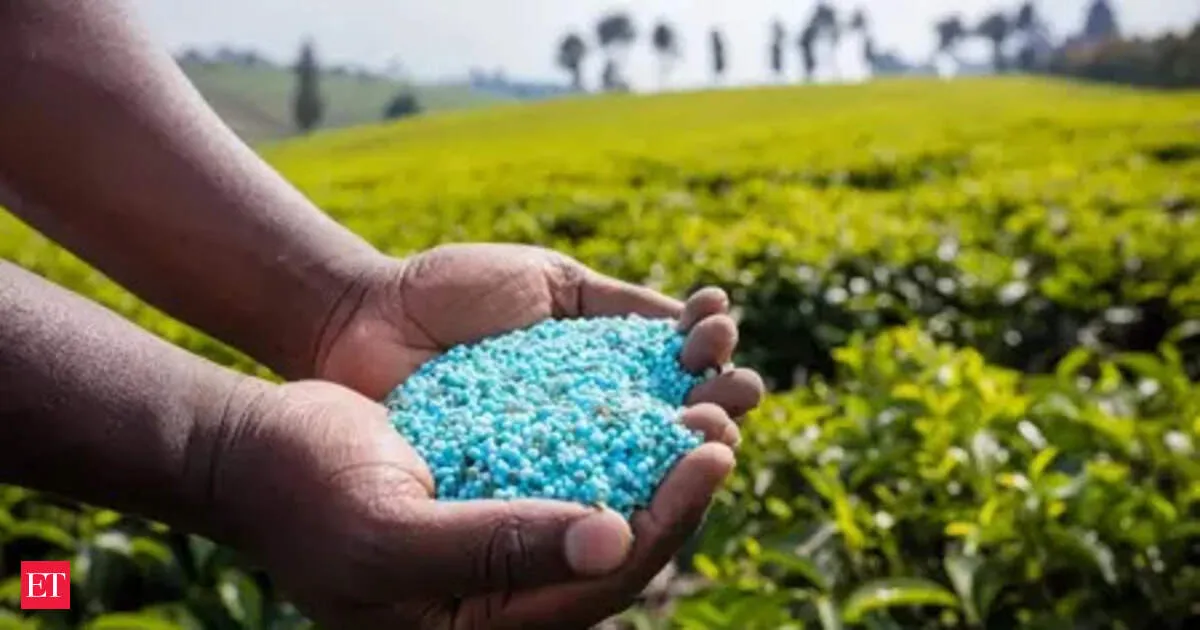
India may need to overshoot its fertiliser subsidy estimates by about Rs 70,000 crore, driven by heavy import dependence for DAP and limited domestic urea coverage. With DAP imports accounting for over 80% of requirements and urea production meeting only 30–35% of total demand, officials say the Centre is focused on ensuring sufficient stocks for farmers at affordable rates.
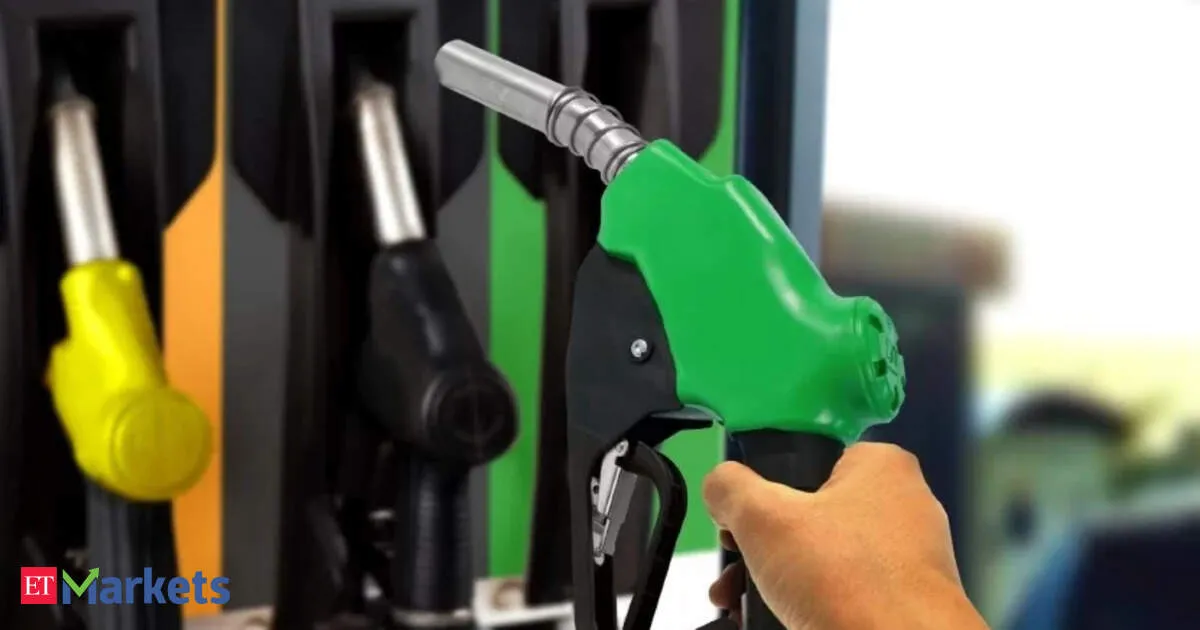
After the Middle East war began, Indian state-owned oil marketing companies kept petrol, diesel and LPG supplies running with prices far below cost. But those under-recovery losses are building quickly, and analysts warn that Q1 fuel losses could erase entire fiscal-year earnings for the companies—unless pricing and reimbursement keep up.
Your news, in seconds
Get the Beige app — every story in 60 words, updated hourly. Free on iOS & Android.
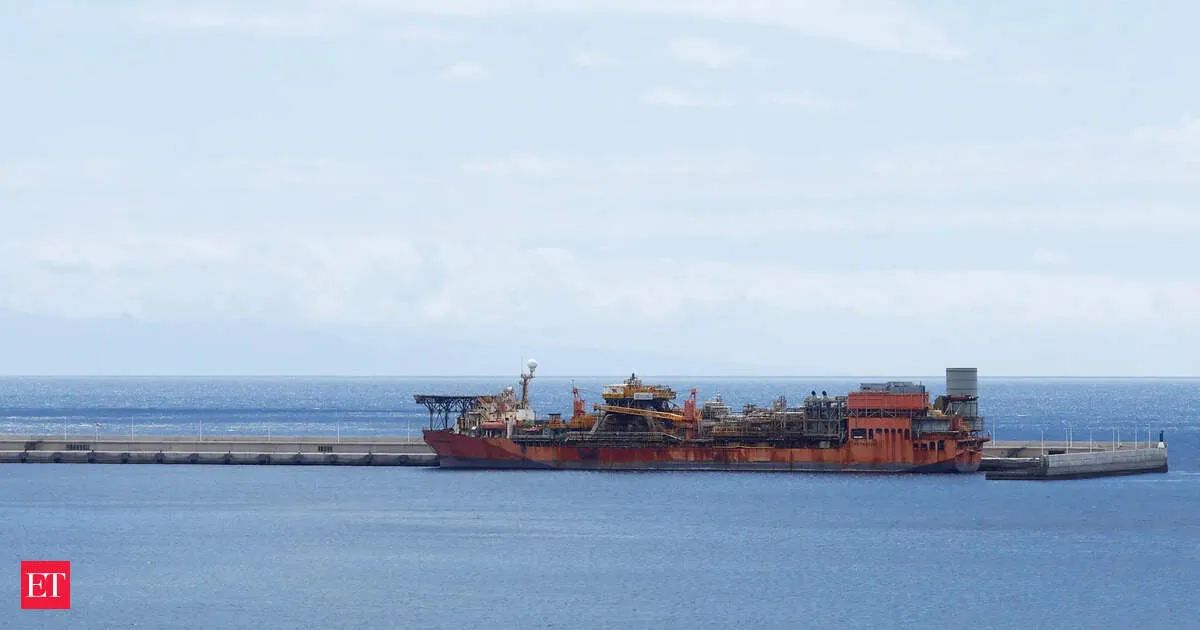
India’s shipping ministry has extended a key subsidy for Indian companies that flag merchant ships, pushing the scheme’s timeline to FY2030-31. The move is designed to strengthen India’s maritime fleet and expand its global shipping role, while offering financial backing to shipping firms participating in government cargo tenders.
The government has said there is currently no proposal to supply edible oils to consumers at subsidised rates. Data shows domestic production of edible oils in 2020-21 was 111.51 lakh tonnes against imports of 134.52 lakh tonnes, while demand reached 246.03 lakh tonnes. Groundnut oil retail prices also rose sharply to Rs 176.28 per kg.
Swipe through stories, personalise your feed, and save articles for later — all on the app.