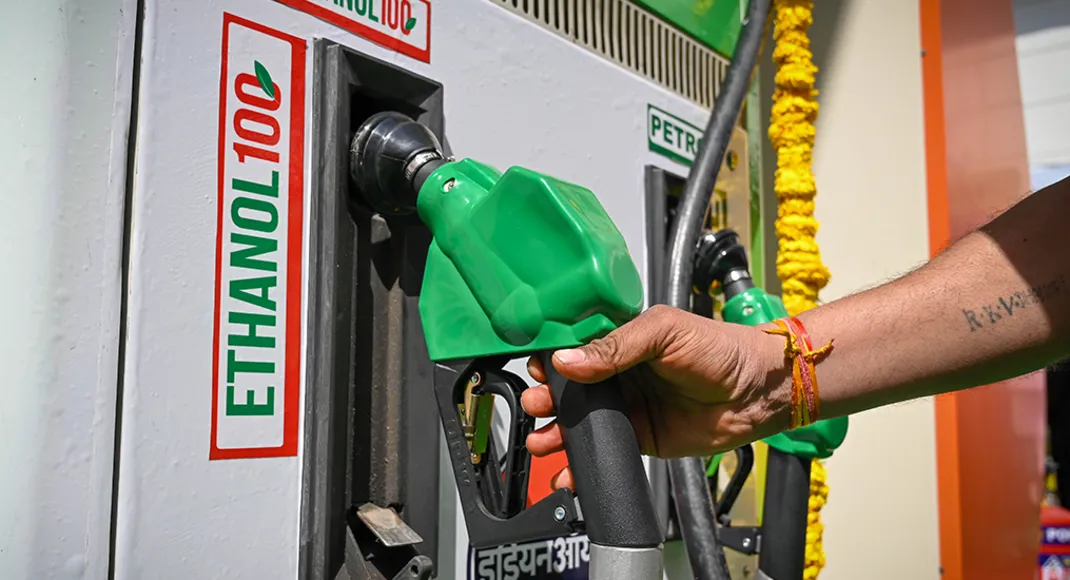
From India to China, governments are rolling out a patchwork of measures to blunt rising energy costs tied to the U.S. Israeli war on Iran. Policies range from fuel tax tweaks and strategic reserve releases to subsidies, tax cuts, and external financing. Some countries are also pushing conservation and accelerating domestic supply and alternative energy to reduce future shocks.
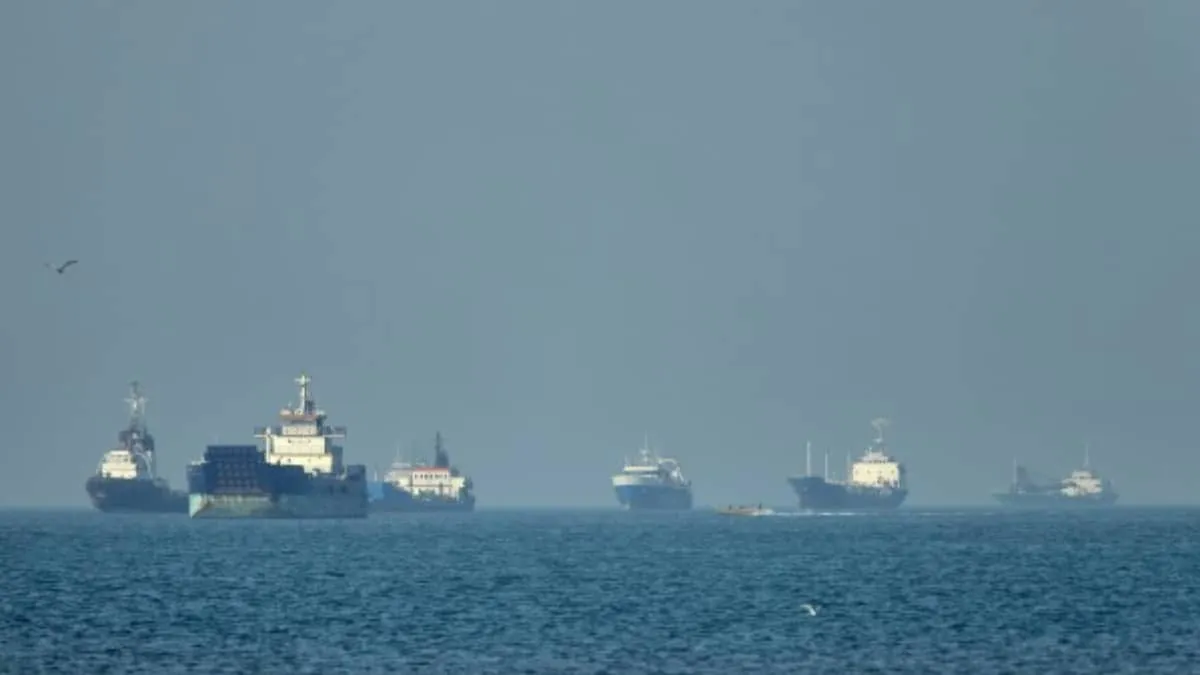
The Strait of Hormuz closure earlier this year triggered severe global disruption, cutting off a key route for oil supplies and exposing vulnerabilities in oil-importing nations. India shielded consumers from fuel price spikes by deploying emergency steps, diversifying sourcing, and using subsidies, even as crude prices surged and oil firms reported major losses.
Your news, in seconds
Get the Beige app — every story in 60 words, updated hourly. Free on iOS & Android.
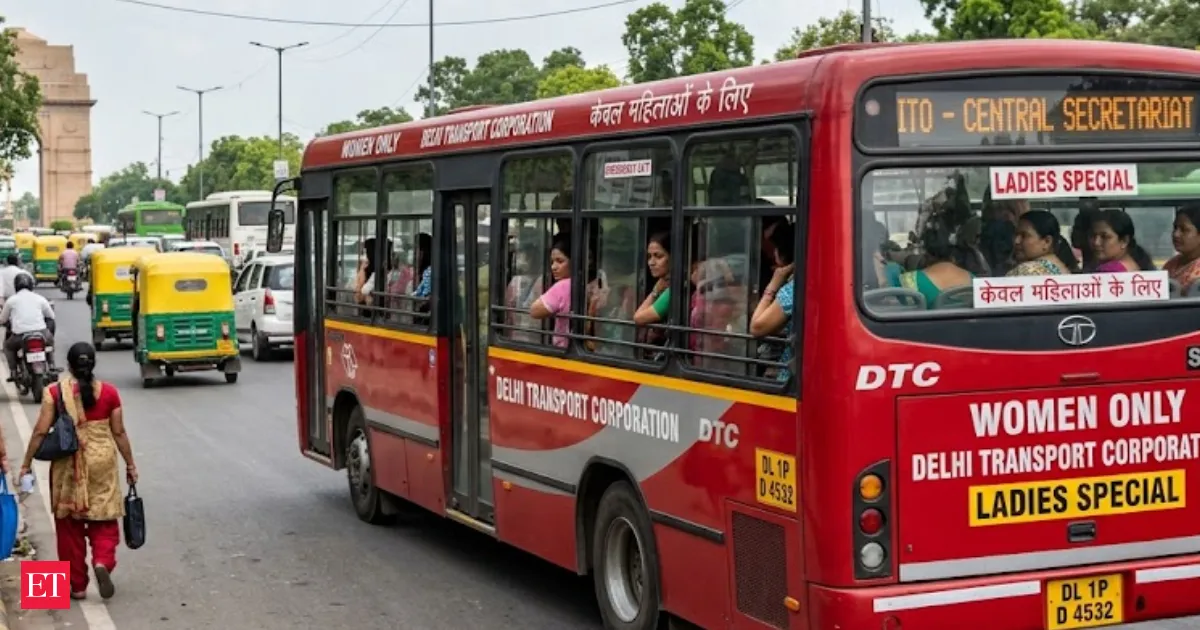
Delhi plans to phase out pink tickets for women’s free travel on DTC and cluster buses from July. Officials say the change will streamline subsidies and link benefits with the National Common Mobility Card via Pink Saheli Smart Cards. About six lakh women have already registered, and awareness drives are set before enforcement tightens.
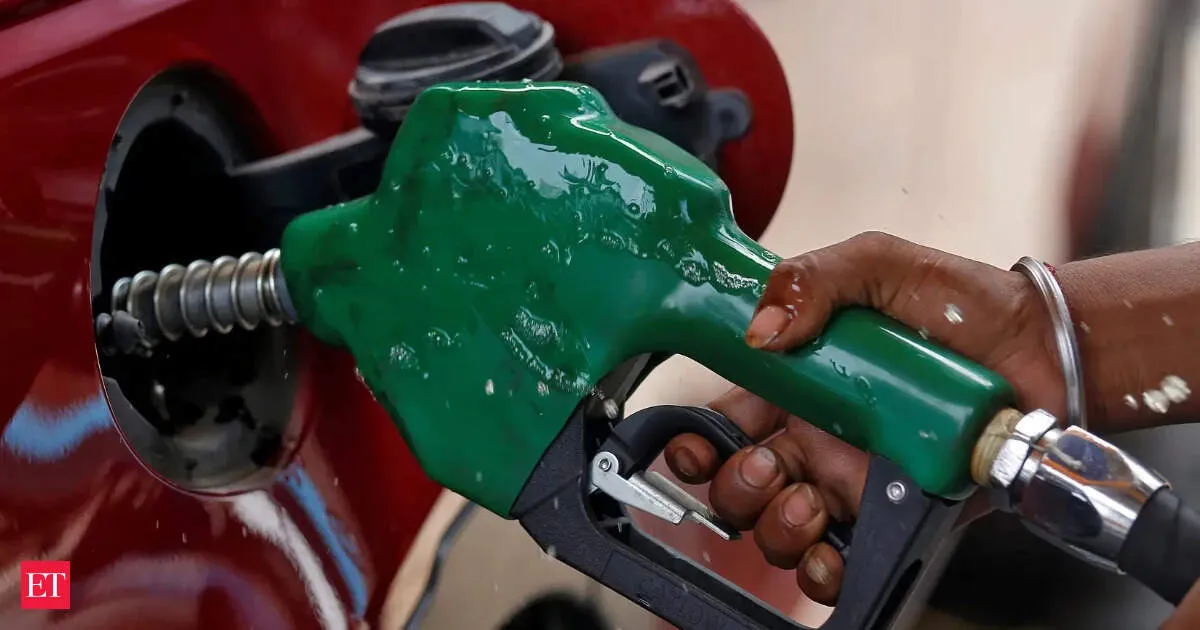
With assembly elections over, speculation is growing that India may see petrol and diesel price hikes. Despite government assurances, the IMF urges the country to pass on rising crude oil costs to consumers, arguing it could curb demand and help the market adjust. The IMF also backs targeted subsidies for vulnerable groups rather than broad price controls.
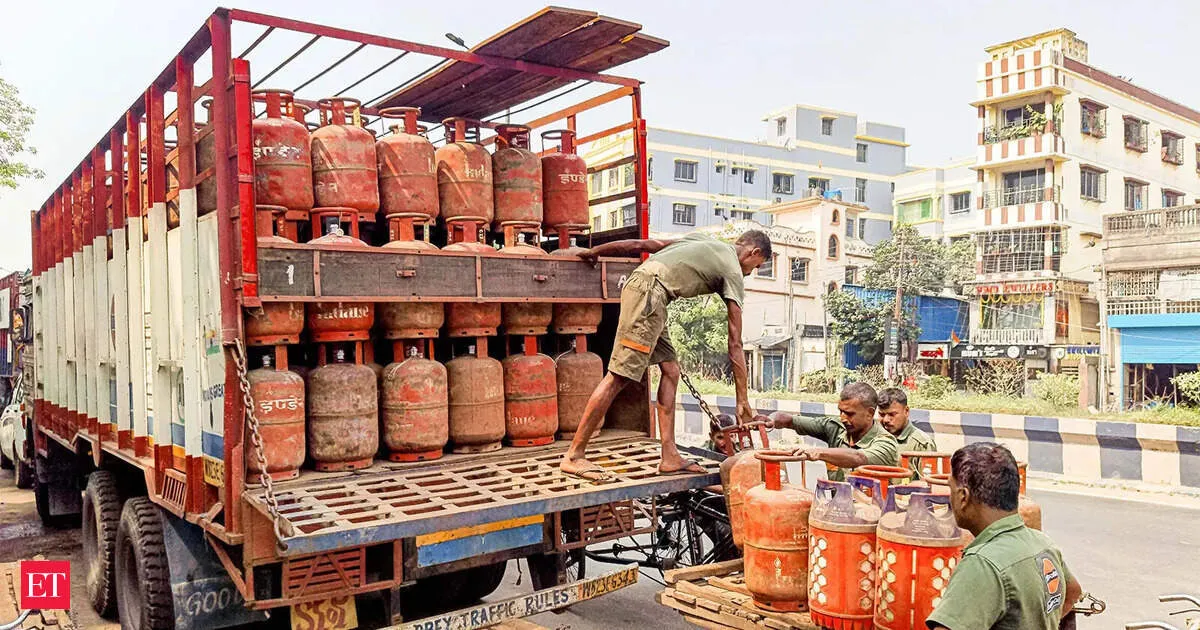
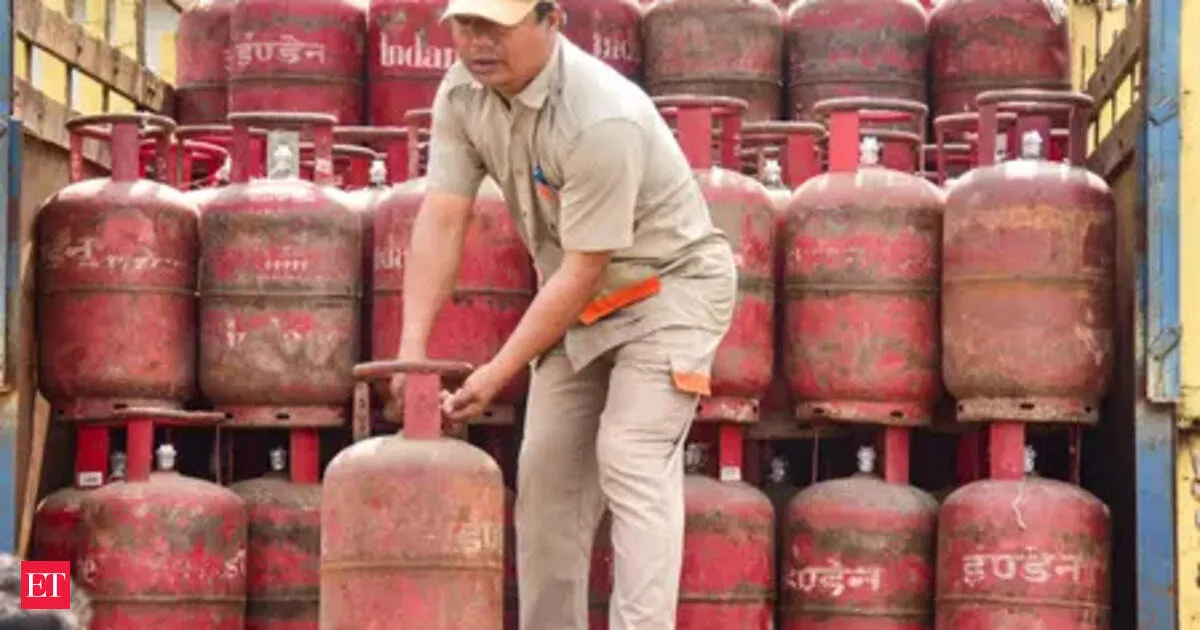
ICRA warns Indian oil companies may face LPG under-recoveries climbing to as much as Rs 80,000 crore by FY2027. Disruptions from West Asia and persistently high global prices are squeezing margins, while fertiliser costs are rising sharply and adding pressure on government subsidies. The knock-on effect could extend to chemical, gas and other downstream sectors next fiscal year.
The government is now screening households that hold both LPG and PNG connections to prevent dual ownership and potential subsidy misuse. Under the new enforcement, families with piped natural gas connections are required to surrender their domestic LPG cylinders so supply can be prioritized for households without piped gas. So far, more than 43,000 LPG connections have been surrendered.
Never miss a story
Set alerts for the topics and sources you care about. Download Beige for free.
Indian oil companies are taking heavy hits as crude oil prices stay elevated, slashing marketing margins on petrol and diesel. LPG is expected to see under-recoveries of around Rs 80,000 crore this fiscal, while fertiliser subsidies are also forecast to rise. Profitability across energy-linked sectors could worsen unless global tensions ease and supply chains normalize.
Ahead of the Kharif season, the government says India’s fertiliser supply is robust, with data showing availability exceeding expected demand for key nutrients. It claims stocks are high and is tightening monitoring to prevent hoarding while ensuring timely distribution. With support for subsidised urea and both global sourcing and domestic production, officials say farmers won’t face shortages.
India’s fiscal deficit for FY27 is likely to exceed the budgeted target, with BMI projecting it could reach about 4.5% of GDP. The pressure is linked to policy responses to the West Asia conflict, including support for firms, higher energy and fertilizer subsidies, and possible export curbs on critical inputs like helium and sulphur. Infrastructure spending may also be deferred to contain costs.
Crude oil prices have been falling and pump rates remain largely steady, but state-run IndianOil’s net profit has still dropped by 67%. The question now is why margins are getting squeezed, with attention turning to the lingering impact of past subsidies and under-recoveries that can distort earnings even when fuel prices don’t move.
Reading on mobile?
Open Beige in the app for a smoother experience — free on iOS and Android.
MSME entrepreneurs in Noida and Greater Noida say a recent rise in wages and overtime rules is pushing up operating costs faster than revenue can follow. They argue policy changes are out of sync with ground realities and are urging the government for financial relief through subsidies and other supportive measures to prevent margin pressure from worsening.
Swipe through stories, personalise your feed, and save articles for later — all on the app.