New Zealand is quickly becoming a top study abroad pick for Indian students as the India-New Zealand FTA reshapes mobility. Policy stability and clearer post-study work pathways are boosting confidence, while students are applying a sharper cost-benefit lens. The result is a shift away from old destination habits toward choices backed by practical outcomes.
Foreign universities are revamping recruitment strategies as Indian student interest appears to cool. With traditional appeal losing steam, institutions are leaning on aggressive outreach, new partnerships, and sharper messaging to stand out in a crowded global education market, amid changing costs, visa realities, and shifting preferences among applicants.
Your news, in seconds
Get the Beige app — every story in 60 words, updated hourly. Free on iOS & Android.
France says it will raise tuition fees for most non EU students starting the 2026 27 academic year. Bachelor programs are set at €2,895 annually and master’s at €3,941, replacing broad exemptions with a system of differentiated fees. The change is designed to reshape international recruitment, steering demand toward areas like AI and biotechnology.
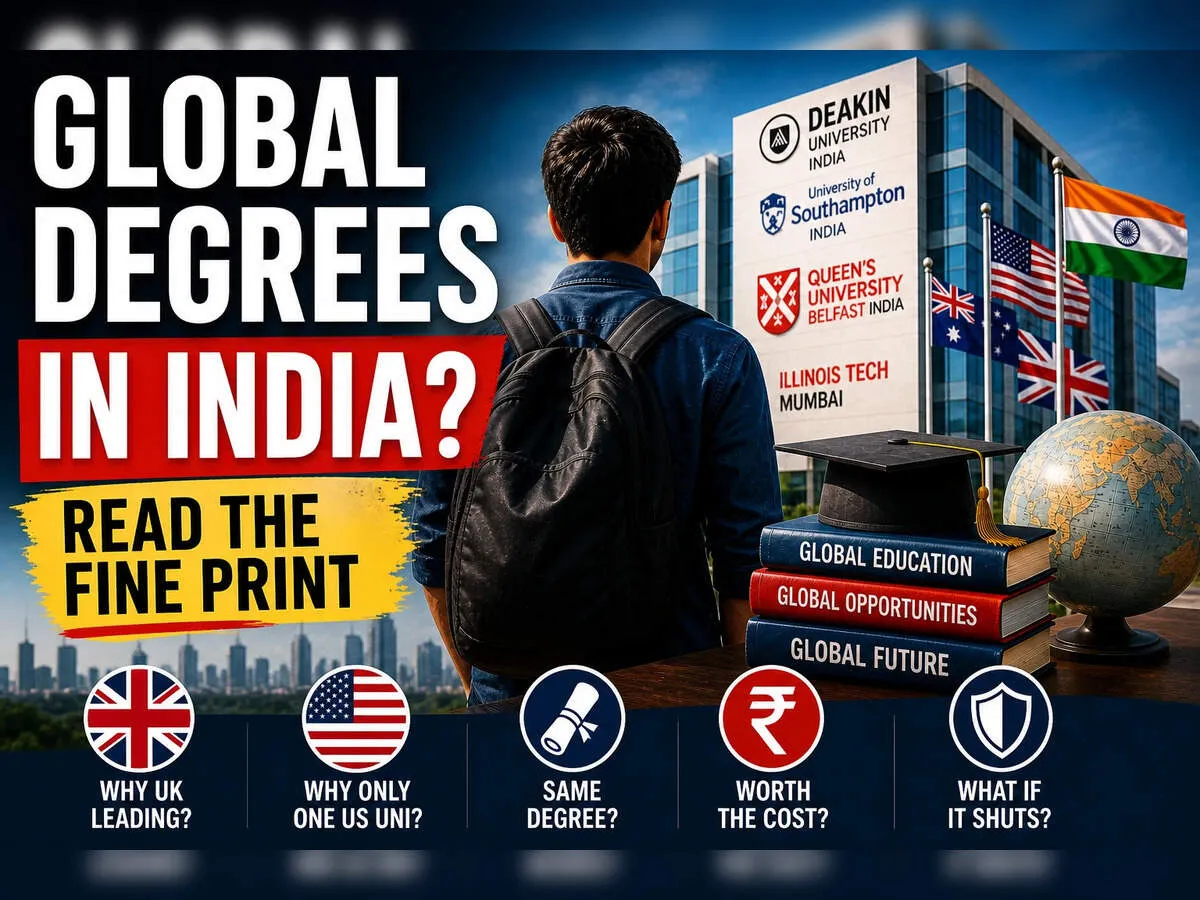
India is increasingly hosting campuses of foreign universities, a shift meant to keep students at home and curb foreign-exchange outflows. UK universities have already set up branches, and more are expected. Supporters frame it as easier access to global degrees, but the fine print on who benefits, how courses run, and what gets priced in is raising questions.
New Zealand has reached its national goal for international student preference almost a decade ahead of schedule, with 22% of prospective applicants ranking the country among their top choices. The growth, seen across 11 global markets, suggests a move beyond awareness toward genuine selection, positioning New Zealand as an increasingly active study destination for international students.
Indian students are increasingly picking Spain, Germany, Singapore, UAE and South Korea as affordable, high-quality study options. While the US still attracts many, the choice set is broadening due to visa norms, clearer employment pathways and stronger focus on student safety. The shift is also seen as delivering a stronger return on investment overall.
Never miss a story
Set alerts for the topics and sources you care about. Download Beige for free.
The Education Ministry told the Rajya Sabha that the number of Indian students going abroad for higher education has been steadily declining for the past three years. Officials say the focus is shifting to strengthening domestic universities through NEP 2020, including better infrastructure and more research. The government is also inviting foreign universities to set up campuses in India.
New Zealand’s Funds Transfer Scheme (FTS) lets student visa applicants handle living expenses through INZ. Instead of carrying cash, students transfer funds before arriving and receive a fixed monthly amount in their everyday account. The scheme typically needs NZ$20,000 (or NZ$17,000 annually) and covers day-to-day living costs, not tuition fees.
Indian students are increasingly moving away from the usual US, UK, Canada and Australia route for study abroad. Stricter visa scrutiny, higher overall costs and worries about post-study job prospects are driving the shift. Ireland, New Zealand and select European countries are emerging as fresh options as applicants take a more strategic, less default approach to international education.
As the rupee weakens, Indian students are finding that overseas study is getting rapidly more expensive. With global tuition inflation adding pressure, annual costs are rising about 7% to 11%, pushing many to delay admission, switch to shorter courses, or pivot toward domestic options. The combined hit is straining middle-class study budgets.
Reading on mobile?
Open Beige in the app for a smoother experience — free on iOS and Android.
Indian students are increasingly choosing Ireland for higher education, with interest surging 38% in 2024 despite a global decline in outbound student mobility. The number has risen from about 700 to more than 9,000 over the past decade. The trend is driven by Ireland’s reputation for safety, stable education, strong STEM offerings, and post-study work options, spreading beyond metros to smaller Indian cities.
ETS reports a notable shift in where Indian TOEFL takers are sending their score reports. Singapore, Australia, France, and Sweden are rising fast, challenging the long-held dominance of the US and Canada. The change points to growing international study and migration plans beyond traditional English-language destinations, with Europe and Asia becoming increasingly attractive.
From January 8, 2026, Indian students applying for Australia will face tougher visa evidence requirements, with India’s evidence level revised from EL2 to EL3. The Indian government is in active talks with Australian counterparts to manage the change and safeguard student mobility. Officials say India will continue supporting scholars seeking international education.
TOEFL interest in India has rebounded sharply post pandemic, with test takers rising 59%. Indian students are increasingly sending score reports beyond the US and UK, with more activity seen in countries like Singapore, Australia, France, and Sweden. The shift is also linked to TOEFL updates, including a shorter, more user friendly test format.
Follow your favourite sources
Track sources, tags and categories — all in the Beige app.
International students are increasingly moving away from traditional study destinations like the US and UK as immigration and post-study work rules evolve. Countries such as New Zealand, Ireland, France, and Germany are gaining attention for visa-friendly pathways, stronger employability prospects, and perceived long-term stability. Robust job markets and clearer post-graduation options are driving the shift.
Education New Zealand has discontinued the New Zealand Excellence Awards for Indian students, bringing an end to a scholarship that funded study at globally ranked universities. The program focused on practical skills and employability for Indian citizens, but it will not run in the current or even the next financial year—leaving prospective applicants scrambling for alternatives.
For the first time in 80 years, more Indians than Americans are writing the GRE, making India the world’s largest GRE market. GRE scores are accepted by 100 Indian higher education institutions, including business schools, and can also support applications beyond India. The shift signals expanding student demand for global-standard admissions through GRE-based pathways.
Many Indian students are pausing or deferring study-abroad plans, pushing decisions to the next intake season. Rising global unrest and uncertainty are driving them to seek alternatives closer to home or in steadier destinations, as families weigh risk, visa timelines, and travel disruption against long-term academic goals.
Stay informed on the go
Bite-sized news from 100+ trusted sources, right in your pocket.
More Indian medical aspirants are shifting to the Philippines, drawn by affordable tuition, a US-style curriculum, and practical clinical exposure. Schools like Davao Medical School Foundation have recently enrolled large batches of Indian graduates. With the Russia-Ukraine conflict disrupting regional education plans, the move is accelerating, reflecting a wider global chase for medical careers among Indian youth.
ETS India has signed a memorandum of understanding with Physics Wallah to support students aiming for top international universities. The collaboration focuses on helping aspirants prepare for the GRE and TOEFL through holistic guidance, including free one-on-one counselling sessions provided to students as part of the agreement.
Swipe through stories, personalise your feed, and save articles for later — all on the app.