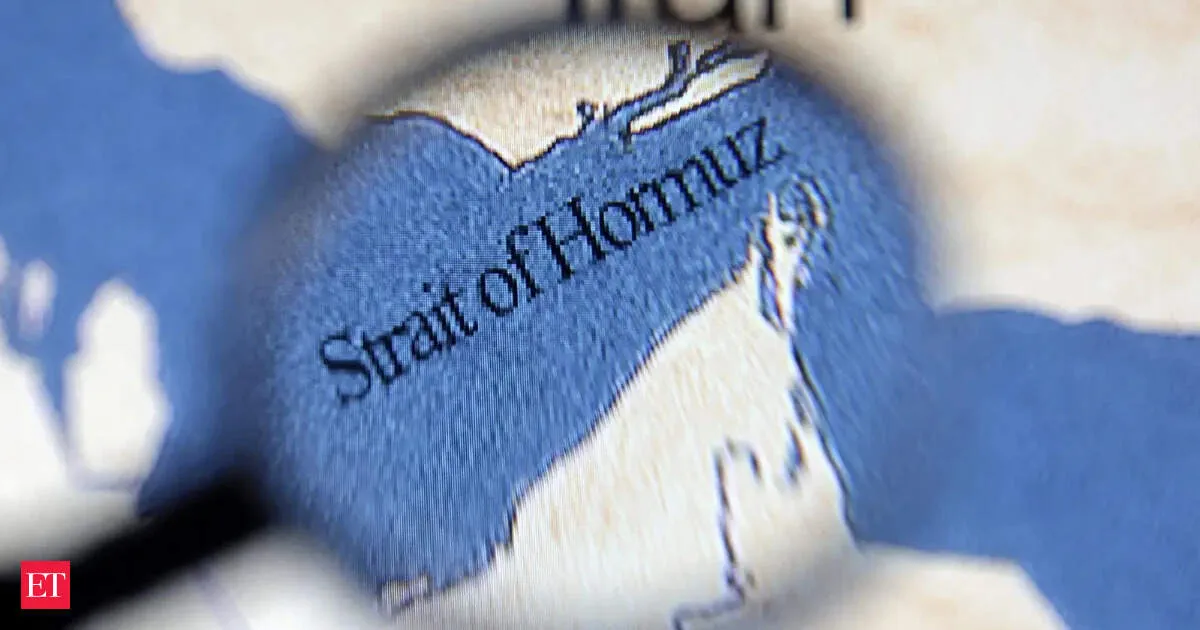
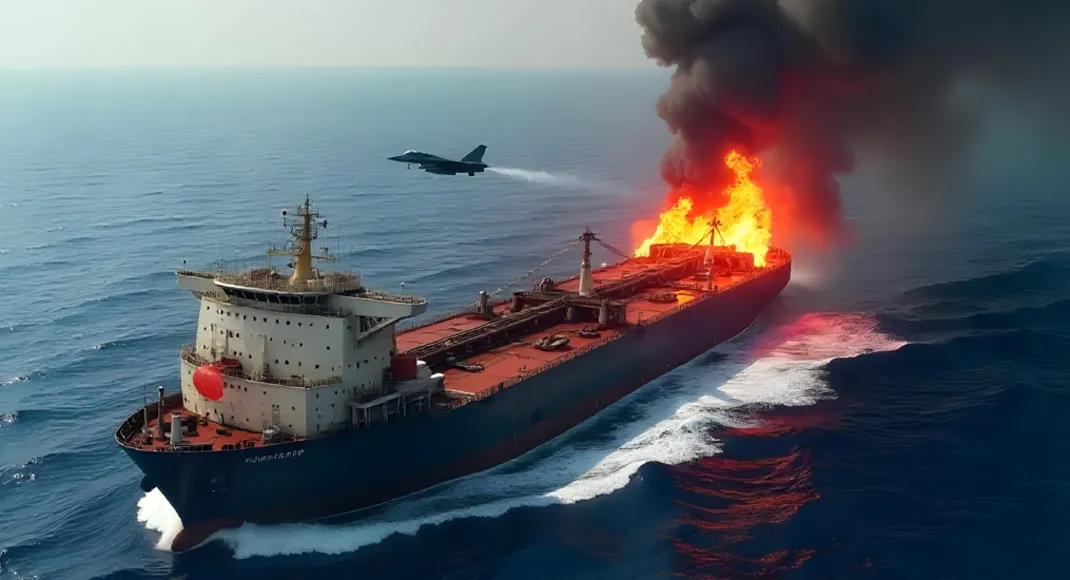
Iranian state TV says European countries are in talks with Tehran for permission to transit the Strait of Hormuz, following similar negotiations with East Asian states like China, Japan, and Pakistan. Iran has largely blocked shipping since a Feb 28 war with the US and Israel, though a fragile ceasefire has been in place since April 8. Tehran says it is preparing a professional system to manage traffic, benefiting cooperating commercial vessels while keeping the route closed to certain “freedom” operations.
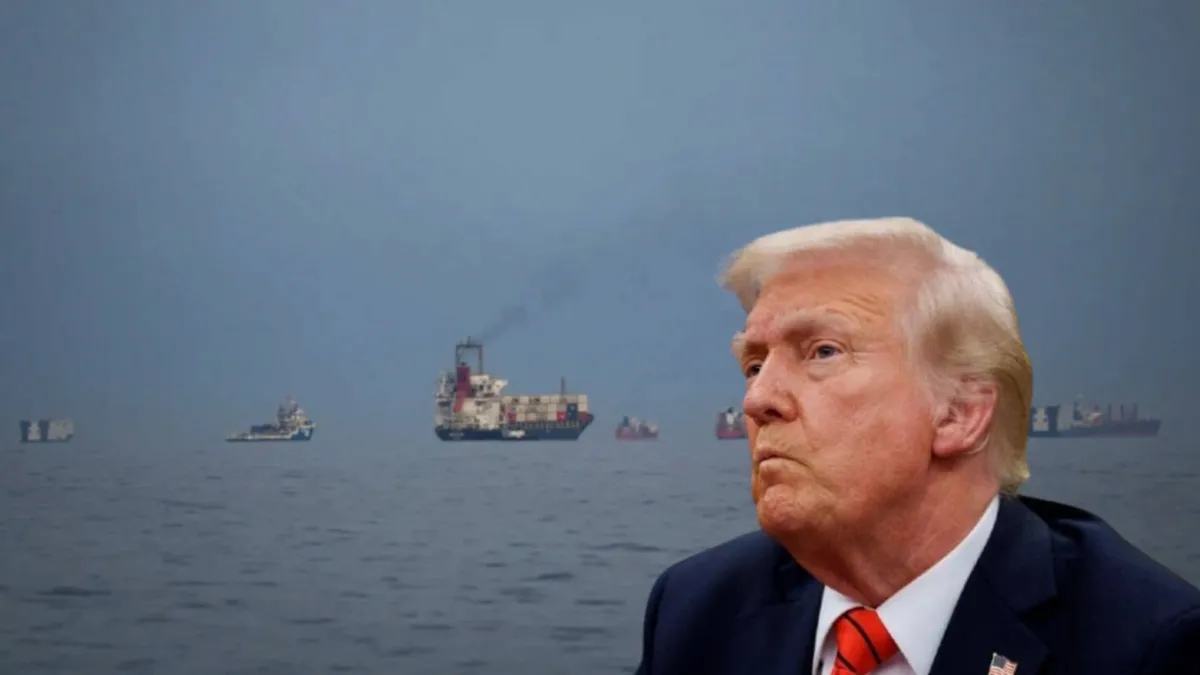
Oil prices surged more than $4 a barrel on May 11 after the US and Iran failed to agree on a Washington-backed peace proposal. With the Strait of Hormuz largely shut, global supplies stayed pressured as President Donald Trump rejected Iran’s response as “unacceptable.” Brent climbed to $105.47 and WTI to $98.51. Analysts warn the ceasefire could be temporary, while Saudi Aramco estimates about 1 billion barrels of supply have been lost in two months, leaving markets edgy heading into Trump’s China trip.
Your news, in seconds
Get the Beige app — every story in 60 words, updated hourly. Free on iOS & Android.
The US has declared “Operation Epic Fury” over after more than two months of escalation in a joint campaign with Israel against Iran. Secretary of State Marco Rubio says Washington achieved its military objectives but insists its operations near the Strait of Hormuz remain defensive. The move raises questions: is this a true end to the confrontation or a strategic pause.
Oil prices saw sharp swings before ending the week higher, even after early gains faded. Traders are tracking possible U.S. and Iran peace talks that could reduce supply worries, but disruptions in the Strait of Hormuz are sustaining fears of renewed escalation. That uncertainty is keeping crude prices supported into the next trading stretch.
Headlines may scream war, but the Strait of Hormuz is still operating, leaving the 2025 oil scare looking less like a true supply rupture and more like a price mirage. With shipping continuing and market reactions already discounting worst cases, oil traders—and India’s energy planners—are positioning for a faster cooling of prices than in 2022.
Swipe through stories, personalise your feed, and save articles for later — all on the app.