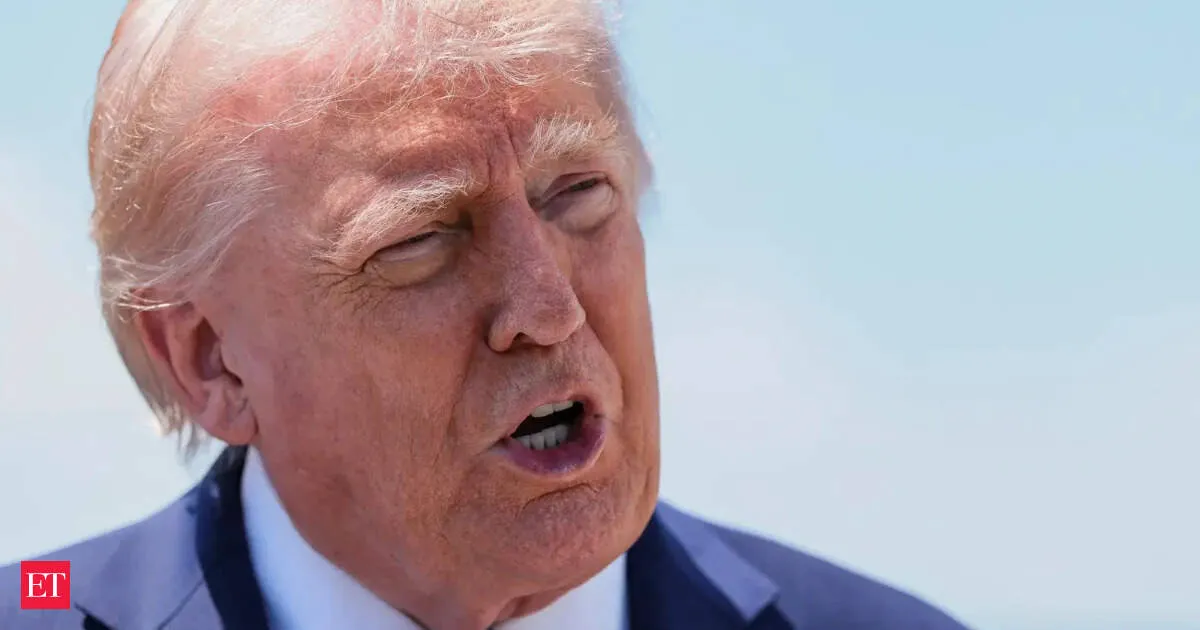
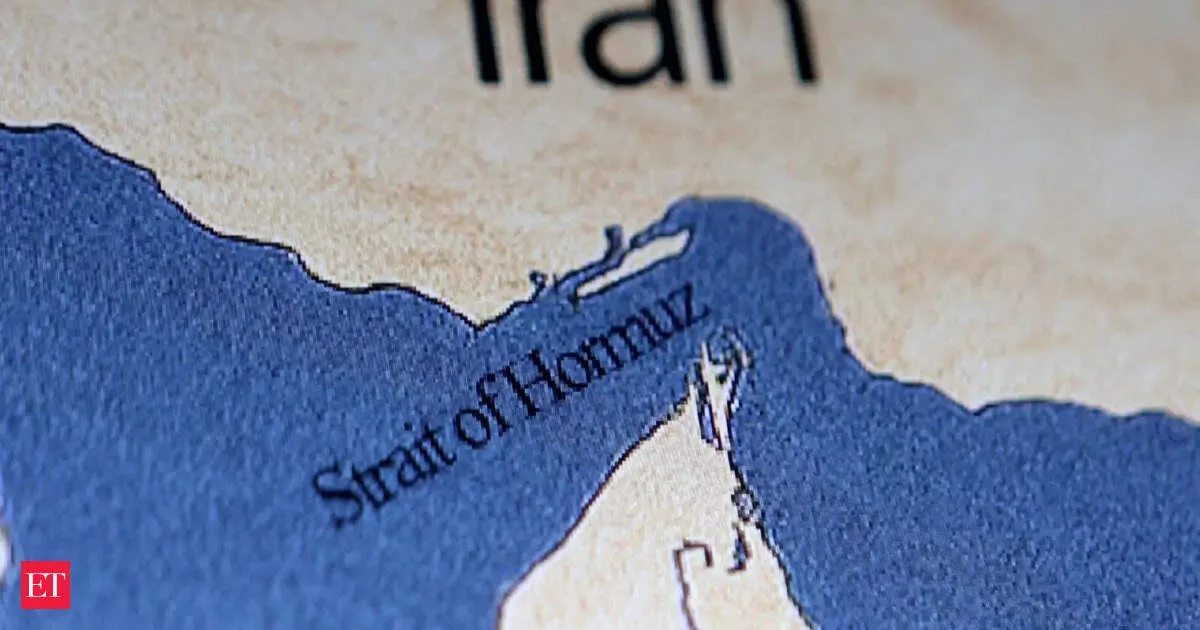
The Indian rupee slid to its weakest closing level on record, dropping nearly 0.9% to 95.31 per dollar as crude prices surged amid a US Iran standoff. Brent rose 2.5% to $103.8 per barrel after President Trump rejected Iran’s response, keeping the Strait of Hormuz, which carries about a fifth of global oil and LNG flows, effectively paralysed. Indian equities fell 1.5% and government bond yields rose. Analysts warned stronger oil can widen the current account deficit and strain FX buffers.
Iran’s deputy foreign minister Kazem Gharibabadi alleges the UAE is preventing BRICS from reaching consensus on the West Asia conflict. He says Iran is open to Indian peace initiatives and highlights ongoing work with Oman on a new merchant-vessel framework for the Strait of Hormuz. He also notes Indian vessels have been allowed transit through the region.
Your news, in seconds
Get the Beige app — every story in 60 words, updated hourly. Free on iOS & Android.
Morgan Stanley says global oil markets are in a race against time as the Strait of Hormuz stays shut amid the Iran war. A longer disruption could sharply tighten supplies and lift crude prices. Analysts warn that existing market buffers may weaken further if the closure extends into late June or July, increasing risks for global energy prices.
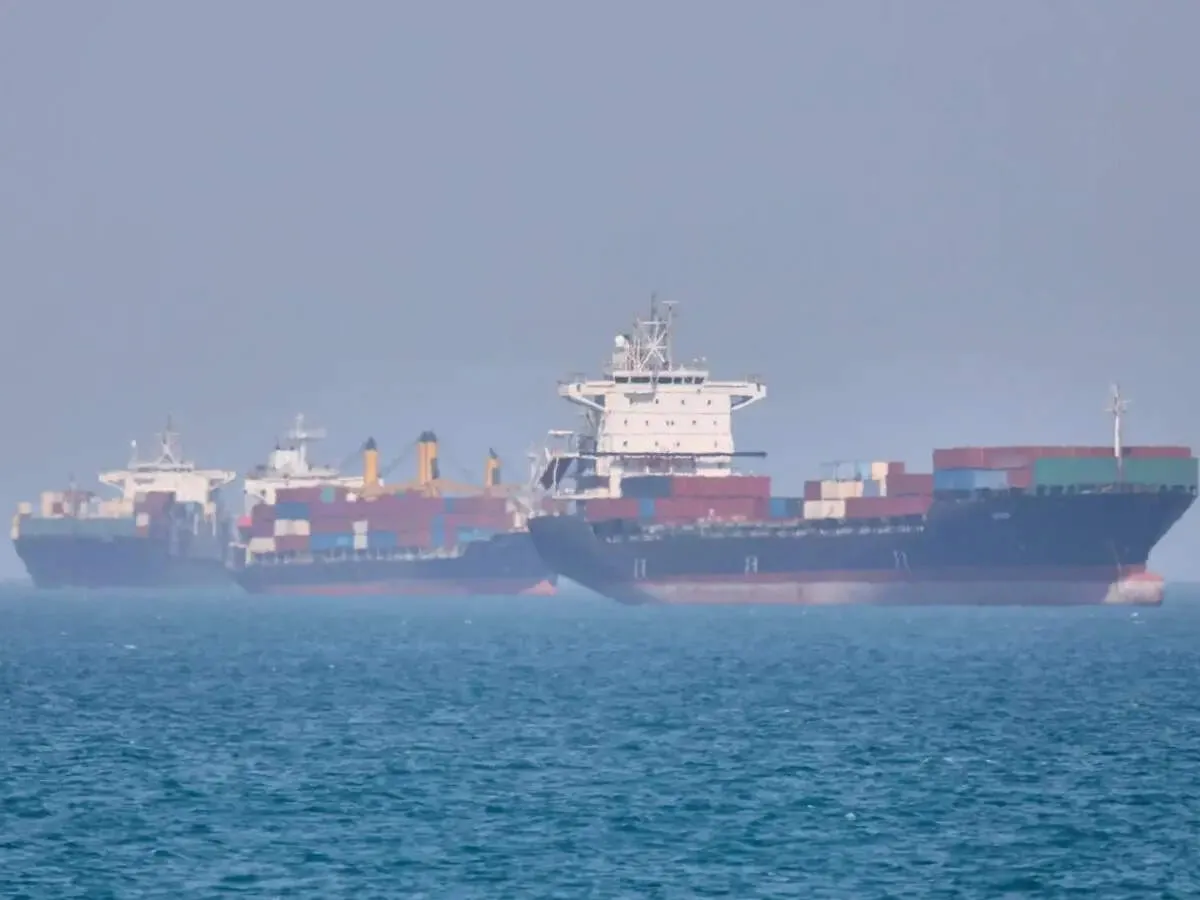
An Indian sailor died and four others were injured after a wooden dhow carrying 18 Indian crew members caught fire and capsized near the Strait of Hormuz. Seventeen crew members were rescued by a passing vessel, while the injured were taken for treatment in Dubai. Investigators are probing what caused the blaze amid heightened regional tensions.
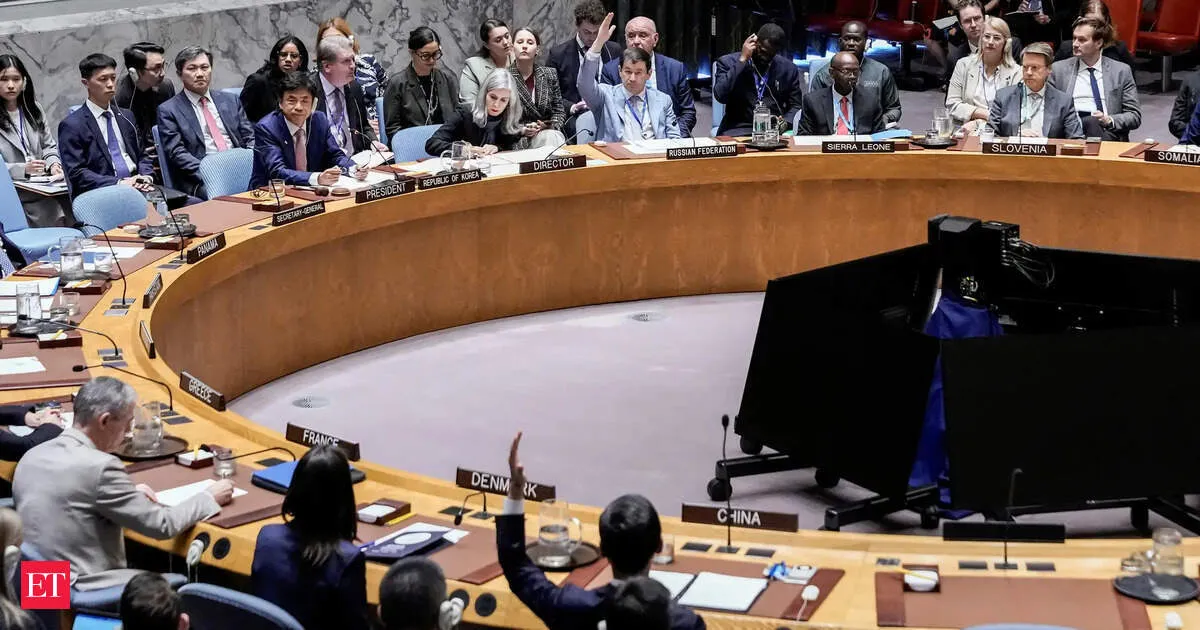
The US is seeking UN backing for a resolution demanding Iran stop attacks in the Strait of Hormuz, but China and Russia are widely expected to veto it—just as they did with an earlier measure. The US calls the effort a key test of the UN’s credibility, while Iran dismisses the proposal as one-sided.
The US has imposed sanctions on 35 individuals and entities targeting Iran’s shadow banking system that moves billions to help evade restrictions and fund terrorism-related activity. The measures also warn that companies paying tolls to Iran or the IRGC for passage through the Strait of Hormuz could face similar penalties, widening the crackdown beyond financial channels.
Never miss a story
Set alerts for the topics and sources you care about. Download Beige for free.
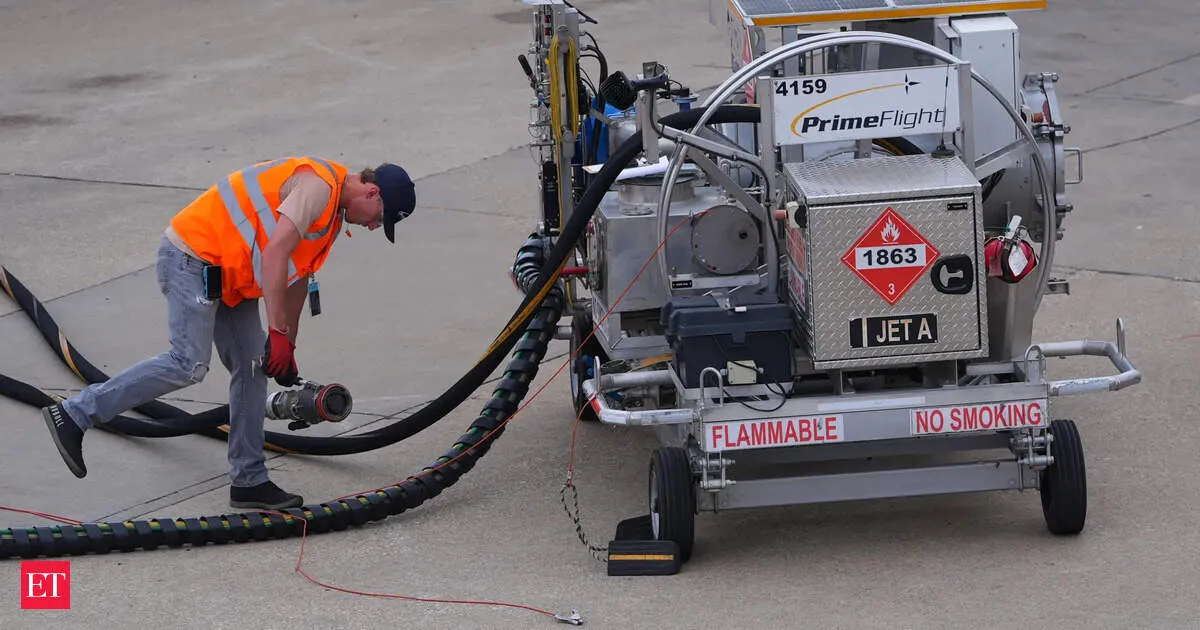
As summer travel approaches, fuel shortages are emerging as a real risk. U.S. and Iran tensions have disrupted access to the Strait of Hormuz, constraining oil and gas shipments. The disruption is already triggering rationing in parts of Asia and Africa, raising fears of higher costs and tighter supply for airlines and road travel.
Global oil prices jumped nearly 2% after U.S.-Iran peace talks faltered, raising fresh fears of tight supply. With shipments through the Strait of Hormuz still restricted, analysts say disruptions could drive crude toward $150 per barrel. Goldman Sachs has also lifted its fourth-quarter outlook, signaling higher costs may persist.
President Donald Trump cancelled a planned trip by US envoys to Pakistan tied to Iran-related talks, after Iran’s foreign minister departed Islamabad following discussions. Commercial flights have resumed from Tehran airport, but tensions remain high. Washington and Tehran are still stuck over oil exports and control around the Strait of Hormuz, dashing hopes for near-term peace.
Iran’s parliament speaker Mohammad Bagher Ghalibaf says the Strait of Hormuz will not reopen while the US maintains a naval blockade. He called the blockade a “blatant violation of the ceasefire,” arguing that achieving a full ceasefire is pointless if the restrictive measures remain in place. The statement heightens uncertainty for regional shipping routes.
Reading on mobile?
Open Beige in the app for a smoother experience — free on iOS and Android.
Europe and Asia may face a looming jet fuel shortage within weeks, linked to the Iran conflict and disruptions tied to the Strait of Hormuz. With jet fuel prices reportedly doubling, airlines could respond by raising fares and cutting capacity, raising the risk of delays or cancellations just as the summer travel rush begins.
Swipe through stories, personalise your feed, and save articles for later — all on the app.