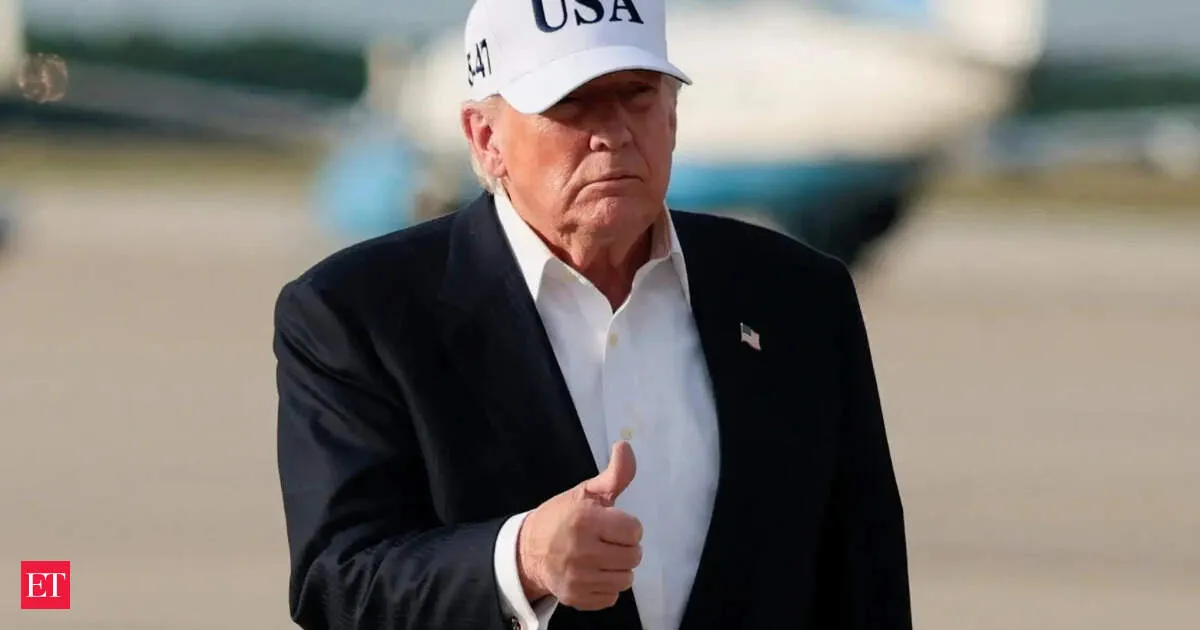
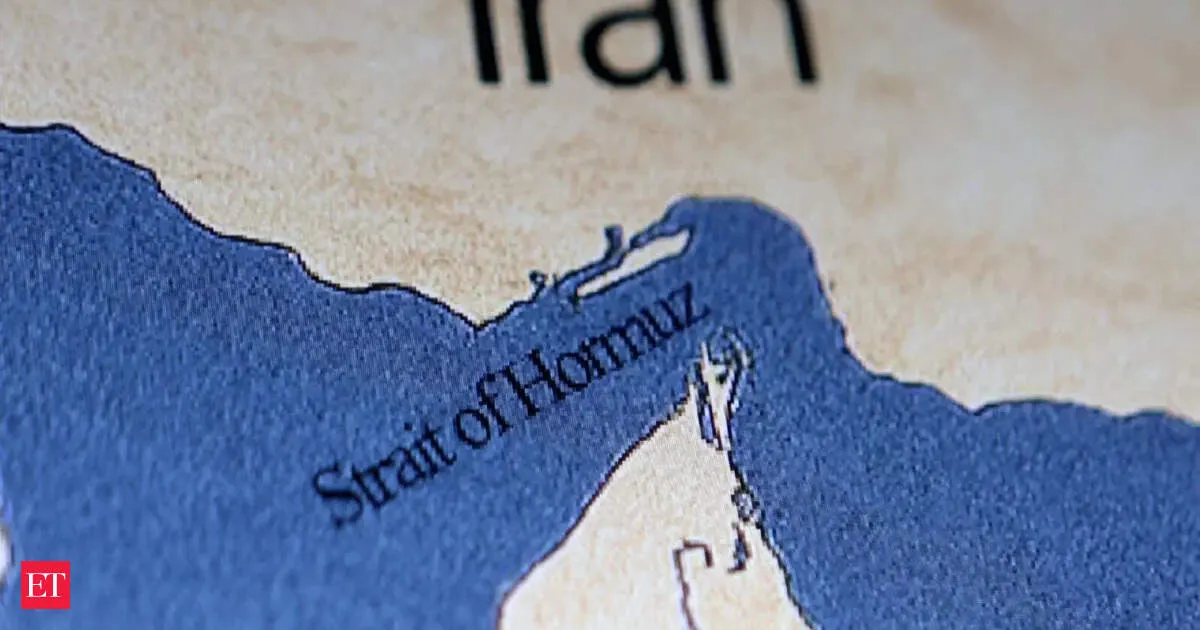
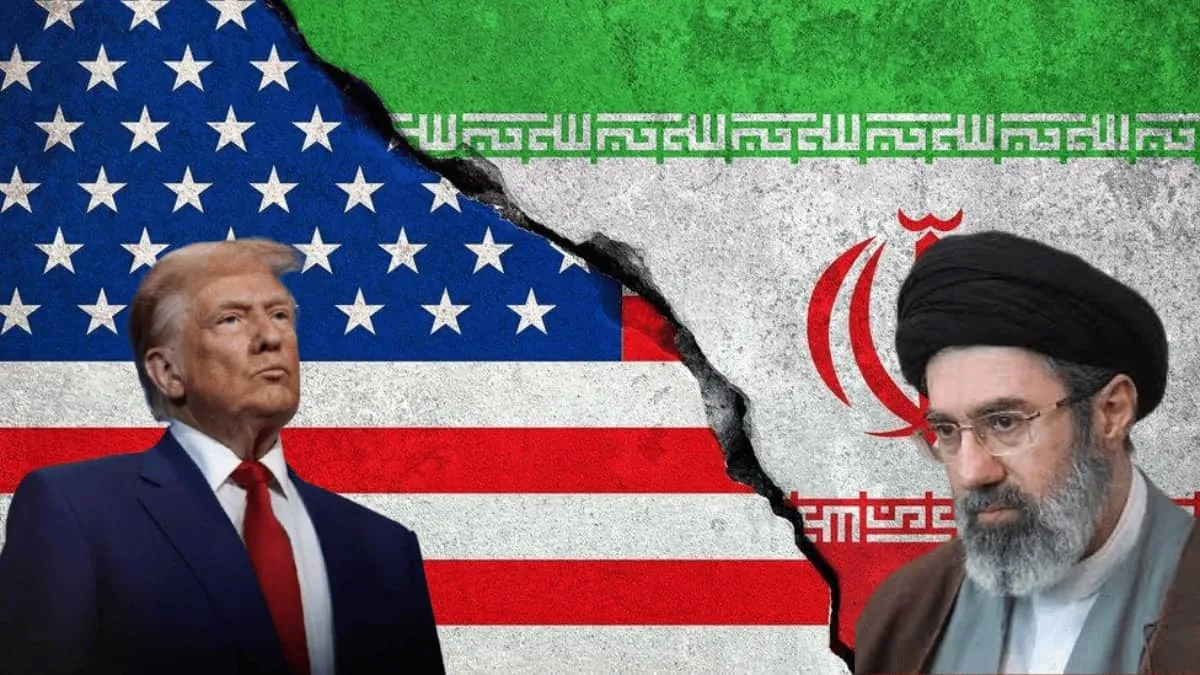
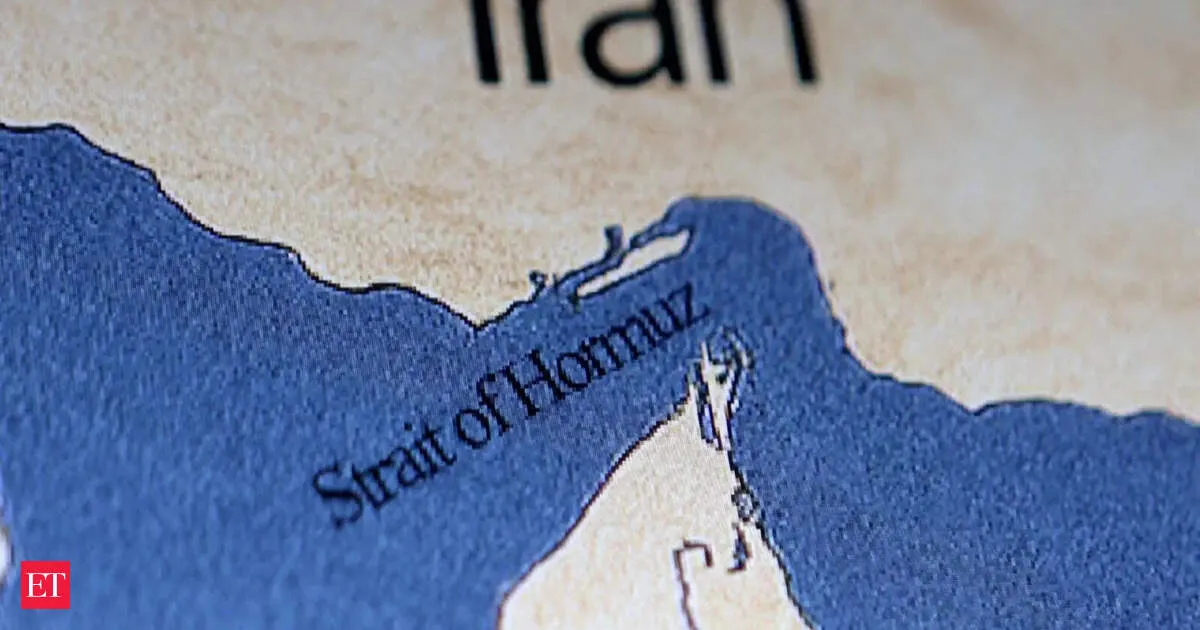
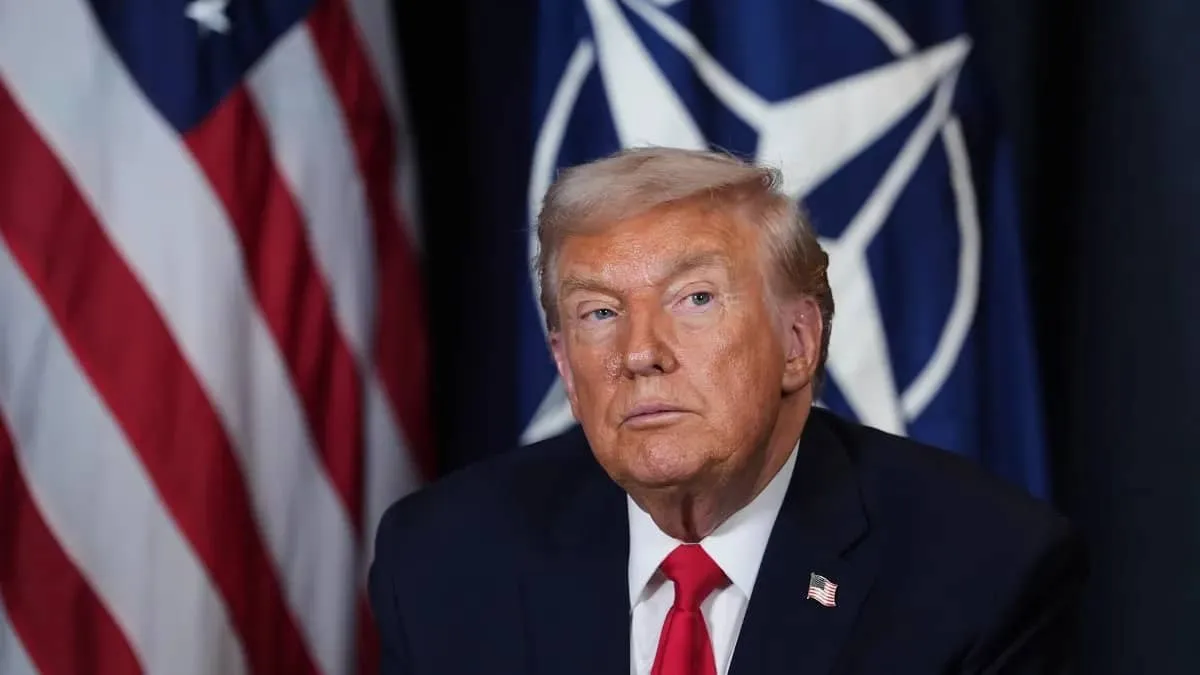
President Donald Trump’s coercive diplomacy toward Iran is struggling to bring talks to the negotiating table, analysts say, because his approach demands an “absolute victory” narrative that would require Tehran to concede total defeat. With Iran focused on saving face domestically and maintaining leverage through the Strait of Hormuz, both sides remain deadlocked despite strikes that degraded Iran’s military capabilities. The standoff also reverberates globally via energy supply shocks, while Trump faces domestic blowback tied to gasoline prices and low approval ratings.
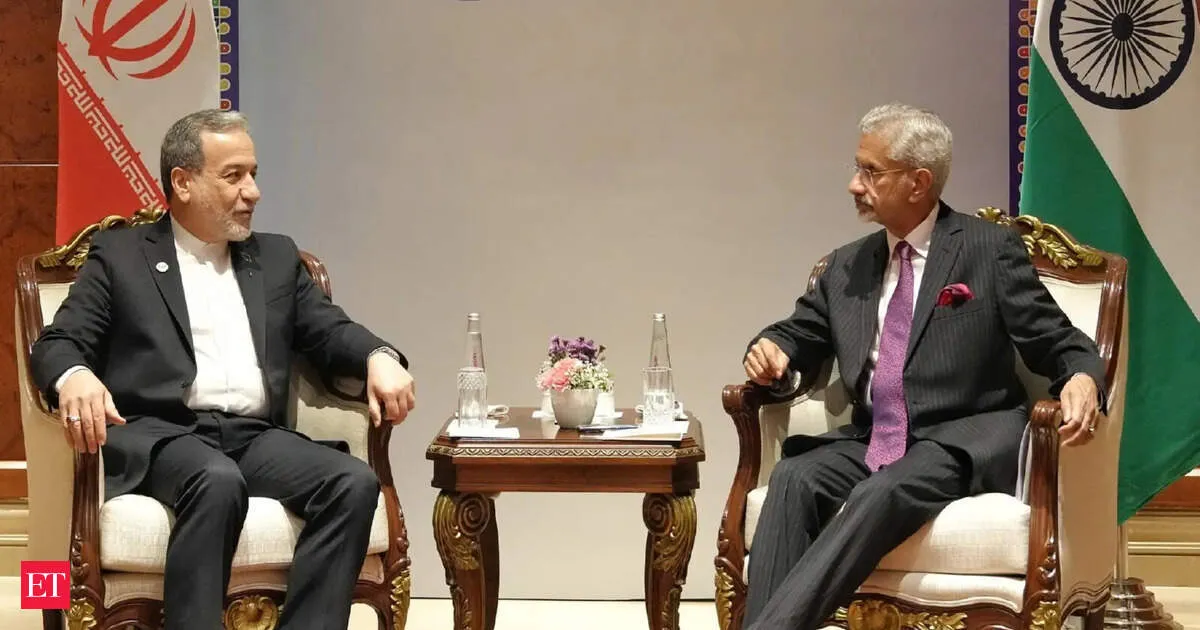
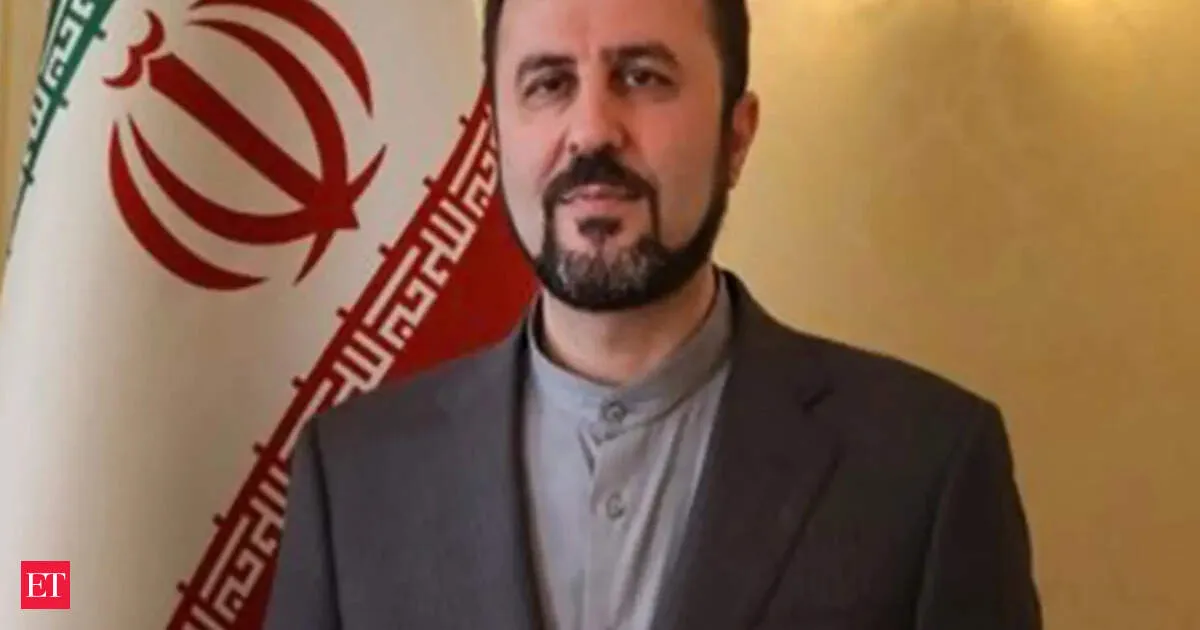
Iranian Foreign Minister Seyyed Abbas Araghchi met India’s External Affairs Minister S Jaishankar and pledged that friendly nations can rely on Iran for commerce safety through the Strait of Hormuz. Araghchi said Iran would carry out its “historical duty” as a protector of security in Hormuz, and pointed to Iran’s resistance to US “bullying” as a familiar struggle for many states. Speaking at BRICS talks, he urged keeping international institutions free from political manipulation while ministers backed India’s 2026 chairship.
Your news, in seconds
Get the Beige app — every story in 60 words, updated hourly. Free on iOS & Android.
Oil marketing companies like HPCL, BPCL and IOC came under pressure even after the Centre raised petrol and diesel prices by up to Rs 3 per litre from immediate effect. The hike, aimed at easing OMCs that have been absorbing losses from elevated global crude rates, followed prolonged disruptions in the Strait of Hormuz and the wider West Asia energy crisis. Despite the adjustment, shares fell as much as 3% on Friday, while petrol crossed Rs 97 in Delhi and surged higher in Kolkata.
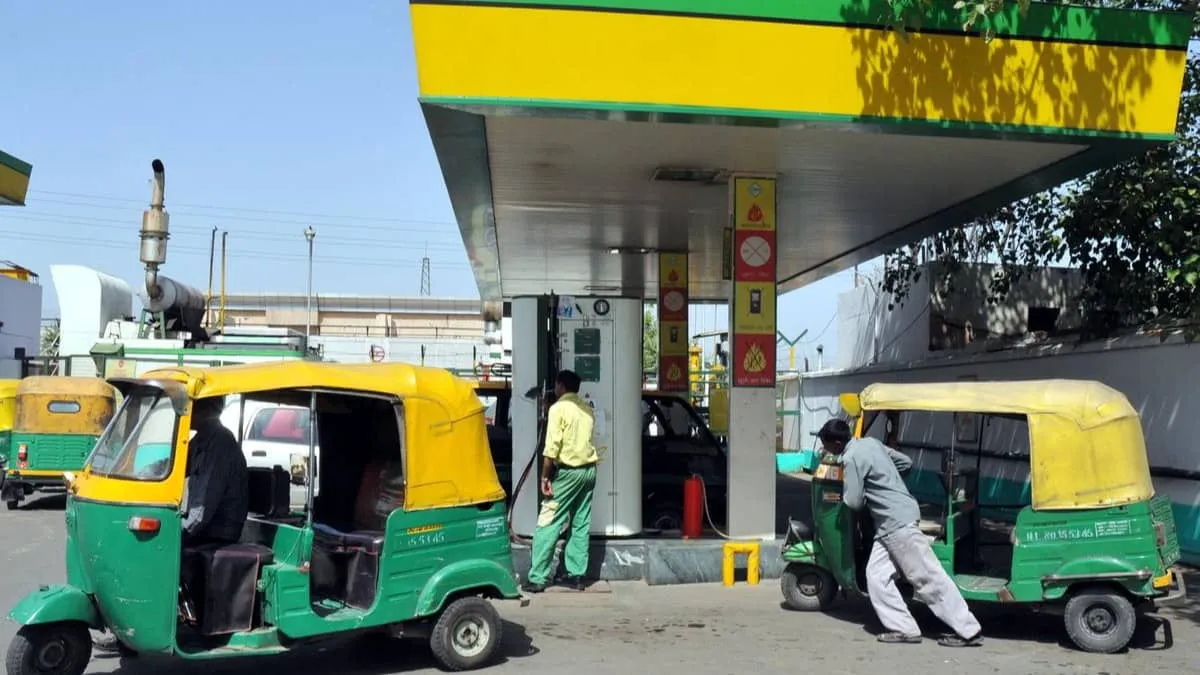
CNG prices in India have been increased by ₹2 per kg in multiple regions after petrol and diesel rates rose amid ongoing disruptions to the Strait of Hormuz, a key oil transit route. With nearly 20% of the world’s oil supply normally passing through the strait, shipping disruptions and tighter LNG flows have pushed crude and fuel costs higher. In the Mumbai Metropolitan Region, CNG now costs ₹84 per kg. Auto-rickshaw and taxi operators are pressing for fare revisions as further increases loom.
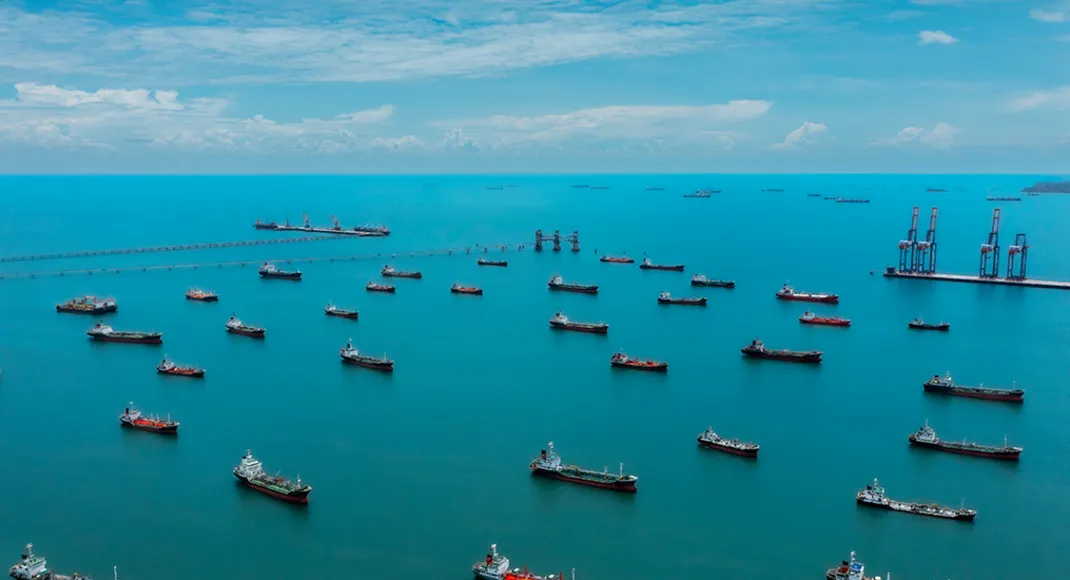
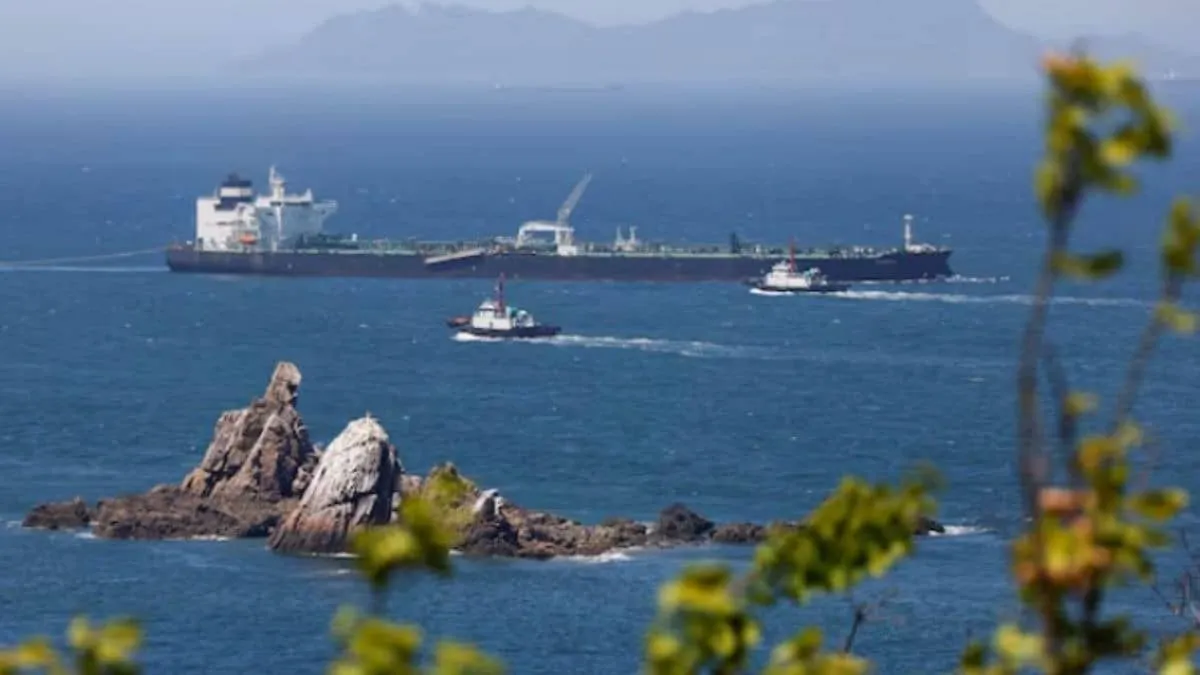
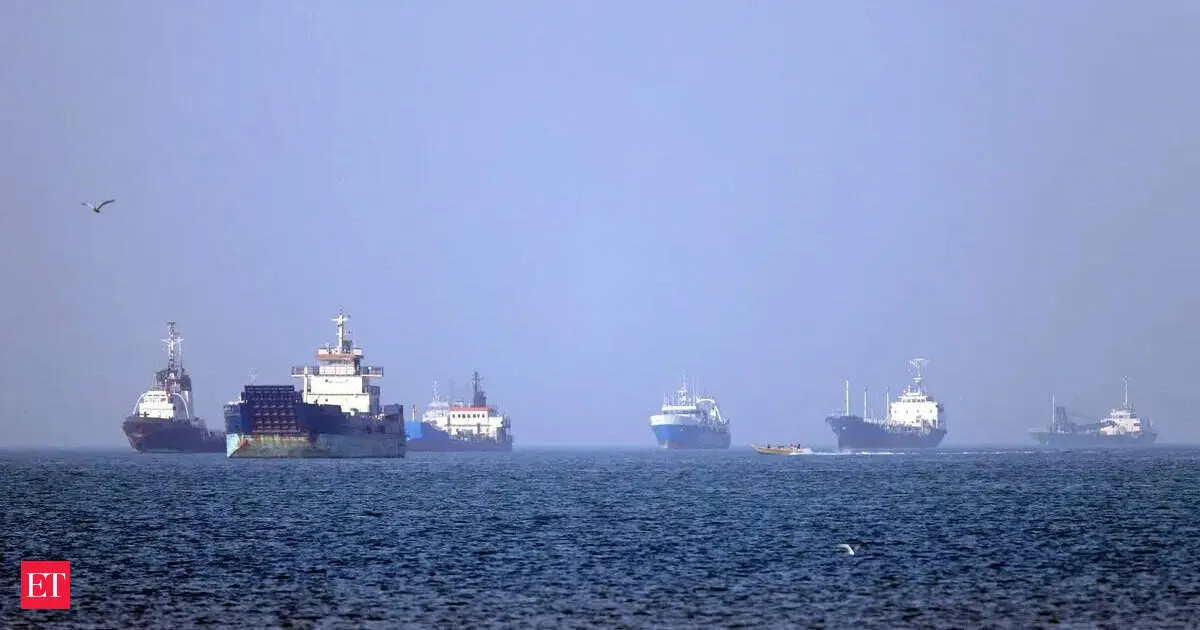
Super-tanker traffic through the Strait of Hormuz is showing tentative life, with four large crude carriers exiting since May 10, near the pace of about two million barrels a day. Traders say the blockage has already removed roughly a billion barrels from global supply, even as non-Iran flows rise slightly. Iran has allowed Chinese ships to pass, mirroring an uptick in gas carrier crossings, while some vessels switch off satellite signals, complicating tracking and future expectations.
Oil prices jumped sharply after the US and Iran failed to agree on a peace proposal, leaving the Strait of Hormuz restricted. Brent futures rose about $3.21 to $104.50 per barrel and US WTI climbed roughly $3.06 to $98.48, more than 3% on the day. Traders cited heightened shipping and supply fears, as drone incidents, nuclear tension, and reported naval actions raise the odds of further disruption. Analysts say the next move hinges on diplomacy and whether Hormuz reopens.
Never miss a story
Set alerts for the topics and sources you care about. Download Beige for free.
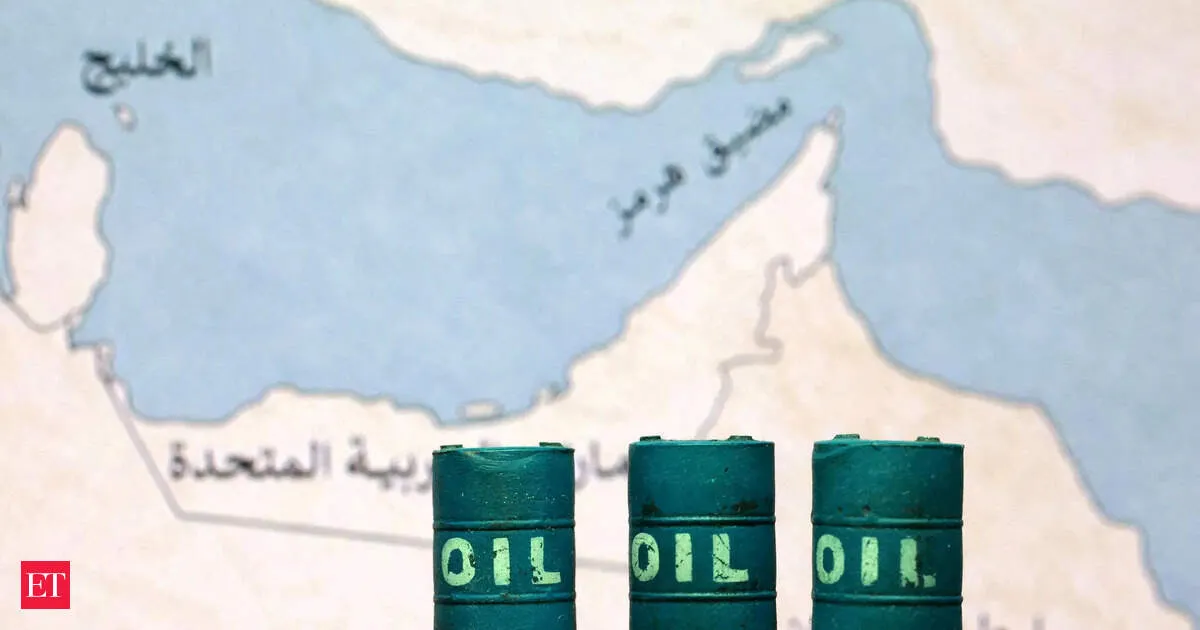
The United States and Iran are reportedly nearing a diplomatic breakthrough that could gradually reopen the Strait of Hormuz, a vital oil chokepoint carrying nearly one fifth of global energy supplies. The plan hinges on phased easing of a US naval blockade in exchange for Iran loosening restrictions on maritime movement. Reports point to a preliminary one page memorandum that could halt hostilities and trigger a 30 day negotiation window, with talks also covering nuclear issues, sanctions relief, and the return of shipping. Iran is yet to confirm acceptance.
Two LPG carriers transporting cooking gas for India have crossed the Strait of Hormuz, despite recent tensions in the region. The move follows an attack on the dhow Haji Ali that sank, with 14 crew rescued by the Omani Coast Guard. Another carrier, SYMI, is set to arrive May 16, while NV SUNSHINE follows May 18.
Ahead of the BRICS meeting, Iran has asked India to play a role in West Asia peace efforts, praising India’s impartial chairmanship. Iran also says it is drafting a new framework for ships passing through the Strait of Hormuz and points to a BRICS member’s demand to condemn it as the reason a unified stance did not form. Iran reiterated support for the Chabahar port project.
Trade circles are increasingly worried that disruptions around the Strait of Hormuz won’t fade quickly. Even if ships can move again partially, relief may be delayed, keeping oil and related market pressures elevated. The core fear is a shift from a temporary disruption to something more structural, complicating expectations for faster normalization.
Reading on mobile?
Open Beige in the app for a smoother experience — free on iOS and Android.
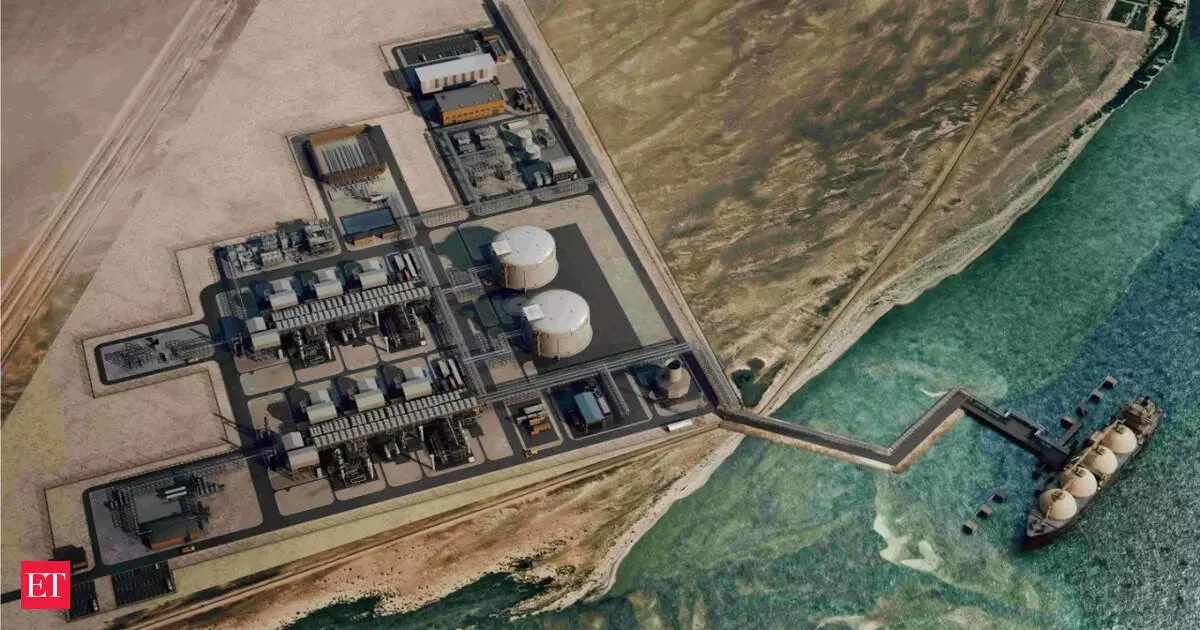
Dubai’s key ADNOC Gas processing complex is set to return to full capacity only by 2027, pushed back by attacks and wider Middle East instability. The operator reported a 15% income drop amid regional disruption and market pressures. Economists warn that a Strait of Hormuz blockade could rack up additional losses, delaying full restoration further.
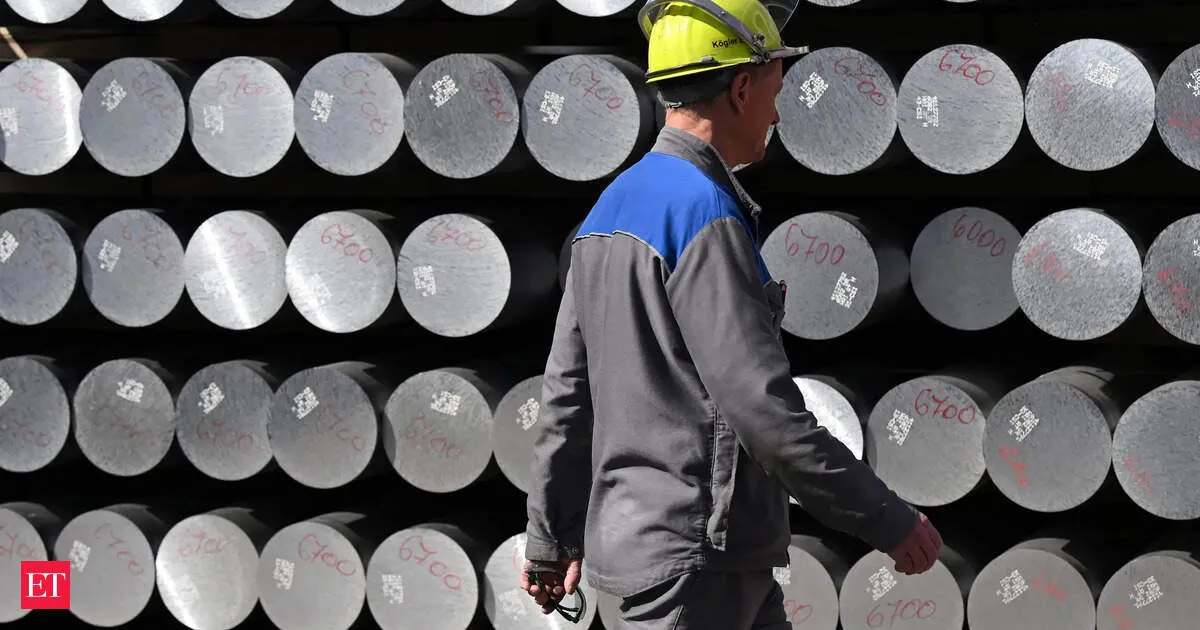
JPMorgan warns that worsening petroleum coke shortages could disrupt aluminium production worldwide, not just in the Gulf. The bank says a prolonged closure of the Strait of Hormuz could impair supply of the critical smelting fuel, pushing some producers toward operational constraints or production cuts. Supply tightness is already visible, with a major deficit expected by 2026.
Oil prices surged by more than $3 a barrel after US and Iran failed to agree on a US-drafted peace proposal, ending hopes of ending their ongoing conflict. With the Strait of Hormuz largely closed, global supply risk stayed high. Brent futures rose about 3%, reflecting renewed fears of tighter energy availability ahead.
Oil prices rose more than 1% after renewed Iran US clashes revived concerns about the Strait of Hormuz. The fight has clouded expectations of reopening routes, with Iran accusing the US of breaching a ceasefire and the US pointing to retaliation for attacks on its vessels. Experts warn escalation could disrupt global oil flows despite recent declines.
Follow your favourite sources
Track sources, tags and categories — all in the Beige app.
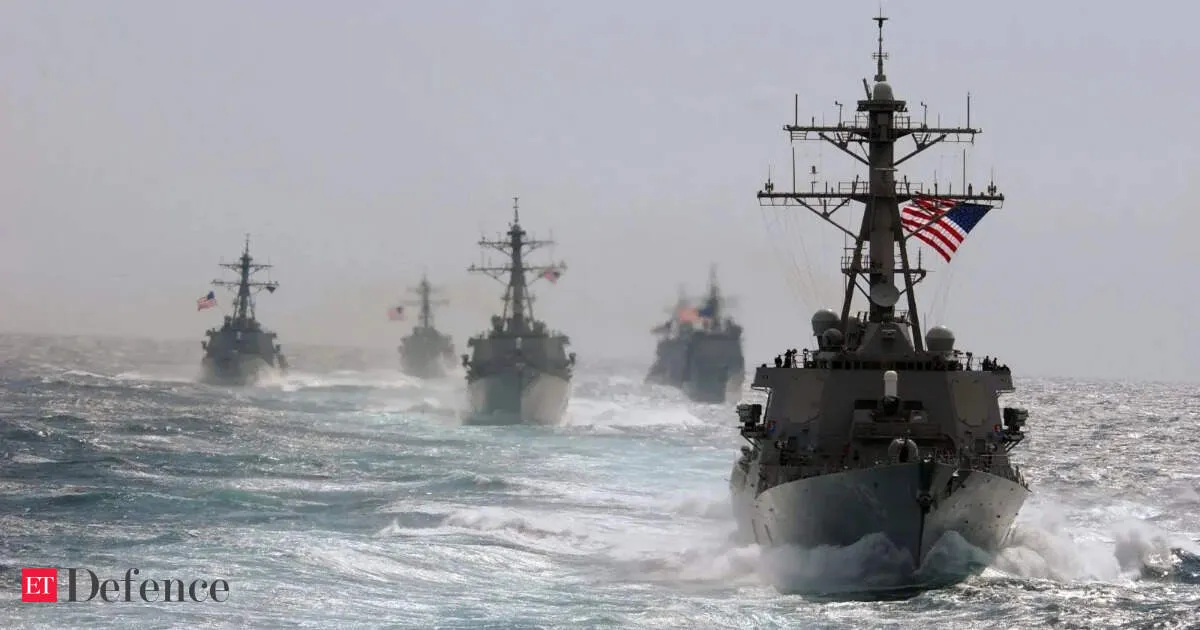
The US has launched “Project Freedom” to reopen the Strait of Hormuz, with Secretary of State Marco Rubio saying America is the only country capable of ensuring safe commercial vessel passage. The move follows requests from multiple nations dealing with disruptions and aims to restore normal maritime operations while countering Iran’s actions that affect global trade and safety.
Iran’s Revolutionary Guards warned that they will respond firmly if any ships deviate from Iran-approved routing through the Strait of Hormuz. In a statement broadcast by state television, the force said any diversion to other routes is dangerous and would prompt action by its navy. The warning raises tensions in a key global chokepoint for maritime trade.
US President Donald Trump said Iran’s navy, air force and leadership are “totally wiped out,” even as Tehran publicly defies Washington. The rhetoric is intensifying alongside reports of a tightening US naval posture. Meanwhile, Gen. Caine accused Iran of weaponising the Strait of Hormuz, and Pete Hegseth warned that “Project Freedom” is “locked and loaded.”
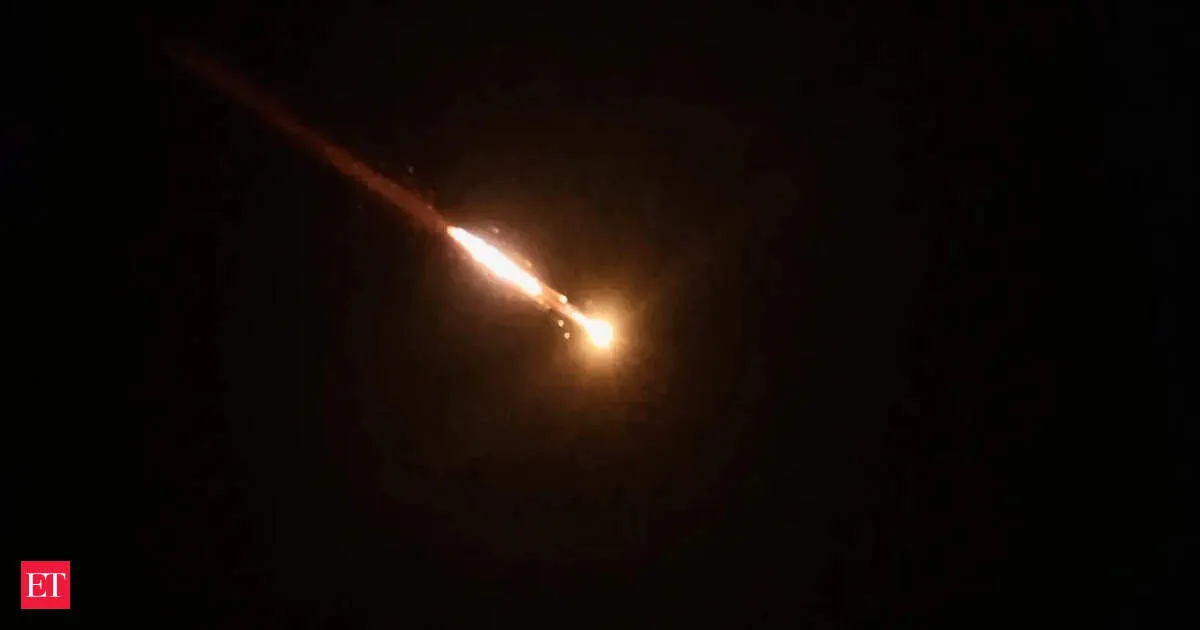
The US has launched Operation Freedom to protect the Strait of Hormuz’s crucial shipping lanes and keep global energy flowing. Iran has responded with retaliatory missile and drone strikes, according to reports from the UAE. Officials describe a fragile ceasefire, but escalating attacks signal how quickly the standoff could intensify again.
Stay informed on the go
Bite-sized news from 100+ trusted sources, right in your pocket.
Iran has denied any role in a drone strike on UAE oil facilities, blaming instead what it calls US “military adventurism.” Iran says its navy fired warning shots at US warships in the Strait of Hormuz, while the US claims it destroyed Iranian military boats. The exchange raises fears of escalation during a fragile Middle East war ceasefire.
US President Donald Trump escalated warnings against Iran, saying the United States cannot allow Tehran to obtain a nuclear weapon. He also vowed severe retaliation if US vessels or assets are targeted in the Strait of Hormuz under “Project Freedom,” signaling a tougher stance amid rising tensions around maritime security and Iran’s regional actions.
Swipe through stories, personalise your feed, and save articles for later — all on the app.