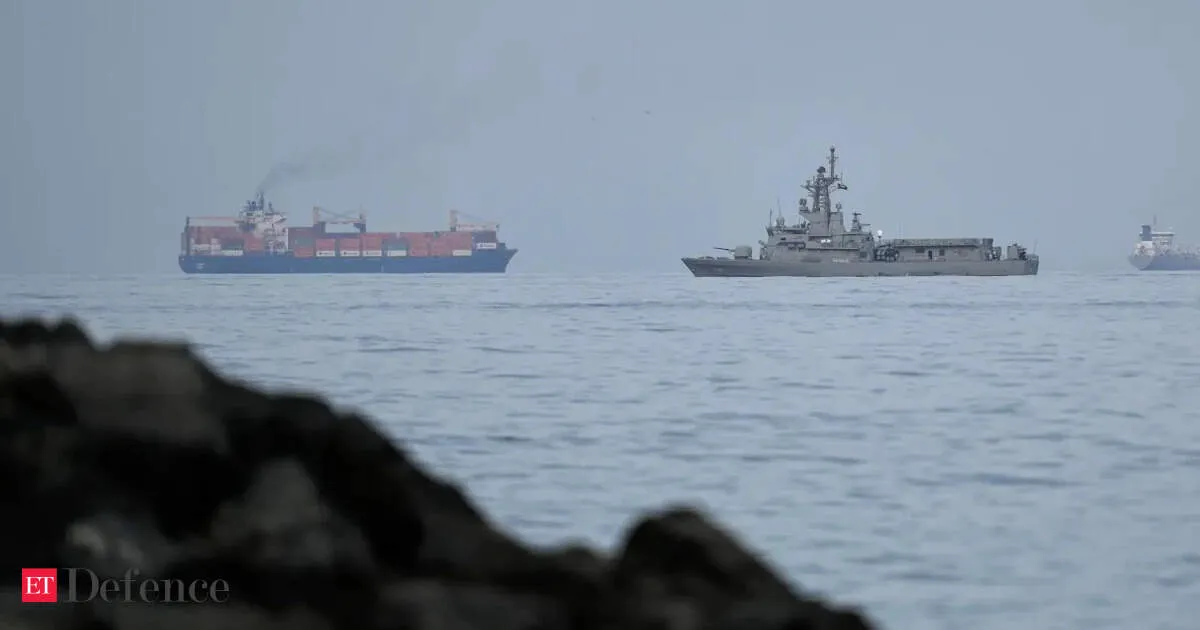
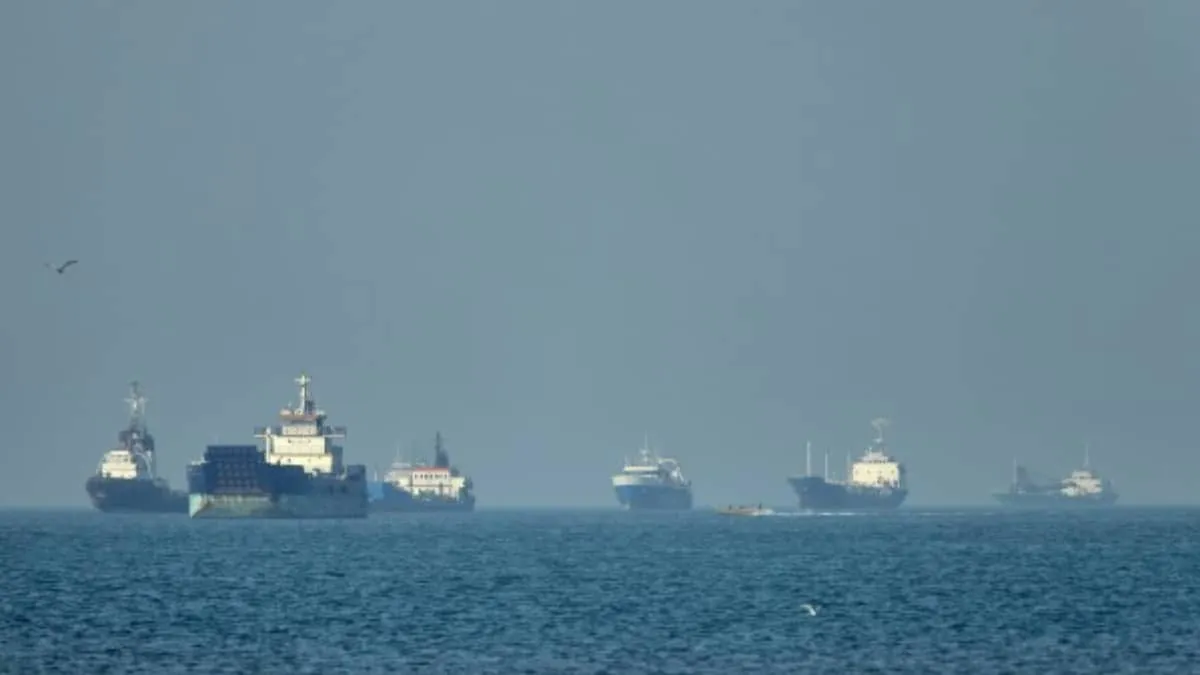
Iran says it will soon launch a designated traffic-management mechanism for the Strait of Hormuz, giving priority to commercial vessels and parties cooperating with Tehran. Iranian officials also say specialised services tied to the plan will require “necessary fees,” while routes will remain closed to operators linked to the “Freedom Project.” The announcement lands as tensions between Iran, the US, and Israel persist and major oil, LPG, and LNG carriers continue cautious transit, sometimes with transponders switched off.
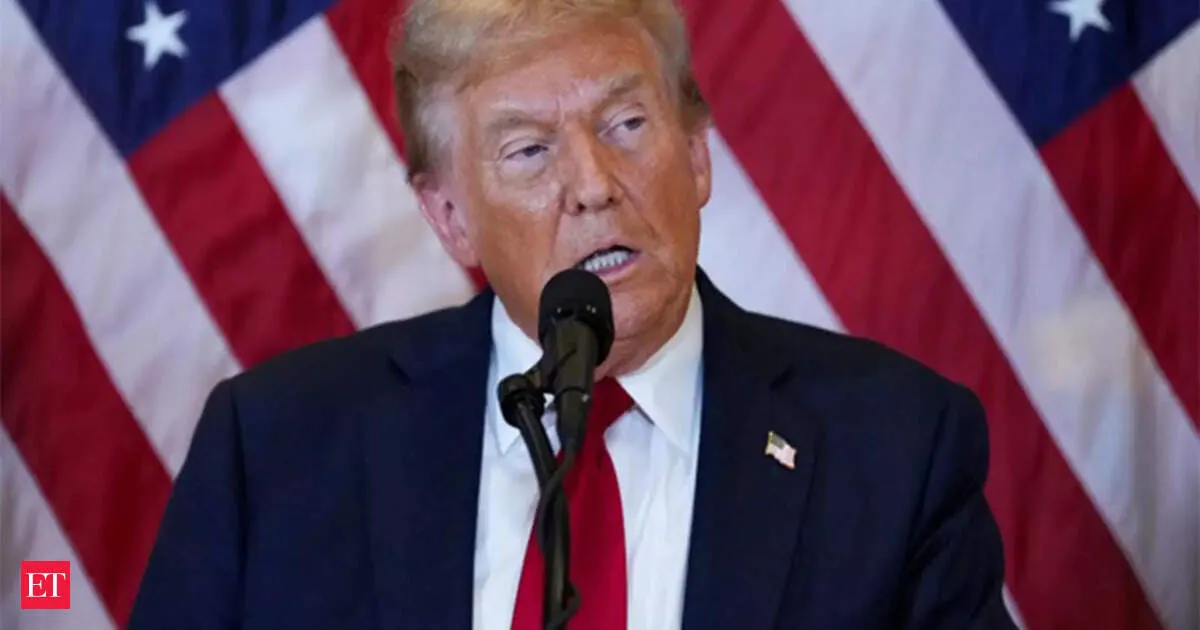
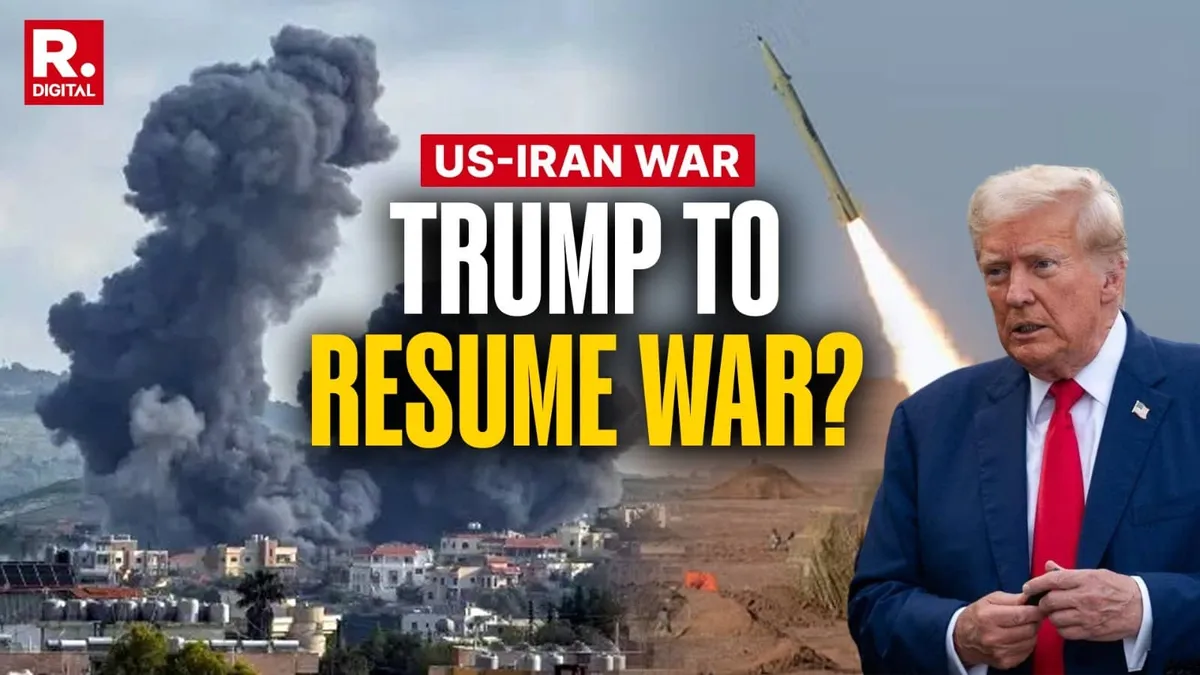
US President Donald Trump said the US-Iran ceasefire, meant to open diplomacy toward ending hostilities in West Asia, was agreed “as a favour to Pakistan” because the country has mediated talks between Washington and Tehran. Trump also credited broader international pressure for influencing the pause. While he dismissed needing any “favours” from Xi Jinping over the Strait of Hormuz, he suggested China could still pressure Iran. Trump warned the US may carry out “cleanup work” after the month-long truce amid internal doubts about Pakistan’s messaging.
Your news, in seconds
Get the Beige app — every story in 60 words, updated hourly. Free on iOS & Android.
Iran’s foreign minister Abbas Araqchi said Tehran has “no trust” in the United States and will negotiate only if Washington is genuinely serious. Talks to end the Iran conflict are stalled after both sides rejected new proposals during Pakistan-mediated efforts. While Iran says vessels not at war with it may pass the Strait of Hormuz if they coordinate with Iran’s navy, Araqchi warned the situation remains “very complicated,” with Iran still prepared to resume fighting. Nuclear issues and Hormuz control are key hurdles.
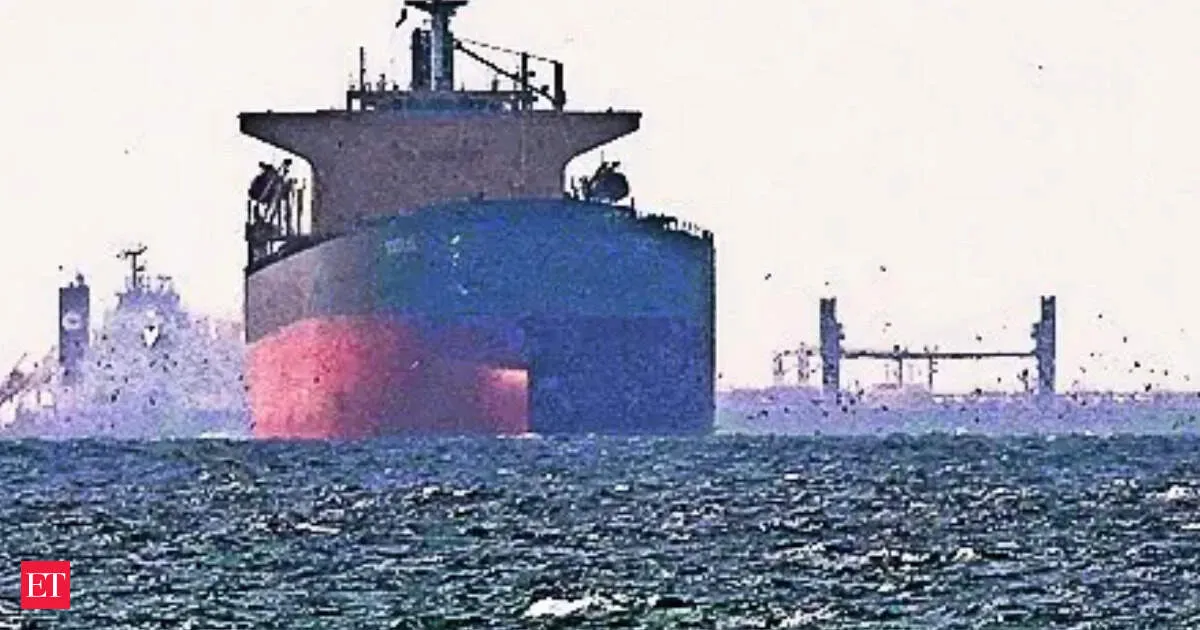
The UAE has strongly condemned an attack on an Indian-flagged commercial vessel off Oman’s coast, calling it a terrorist act and a dangerous escalation that endangers critical shipping lanes. India’s Ministry of External Affairs said the incident occurred on Wednesday as the ship sailed from Somalia. Omani authorities rescued all 14 crew members. The UAE warned the strike violates a UN Security Council resolution on freedom of navigation. It also cited the fragile Strait of Hormuz amid regional conflict and previous attacks on Indian-flagged ships.
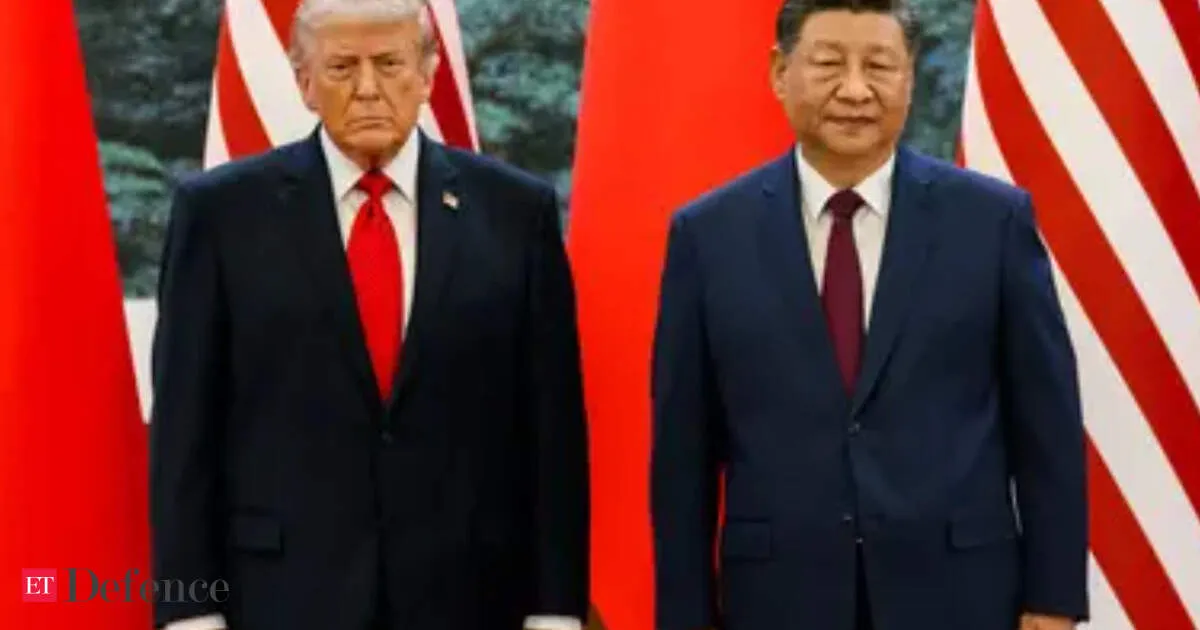
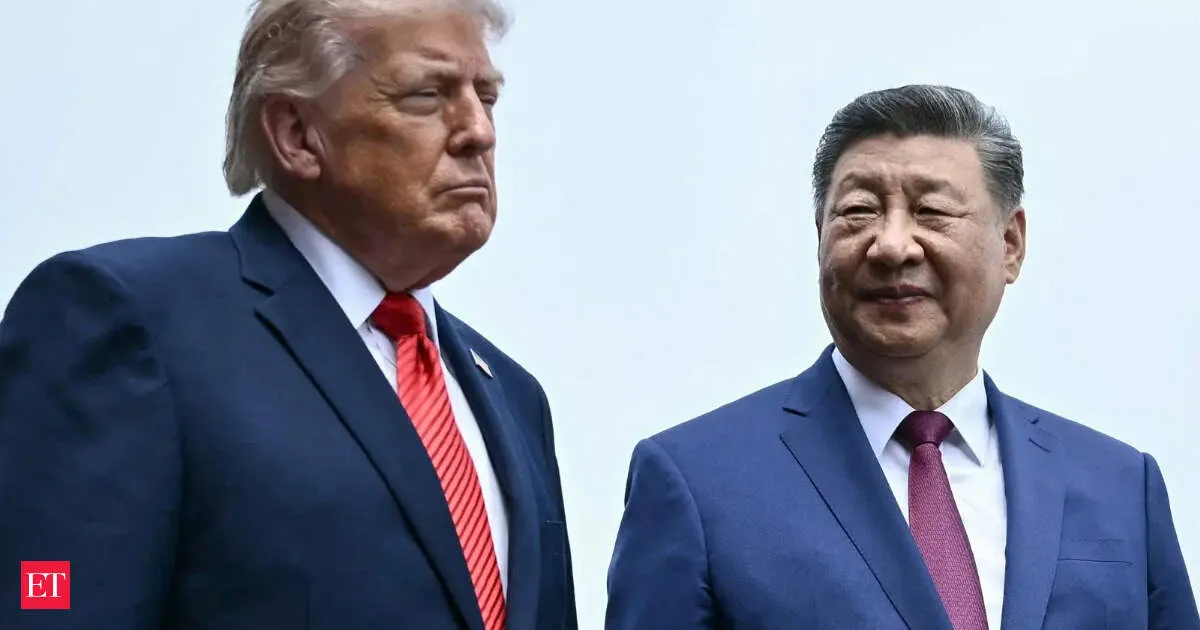
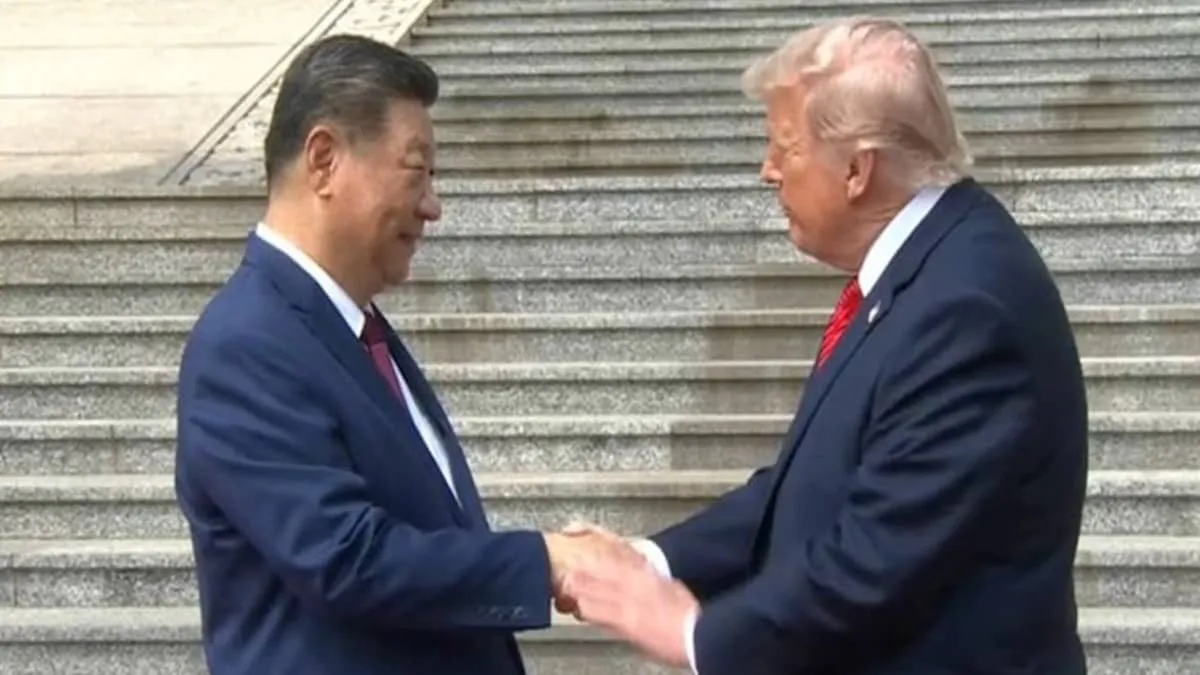
After meeting Xi Jinping in Beijing, Donald Trump said the US and China agreed Iran cannot be allowed to have nuclear weapons. He also claimed the Strait of Hormuz must reopen for global shipping, citing Xi’s opposition to militarising or tolling the waterway. Trump warned his patience is “running out” as US attacks pause but a port blockade continues, with talks stalled over Iran’s enriched uranium stockpile. Incidents include a sunk cargo vessel and unauthorised boarding near Fujairah.
After talks with China’s Xi Jinping, Donald Trump said his patience with Iran is running out, as the U.S. paused attacks but imposed a port blockade. Diplomacy to end the conflict has stalled because Iran refuses to shut its nuclear program and surrender its enriched uranium stockpile. The Strait of Hormuz remains effectively constrained after Iran responded to U.S.-Israeli strikes. Meanwhile, incidents near the UAE raised fears of escalating maritime control, affecting global energy flows.
Never miss a story
Set alerts for the topics and sources you care about. Download Beige for free.
Oil prices rose Friday, pushing Brent above $105 a barrel, as traders grew wary of ship attacks and seizures near the Strait of Hormuz despite Iran’s claim that around 30 vessels crossed safely. Markets are also tracking US China talks in Beijing. A US naval blockade remains active, and a commercial ship was reportedly seized before being taken into Iranian waters. With the IEA warning the market may stay severely undersupplied until October, analysts warn the squeeze could last into late 2027.
Oil prices rose on Friday as investors stayed nervous about attacks and seizures tied to the Strait of Hormuz, even after Iran said around 30 vessels had crossed since Wednesday evening. Brent futures climbed to $106.32 a barrel and WTI to $101.71, with analysts pointing to tight supply as the dominant driver. The White House said Donald Trump and Xi Jinping agreed on keeping Hormuz open, while a ship was reportedly seized near the UAE. Separately, an Indian livestock cargo vessel sank off Oman.
Oil prices climbed on Friday as fears of ship seizures and attacks persisted around the Strait of Hormuz, even with Iran claiming about 30 vessels passed since Wednesday evening. Brent futures rose 60 cents to $106.32 a barrel, while U.S. WTI gained 54 cents to $101.71. A ship reportedly seized by Iranian personnel off the UAE was reportedly headed for Iranian waters, and an Indian livestock-cargo vessel was sunk near Oman. Analysts cited tight supply as the main driver.
Iranian personnel reportedly seized a ship off the UAE, boarding it while anchored near Fujairah and steering it toward Iranian waters. The move comes as U.S. President Donald Trump and Chinese President Xi Jinping agreed to keep the Strait of Hormuz shipping lane open, with Xi opposing militarization and tolls. Separately, an Indian livestock cargo vessel was sunk off Oman. Iran says seizures follow law, while shipping data show traffic remains sharply reduced but rising, with new country-by-country deals.
Reading on mobile?
Open Beige in the app for a smoother experience — free on iOS and Android.
India’s crude oil stocks have fallen 15% since late February, according to Kpler, as imports ease amid the Iran conflict. While refinery run rates have held up, the gap is being covered by moderate inventory drawdowns from refinery storage and other stockpiles. Analysts warn this strategy can’t last if supply constraints continue, potentially forcing lower processing rates. The Strait of Hormuz is also near-closed, cutting Gulf output and tightening global supply heading into peak summer demand.
Oil prices jumped more than $3 a barrel as U.S. and Iran failed to align on Washington’s peace proposal, leaving the Strait of Hormuz largely constrained and global supplies tight. Brent rose to about $104, while West Texas Intermediate climbed to roughly $99. President Donald Trump dismissed Iran’s reply as “unacceptable,” dashing expectations of an imminent ceasefire that could reopen oil transit. Market focus now shifts to Trump’s Beijing visit and whether China can pressure Tehran to reduce disruption.
Peace deal hopes with Iran dimmed after Donald Trump said any ceasefire is “on life support,” following Tehran’s rejection of a U.S. proposal. Iran’s negotiating list included halting fighting across fronts such as Lebanon, demanding compensation for damage, and ending a U.S. naval blockade—terms Trump dismissed as “garbage.” With the Strait of Hormuz effectively near-closed, shipping has slowed to a trickle, exports are curtailed, and Brent crude climbed above $104.50, intensifying global economic pressure.
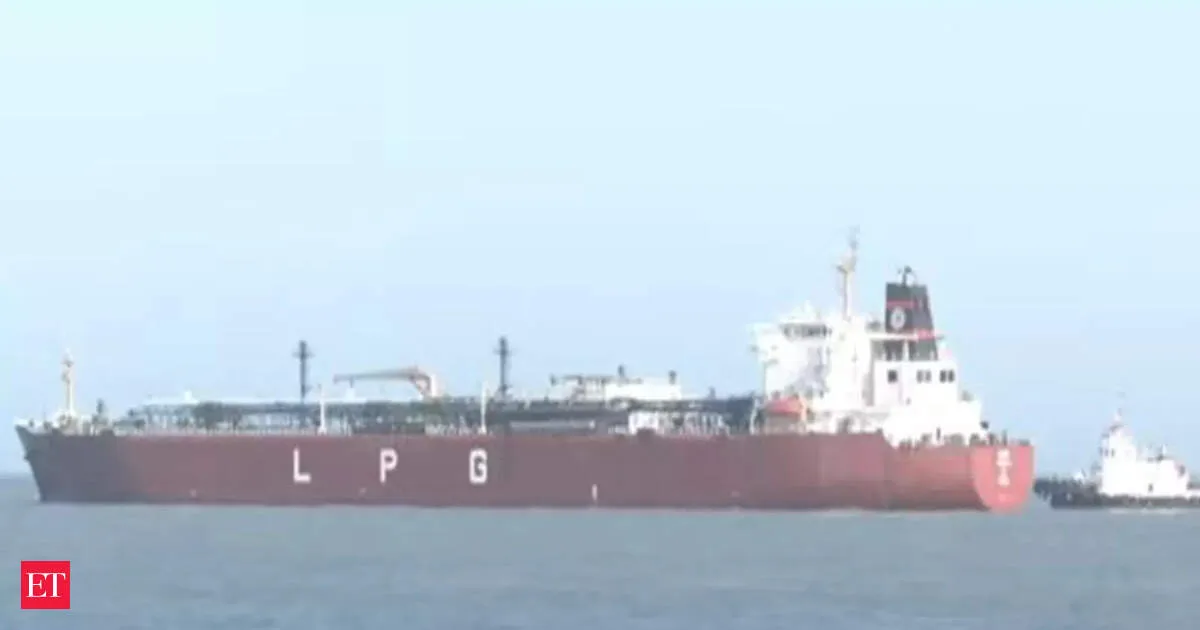
Ship-tracking data suggests the Iran-linked LPG carrier Tara Gas is transiting the Strait of Hormuz, moving past Larak Island on a route that appears aligned with Iranian approvals. The vessel is reportedly broadcasting that its crew and owners are Indian, even as the US maintains a naval blockade pressure campaign. The LPG onboard is described as cooking-fuel material. Bloomberg adds that countries including India have negotiated with Tehran to secure energy cargo releases.
Follow your favourite sources
Track sources, tags and categories — all in the Beige app.
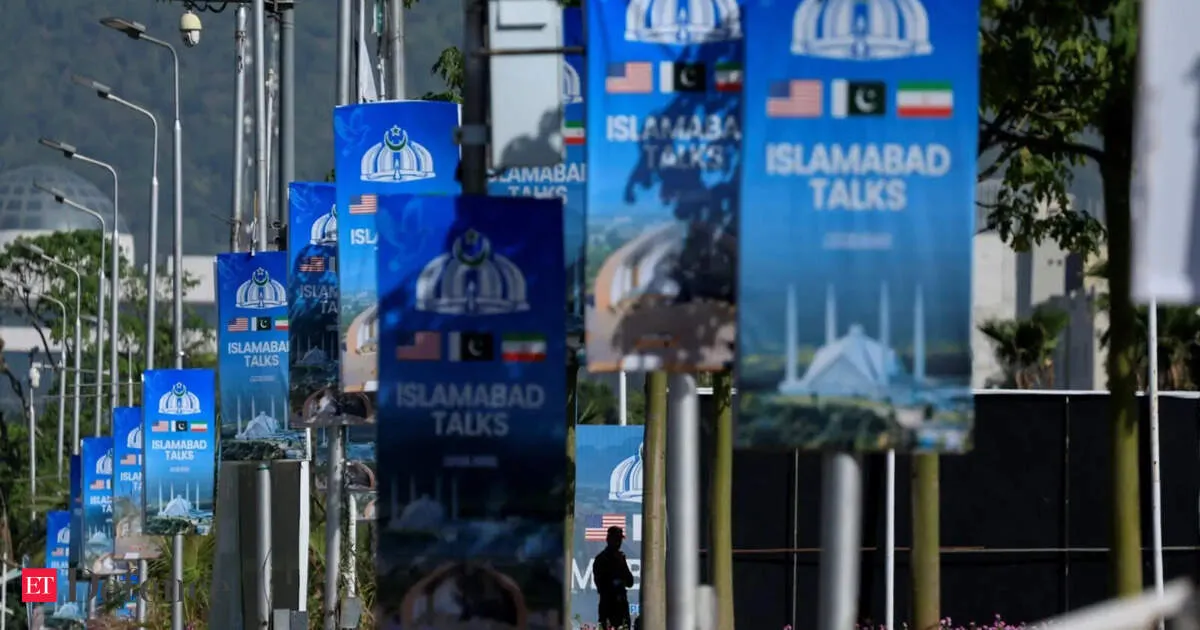
The US and Iran could resume negotiations as early as next week in Islamabad, the Wall Street Journal reports, citing people familiar with the discussions. Work is underway through mediators on a one-page, 14-point memorandum of understanding meant to set a framework for a month-long negotiation process to end the conflict. The draft reportedly covers Iran’s nuclear program, steps to reduce tensions in the Strait of Hormuz, and options for transferring Iran’s highly enriched uranium, but sanctions relief scope remains unresolved. If progress is made, the talks could be extended.
Two LPG carriers bound for India successfully transited the Strait of Hormuz amid ongoing US-Iran restrictions and a stalled push for a ceasefire. Ship-tracking shows Symi appeared in the Gulf of Oman after going dark, while NV Sunshine followed after changing its indicated destination. Together with other recent crossings since Sunday, the total reached ten large energy ships. The flow continued even as some vessels remained near a US blockade line and one US-turned supertanker idled nearby.
U.S. President Donald Trump downplayed recent strikes on Iranian targets as a “love tap,” telling ABC News that the ceasefire remains in effect even after an exchange of fire near the Strait of Hormuz. During the call, he rejected claims that escalation meant the agreement had collapsed, while the U.S. Navy reported successful transit through the strategic waterway despite Iranian attacks. Separate reports said U.S. strikes hit maritime corridors near Iran’s Qeshm port and Bandar Abbas, described as limited and not a return to full war.
Two LPG cargo vessels carrying supplies for India have safely crossed the Strait of Hormuz and are expected to reach Indian ports in the coming days. The move comes amid an ongoing West Asia crisis, highlighting the Centre’s push to protect energy deliveries and keep fuel supply uninterrupted even as regional risks remain elevated.
Stay informed on the go
Bite-sized news from 100+ trusted sources, right in your pocket.
President Donald Trump and Chinese President Xi Jinping held a “good meeting” in Washington focused on expanding market access for American businesses in China and encouraging Chinese investment in US industries. They also addressed global security, stressing that the Strait of Hormuz must remain open to keep energy flowing freely, as discussions touched Iran-related concerns and regional stability.
Oil prices climbed to $105 as markets watched a high-stakes Trump-Xi meeting in Beijing. The focus: whether diplomacy can help end the Iran war disrupting supply, including fears around the Strait of Hormuz blockade. With supply lagging demand and few tankers reportedly exiting since February, traders are betting on a breakthrough to cool prices.
Swipe through stories, personalise your feed, and save articles for later — all on the app.