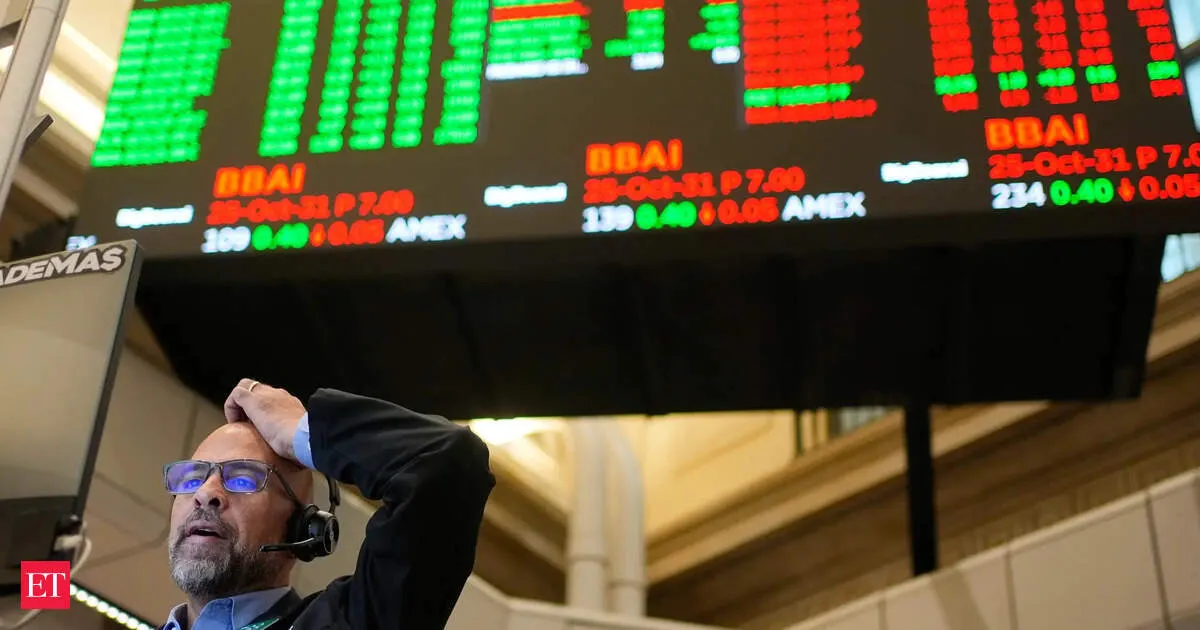
US stock market futures fell as escalating Persian Gulf tensions threatened oil supply and disrupted key shipping routes, rattling investor confidence. Iran’s rejection of a US ceasefire proposal intensified fears after drone incidents and renewed threats near the Strait of Hormuz. Traders are now closely tracking oil prices, diplomatic signals, and incoming economic data to judge whether the S&P 500, Nasdaq, and Dow can rebound.
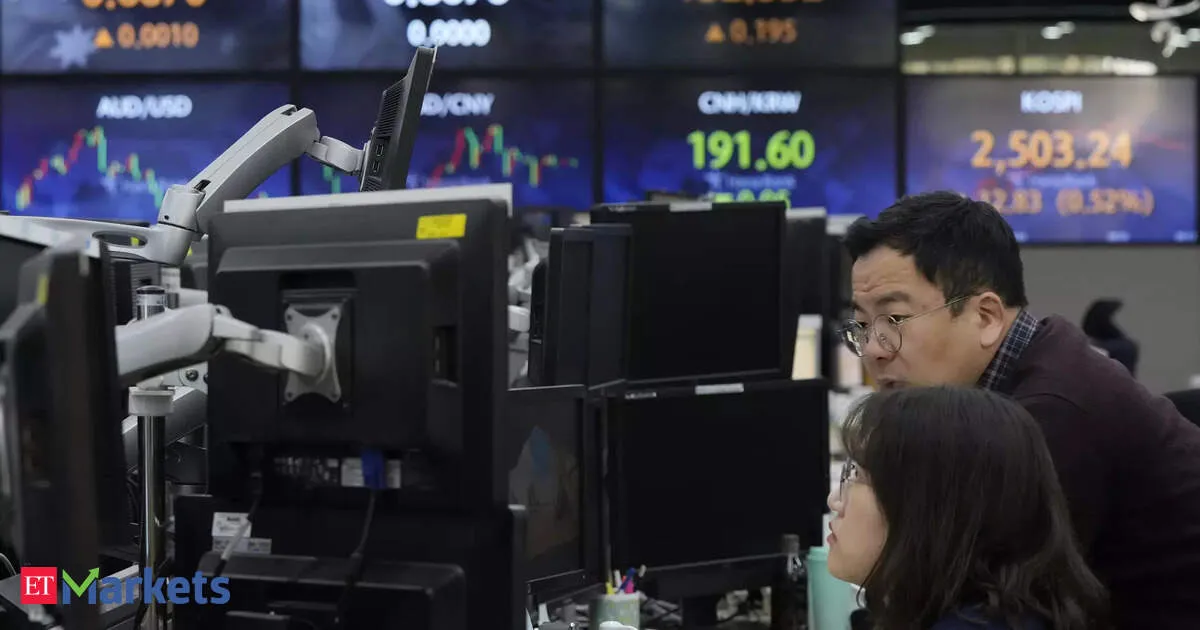
Asian markets climbed to record highs as President Trump suggested meaningful progress in Iran negotiations, easing geopolitical fears. The mood lifted tech shares, with South Korea leading the gains, while Brent crude fell. U.S. stock futures also rose, as investors expect lower inflation pressures and continued economic strength, driven by improving sentiment and softer energy costs.
Your news, in seconds
Get the Beige app — every story in 60 words, updated hourly. Free on iOS & Android.
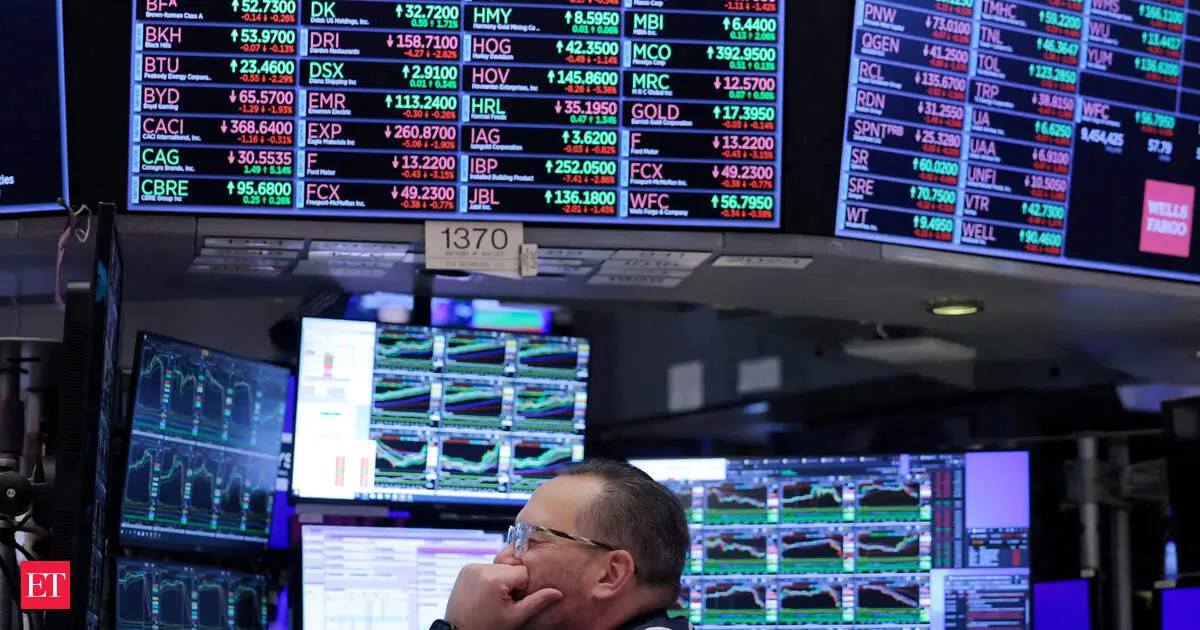
US stock market futures fell as reports tied to US-Iran tensions boosted oil prices and added geopolitical risk. Traders are also weighing fresh earnings updates and corporate deal signals, while watching how analyst outlook and market positioning respond. The key question now is whether Dow, S&P 500, and Nasdaq can recover, or remain pressured by energy-driven volatility and shifting sentiment.
Swipe through stories, personalise your feed, and save articles for later — all on the app.