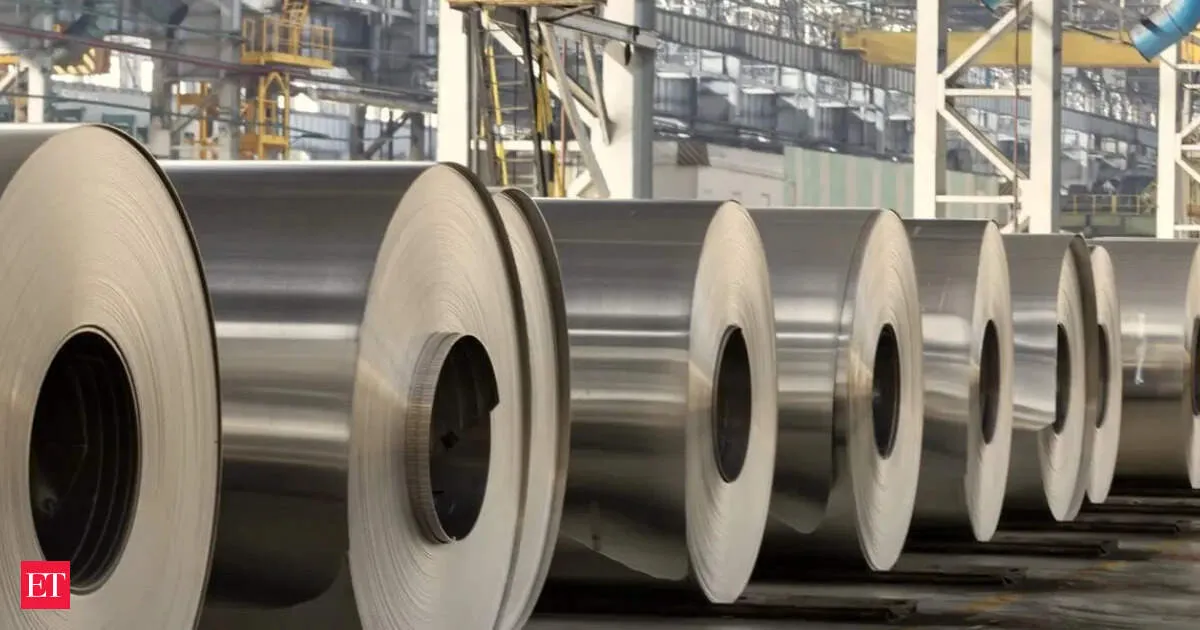
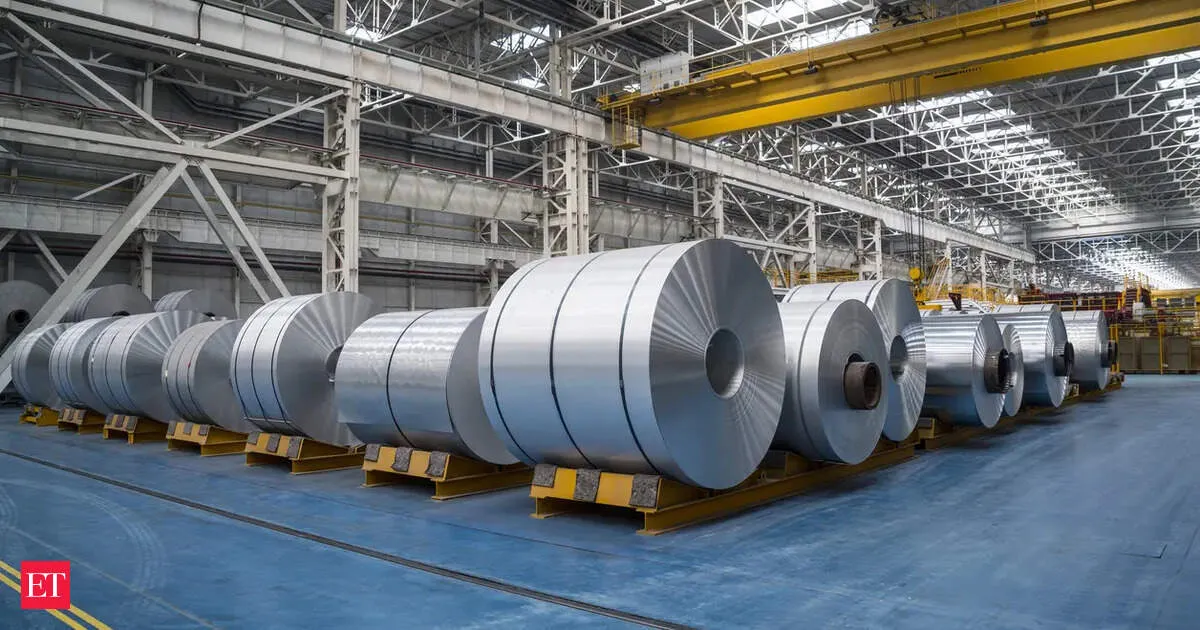
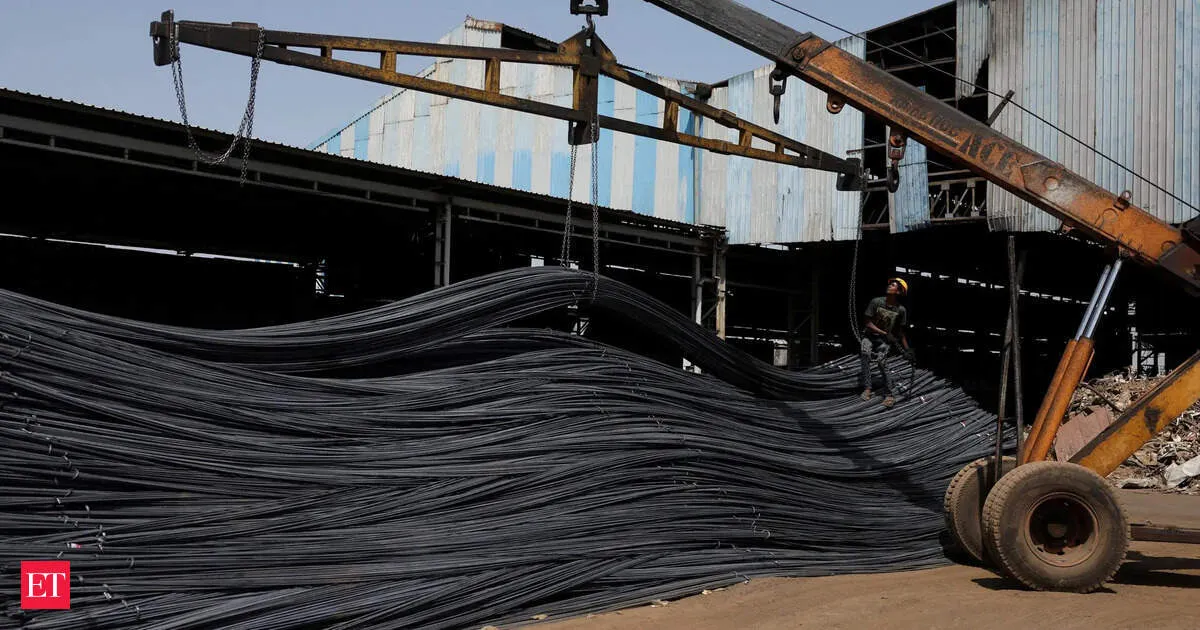
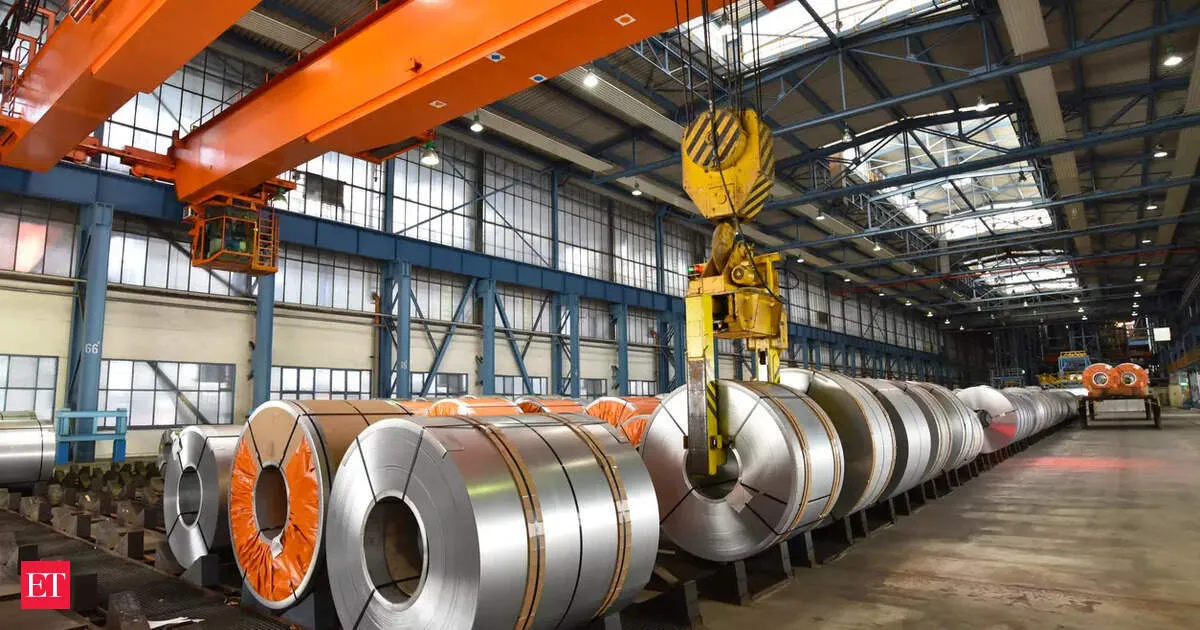
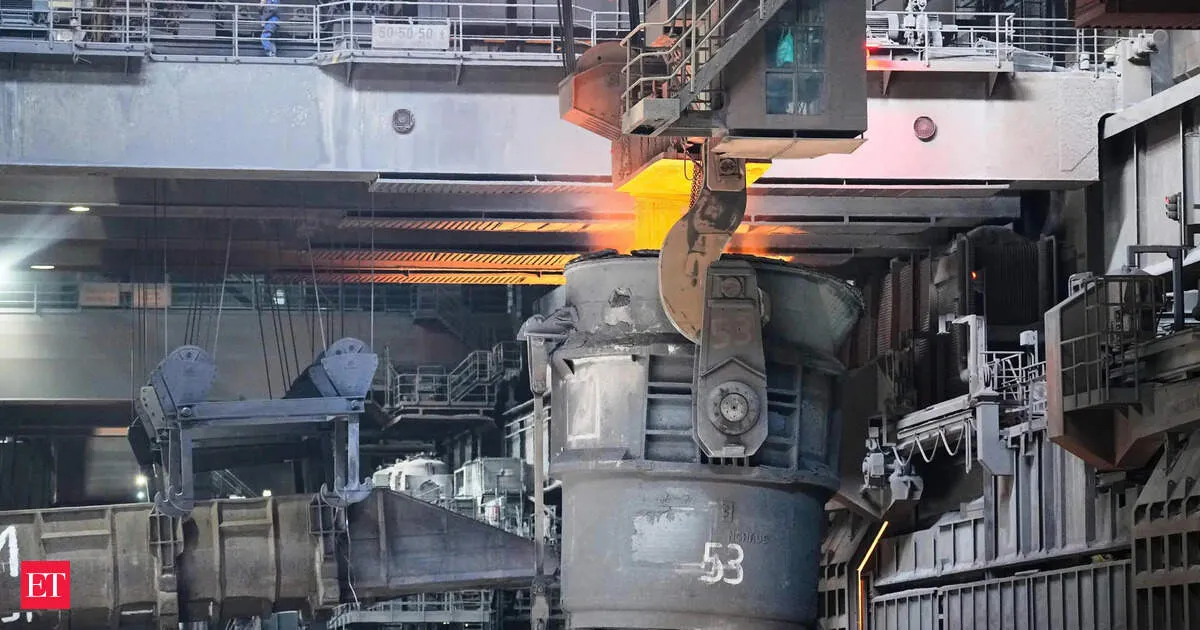
India is working on a new steel policy that aims to reshape the sector by 2035 and 2047. The plan sets ambitious production goals for green, specialty and stainless steel, pushing the industry toward higher quality while reducing reliance on imports. The policy is positioned as a shift from volume growth to value, sustainability and stronger domestic supply chains.
Magnus Steel and Infra has been listed among approved steel suppliers for Tata Motors’ upcoming manufacturing facilities in Gujarat and Maharashtra. The company has started supplying materials via RIECO Industries Ltd, signaling early traction ahead of larger follow-on orders. Total engagement is estimated at about Rs 32.50 crore, with additional supply orders expected as projects ramp up.
Your news, in seconds
Get the Beige app — every story in 60 words, updated hourly. Free on iOS & Android.
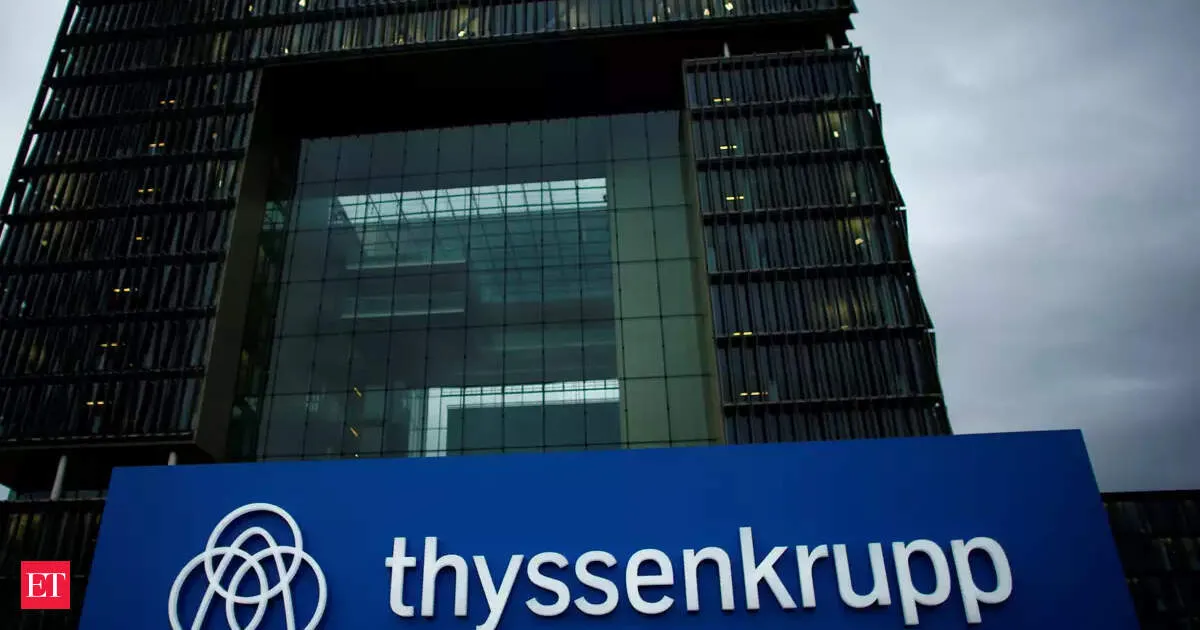
German conglomerate Thyssenkrupp has cut its 2026 sales forecast, warning that weakening demand in both steel and automotive will likely drag revenue down by as much as 3%. The company points to broader economic slowdowns across Europe and is in the middle of restructuring its operations, signaling tougher times for industrial demand going forward.
India’s steel sector posted strong April growth in 2026, with crude output up 5.8% and steel consumption rising 8.1%. The uptick points to firm domestic demand across infrastructure and manufacturing, alongside fresh capacity expansion plans. Green steel efforts are advancing too, with certifications reaching many producers, while domestic prices show signs of recovery.
State-owned NMDC has increased its iron ore lump and fines prices by Rs 200 per tonne, effective immediately. Baila lump is now at Rs 5,500 per tonne and fines at Rs 4,700, excluding taxes and fees. The move is likely to raise input costs for steel manufacturers and could ripple through downstream pricing.
Mahindra & Mahindra’s Q4 FY26 results largely met top-line expectations, boosted by strong volume growth. Yet rising aluminium and steel costs are expected to pressure margins, with the full effect likely landing in Q1 FY27. Investors will also track how the company manages raw material inflation, alongside its EV roadmap and farm equipment demand amid El Niño conditions.
Never miss a story
Set alerts for the topics and sources you care about. Download Beige for free.
India will testify before the US Trade Representative on May 8, pushing back against US allegations of excess manufacturing capacity. Trade officials and industry representatives will address claims tied to petrochemicals, steel, and solar modules. India argues that trade surpluses are driven by broader macroeconomic factors, not unfair overcapacity. The hearing forms part of a wider US review of trade practices.
Jindal Stainless expects 7–9% volume growth this fiscal, even as it braces for the West Asia crisis to affect demand. The company said it may revise the target mid-year and is looking at 2.75–2.80 million tonnes of production. Exports are projected to make up about 10% of sales, led by Brazil, South Korea, Japan and the Middle East.
Mangalam Worldwide, a stainless-steel manufacturer, said its consolidated net profit rose 81% to Rs 15.37 crore in Q4 ending March 31, largely due to sharply lower expenses. Quarterly income dipped to Rs 266.50 crore, but annual income grew 14%, pointing to improving performance despite short-term revenue softness.
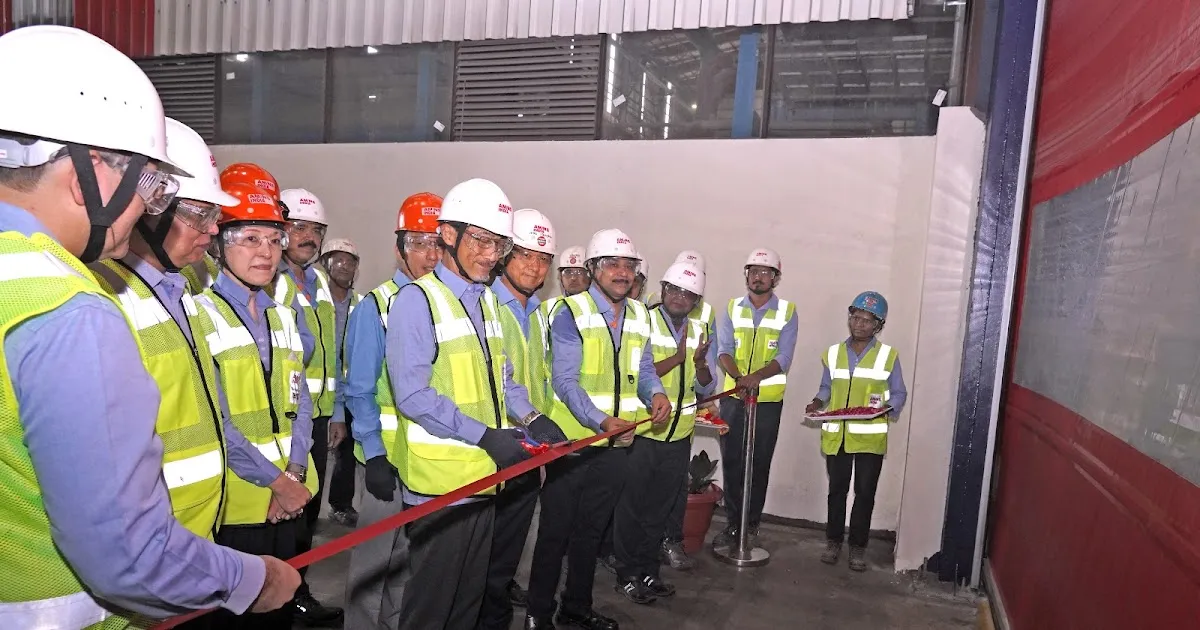
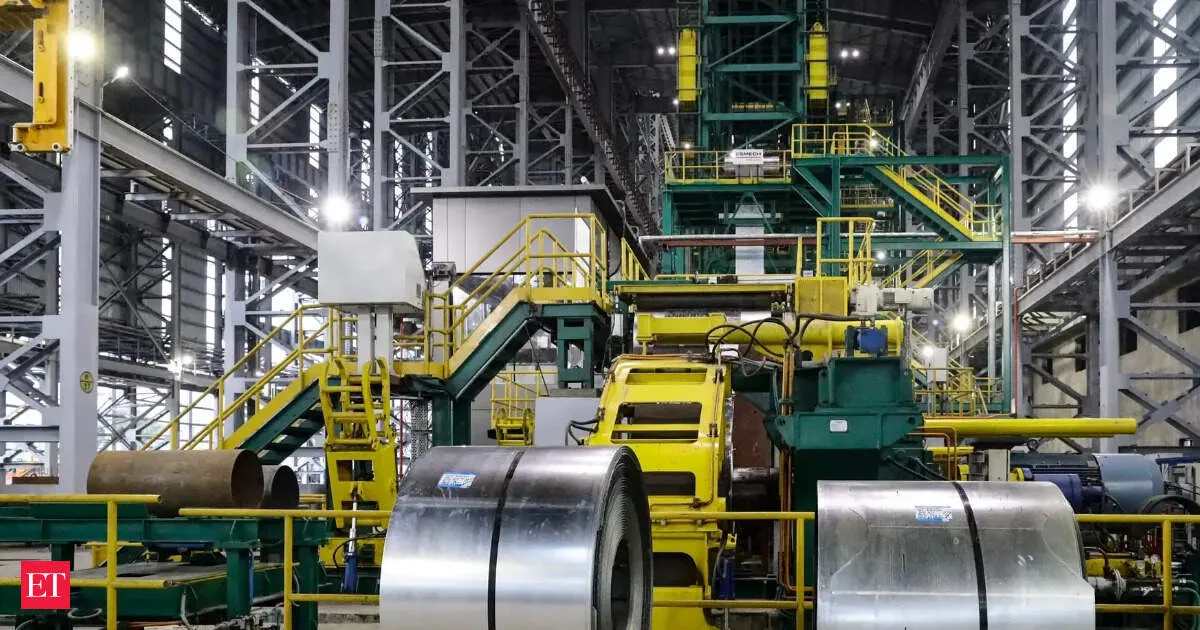
ArcelorMittal Nippon Steel India inaugurated an advanced Pickling Line and Tandem Cold Mill (PLTCM) at its Hazira plant, with a 2 million tonnes per annum capacity. The upgrade aims to make India self-reliant in Advanced High Strength Steel (AHSS) and related automotive steel grades, supporting import substitution and safer, lighter vehicles as India’s auto demand rises.
Reading on mobile?
Open Beige in the app for a smoother experience — free on iOS and Android.
India has turned into a net exporter of finished steel for the first time in the fiscal year ending March 31. The country shipped 6.6 million metric tons, up 35.9% year on year, while imports dropped 31.7%. Crude steel production also rose strongly, signaling momentum in domestic output and supply.
Iran has suspended exports of steel slabs and sheets until May 30, blaming war-linked strikes that damaged key steel facilities. The delay threatens export earnings and risks ripple effects across construction and automotive demand. While imports may help stabilize supply, getting full production back online could take up to a year, with possible job losses and inflation pressures.
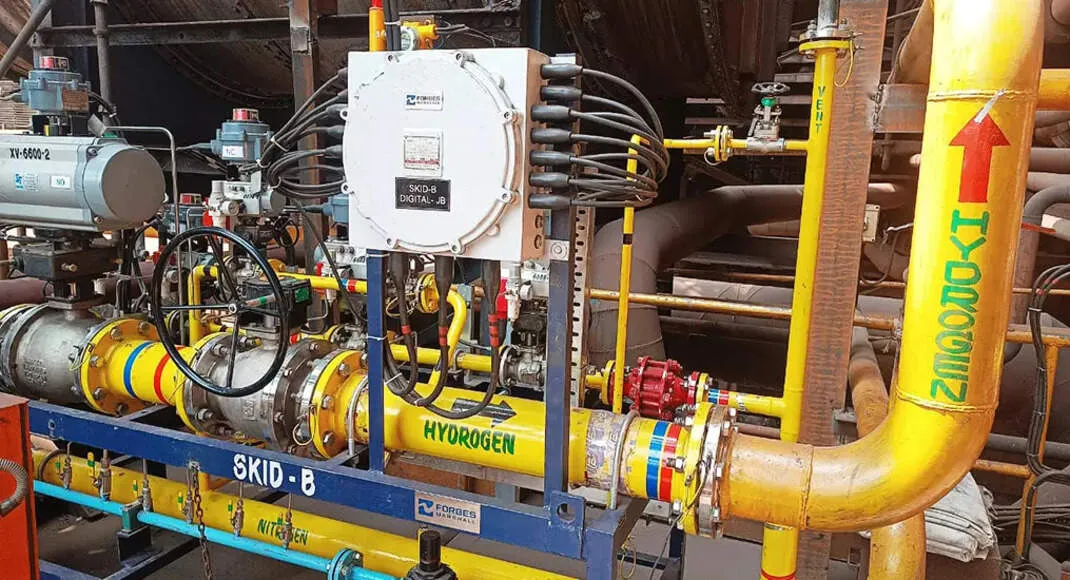
With India’s steel sector responsible for around 35% of industrial CO2 emissions, Tata Steel and JSW Energy are pursuing green hydrogen to produce low-carbon steel. The move could reshape one of the hardest industries to abate, but it comes with massive infrastructure and financing requirements. The question: can their roadmap scale across the sector?
The government has extended interest subvention benefits to micro and small iron and steel enterprises exporting 167 specified product categories. The move is designed to improve their access to credit amid global pressures and builds on an earlier export support package. Medium-sized units, however, will not qualify for this particular subsidy.
Follow your favourite sources
Track sources, tags and categories — all in the Beige app.
India’s steelmakers are scaling up and shifting toward greener production, but a quieter bottleneck is emerging. Steel scrap—the key input for many mills—is getting harder to source and increasingly expensive. As demand rises with capacity targets, securing reliable scrap supply could slow projects, squeeze margins, and complicate the transition to low-carbon steel.
The government has amended pricing norms for low-grade iron ore types like Banded Haematite Quartzite and Jasper to push greater use. By adjusting prices, it hopes to curb wastage and improve resource utilization while making beneficiation financially viable, helping secure a steadier supply of iron ore for the steel industry.
The government’s December 30 safeguard duty on cheap steel imports offered a quick boost to domestic players like Tata Steel, JSW Steel and SAIL. But the momentum faded as a CCI probe alleged that major steelmakers may have colluded on pricing, raising the possibility that competition rules were breached. The industry now faces a “one step forward, two steps back” scenario.
As CBAM shifts from reporting to taxation in 2026, Indian steel exporters are staring down higher costs and tighter compliance. They must either cut emissions quickly, move into higher value products, or risk losing their most lucrative market. The transition pressure is mounting even as firms try to modernize production and reduce carbon intensity.
Stay informed on the go
Bite-sized news from 100+ trusted sources, right in your pocket.
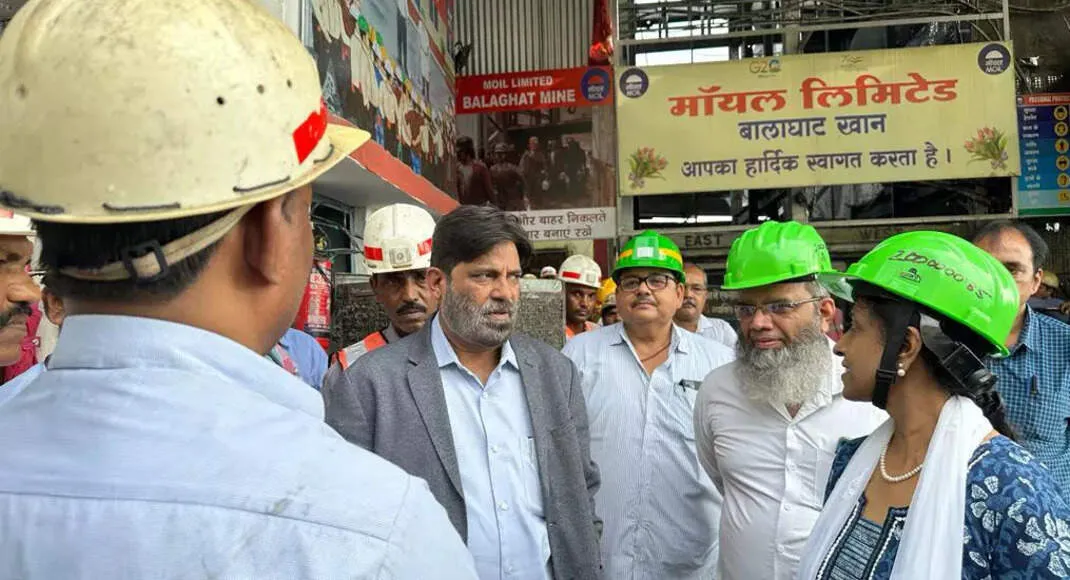
As India scales up steel capacity, manganese—key to steel strength—is becoming harder to source reliably. Domestic ore supply is falling short, leaving imports vulnerable to price swings. The spotlight is on MOIL, India’s largest manganese producer, and whether it can expand output or secure supply fast enough to keep steel growth on track.
Global steel demand is forecast to grow only 0.3% in 2026, dragged down by China, even as India is expected to stand out in the demand rebound in 2027. Steel prices are still climbing due to higher raw-material costs, tighter supply, and geopolitical risks. Aluminium is gaining, while copper, zinc and nickel edge lower amid volatility.
Swipe through stories, personalise your feed, and save articles for later — all on the app.