Serial founder RJ Scaringe has pulled in more than $12.3 billion across three startups in under a decade, with investors still lining up for his newest bet. His latest venture, Mind Robotics, just raised $400 million, following earlier momentum from his electric micromobility startup Also, which took in $105 million in 2025 and surpassed $300 million total. Partners say the edge is Scaringe’s rare talent for engineering plus product design, paired with crisp, credible storytelling that sells the idea, not the ego.
Prime Minister Narendra Modi, in his second stop of a five-nation tour, addressed the Indian diaspora in The Hague, Netherlands, drawing cheers of “Jai Jai Modi.” He laid out four major aspirations for “Viksit Bharat,” linking them to modern India’s push for jobs and innovation. Modi cited a dramatic startup boom from about 500 in 2014 to over two lakh today, with 44,000 more seeking registration. He also highlighted plans to become a global manufacturing hub, use Olympics hosting for global stature, and lead in green energy through large-scale solar expansion.
Your news, in seconds
Get the Beige app — every story in 60 words, updated hourly. Free on iOS & Android.
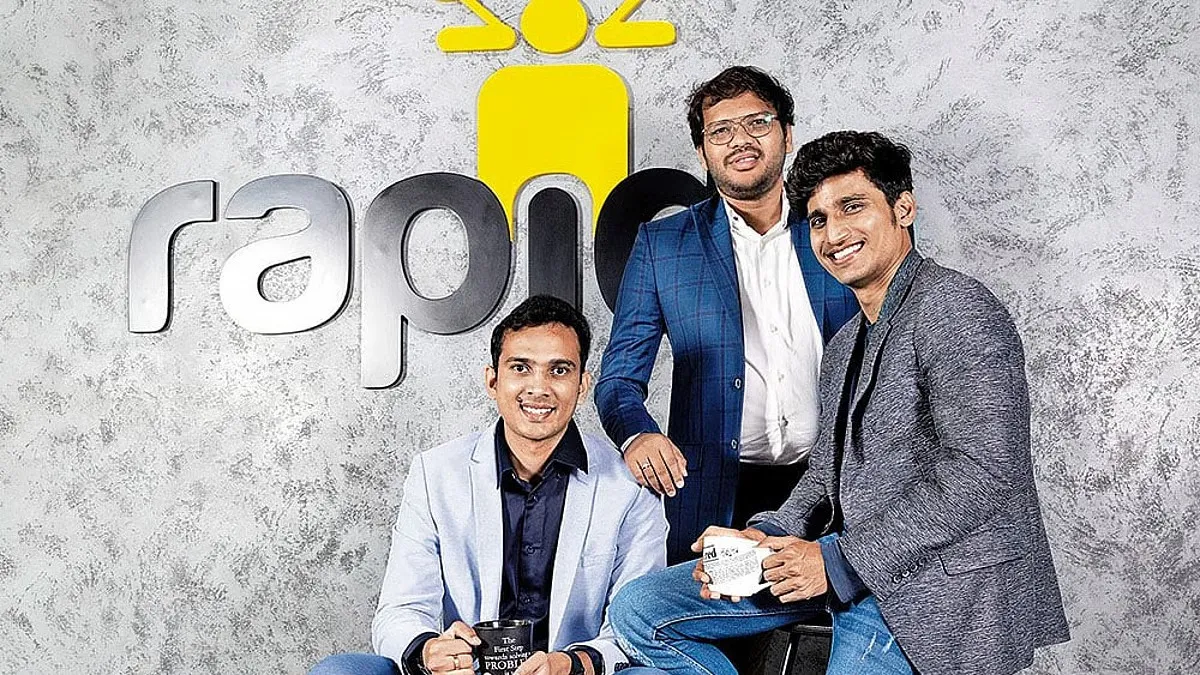
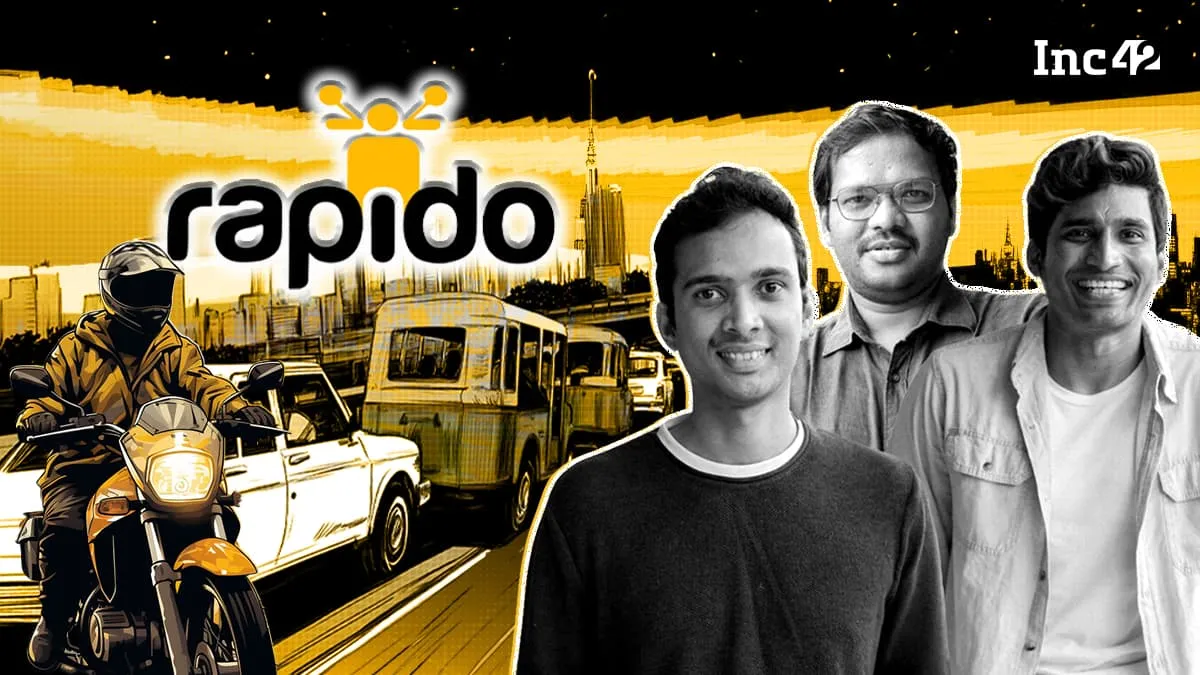
Bengaluru-based mobility platform Rapido has raised $240 million, led by Prosus, taking its post-money valuation to $3 billion—triple its level from under two years ago. The deal is part of a larger $730 million primary and secondary financing. After years of regulatory setbacks—bike taxis were declared illegal in Bengaluru and shut down in Maharashtra—Rapido built momentum: 60% of India’s bike taxi market, 10 lakh rides daily, and 50 million monthly active users. Funds will expand demand, grow captains, and invest in tech.
Rapido, the ride-hailing unicorn, has raised $240 million (₹2,302 crore) at a $3 billion post-money valuation, led by existing backer Prosus with participation from WestBridge Capital, Accel, and other undisclosed investors. The company says this is part of a larger $730 million round combining primary and secondary transactions. Rapido plans to expand into new markets, deepen existing operations, grow its driver base, and invest in technology and hiring to build denser, more reliable supply.
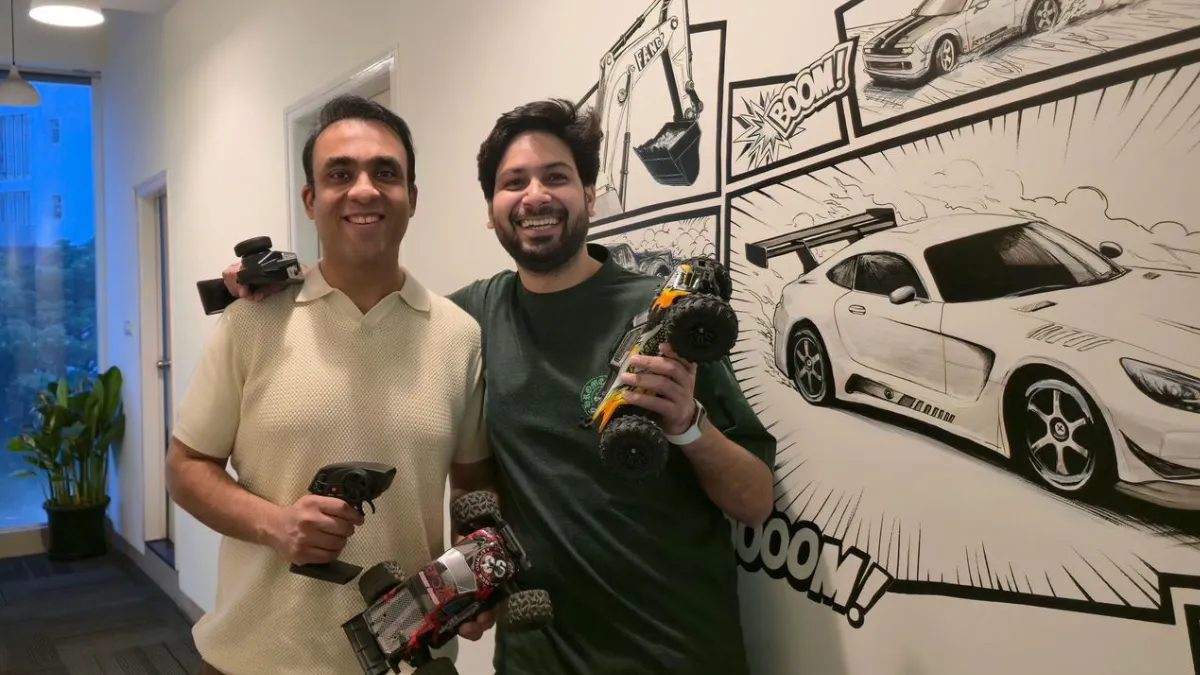
D2C toy startup Legend of Toys has raised ₹21 crore in a pre-Series A round led by Singularity Early Opportunities Fund, with participation from Veltis Capital, Enzia Ventures, DeVC, Atrium Angels, and Stride. Founded in 2024 by Afshaan Siddiqui and Vinay Jaisingh, it will use the funds to deepen its RC and narrative play lines, scale manufacturing, and expand international distribution. The brand also plans growth in DIY and more consumer marketing, alongside digital expansion.
Lovable, the AI app-building platform, has backed Danish hardware startup Atech in an $800,000 pre-seed round that also included a16z’s scout fund, Sequoia Scout Fund, and Nordic Makers. Atech’s process is designed to feel like “vibe coding” for physical products: users buy a starter kit, open a site tab, describe their hardware concept to an AI chatbot, and get code to build a working prototype. The company says its audience spans from kids building cars to industrial hydrogen sensing needs.
Never miss a story
Set alerts for the topics and sources you care about. Download Beige for free.
India’s quick commerce boom is spilling into domestic help, with startups like Snabbit and Pronto drawing investor attention for on-demand cleaners and helpers. Workers can be booked for household chores starting around Rs 99, in a market investors estimate at $60 billion. Backers say reliability and standardization solve absenteeism, and repeat use could shift recurring tasks to apps. But consumers cite higher repeat prices, limited availability, inconsistent support, and weak grievance resolution, making “instant” reliability uncertain.
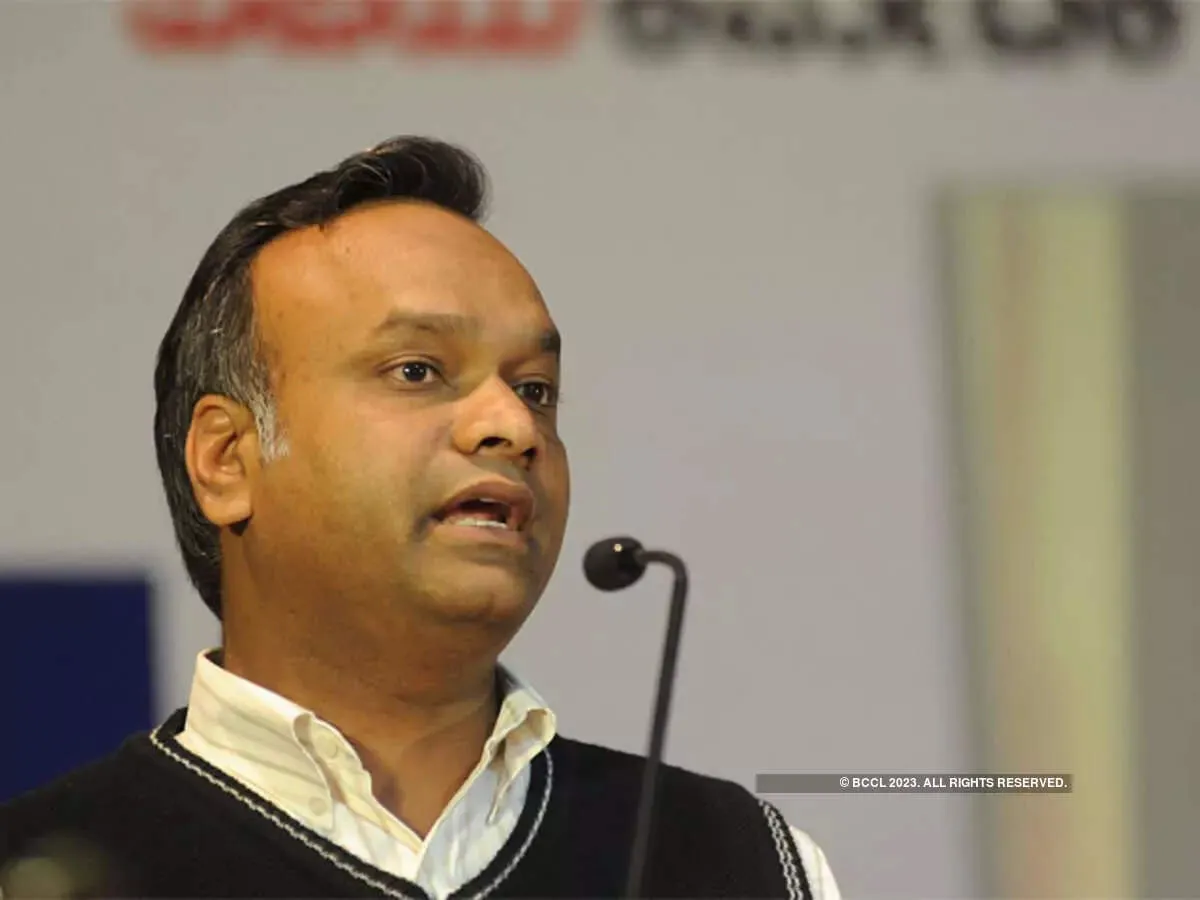
Karnataka’s IT Ministry held a high-level spacetech ecosystem consultation chaired by Minister Priyank Kharge, bringing together startups, academia, industry, HAL and public institutions. The standout plan: a Common Assembly, Integration and Testing (AIT) facility in the state, using land near Bengaluru and a Public-Private Partnership model. Officials also discussed easier access to existing test infrastructure, manufacturing parks, and Karnataka’s draft Space Policy.
Karnataka plans to deepen ties with Chile by expanding cooperation in digital services, startups, and talent exchange. IT/BT minister Priyank Kharge said a high-level meeting with Chilean representatives—headed by foreign affairs minister Francisco Perez Mackenna—focused on innovation-led growth, market access, and mobility of skilled talent. The talks build on a letter of intent signed at the Bengaluru Tech Summit under the Global Innovation Alliance framework. Both sides also discussed renewable energy collaboration, including green hydrogen and sustainable industrial innovation.
Clio has crossed a major milestone, hitting $500 million in annual recurring revenue as legal tech adoption surges. The timing is notable: at the same moment, Anthropic is intensifying its AI push, raising competitive pressure across software categories. The result is a faster race toward customers, automation, and AI-driven workflows in law firms.
Reading on mobile?
Open Beige in the app for a smoother experience — free on iOS and Android.
Stealth-mode AI lab Recursive has raised $650 million at a $4.65 billion valuation, aiming to build self-improving AI systems. The funding highlights how fast new AI startups are attracting capital for ambitious approaches beyond today’s mainstream models, as investors bet on labs that can accelerate progress through tighter feedback loops and rapid iteration.
Lightspeed has cut the size of its fifth India venture fund, now targeting about $300–350 million instead of an earlier plan to raise up to $500 million. The decision reflects changing fundraising dynamics, with details shared by people familiar with private discussions. The move signals a more selective approach to deploying fresh capital in India’s startup ecosystem.
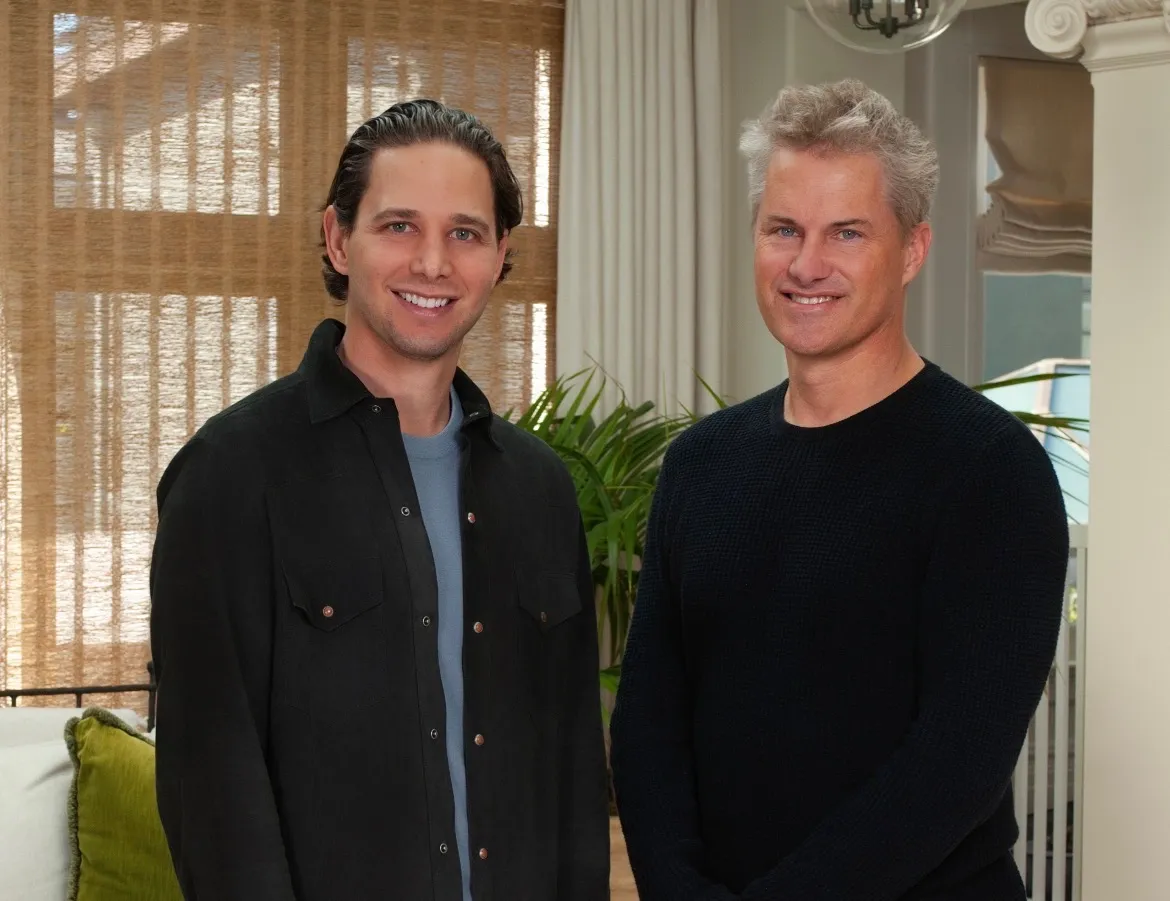
Early-stage venture firm A* Capital, founded by Kevin Hartz, has closed its third fund, Fund III, with $450 million. The milestone underscores renewed appetite for early bets, as the firm prepares to deploy capital into new startups and follow-on opportunities. With a sizable third vehicle now in hand, A* signals ambition to scale its deal pipeline and track record.
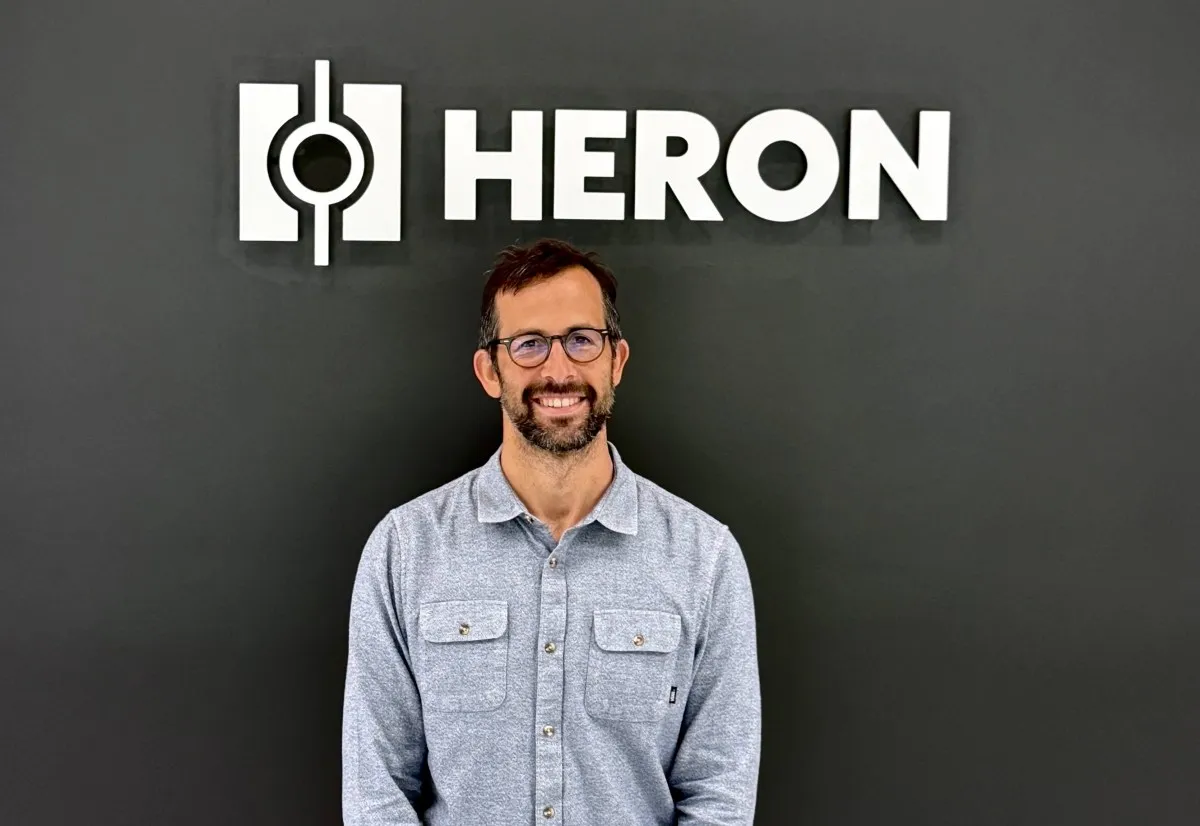
Former Tesla executive Drew Baglino has launched Sadi Thermal Machines, a heat pump startup aimed at improving how heat is generated and moved. The company is Baglino’s second venture since he left Tesla in 2024, following earlier work with Heron Power. Tech observers see the move as a continued push into electrification and energy efficiency.
Follow your favourite sources
Track sources, tags and categories — all in the Beige app.
Prime Minister Narendra Modi’s WFH advisory amid West Asia tensions has sparked debate in corporate India, but many Indian startups are holding back. Founders across Delhi NCR, Bengaluru and Mumbai cite pandemic lessons: remote work allegedly slowed execution, complicated collaboration, and made office culture harder to reverse—plus many are stuck with long-term leases.
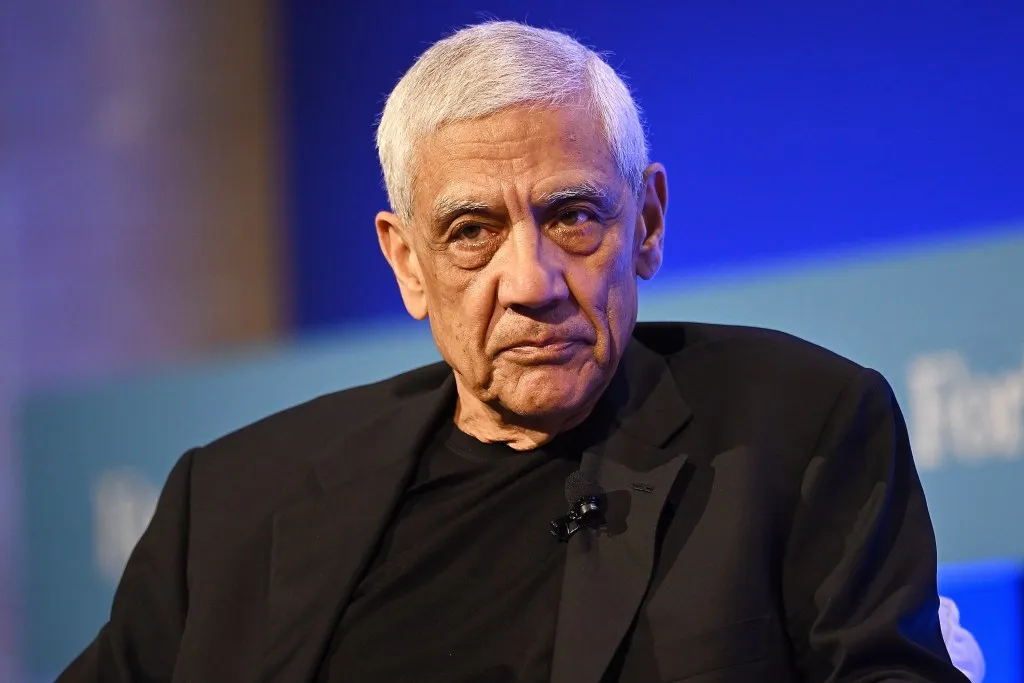
Vinod Khosla, head of Khosla Ventures with over $15 billion in assets, argues AI will take over about 80% of jobs within five years. In backing founders, he focuses less on hype and more on a specific, hard-to-teach trait he believes will determine who can build and adapt as automation accelerates.
Maruti Suzuki India has selected six startups for its accelerator program to build new technology-driven business solutions for automotive operations. The partnership targets smarter plant safety and higher efficiency, with an expectation that product development cycles will shrink. It also aims to strengthen material traceability and improve customer engagement, helping the company modernize operations and prepare for what’s next.
Startup Dessn just raised $6M to create AI-powered design tools that integrate directly with production codebases. The pitch: move beyond mockups and prototypes by generating design assets that align with how software is actually built and deployed. Investors are betting teams can speed up iteration while reducing translation gaps between design and engineering workflows.
Stay informed on the go
Bite-sized news from 100+ trusted sources, right in your pocket.
AI voice startup Vapi has reached a $500M valuation after Amazon Ring selected its platform over 40 rivals. The company says enterprise demand has surged, with its business growing tenfold since early 2025 as firms move customer support and sales calls to AI agents. The win signals accelerating adoption of voice automation in enterprise workflows.
Robinhood has reportedly filed confidentially for what would be its second venture fund, aiming at growth and early-stage startups. The move signals a deeper push beyond trading as the AI rally boosts investor appetite for new companies. While details remain limited, the filing suggests Robinhood wants to broaden its startup bets and position for a future retail-facing listing.
Swipe through stories, personalise your feed, and save articles for later — all on the app.