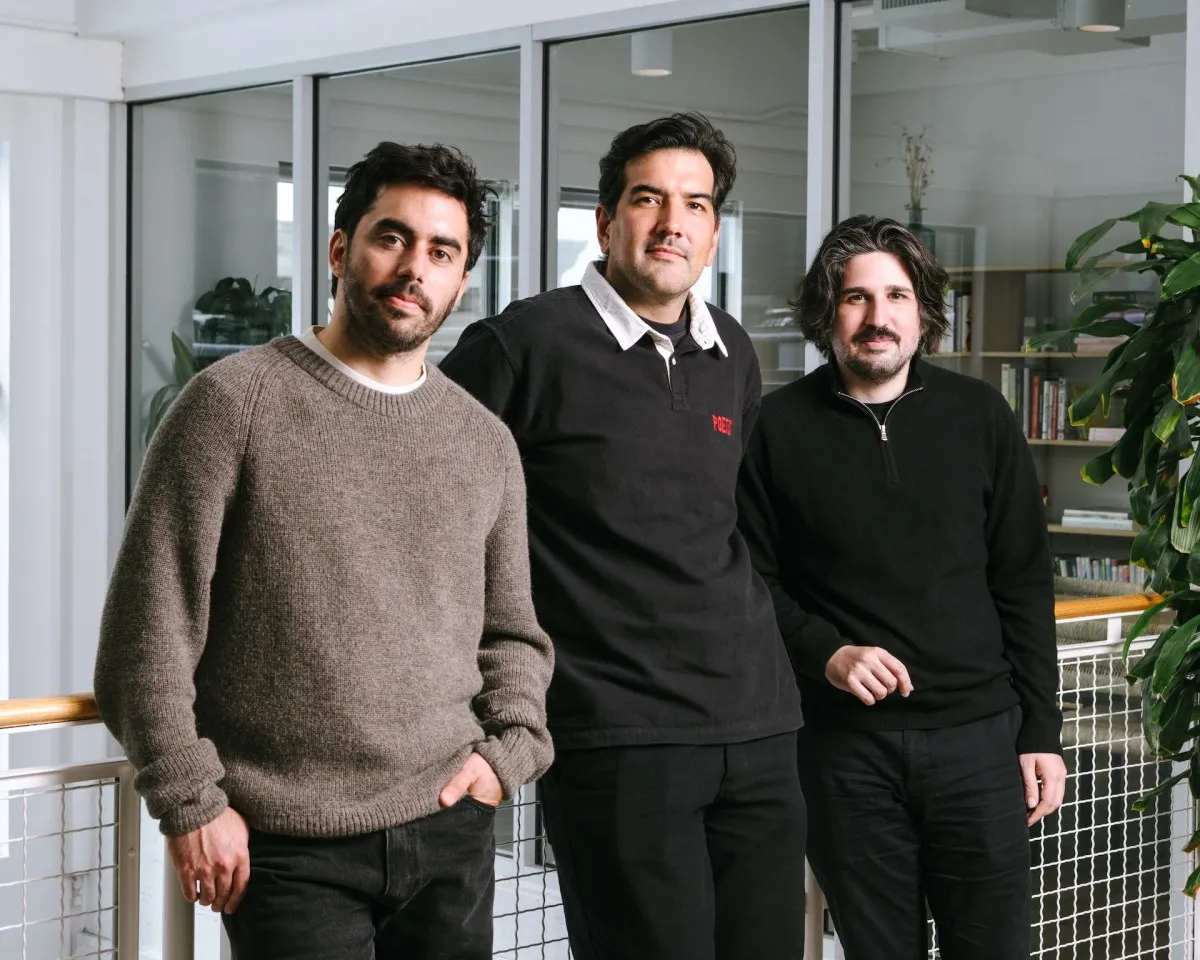
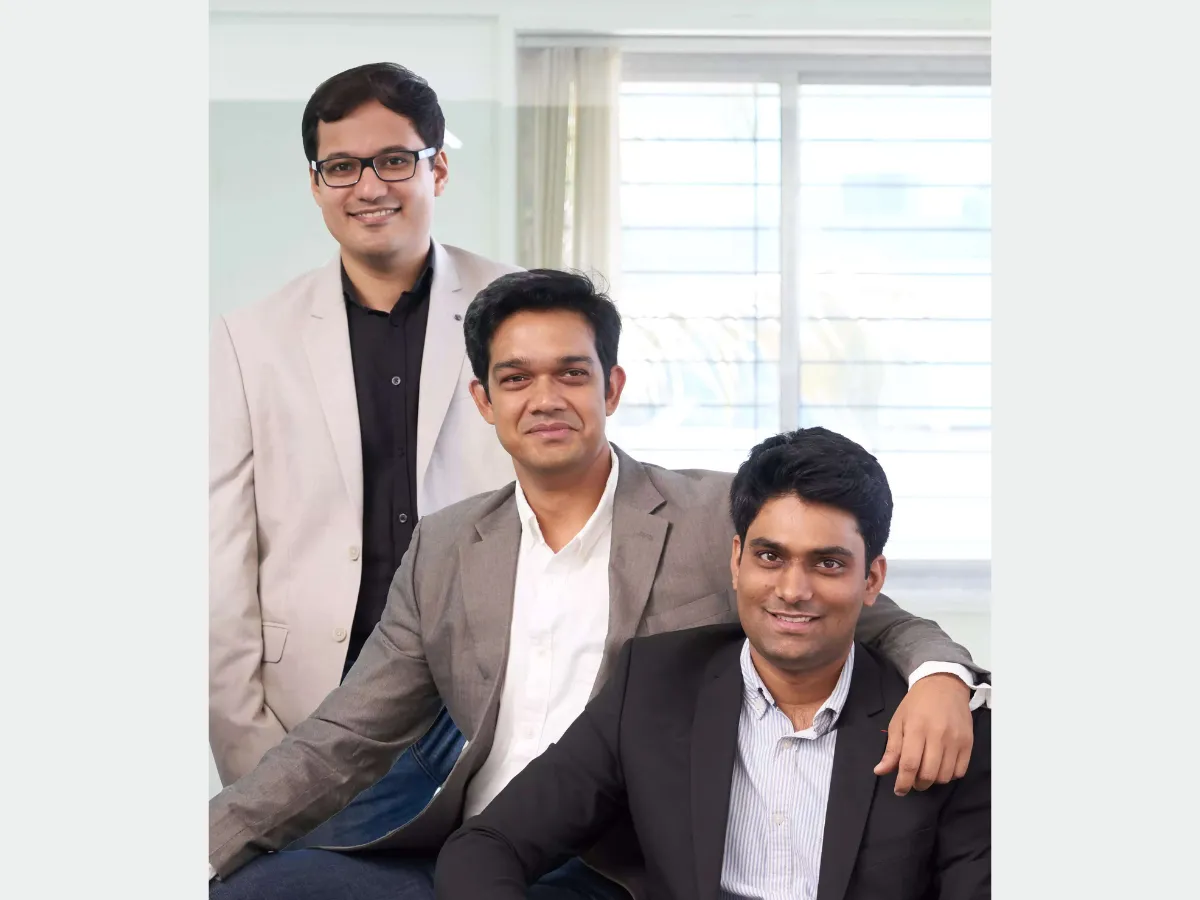
AI video-generation startup Runway is betting its next leap won’t be smarter text, but world models learned from real-world observational data. Founded in 2018 by three founders from Chile and Greece who met at NYU Tisch, the company built a reputation on video tools used by filmmakers and ad agencies, with partnerships including Lionsgate and AMC Networks. Now valued at $5.3 billion, Runway says it launched a first world model in December and plans another this year—taking aim at Google’s AI ambitions.
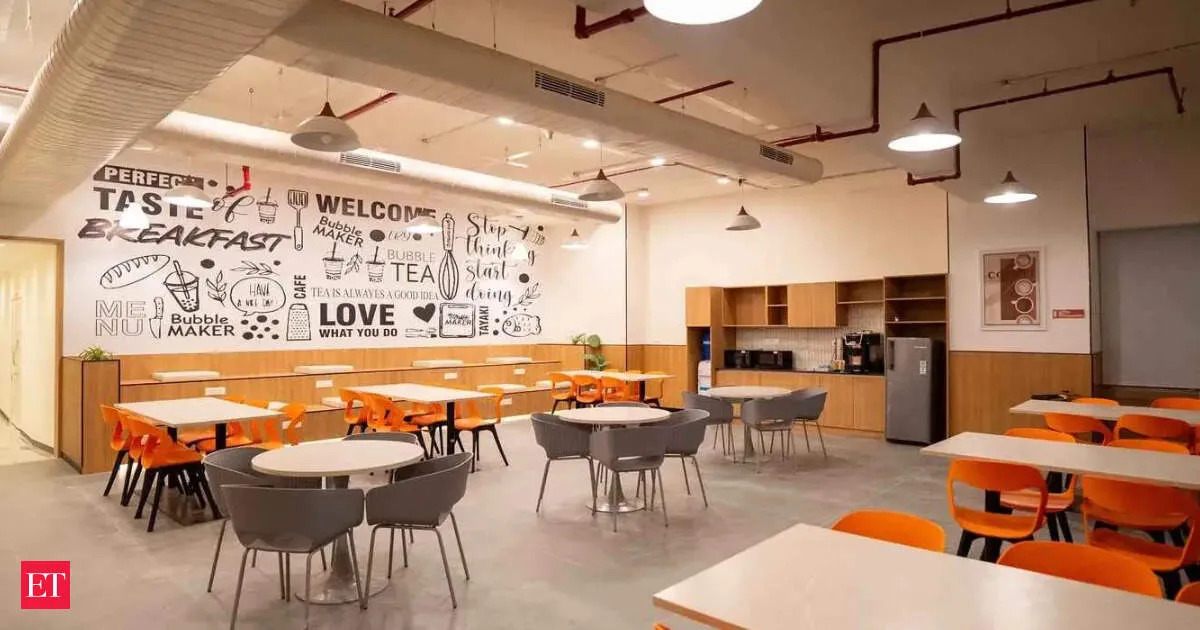
Flexible workspace provider Urban Vault expects to earn Rs 50 crore in revenue in FY 2026–27 from design, fit-out and facility management as large enterprises increasingly outsource turnkey office creation. The company cites a shift away from heavy upfront capital spending toward faster occupancy and simpler operations. Urban Vault recently delivered a fully operational Mumbai office for an IT services firm in 90 days, with a five-year facility management contract attached. The deal generated about Rs 25 crore upfront and recurring revenue near Rs 15 crore annually, lifting total contract value to nearly Rs 100 crore.
Your news, in seconds
Get the Beige app — every story in 60 words, updated hourly. Free on iOS & Android.
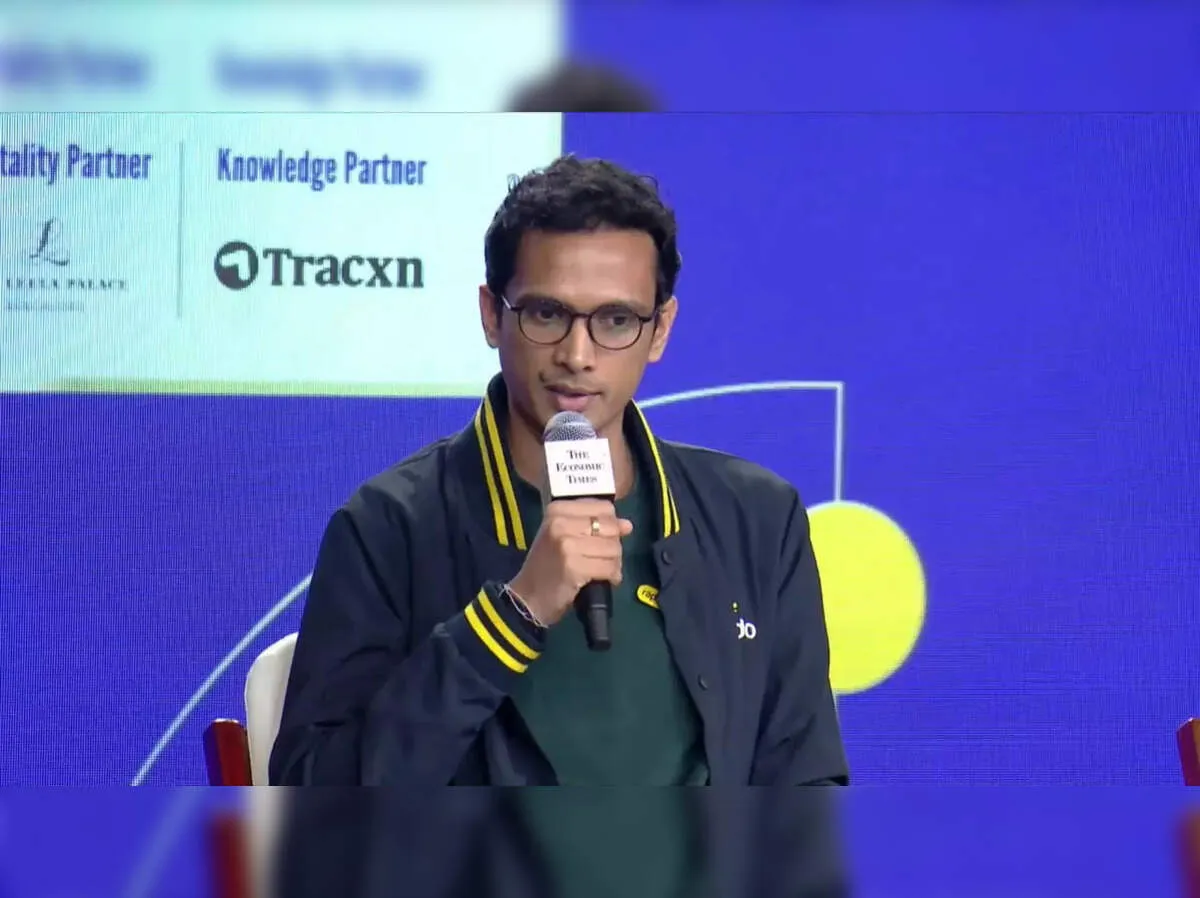
Urban mobility startup Rapido has raised $240 million in a funding round led by Dutch tech investor Prosus, valuing the company at $3 billion. WestBridge Capital and Accel joined the round. The investment forms part of a larger $730 million round that Rapido is finalising, including both primary and secondary components. Rapido says the money will be used to expand demand by entering and deepening markets, grow and scale its captain network, and invest in technology and people for first- and last-mile connectivity.
Agrani Labs, a semiconductor startup launched in 2025 by former Intel and AMD executives, is seeking a $100 million Series A to develop AI inference chips compatible with Nvidia’s CUDA software stack. The company is in early talks with Qualcomm, Battery Ventures, and government investors, while existing backer Peak XV is expected to contribute about $20 million pro-rata. If valuation talks land in the $400–500 million range, it would mark one of India’s largest Series A rounds for a chipmaker.
Three former Peak XV Managing Directors have launched Mettle Capital to back Indian startups, marking a sharp new chapter after their abrupt exit from the VC firm. The move lands amid intensifying fintech pressure, with players now hunting for licences as regulatory clarity and funding dynamics shift quickly across the sector.
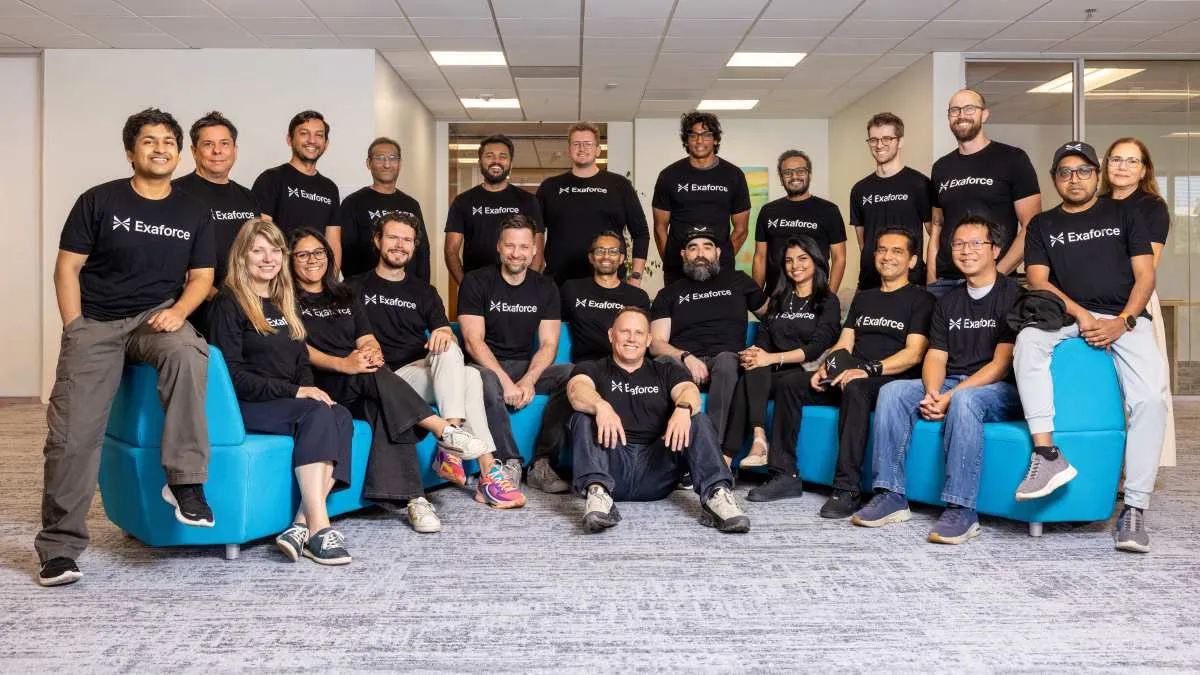
Exaforce, a three-year-old cybersecurity startup, has raised a $125M Series B to build AI that can detect and halt cyberattacks as they unfold. The funding round values the company at $725M, underscoring investors’ bet that real-time attack interruption—not just prevention—will define the next wave of security tooling.
Never miss a story
Set alerts for the topics and sources you care about. Download Beige for free.
AI and advanced analytics startup Fractal reported a nearly 109% year-on-year jump in net profit to ₹115.8 crore in Q4 of FY26, up from ₹55.5 crore a year earlier. Revenue from operations rose 17% to ₹886.3 crore, while gross margins and adjusted EBITDA margin improved meaningfully. The company points to healthcare and life sciences plus BFSI demand, alongside margin expansion.
Krutrim, once India’s bold sovereign AI unicorn, is retrenching: it paused LLM and chip work, shut its consumer chatbot, and saw senior exits while shrinking from 550 to about 160 employees. The company is now pivoting toward AI cloud infrastructure, signaling retreat from its original ambition. The broader startup roundup also covers Fashinza leadership changes, Euler’s path to break-even, and a weekly funding slowdown.
Infra.Market is in talks to raise a ₹500 Cr pre-IPO round at a post-money valuation of ₹25,000 Cr (around $2.6 Bn). The deal is set to include new institutional investors and existing backers like Tiger Global, Accel and Nexus, with a public listing targeted in the next 4-6 months. The company has already secured part of the amount and is seeing profit growth.
Pronto, India’s instant household services platform, has closed a $45 million Series B at a $200 million valuation—doubling its value in roughly a month. Led by Lachy Groom with a $20 million extension, the funding follows rapid traction: daily bookings rose to 26,000 and the platform runs at over 65% utilization with a rapidly expanding pool of trained, verified pros.
Reading on mobile?
Open Beige in the app for a smoother experience — free on iOS and Android.
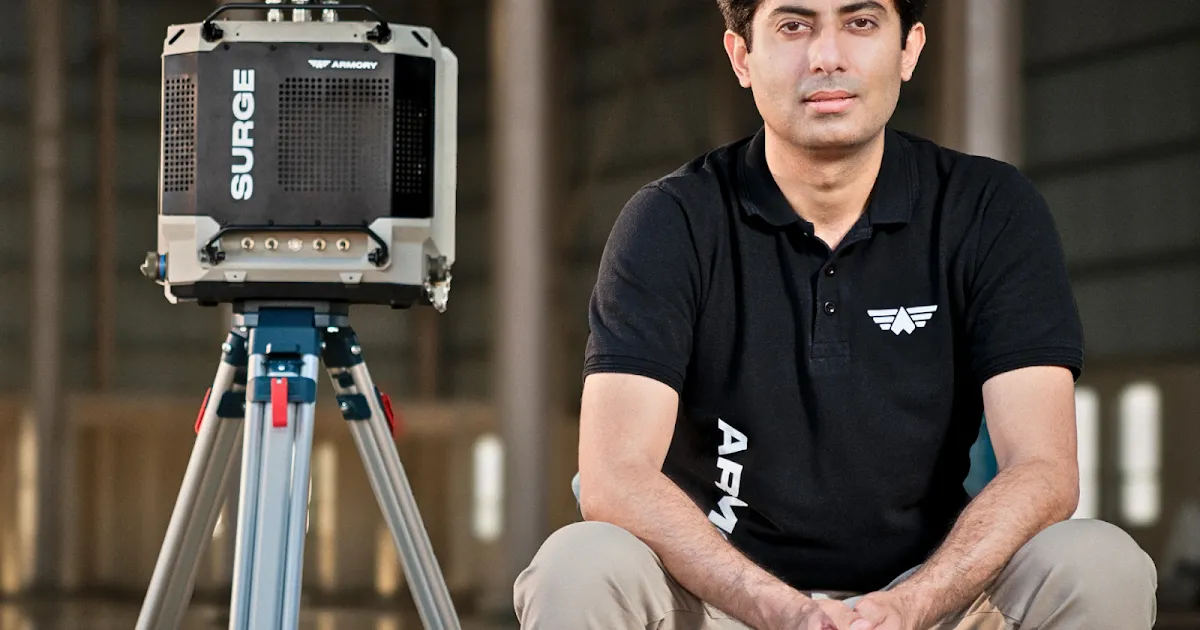
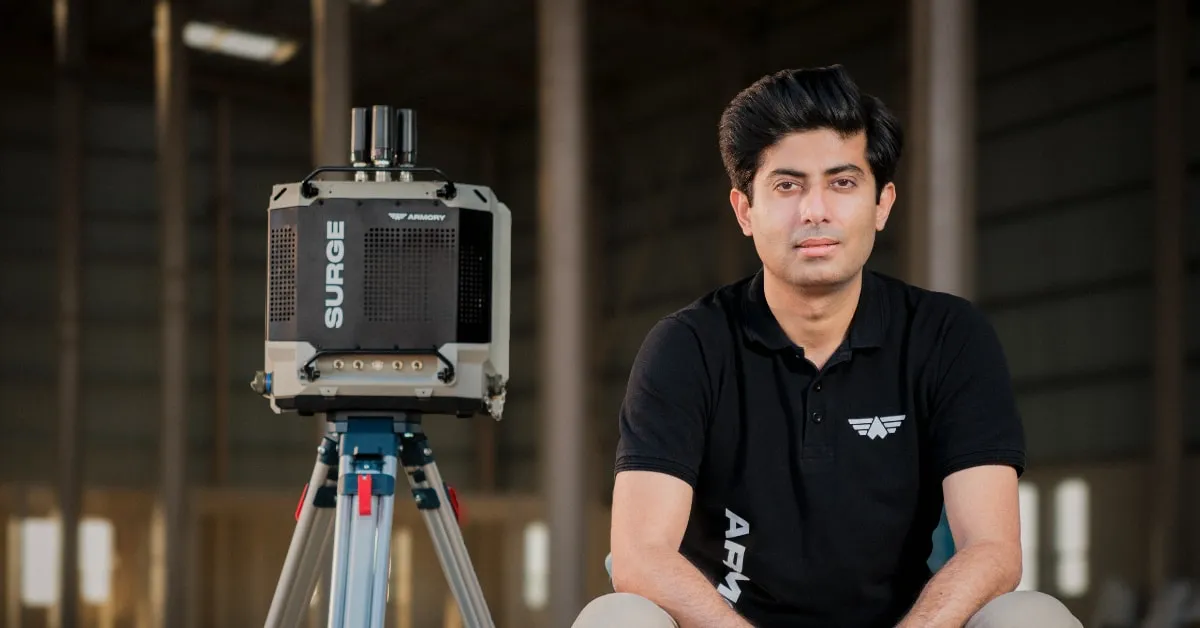
Armory, founded by IIT Bombay alumnus Amardeep Singh, has secured a landmark INR 100 crore Ministry of Defence order for its AI-powered SURGE counter-drone system. Selected after field evaluations, the tech uses proprietary Samaritan OS to detect, deny, and neutralise rogue drones with real-time adaptation. Built fast in 14 months and backed by a Manesar R&D centre, Armory is also expanding into hard-kill C-UAS.
Armory, a 2024 defence tech startup, has secured a ₹100 Cr order from India’s defence ministry to produce and deploy its AI-powered counter-unmanned aircraft system, SURGE. The system uses proprietary Samaritan OS to detect, track, and neutralize rogue drones by scanning environments at massive speed and continuously updating its RF threat library. Armory plans to scale manufacturing, expand hiring, and invest in R&D in Manesar.
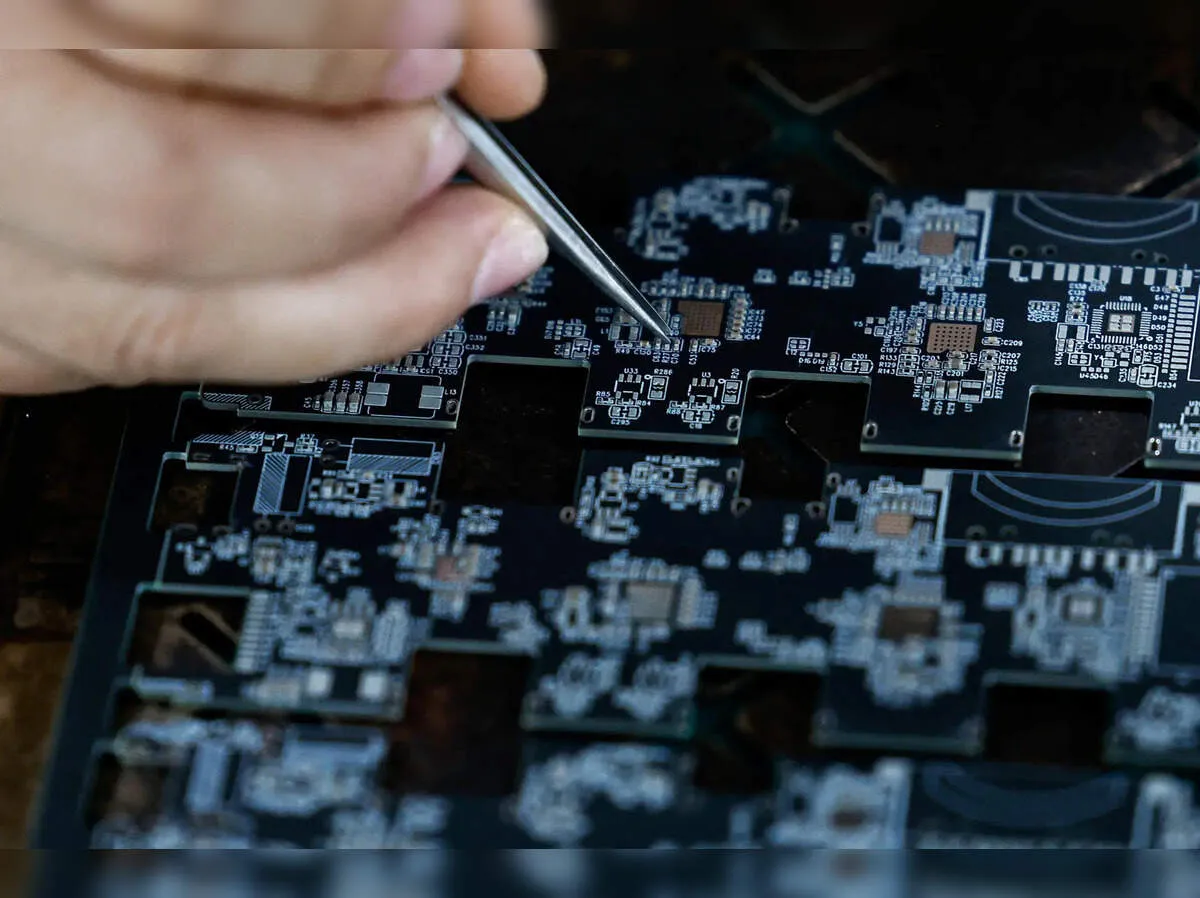
The government is considering new rules for companies registered under the Electronic Component Manufacturing Scheme, pushing them to build in-house design capabilities rather than relying mainly on assembly. The goal is to create more high-value design work within India and strengthen the local electronics ecosystem. Firms that do not invest in design may be removed from the scheme.
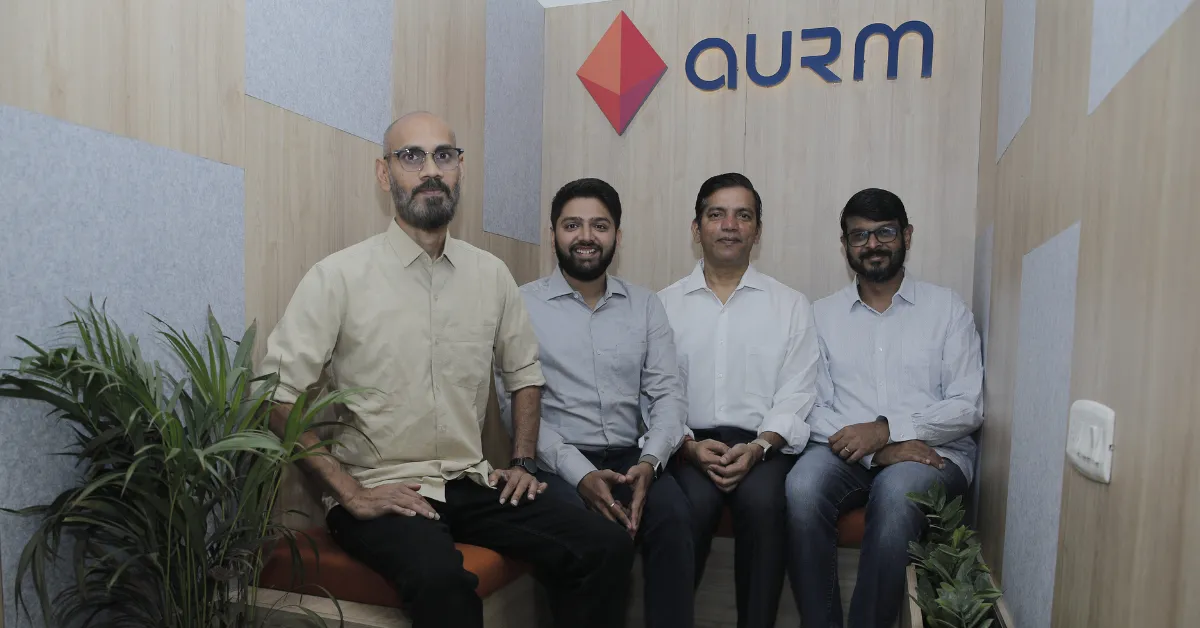
Fintech startup Aurm raised ₹42 crore in a Series A led by Earth Fund and Sattva Ventures to scale automated locker vaults inside residential complexes, office campuses and select bank branches. It says fewer than 20% of Indian bank branches offer locker services due to real estate and security costs. Aurm claims it cut setup costs by about 25% while offering 24/7 access and multi-layer security.
Follow your favourite sources
Track sources, tags and categories — all in the Beige app.
Aman Gupta, via SailThru Ventures, has invested in Rosier Foods, a premium staples brand built on Vedic processes and farm-to-table sourcing. Founded by Gaurav Taneja and others, it sells A2 Gir cow ghee made using the bilona method, along with organic pantry items like raw honey and Chyawanprash. Rosier Foods is already at ₹100 crore ARR and aims for ₹150 crore by FY27, using the fresh capital to expand farmers, supply chain, and brand growth.
Drone maker ideaForge Technology delivered a sharp turnaround in FY26, with Q4 revenue reaching Rs 141 crore and profit rising to Rs 60 crore. The company also reported its highest-ever annual bookings and early international momentum, including its first US order. Growth comes alongside a push into combat drone capabilities, boosting confidence for the year ahead.
Drone maker ideaForge swung back to profit in Q4 FY26, posting ₹59.9 Cr profit after three straight quarters of losses, driven by a 6X jump in revenue and a broader defence push. Yet costs surged with material and supply-chain pressures, leaving FY26 loss-making—though losses shrank 73%. In other Inc42 updates, Kissht’s IPO saw modest Day 1 subscription, while Ola Electric faced an ICRA downgrade.
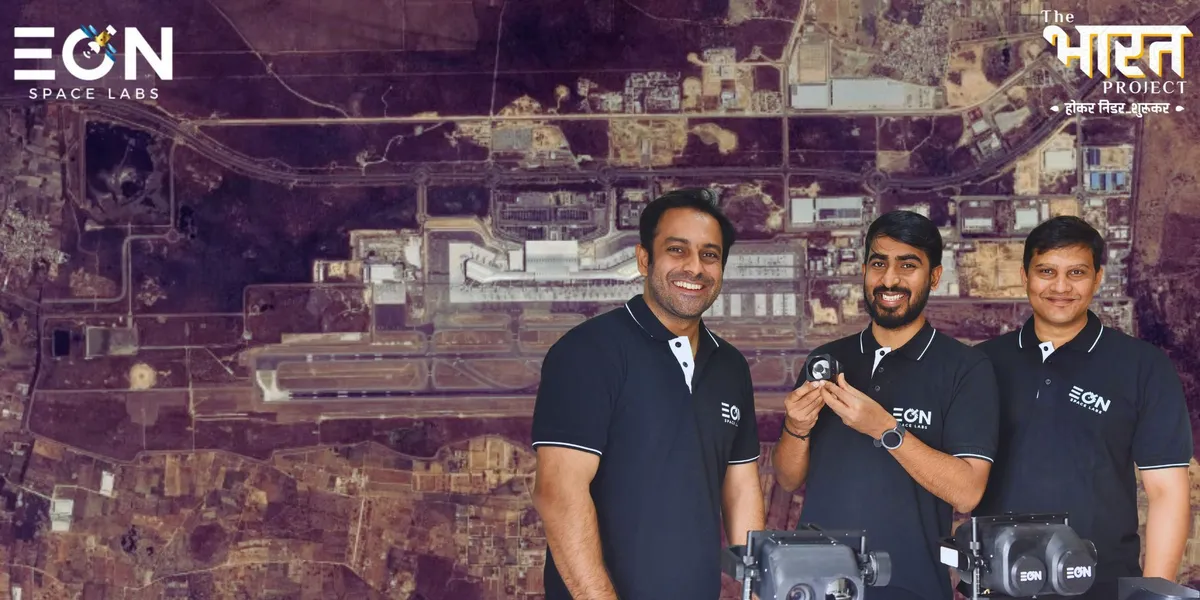
EON Space Labs, founded in 2022, is closing India’s optical payload gap by designing lightweight EO and IR imaging systems. Its MIRA telescope—just 502 grams—flew on PSLV-C62 in Jan 2026, reducing dependence on imported optics with long lead times. The company is now scaling manufacturing with a planned Rs 120 crore facility and aiming for larger contracts and recurring upgrades.
Stay informed on the go
Bite-sized news from 100+ trusted sources, right in your pocket.
A British startup, SailLink, is launching a new English Channel crossing between Dover and Boulogne-sur-Mer on a catamaran powered mainly by wind and tides. The eco-friendly trip takes about four to five hours and boards directly from town-centre marinas, aiming to prove wind powered transport can work for everyday passengers.
Mumbai’s local train app Yatri promises real-time tracking with live updates on delays, platform changes, and disruptions. Built by Lakhi and Reeva Sakaria with Indian Railways, it uses proprietary GPS devices and source-verified data flowing directly from railway control rooms—rather than crowd inputs—solving the near-total absence of reliable information on trains.
Swipe through stories, personalise your feed, and save articles for later — all on the app.