The Senate Banking Committee holds a decisive May 14, 2026 markup vote on the 309-page Digital Asset Market CLARITY Act, a key step toward comprehensive U.S. crypto market structure rules. The committee will debate more than 100 amendments and decide whether to send the bill to the full Senate. A July 4 White House signing target is on the table, but timing depends on reaching a 60-vote threshold. Earlier delays followed Coinbase CEO Brian Armstrong’s objections over stablecoin yield.
Bank of England Governor Andrew Bailey says the world should expect a “wrestle” between US policy and international regulators over stablecoins, which he views as a potential financial stability risk. Bailey argues some US-issued stablecoins may not be easily converted into dollars without routing through crypto exchanges, limiting access during crises. He also warns that if stablecoins become widely used for cross-border payments, hard-to-convert tokens could flow to jurisdictions like Britain, which promise stronger convertibility obligations.
Your news, in seconds
Get the Beige app — every story in 60 words, updated hourly. Free on iOS & Android.
The proposed U.S. Clarity Act would create a comprehensive regulatory framework for cryptocurrencies, stablecoins, DeFi and tokenised assets. Backers say it will strengthen investor protection, define oversight responsibilities and enable blockchain innovation. Critics warn the stricter compliance requirements could reshape how digital asset firms operate and how markets evolve—potentially changing the pace of adoption.
Zerodha co founder Nikhil Kamath doubts whether dollar backed stablecoins suit India long term. Instead, he suggests exploring a gold linked stablecoin that could unlock value from idle household gold while lowering reliance on dollar dominated digital finance. He argues this approach also aligns with India’s strategic interests and reduces currency dependence.
Andreessen Horowitz’s crypto arm, a16z crypto, has secured a massive $2.2 billion for Fund V. The fund will prioritize stablecoins and AI agents, arguing that crypto’s native features are becoming more valuable as software grows more complex and AI systems stay largely opaque, reshaping what investors think the next infrastructure layer should look like.
A new crypto backed mortgage model lets homebuyers partner with Coinbase to use Bitcoin (BTC USD) or USDC stablecoins as collateral for down payments, aiming to avoid immediate crypto sales and related tax events. But the tradeoff is steep: monthly payments can become much higher than traditional mortgages, squeezing affordability for many would be buyers.
Never miss a story
Set alerts for the topics and sources you care about. Download Beige for free.
Stablecoin transactions surged to a record $33 trillion in 2025, fueled by US policy support under President Trump and fast-growing institutional adoption. USDC led with $18.3 trillion in flows, beating Tether’s USDT. Crucially, stablecoin usage is rising outside DeFi, suggesting broader mainstream demand for “digital dollars” amid ongoing global uncertainty.
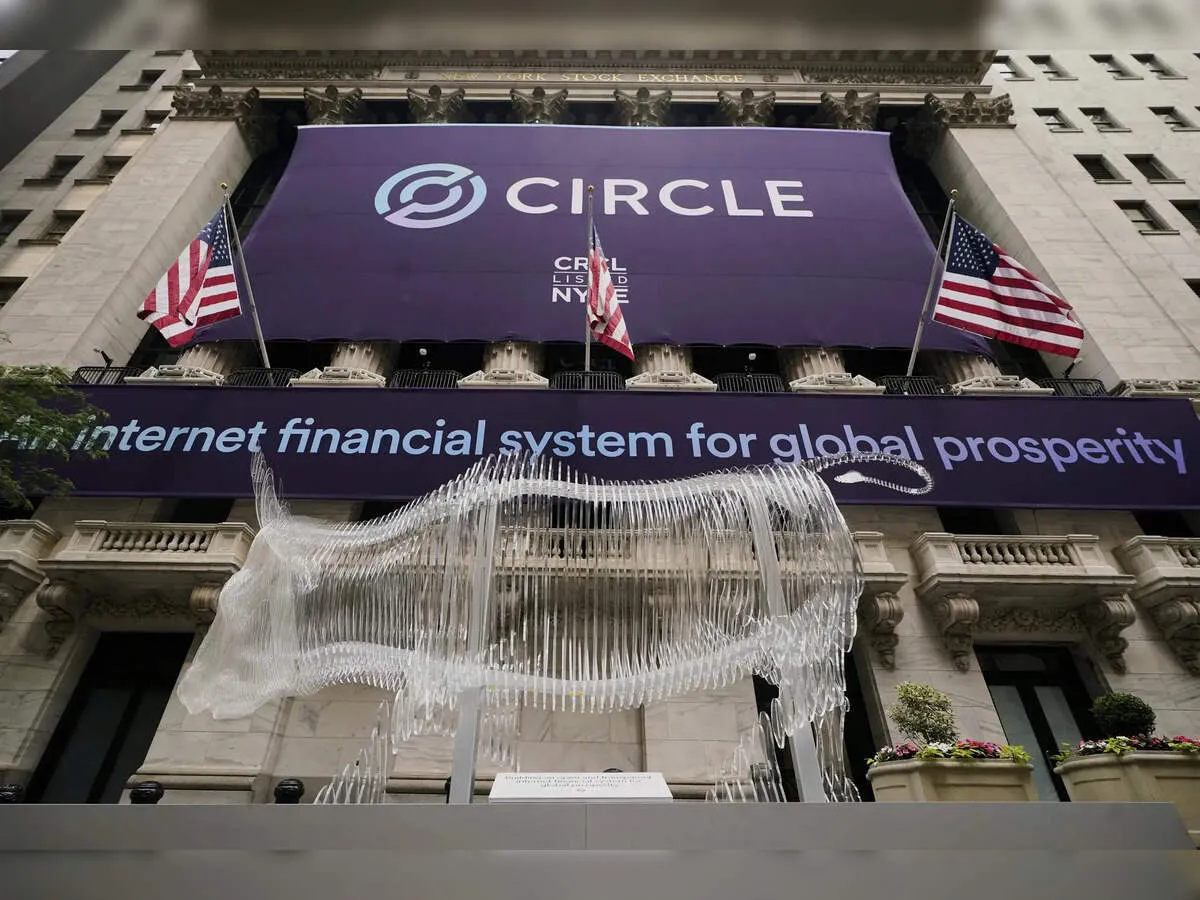
Circle, the issuer of the USDC stablecoin, made a blockbuster debut on the NYSE. Its shares jumped to above $96 at one point before closing at $83.23, signaling strong investor appetite. The move comes as stablecoin competition intensifies and US regulators push for clearer rules. Circle also cites massive transaction scale, with $25 trillion in volume.
Swipe through stories, personalise your feed, and save articles for later — all on the app.