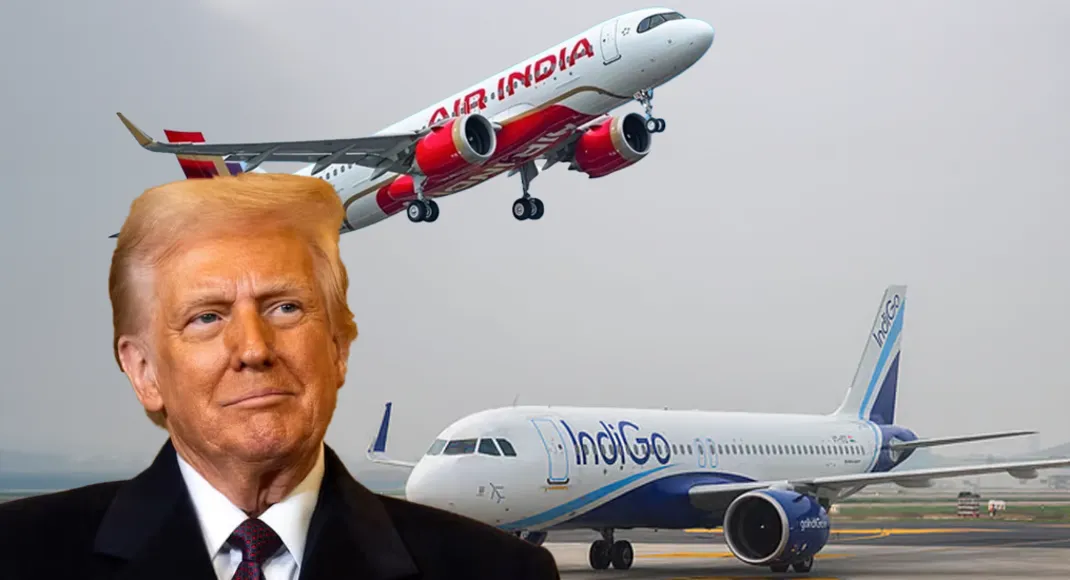
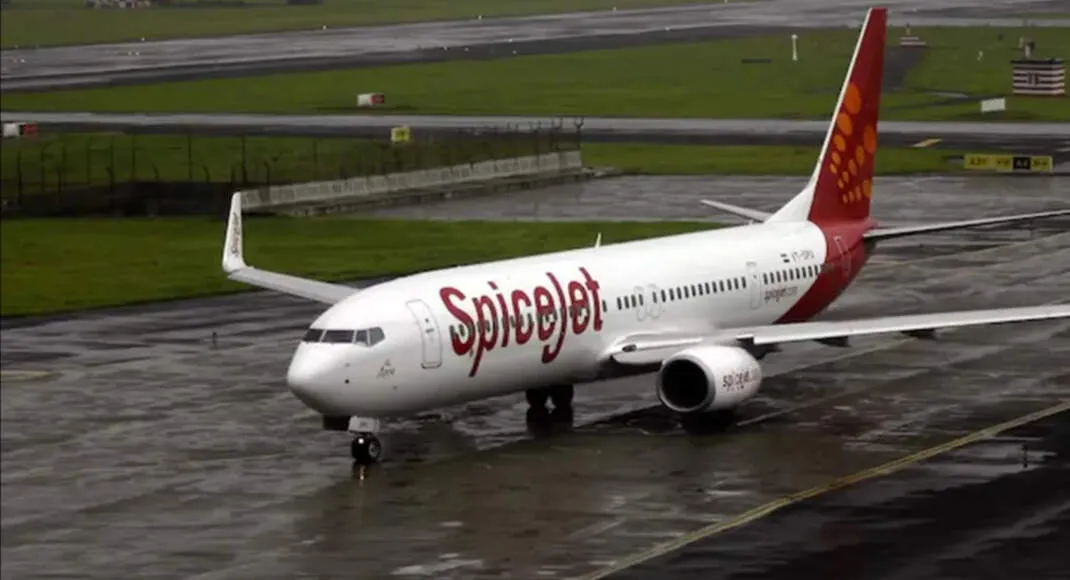
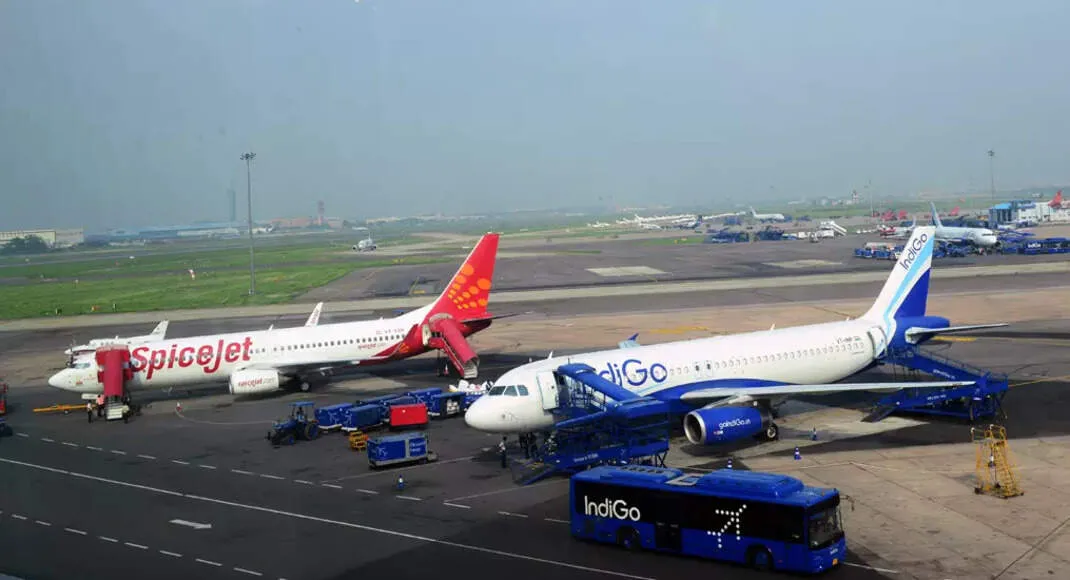
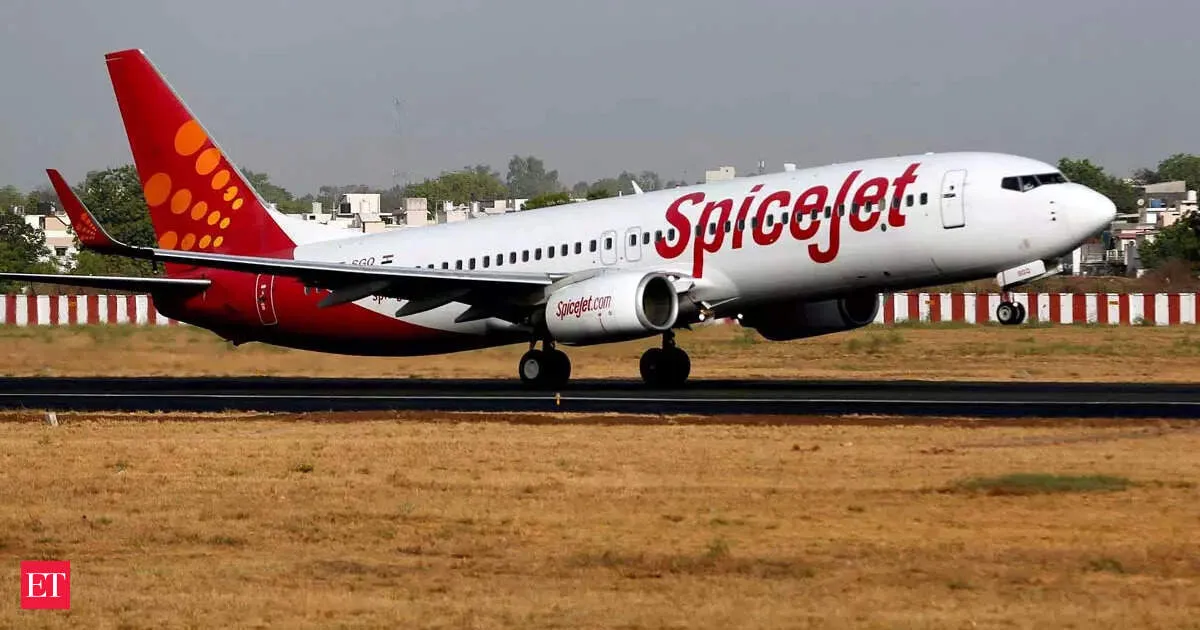
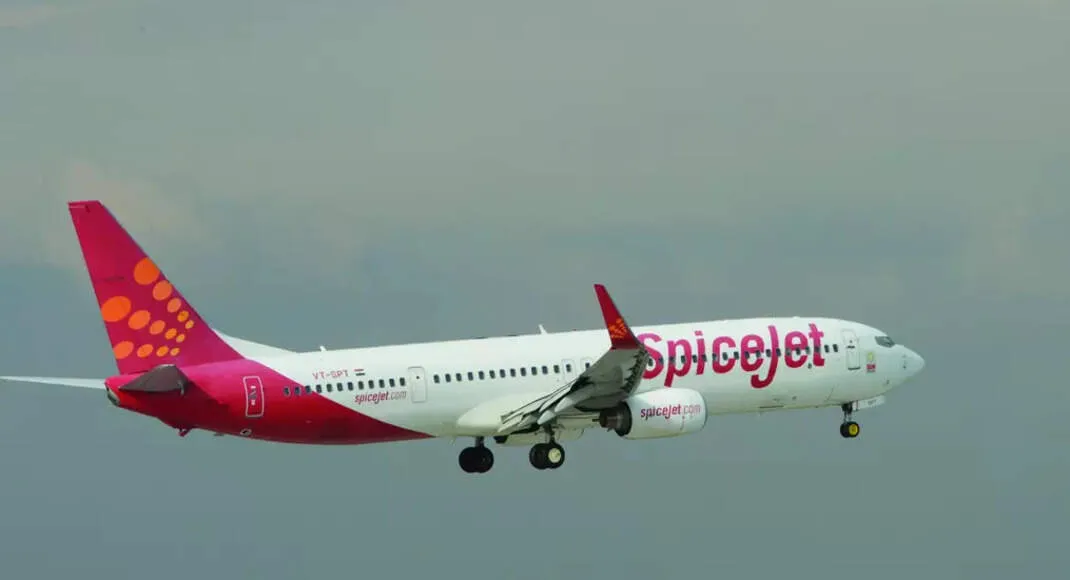
India-US ties are strained, and now the spotlight is landing on aviation oversight. After IndiGo’s near shutdown in December, Air India’s fatal crash in Ahmedabad, and SpiceJet’s engineering and unpaid-salary problems, the US FAA is reportedly again worried about safety and regulatory standards in India. The operational collapse led IndiGo to cancel more than 4,500 flights, affecting about one million passengers, triggering a record DGCA fine and the exit of CEO Pieter Elbers.
SpiceJet has approached the Supreme Court, challenging Delhi High Court orders from May 4 and March 18 that refused its bid to provide an unencumbered plot of land in Gurugram as security. The court also directed the airline to immediately deposit the amount and imposed a Rs 50,000 cost after SpiceJet repeatedly sought changes to the deposit direction.
Your news, in seconds
Get the Beige app — every story in 60 words, updated hourly. Free on iOS & Android.
IndiGo, SpiceJet and other travel-related stocks tumbled as Prime Minister Narendra Modi urged Indians to avoid non-essential foreign trips for a year. The move hit sector sentiment and expected demand just as crude oil prices surged, lifting aviation turbine fuel costs and squeezing airline margins further.
The Delhi High Court has dismissed SpiceJet and promoter Ajay Singh’s review petitions, imposing Rs 50,000 in costs. The decision follows an ongoing dispute with Kalanithi Maran and Maran-Kal Airways, where SpiceJet sought to challenge a court directive requiring a Rs 144 crore deposit. The ruling keeps the deposit order intact for now.
SpiceJet is facing fresh scrutiny after more than 500 former employees alleged long delays in receiving full and final settlements. The controversy surfaced publicly when ex cabin crew member Rishita Bhardwaj claimed her dues remain pending three years after resignation. The claims echo SpiceJet’s broader financial and operational troubles, with regulators watching as the airline has not responded.
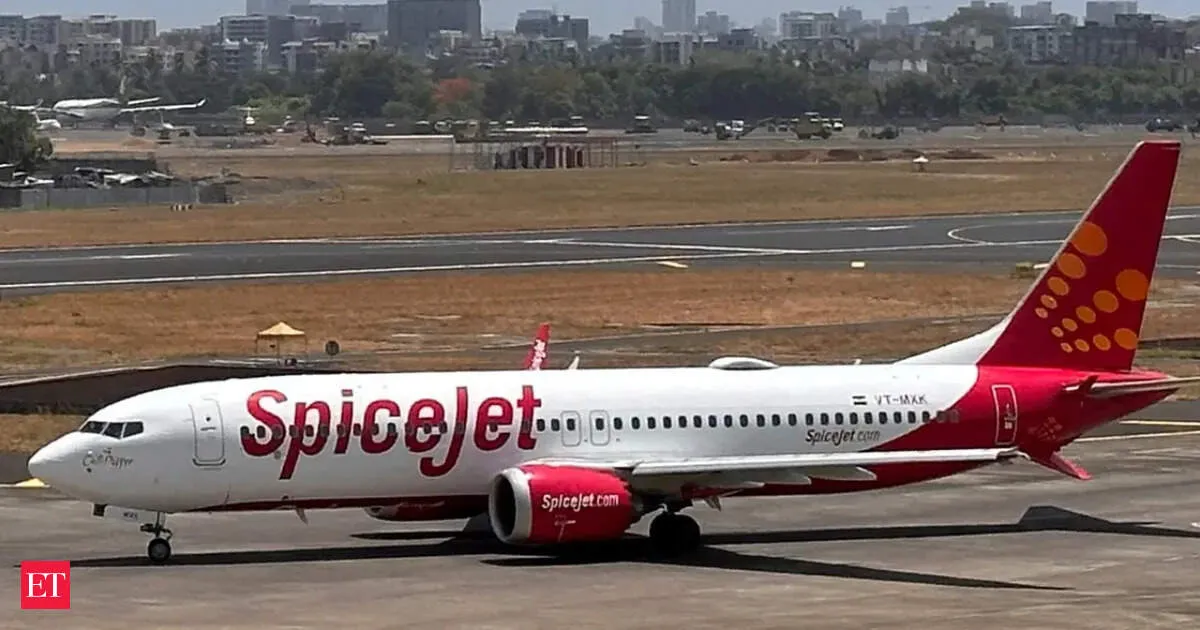
SpiceJet cancelled at least three flights from Mumbai’s Terminal 1 at the last minute on April 30, leaving passengers stranded at Chhatrapati Shivaji Maharaj International Airport. The airline cited an operational breakdown tied to an aircraft being grounded, alongside adverse weather at a previous station in Bagdogra, which severely disrupted aircraft rotation and led to the cancellations.
Never miss a story
Set alerts for the topics and sources you care about. Download Beige for free.
Indian airline shares plunged in the day’s most turbulent session as ATF prices crossed Rs 2 lakh per kilolitre. IndiGo slipped 2.79% to Rs 4,434 and SpiceJet fell 2.58% to Rs 14.35. With ATF costs up 115% since April, investors fear widening losses and pressure on quarterly earnings across the sector.
SpiceJet, India’s oldest private airline, is rapidly deteriorating operationally and financially. With capacity sharply reduced, the carrier has begun furloughs and is delaying salaries for employees by up to two months or more. Unpaid dues including GST, TDS, and PF are also accumulating, deepening uncertainty for staff and stakeholders as the airline hunts for a lifeline.
IndiGo’s December quarter is usually its strongest, but disruptions tied to December chaos may pressure Q3 results. The outlook could worsen as SpiceJet remains unstable, with analysts warning it could slip into losses if IndiGo cuts profits by nearly one-third. Together, the two carriers face a tougher operating and demand environment.
The Delhi High Court has reserved its decision after taking time on SpiceJet’s review petition filed by the airline and its head, Ajay Singh. They want to challenge an earlier ruling that ordered a Rs 144 crore deposit in their dispute involving Kalanithi Maran and Kal Airways. The case is now awaiting the court’s next call.
Reading on mobile?
Open Beige in the app for a smoother experience — free on iOS and Android.
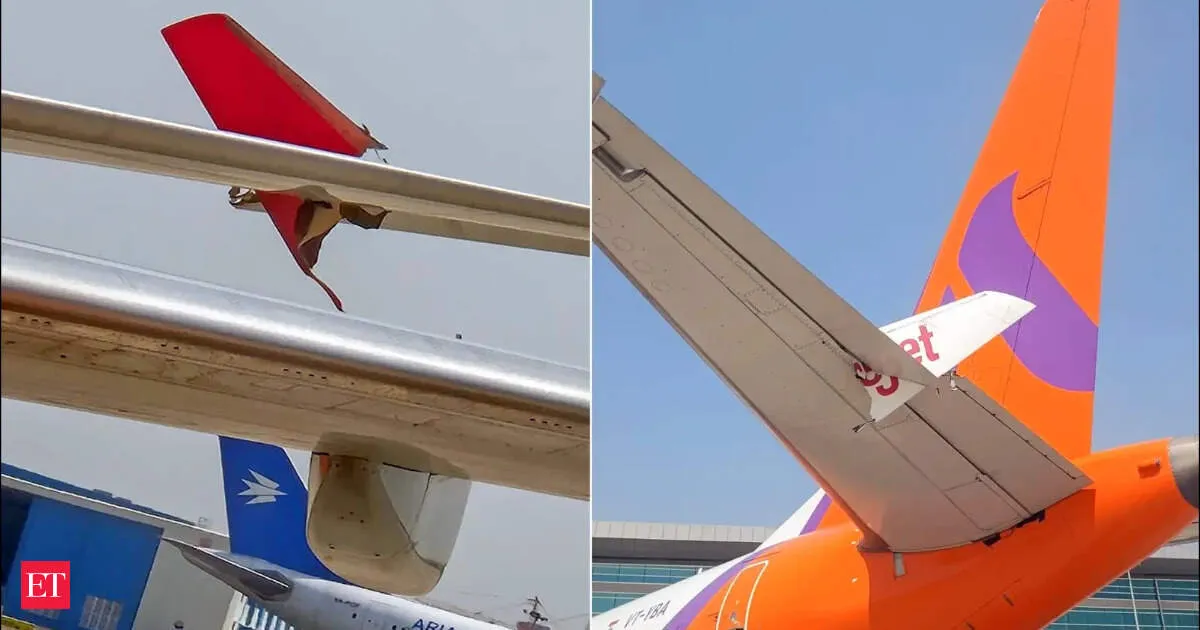
A SpiceJet aircraft and an Akasa Air flight collided on the ground at Delhi’s Indira Gandhi International Airport. The impact damaged the right winglet of the SpiceJet plane and the horizontal stabiliser of the Akasa Air aircraft. While passengers on the Akasa flight were safe, the Directorate General of Civil Aviation has started an investigation to determine what led to the collision.
SpiceJet plans to temporarily furlough 150 cabin crew members for three months, citing a lean travel season and a reduced fleet size. The airline says the move is meant to safeguard long-term stability while preserving health benefits and earned leave. SpiceJet is also under enhanced DGCA surveillance after a special audit in August 2024.
SpiceJet’s recent numbers raise fresh concerns despite last year’s INR 3,000 crore funding. In the April–June quarter, usually its strongest period, the airline posted an INR 240 crore loss. Free cash dropped from INR 700 crore in March to around INR 300 crore in June, while revenue fell 40% between March and June. Can it turn around in time?
Swipe through stories, personalise your feed, and save articles for later — all on the app.