TRAI chairman AK Lahoti says soaring indoor mobile data use is creating worsening connectivity problems. He urges developers to bake connectivity infrastructure into building designs and backs new rules that could rate buildings on digital connectivity quality. Lahoti also calls for making more spectrum available to strengthen mobile signals, particularly within homes.
State Bank of India has moved the Supreme Court seeking a review of a ruling that bars telecom spectrum from being treated as an asset during insolvency proceedings. SBI warns the decision could sharply weaken recovery prospects for lenders and disrupt infrastructure and telecom financing, arguing the judgment overlooks key issues banks rely on for resolution and recoveries.
Your news, in seconds
Get the Beige app — every story in 60 words, updated hourly. Free on iOS & Android.
India is positioning itself to lead the 6G revolution, but the path is far from smooth. From aligning research timelines and talent pipelines to securing the right spectrum and building industrial scale, multiple gaps could slow progress. The key question is whether current plans can translate ambition into real 6G readiness before global rivals lock in leadership.
India is moving toward digital radio broadcasting, aiming to upgrade how stations deliver audio to listeners. The push raises urgent questions about rollout readiness, device availability, and network coverage across cities and rural areas. While the promise is clearer sound and better services, the real test will be whether audiences can switch smoothly.
As the world debates how to allocate 6GHz spectrum for international mobile use at the World Radiocommunication Conference, India’s own stakeholders are stuck in disagreement. The clash over 6GHz allocation priorities is dragging on, raising questions about timing and coordination as global decisions move forward.
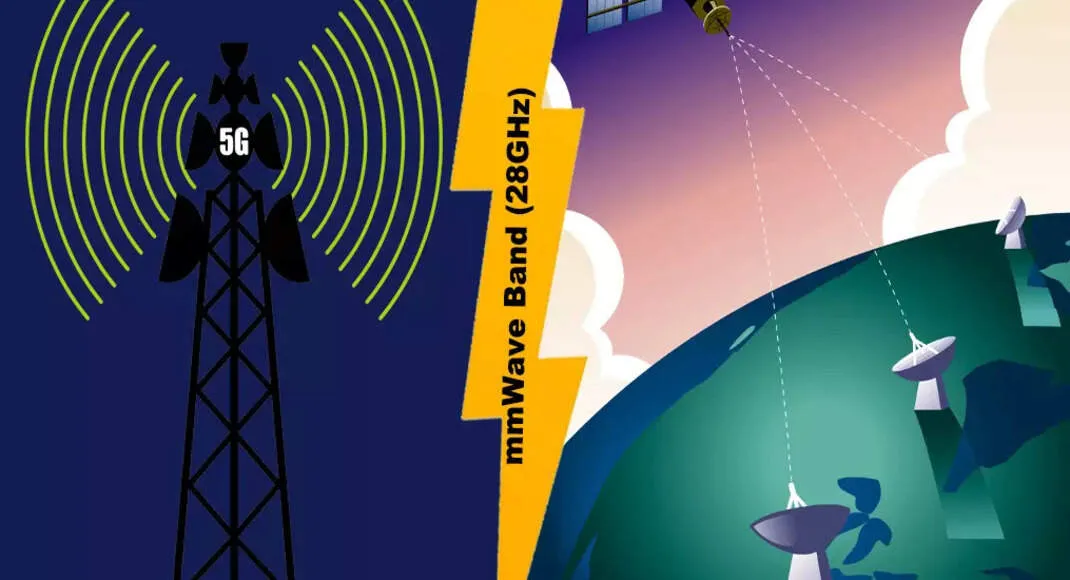
A battle is brewing in India’s airwaves as satellite communication firms rely on the 28GHz band for earth station-to-satellite links. They argue that reallocating any portion to telcos for 5G would harm their services. Telcos counter that 28GHz is critical for 5G’s high capacity, low latency, and high throughput—raising questions on how regulators will split the band.
Never miss a story
Set alerts for the topics and sources you care about. Download Beige for free.
Airtel, Jio and Vi are challenging the government’s idea to allocate spectrum directly for 5G private (captive) networks to enterprises. Telcos say this could steal a potential business opportunity, while enterprise and tech firms argue it accelerates adoption and supports next-generation industrial connectivity. The dispute boils down to who should own and benefit from private 5G spectrum.
Swipe through stories, personalise your feed, and save articles for later — all on the app.