Indian startups pulled in $132.3 million across 18 deals from May 4 to May 8, down 35.2% from the previous week’s $204 million. The headline moment: Skyroot’s spacetech leap to become 2026’s third unicorn. Still, most sectors saw muted momentum, even as AI and advanced hardware each notched four deals.
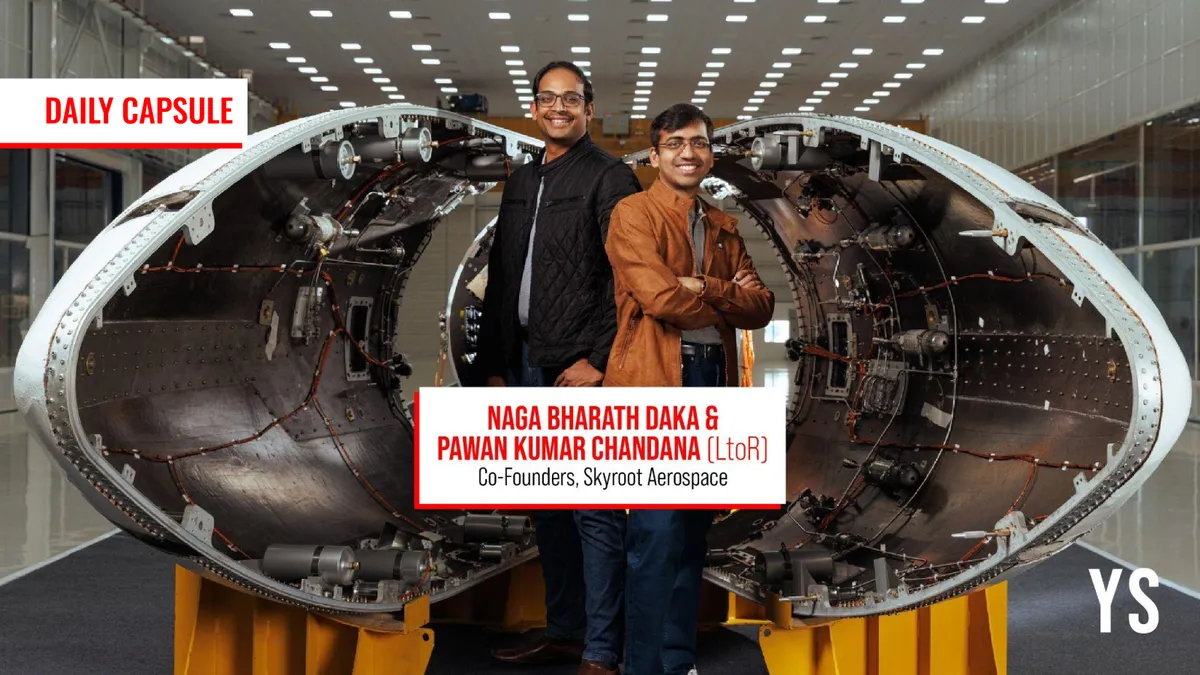
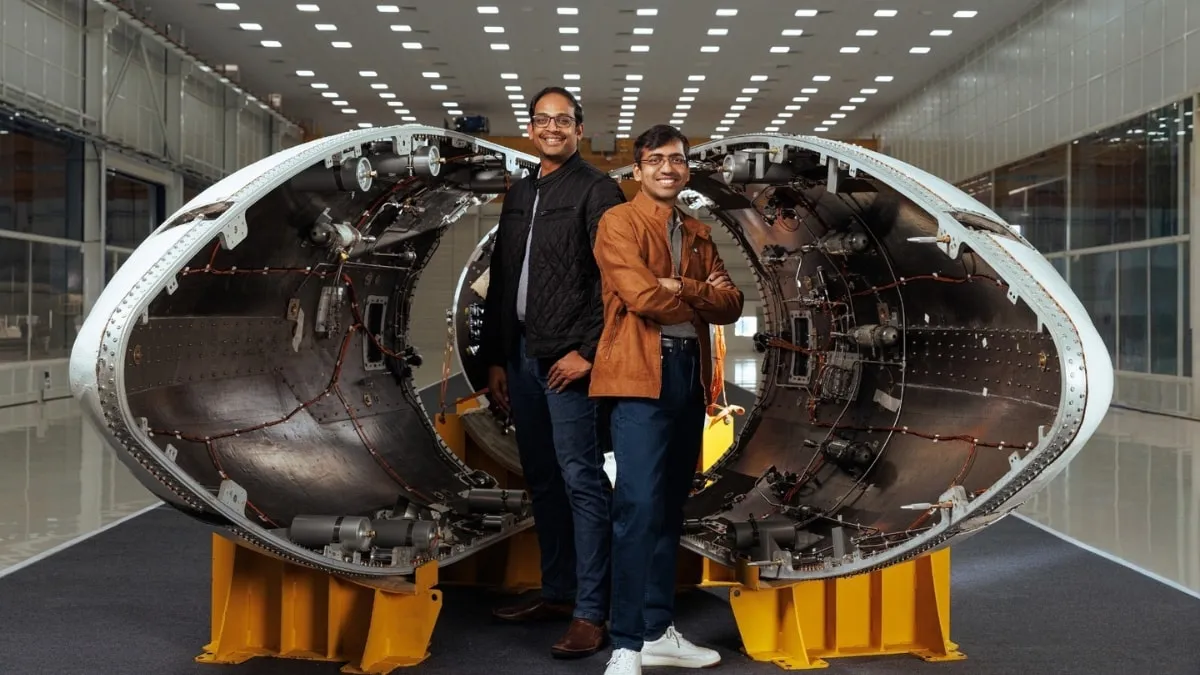
Skyroot Aerospace, a Hyderabad spacetech startup, has raised $60 million in a co-led round by Sherpalo Ventures and GIC, crossing $1.1 billion pre-money valuation to become India’s first spacetech unicorn. The capital will scale commercial launches for Vikram-1. Meanwhile, Yuma Energy says its non-Yulu business is set to contribute 20–25% of revenue by year-end as it expands swapping across India.
Your news, in seconds
Get the Beige app — every story in 60 words, updated hourly. Free on iOS & Android.
Spacetech startup Skyroot Aerospace has raised $60 million, doubling its pre-money valuation to $1.1 billion and putting it on track to become India’s first spacetech unicorn. The round was co-led by Sherpalo Ventures and Singapore’s GIC, with other major investors joining. Skyroot plans faster Vikram-1 launches and ramps up Vikram-2 development as it prepares for an orbital debut in coming weeks.
Indian spacetech startups are shifting from commercial missions toward defence applications as geopolitical tensions rise. With slower enterprise adoption, founders are prioritising government contracts that can deliver steadier budgets and faster revenue. The change reflects a high-stakes strategy: betting on military demand even as timelines, requirements, and approvals become more complex.
SatLeo Labs, an IN-SPACe incubated spacetech startup, has raised $2.2 million from Unicorn Ventures to build a multi-spectral satellite constellation. Co-founded by Shravan Singh Bhati, Ranendu Ghosh, and Urmil Bakhai, the system aims to deliver high-resolution, continuous earth observation data for climate monitoring, defence, agriculture, and disaster response.
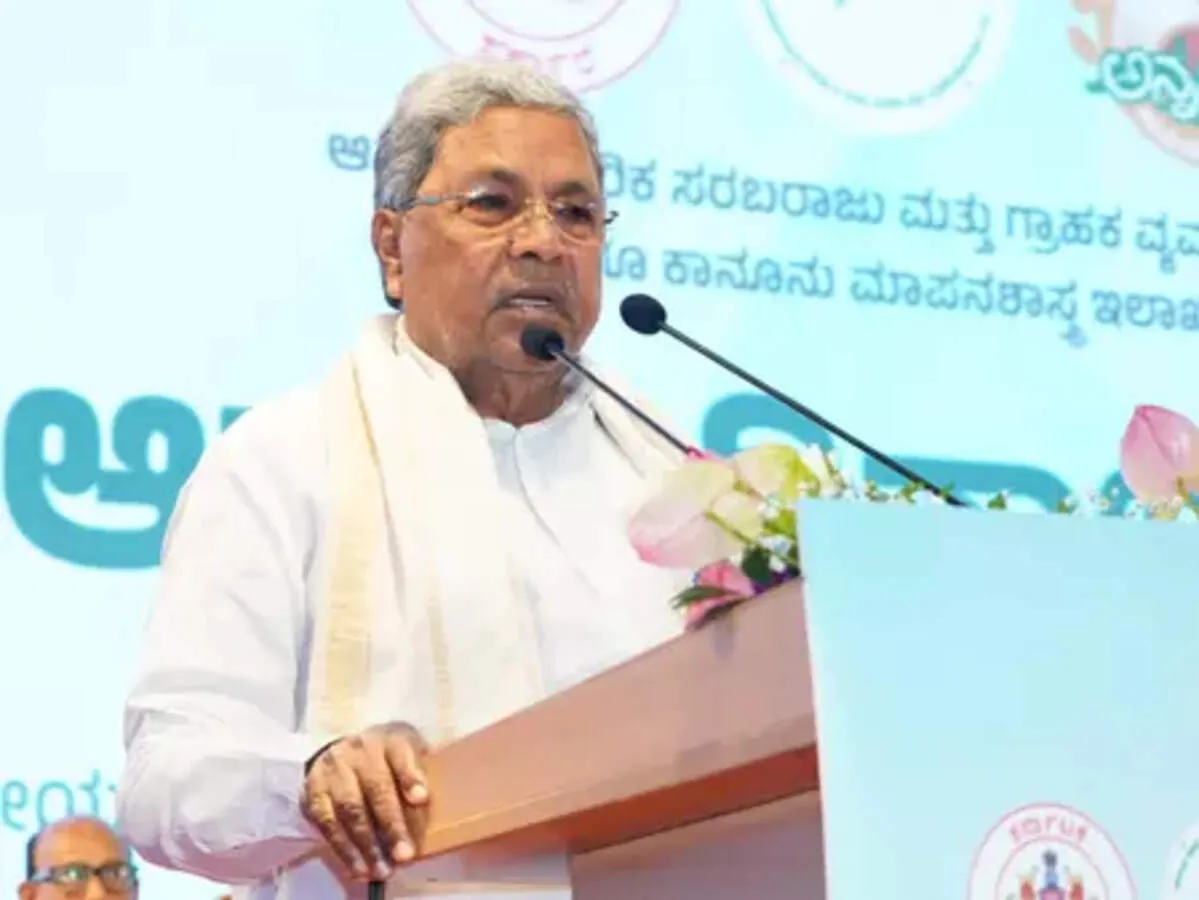
Karnataka Chief Minister Siddaramaiah says the state’s upcoming spacetech policy is designed to capture half of India’s spacetech market by 2034. The plan focuses on creating 25,000 startups in five years via funding support, market access, infrastructure buildout, talent development, and social inclusion measures to broaden participation.
Never miss a story
Set alerts for the topics and sources you care about. Download Beige for free.
Swipe through stories, personalise your feed, and save articles for later — all on the app.