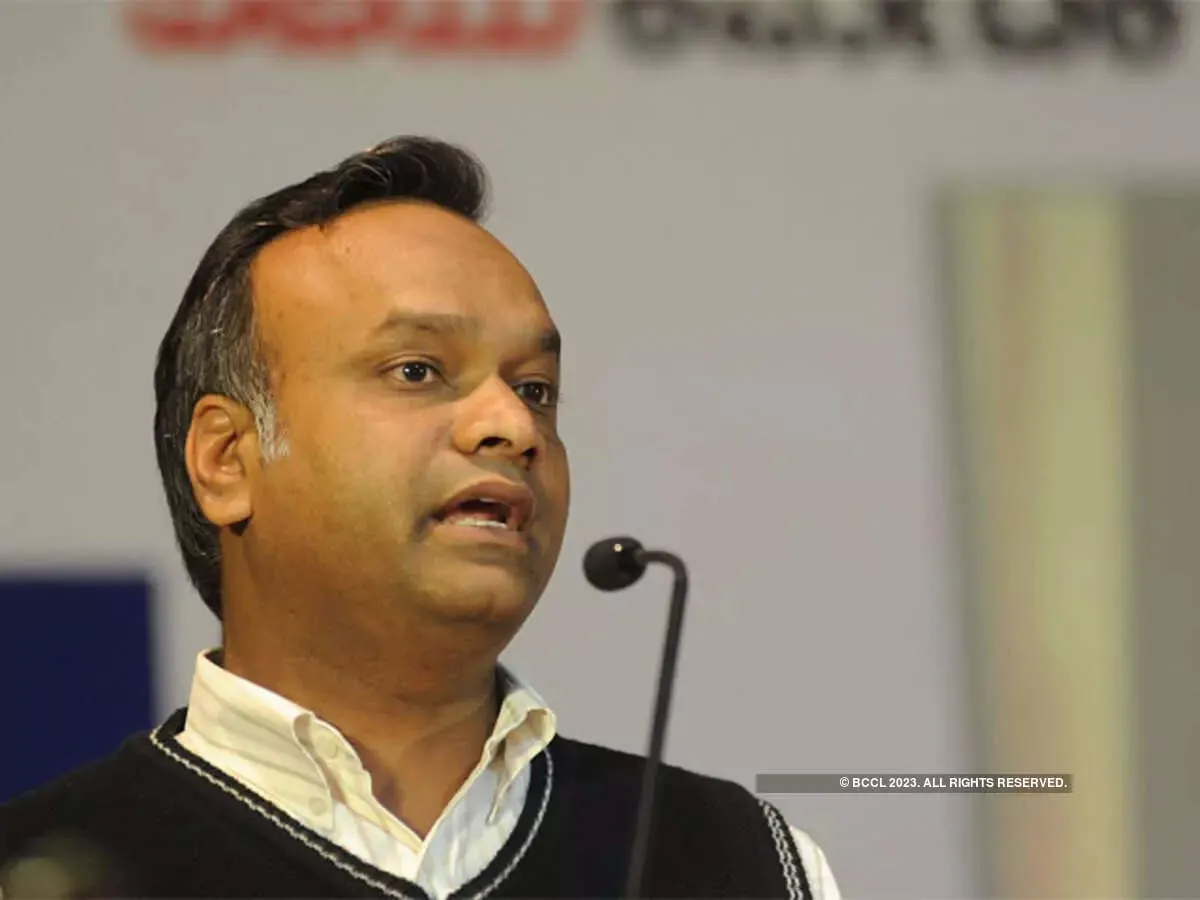
Karnataka’s IT Ministry held a high-level spacetech ecosystem consultation chaired by Minister Priyank Kharge, bringing together startups, academia, industry, HAL and public institutions. The standout plan: a Common Assembly, Integration and Testing (AIT) facility in the state, using land near Bengaluru and a Public-Private Partnership model. Officials also discussed easier access to existing test infrastructure, manufacturing parks, and Karnataka’s draft Space Policy.
Dhruva Space has secured a Rs 105 crore grant from the Centre under Project Garud to develop a standardized satellite platform. The effort targets an indigenous manufacturing ecosystem designed for high-volume satellite deployment, enabling quicker integration and faster rollout. The platform is intended to support communications, intelligence, and strategic applications with reduced time from development to deployment.
Your news, in seconds
Get the Beige app — every story in 60 words, updated hourly. Free on iOS & Android.
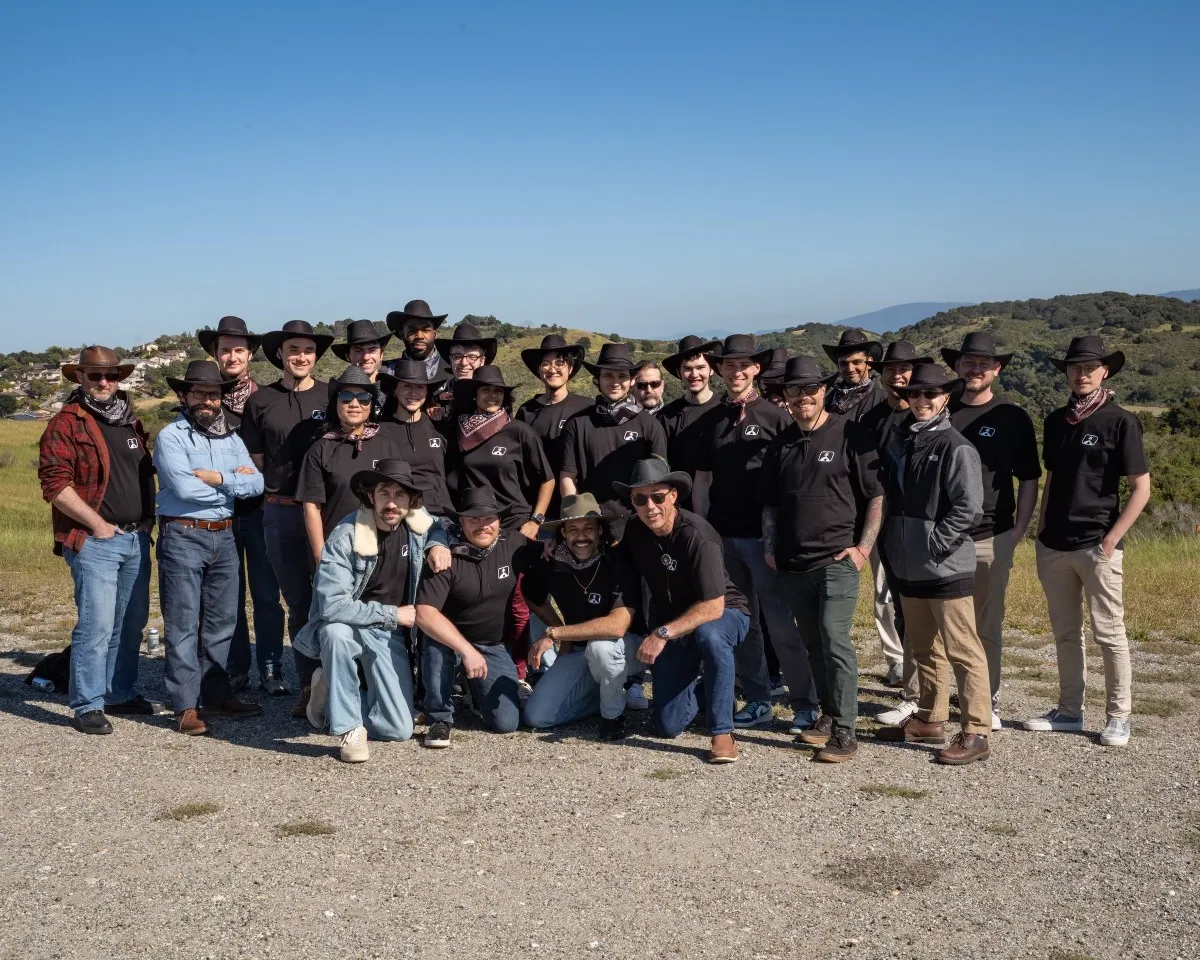
AI compute demand is pushing data center builders toward orbit, but Cowboy Space’s plan faces a brutal constraint: too few rockets are available, and the launches are still prohibitively costly. The company just raised $275M to build space-based data centers, aiming to meet demand despite the spaceflight supply crunch.
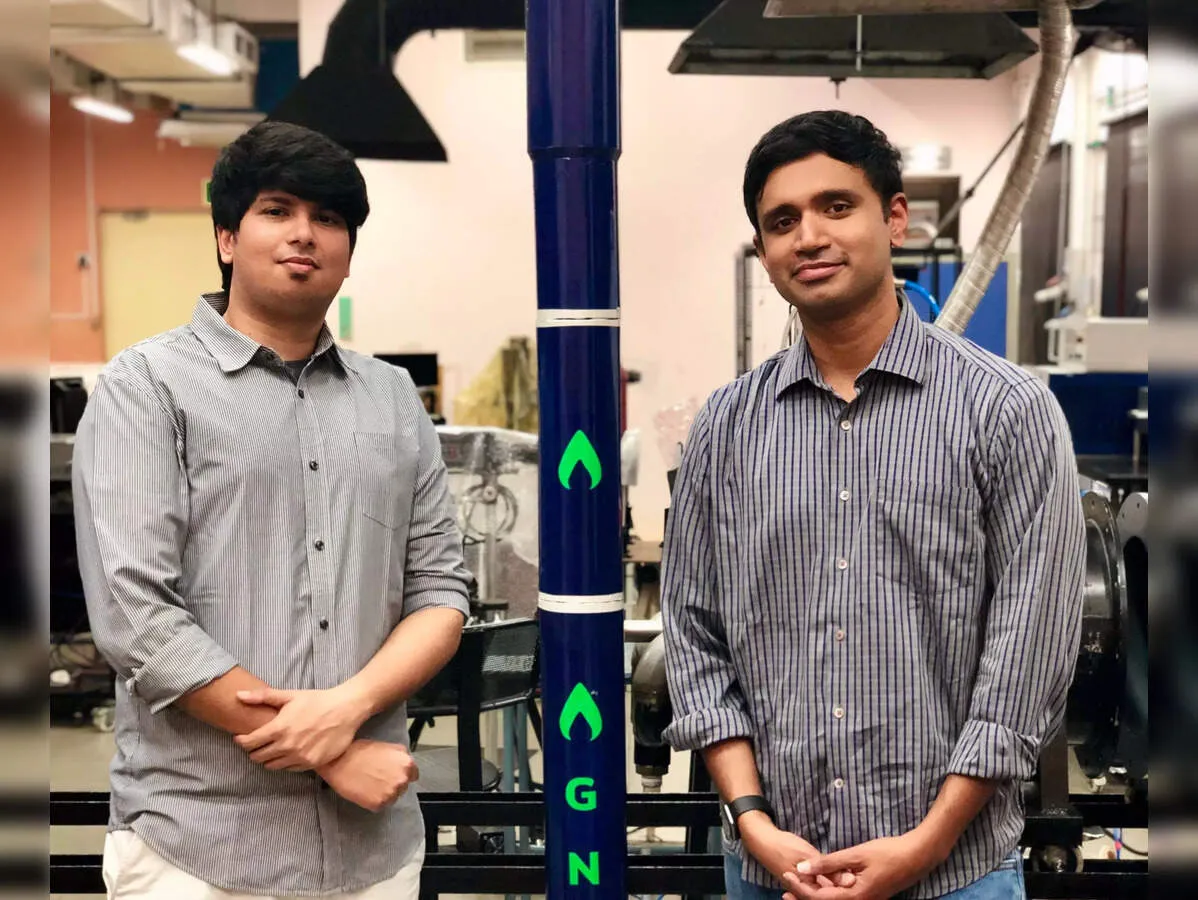
Spacetech startup Agnikul Cosmos is reportedly in talks to raise $50–75 million at a flat $500 million valuation, following a similar funding exercise in November. Investors appear increasingly confident in India’s expanding private space sector. The money is expected to fund expanded production capacity as the company moves closer to commercial deployment.
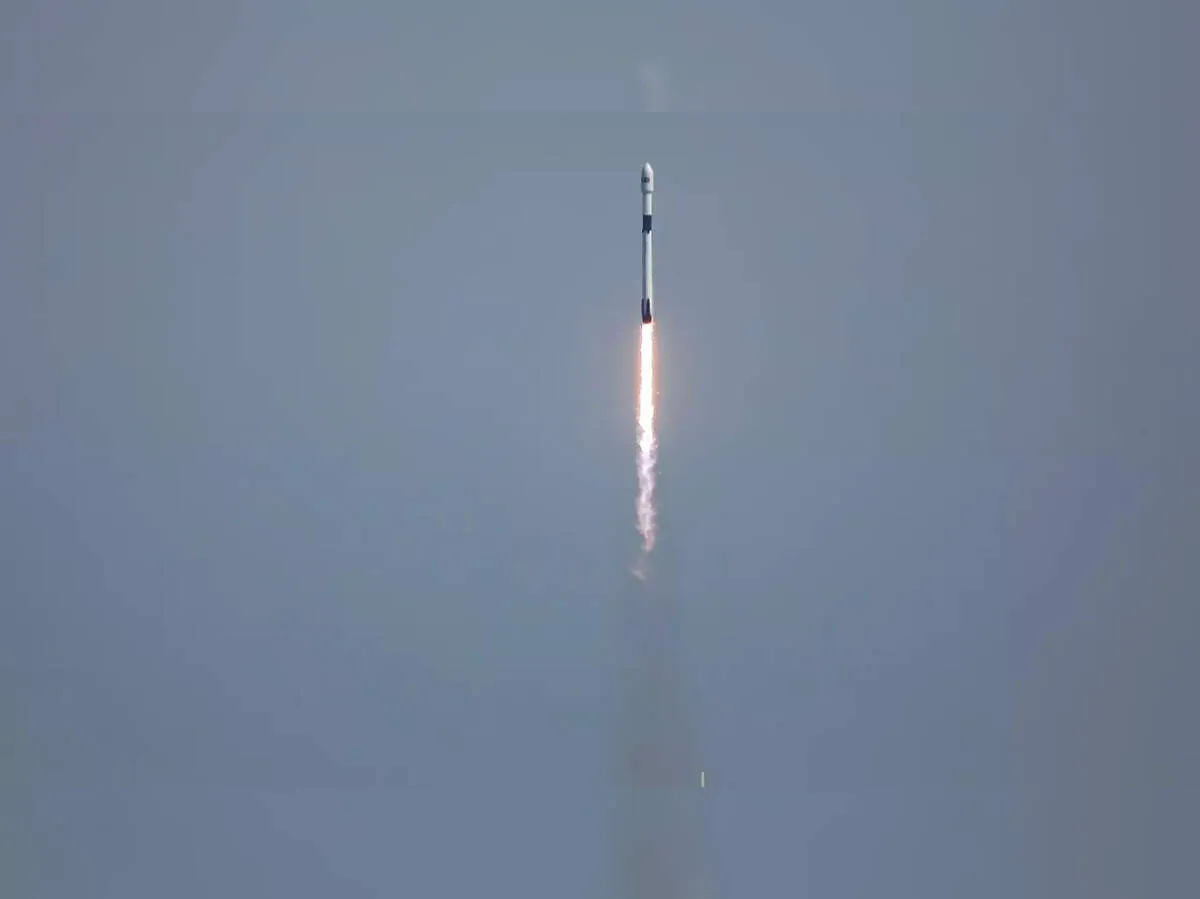
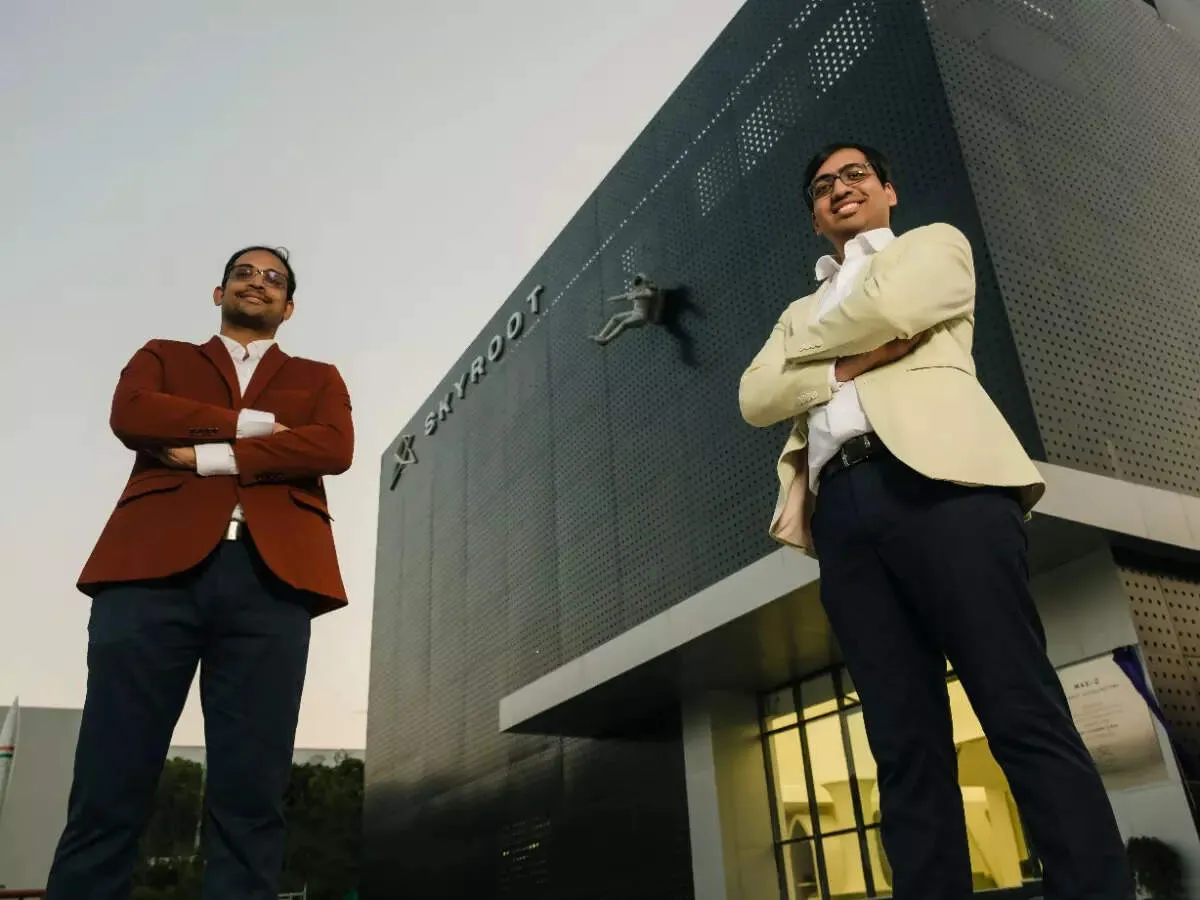
Skyroot Aerospace, India’s first spacetech unicorn valued at $1.16 billion, is gearing up for its Vikram-1 orbital launch while targeting global demand from the US, Europe, and Southeast Asia. The company says growth will be driven by rising demand for customized satellite launches and efforts to broaden access to space beyond a few traditional players.
India’s startup boom is accelerating as fresh companies cross the $1 billion unicorn mark. Skyroot Aerospace, a space technology firm, and KreditBee, a digital lending platform, are among the newest entrants. The streak points to rising investor appetite and faster digital adoption across very different sectors, from deep tech to consumer finance.
Never miss a story
Set alerts for the topics and sources you care about. Download Beige for free.
India’s startup funding stayed hot on 7 May 2026. Skyroot Aerospace secured $60 million to become the first Indian spacetech unicorn, doubling its pre-money valuation and planning a steady Vikram-1 cadence plus Vikram-2 development. Pronto raised $45 million in Series B at a $200 million valuation. InMobi also acquired US analytics platform MobileAction.
Karnataka wants to become a major hub for commercial space innovation, backed by a DeepTech Decade vision for its SpaceTech sector. The plan includes setting up common testing facilities and manufacturing parks to cut time and costs for startups and MSMEs, strengthening India’s fast-growing new-space ecosystem.
Space analytics firm HawkEye 360 raised $416 million in its U.S. IPO by pricing shares at $26 each, the top of its target range. That valuation places the company at roughly $2.42 billion, signaling growing investor appetite for defense-linked and space-tech businesses as IPO activity gains momentum.
Skyroot Aerospace, India’s first private rocket startup, has raised $60 million led by American investor Ram Shriram’s Sherpalo Ventures. The round values the Hyderabad-based company at $1 billion, making it India’s first space-tech unicorn. The fresh capital is set to accelerate launch vehicle development, including progress toward the upcoming Vikram-1 orbital launch.
Reading on mobile?
Open Beige in the app for a smoother experience — free on iOS and Android.
Spacetech firm Pixxel is teaming up with AI startup Sarvam to launch an orbital data center satellite, aiming to deliver computing power in space. The move signals how quickly AI and space are converging into new infrastructure plays. The dispatch also notes fintech interest intensifying in India’s Gift City as firms look for growth and regulatory clarity.
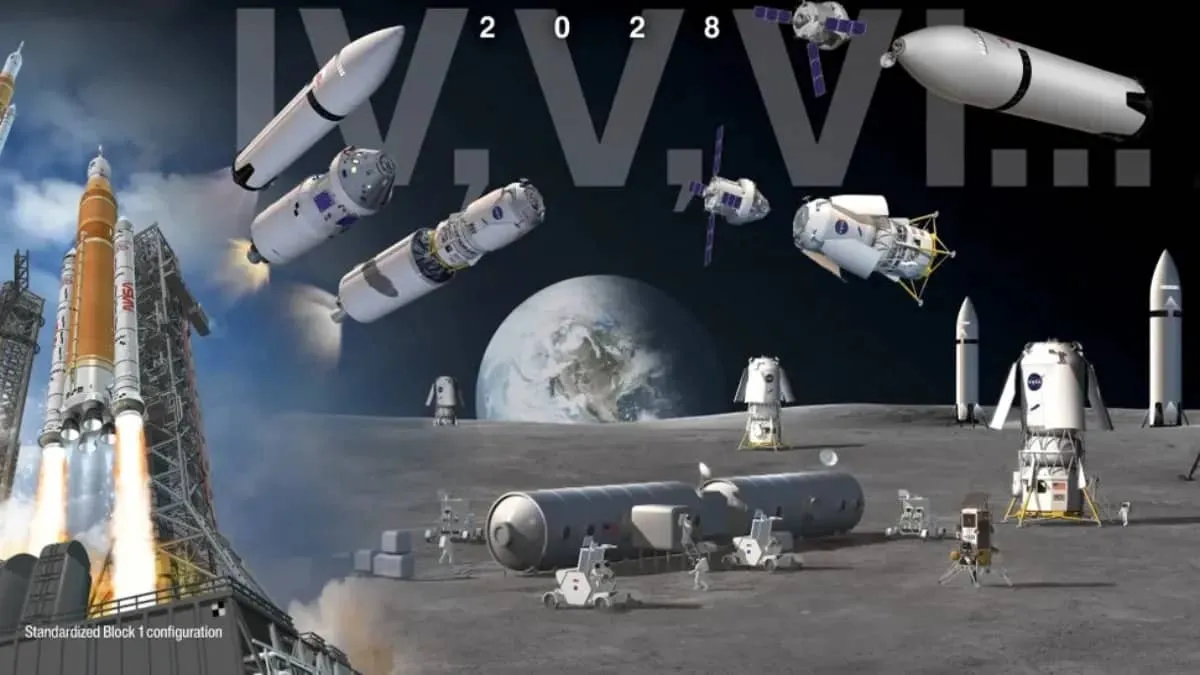
NASA has slipped Artemis III to no earlier than late 2027, extending delays for its next crewed Moon mission. The setback stems from technical problems across the mission chain, including lunar landing system issues tied to SpaceX and Blue Origin, cryogenic fuel storage challenges, and concerns around Orion’s heat shield readiness.
Vijayawada-based Red Balloon Aerospace plans to launch a super pressure balloon in the second quarter to expand telecom coverage in underserved and rural regions. Operating in the 20 to 40 km stratospheric band for about 100 days, it will carry high-resolution imaging (25 to 75 cm) plus sensors for disaster response, industrial network monitoring, and continuous spatial observation.
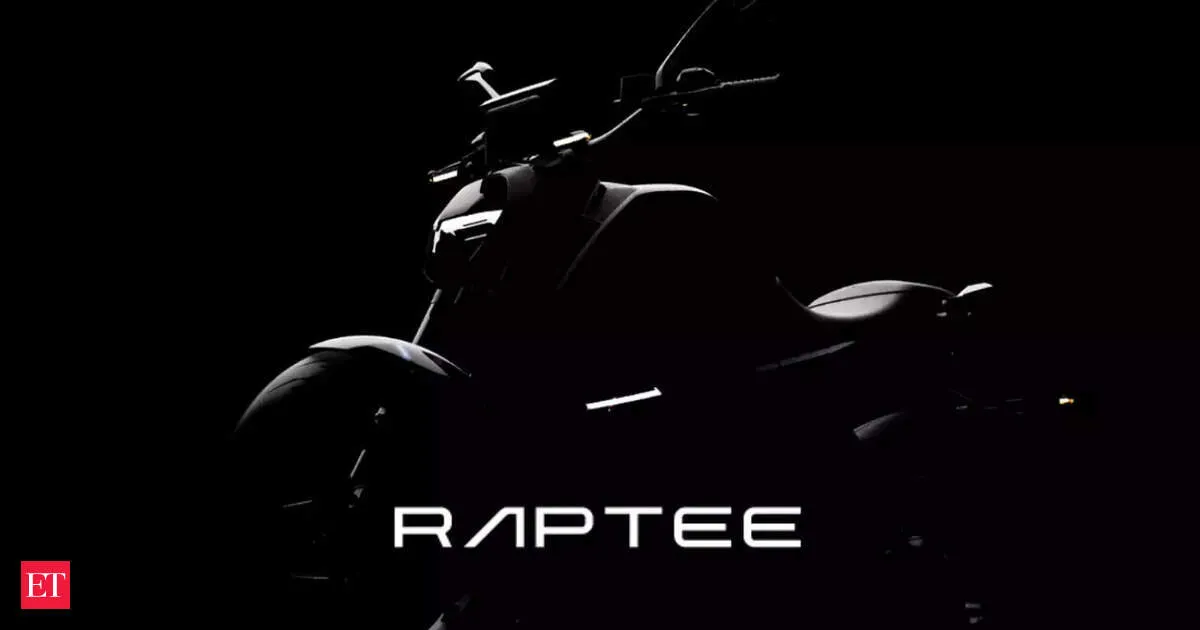
Tamil Nadu Industrial Development Corporation (TIDCO) will invest ₹25 crore each in space-tech startup AgniKul Cosmos and electric mobility firm Raptee Energy. The move kicks off TIDCO’s Startup Investment Policy 2025, designed to deepen the state’s startup financing ecosystem. TIDCO is also rebranding itself as a venture catalyst to back future growth sectors.
Follow your favourite sources
Track sources, tags and categories — all in the Beige app.
Swipe through stories, personalise your feed, and save articles for later — all on the app.