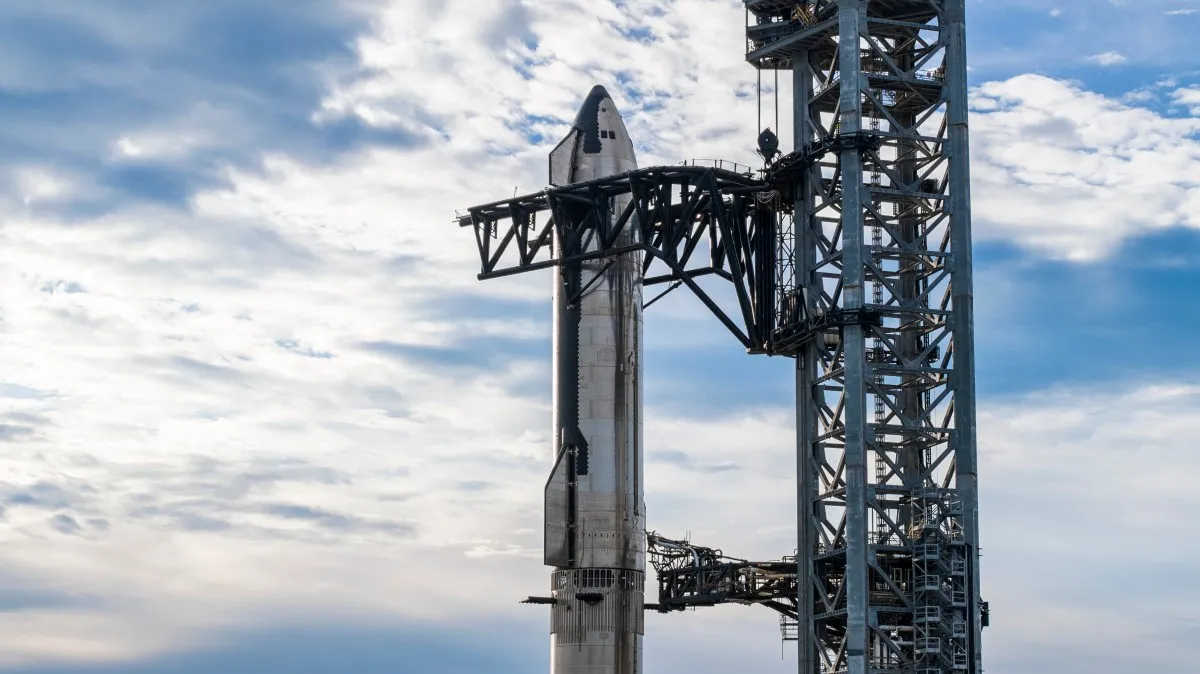
Google and SpaceX are reportedly exploring partnerships to build data centers in orbit, positioning space as the next frontier for AI compute. The pitch targets latency and power availability advantages, but the proposal faces a major hurdle: launching and operating in space remains far more expensive than running equivalent infrastructure on Earth.
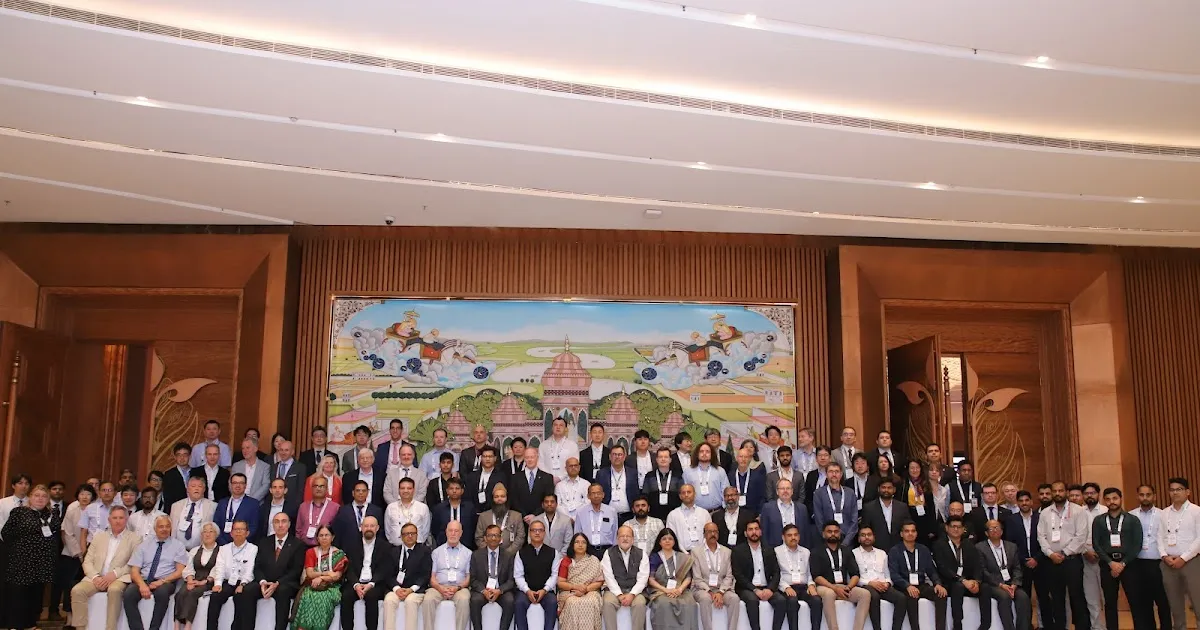
IN-SPACe and BIS hosted the 36th ISO TC 20/SC 14 plenary and working group meetings at Bharat Mandapam, New Delhi, for the first time. From May 4–8, more than 200 delegates from 33 member nations in hybrid format will shape standards for sustainable, commercially viable space operations—spanning debris, environment, downstream services, and design engineering.
Your news, in seconds
Get the Beige app — every story in 60 words, updated hourly. Free on iOS & Android.
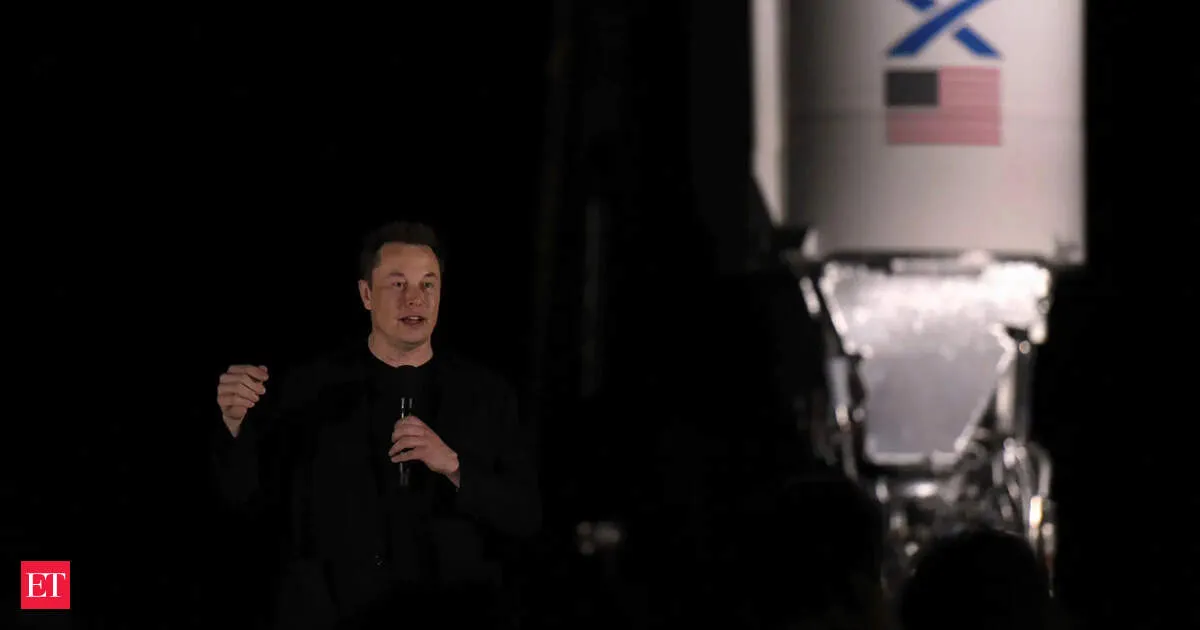
Elon Musk’s SpaceX origin story goes back to 2001, when an attempted rocket purchase from Russia fell through. Instead of giving up, Musk pivoted from buying to building, setting the stage for SpaceX’s 2002 launch. After years of setbacks, the company evolved into a major NASA partner focused on making space travel more affordable.
Eutelsat is in talks with ISRO to secure future satellite launch options, aiming to reduce reliance on SpaceX and European Ariane rockets. The push follows its merger with OneWeb and the loss of access to Russian Soyuz, forcing the company to rethink supply chains and strengthen access to the Indian market.
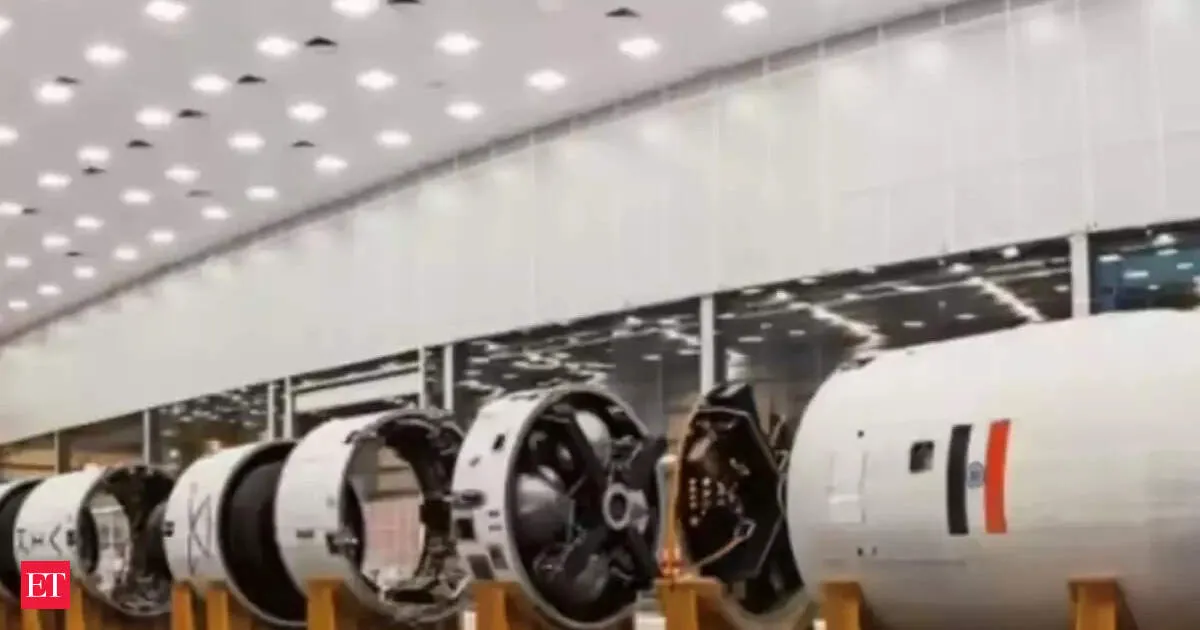
Hyderabad startup Skyroot Aerospace is preparing to launch Vikram-1, billed as India’s first private orbital rocket. The company says its goal is to make orbital spaceflight routine by offering mission-focused launches for different orbital requirements. With Vikram-1 designed for targeted and specialized missions, Skyroot is positioning orbital rockets as a scalable, repeatable service—rather than a rare event.
Swipe through stories, personalise your feed, and save articles for later — all on the app.