NASA’s Psyche spacecraft is making a high-speed practice swing past Mars to harness a gravity boost toward a rare metal asteroid. Named after the target, the robotic explorer will perform a slingshot at about 12,333 mph, snapping thousands of images along the way. The main rendezvous is planned for 2029, turning Mars flyby data into mission-critical prep.
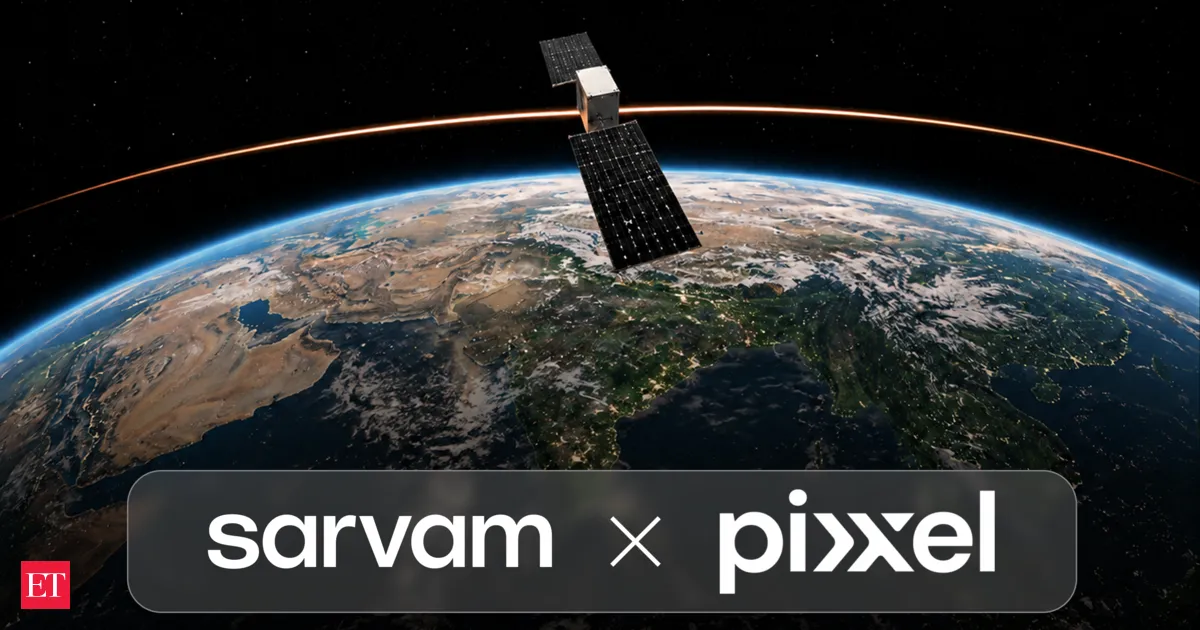
Sarvam AI and Pixxel are joining forces to develop Pathfinder, India’s first orbital AI system designed to process satellite imagery in space. Instead of streaming raw data to Earth, the mission will use onboard intelligence to convert it into actionable insights first, aiming to speed decisions for disaster response, agriculture, and environmental monitoring.
Your news, in seconds
Get the Beige app — every story in 60 words, updated hourly. Free on iOS & Android.
Newly released Pentagon documents say Apollo 17 astronauts observed “Fourth of July”-like lights and drifting particles near the moon, alongside odd sightings from Apollo 11, Apollo 12 and Gemini VII. The reports are fueling renewed fascination with unexplained space phenomena, but the Pentagon stresses there’s no shared conclusion about what caused the anomalies.
India is seeking a bigger say in shaping international standards for the fast-growing space sector, with global experts meeting in New Delhi for an ISO-focused discussion. Officials point to recent policy reforms and the creation of IN-SPACe as reasons India can influence how future space norms are written and implemented across countries.
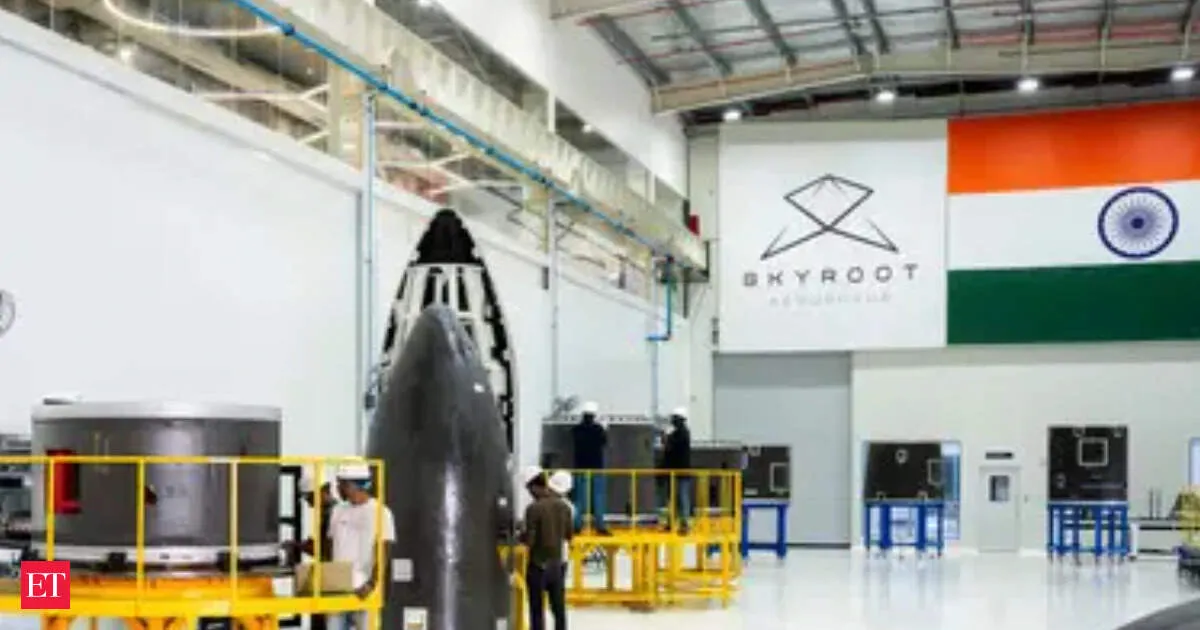
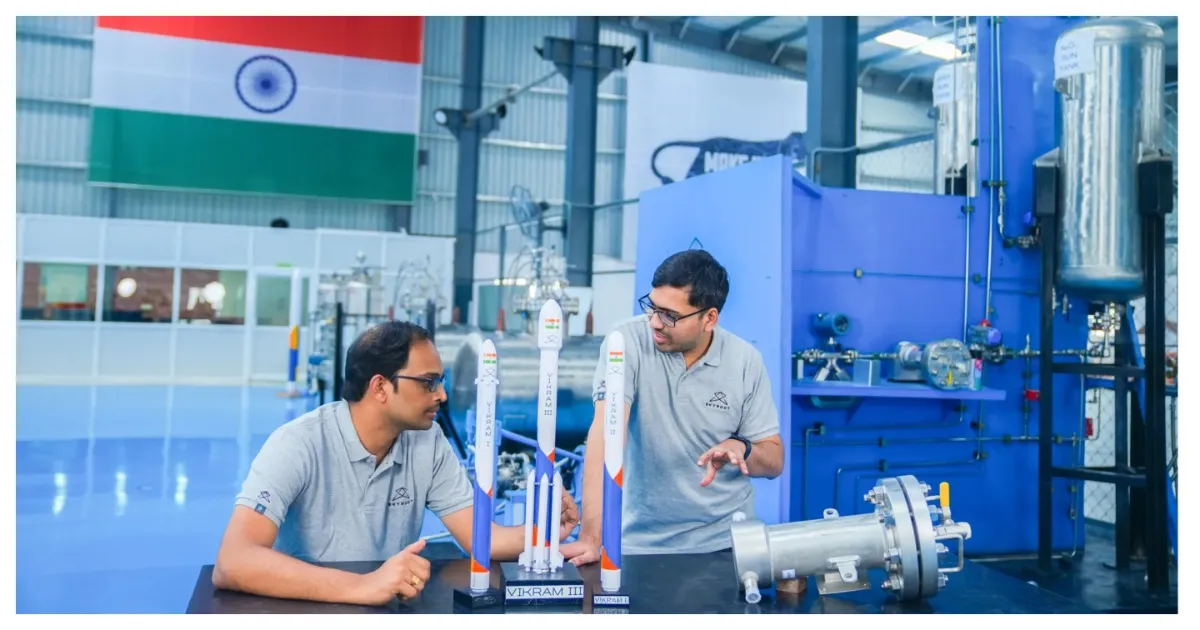
Hyderabad based Skyroot Aerospace has become India’s first space launch vehicle unicorn as it gears up for the Vikram 1 rocket. The milestone signals momentum for India’s private space ecosystem, with big economic upside. Yet unclear government decisions on technology transfer could determine whether firms like Skyroot and Agnikul Cosmos accelerate or hit regulatory fog.
Skyroot, the Indian rocket startup, has emerged as the country’s first space technology unicorn as it prepares for India’s first private orbital launch. Its valuation has reportedly more than doubled since 2023, underscoring fast-growing investor confidence in NewSpace ambitions and raising expectations for a landmark milestone in India’s commercial space race.
Never miss a story
Set alerts for the topics and sources you care about. Download Beige for free.
New research finds enormous cosmic filaments in the universe’s web are slowly rotating. These faint structures stretch hundreds of millions of light-years and link galaxy clusters across vast distances. The observation challenges older ideas that matter’s large-scale evolution was mostly static, instead suggesting these colossal “bridges” are dynamic and have been changing for billions of years.
Skyroot Aerospace has become India’s first space-tech startup valued at $1 billion, following a fresh $60 million funding round. The company is now preparing for its first orbital rocket launch, a move investors see as validation of momentum in India’s space sector. Skyroot plans to boost launch cadence and scale up manufacturing to meet rising demand.
Skyroot has become India’s first space unicorn after securing a new fundraising round that values the company at $1.1 billion. The milestone arrives as India’s broader unicorn growth has cooled since the post-Covid boom, hinting that a renewed wave could come from space and deep-tech startups. The raise signals investor appetite for early space capabilities.
A new study introduces “CRASH Clock,” estimating how quickly satellites could collide if they lose control—possibly within days. Researchers say solar storms can knock out communications, leaving spacecraft unable to maneuver. With more satellites than ever in orbit, including thousands of avoidance moves by Starlink, the paper underscores an escalating collision threat as launches surge.
Reading on mobile?
Open Beige in the app for a smoother experience — free on iOS and Android.
Pixxel and Sarvam have joined forces to build “Pathfinder,” an orbital data centre satellite that runs AI models directly in space. Instead of sending raw data back to Earth first, the craft will process large volumes in orbit for faster, real-time insights. The approach could strengthen data sovereignty while boosting capabilities for environmental monitoring and resource management with less ground infrastructure.
Skyroot Aerospace says its Vikram-1, India’s first privately built orbital rocket, is set to launch from Sriharikota within weeks. The test flight is designed to collect key performance data for upcoming commercial missions, using ISRO infrastructure and carrying varied payloads. A successful attempt could quickly elevate Skyroot’s role in India’s fast-growing private space ecosystem.
The Ministry of External Affairs has praised GalaxEye’s successful launch of Mission Drishti, calling it a milestone in India’s expanding space innovation ecosystem. MEA spokesperson Randhir Jaiswa highlighted the mission’s significance in supporting growing capabilities in space. The announcement underscores how India’s private and public efforts are gaining momentum beyond traditional space milestones.
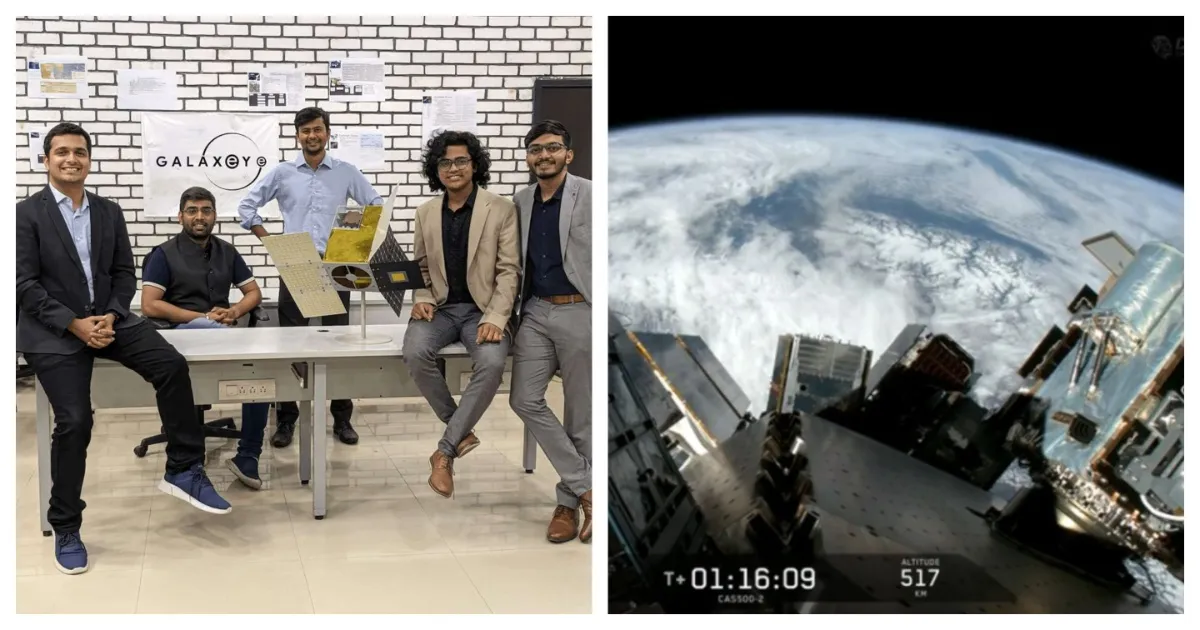
Prime Minister Narendra Modi praised GalaxEye’s Mission Drishti after its OptoSAR satellite entered orbit, combining electro-optical imaging with radar in a world-first design. The data is expected to support defense, agriculture, and disaster management. GalaxEye also plans to build a constellation of 10 satellites by 2030 to boost India’s earth observation capabilities.
Follow your favourite sources
Track sources, tags and categories — all in the Beige app.
During NASA’s historic Artemis II lunar flyby, Commander Reid Wiseman’s crew made an unexpected choice: naming a moon crater after his late wife, Carroll Taylor. Wiseman said it wasn’t the plan, but the gesture felt right. His daughters watched the moment from Mission Control, as the mission also shattered distance records and grabbed mainstream attention.
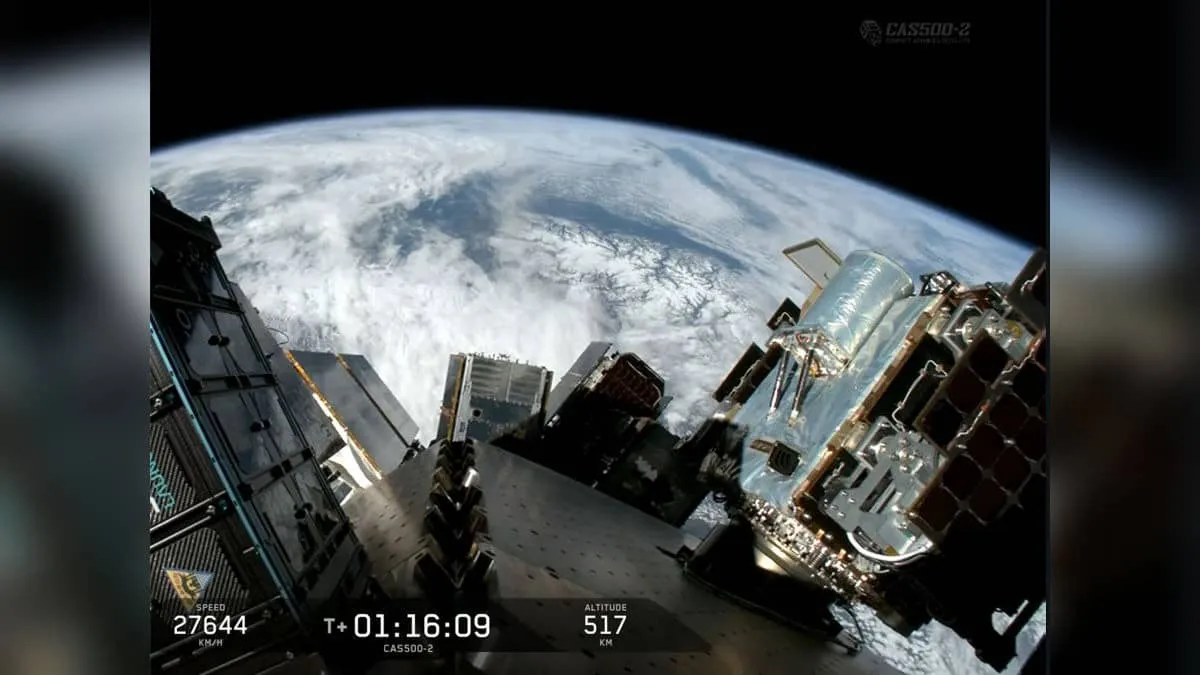
Spacetech startup GalaxEye has successfully launched its first Earth observation satellite, Mission Drishti, aboard a SpaceX Falcon 9. Built over five years, the 190 kg spacecraft pairs electro-optical and SAR sensors to capture high quality imagery in all weather, day or night. The company says it will sell satellite data to clients worldwide.
Bengaluru-based startup GalaxEye Space Solutions has launched Mission Drishti on a SpaceX Falcon, aiming to deliver advanced optoSAR imaging. The mission is being billed as a world first, leveraging a hybrid approach that pairs optical imaging with radar capability. That mix could improve Earth observation by working through cloud cover and varying weather conditions.
ISRO held technical talks with Russia’s Roscosmos in Moscow focused on semi-cryogenic engines vital for India’s heavy-lift launch vehicles. A draft contract is currently under approval and could speed up ISRO’s indigenous engine development. The discussions also fit within ISRO’s wider cooperation roadmap, including efforts linked to the Venus Orbiter Mission.
Stay informed on the go
Bite-sized news from 100+ trusted sources, right in your pocket.
Pakistan’s space agency SUPARCO celebrated the April launch of its EO-3 satellite, but its own website later showed the “new” image had already been uploaded months earlier in 2025. The identical photograph suggests the mission’s first view was repackaged as fresh, helping build a misleading narrative around an otherwise real but modest achievement.
SpaceX has invested over $15 billion in its Starship rocket, betting that rapid reusability will unlock a new era of frequent, low-cost launches. The system is central to expanding Starlink satellite capacity and enabling future moon and Mars missions. Starship’s performance could also shape SpaceX’s broader ambitions, including its push toward a public market debut.
Swipe through stories, personalise your feed, and save articles for later — all on the app.