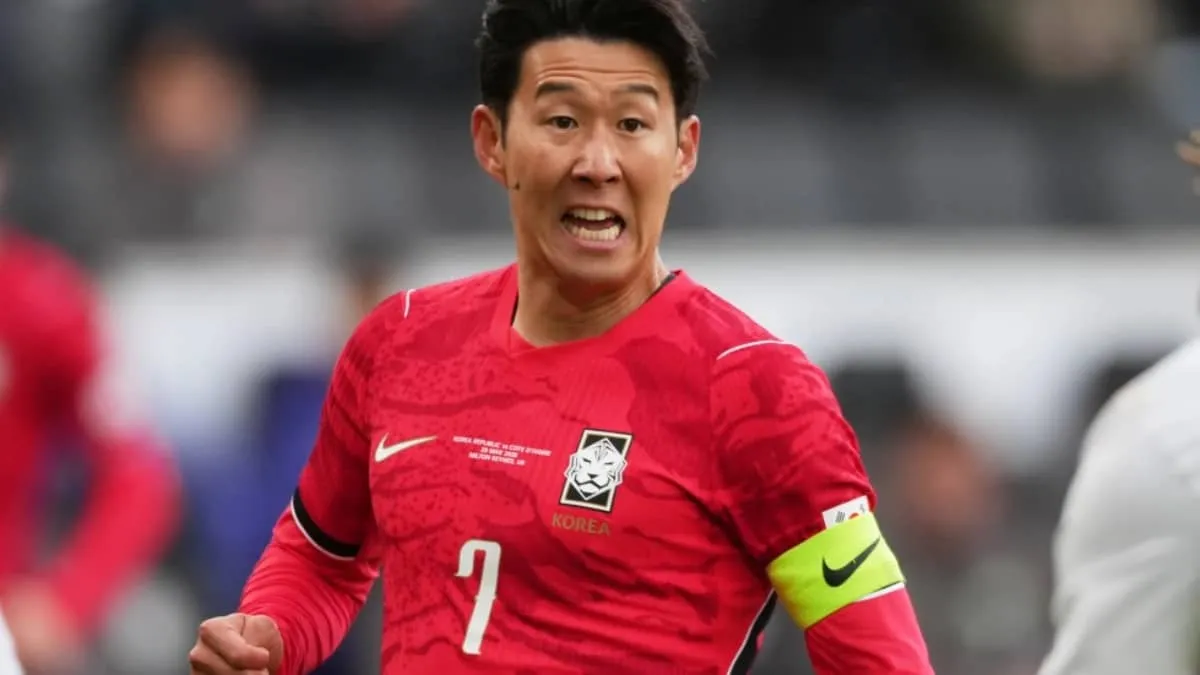
South Korea coach Hong Myung-bo has named a 26-man squad for the FIFA World Cup 2026, handing captaincy expectations to Son Heung-min as the tournament begins in the United States, Mexico and Canada. The squad marks Son’s fourth World Cup and extends Korea’s streak of successive appearances to 11, since 1986. Coach Hong’s primary target is reaching the round of 32, with Hwang In-beom called up despite an ankle injury. Korea opens in Mexico on June 11 vs the Czech Republic.
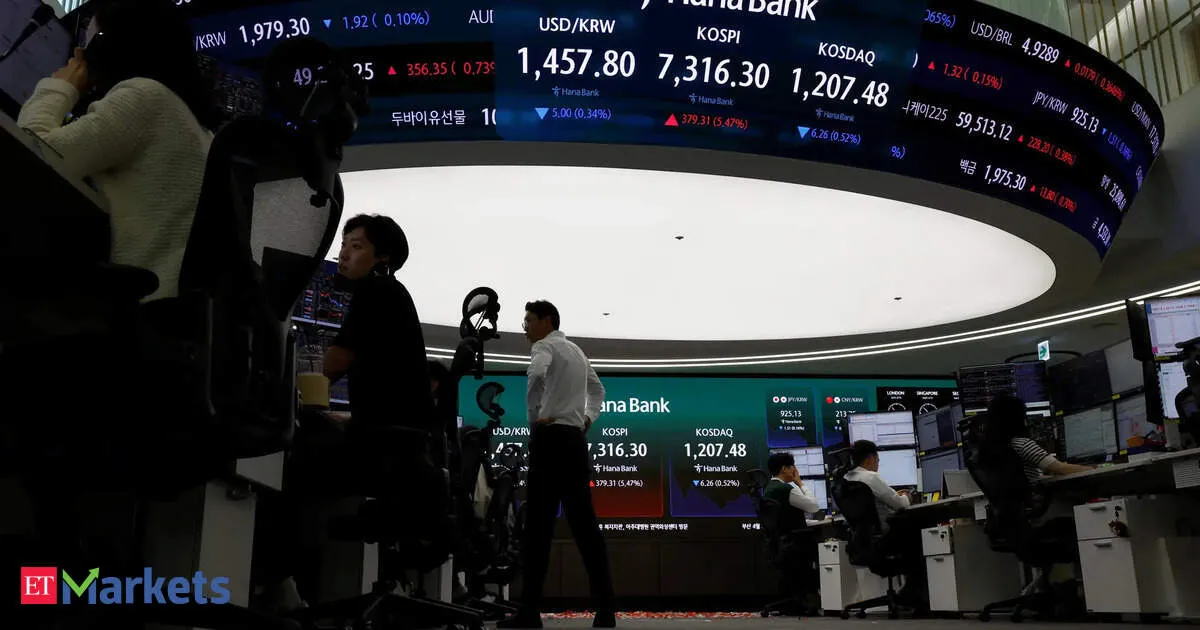
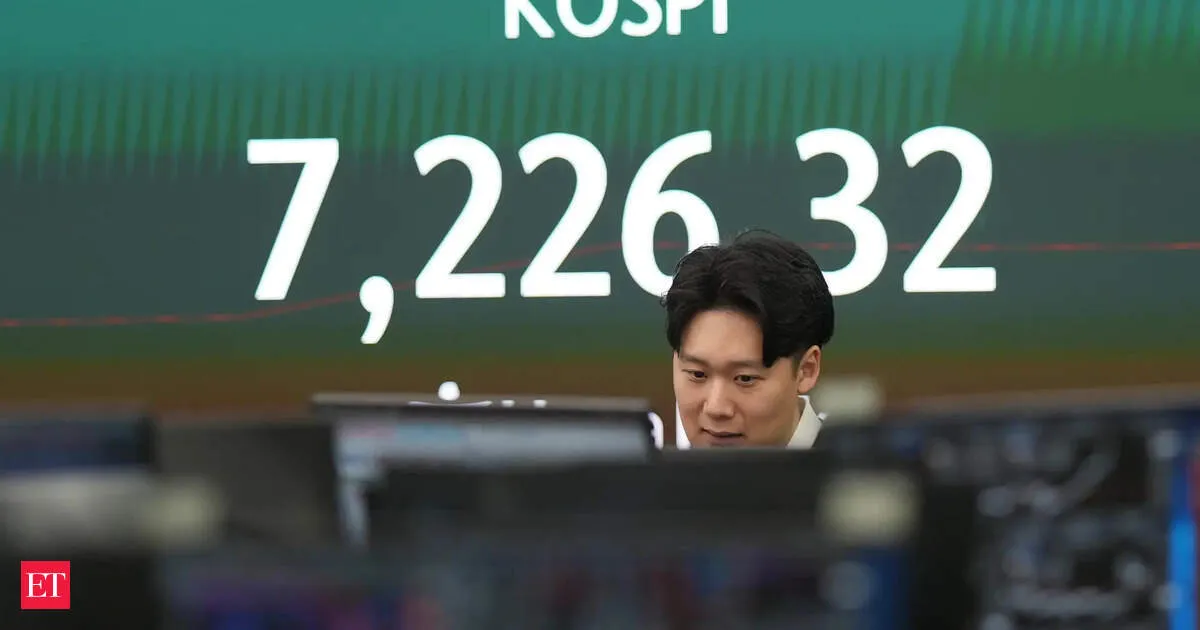
South Korea’s Kospi plunged 6% on Friday after a historic rally pushed valuations and positioning to extremes, briefly topping 8,000 for the first time. The rebound had been powered by AI-linked memory-chip demand, concentrated in Samsung Electronics and SK Hynix. Once foreign investors began booking profits, the decline accelerated because the index’s gains depended heavily on those same stocks. Samsung fell nearly 9% and SK Hynix slid 8%, while global risk concerns and higher bond yields added pressure.
Your news, in seconds
Get the Beige app — every story in 60 words, updated hourly. Free on iOS & Android.
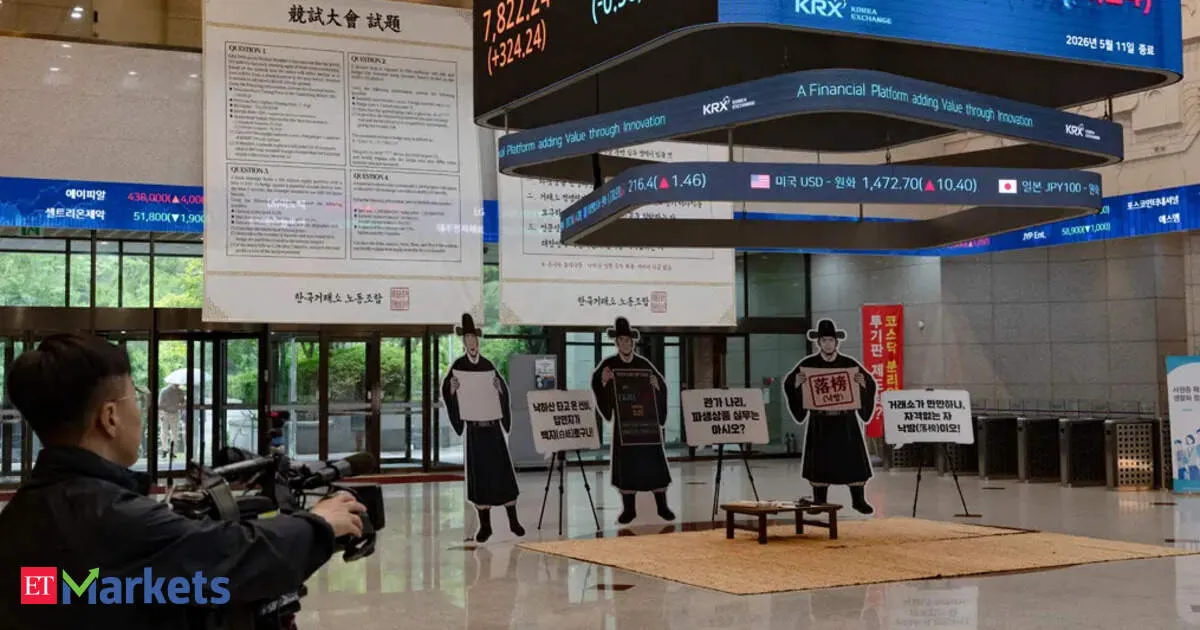
South Korea’s Kospi whipsawed sharply, briefly crossing the historic 8,000 level before plunging more than 6% as tech stocks sold off and foreign investors exited. The index erased its early gains to close at 7,493.18, while the Kosdaq fell over 5%. Samsung Electronics became the focal point after its union approved an 18-day strike starting May 21, even as the company offered fresh wage talks. The shock spread across Asian markets amid geopolitical noise and renewed US Iran pressure.
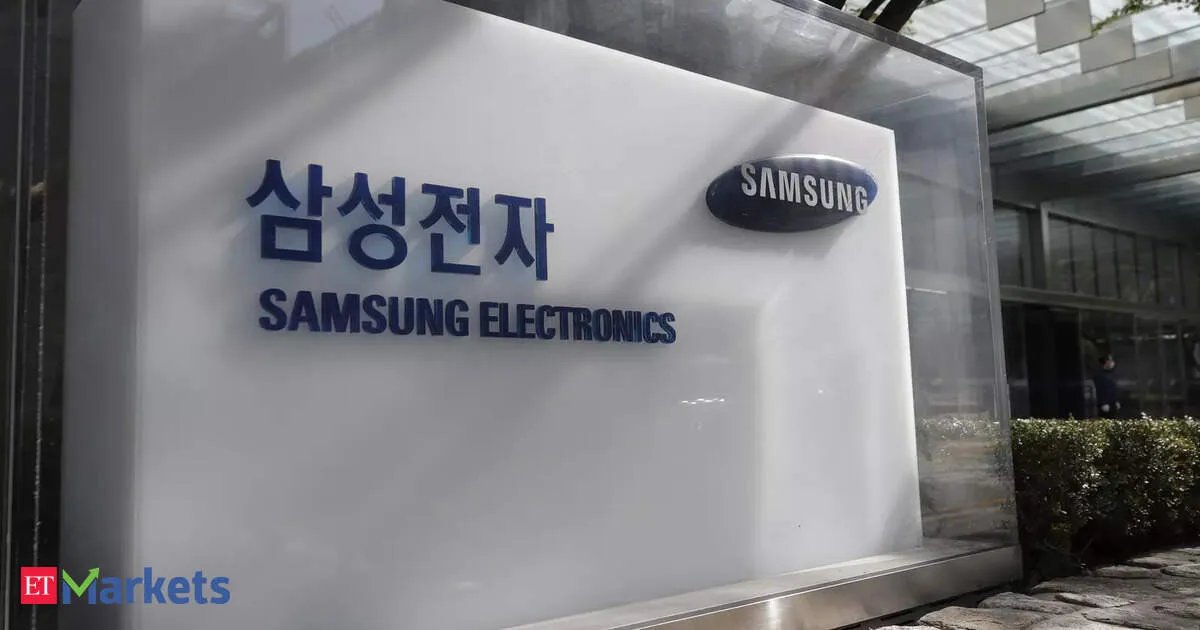
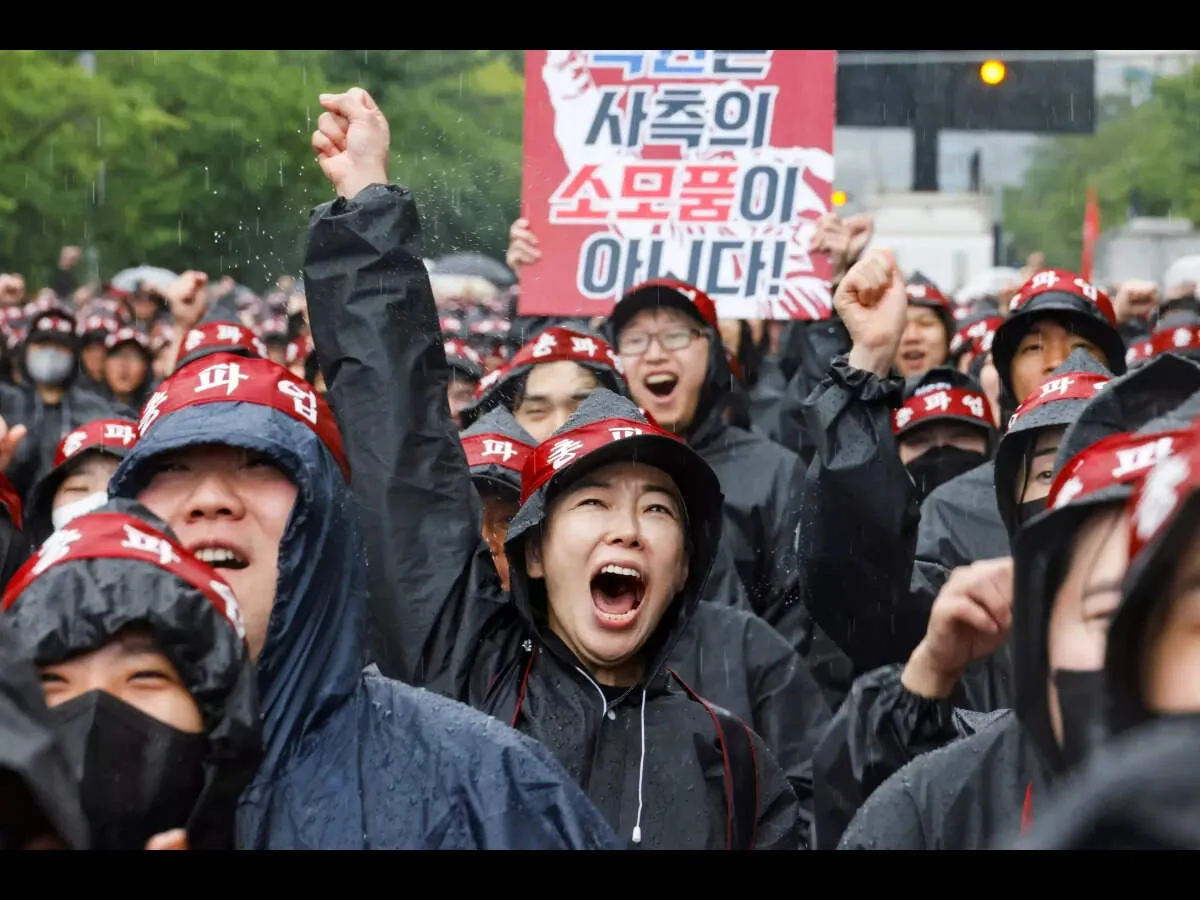
Samsung Electronics shares sank more than 9% on Friday after a labour dispute escalated at the world’s biggest memory chipmaker. An 18-day strike starting May 21 remains on the table even as Samsung offered unconditional talks, following failed government-mediated negotiations over 2026 wages and bonuses. Reuters reports union participation could involve over 50,000 workers, heightening fears of disruptions to chip production and deliveries. JPMorgan estimates operating profit impact could reach 21 trillion to 31 trillion won.
Tickets for a rare women’s football semi-final between South Korea’s Suwon FC Women and North Korea’s Naegohyang Women’s FC sold out in about 12 hours after going on sale, the Korea Football Association said. The May 20 match in Suwon marks the first time a North Korean sports team has played in the South since 2018. Seoul will also provide 300 million won to civic groups planning to cheer both teams, with North Korean clubs arriving from Beijing on Sunday.
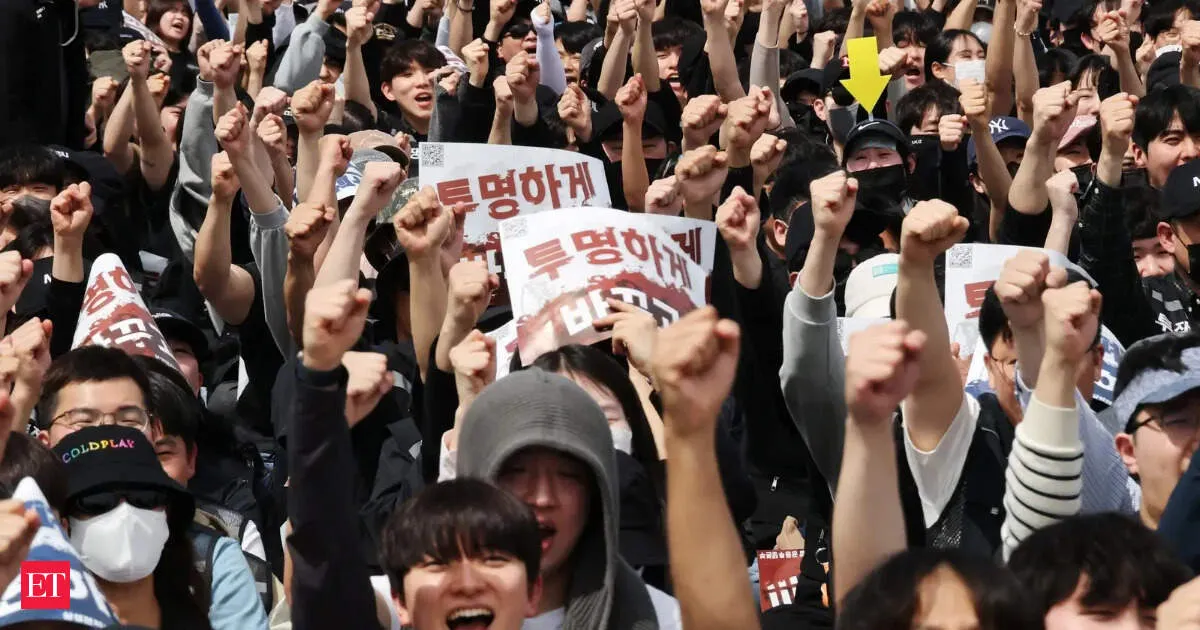
Samsung Electronics’ labour union has refused to restart pay negotiations, insisting on transparency in the company’s bonus scheme. The standoff could trigger an 18-day strike if demands aren’t met. South Korea’s government is urging both sides to negotiate, warning that disruptions could harm the country’s chip export engine.
Never miss a story
Set alerts for the topics and sources you care about. Download Beige for free.
South Korean researchers say they’ve built a wearable neckband that converts silent mouth movements into intelligible speech using the user’s own voice. Because it doesn’t rely on audible input, it could help communication in extremely noisy settings and support medical use cases. The technology is early-stage, but the approach could redefine how we “speak” without speaking.
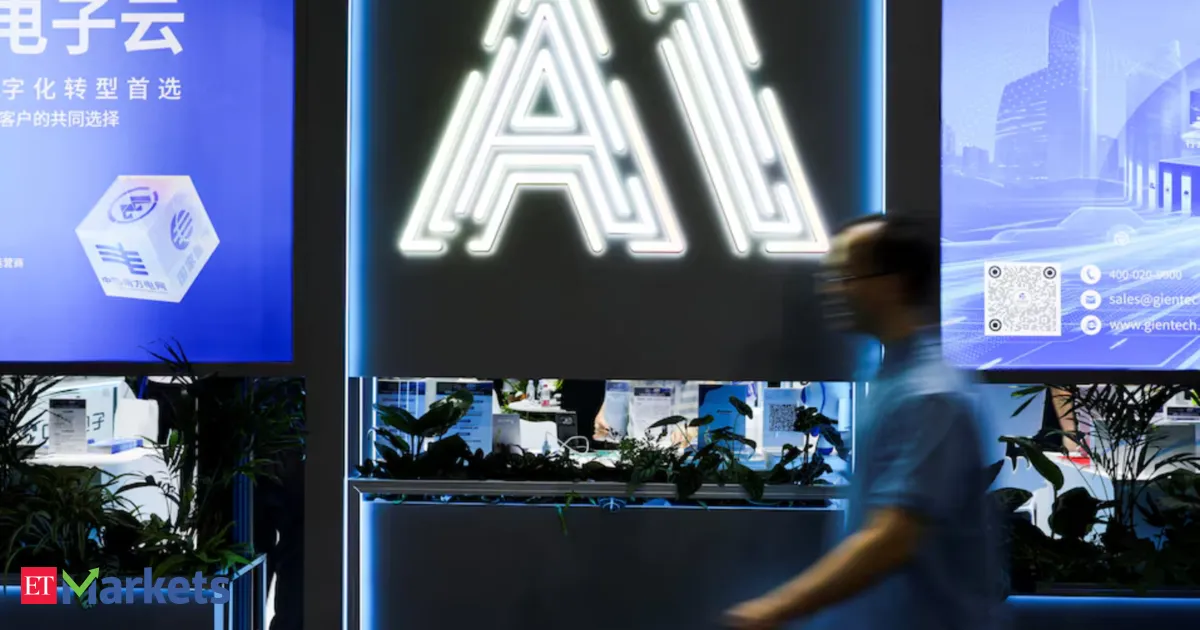
A top South Korean policymaker floated the idea of a citizen dividend funded by AI profit taxes, triggering sharp market volatility. Traders feared a fresh corporate levy on AI companies. The proposal was quickly clarified to target excess tax revenue rather than imposing a new charge, helping stocks recover partially. The episode highlights how AI-linked fiscal ideas can move markets fast.
South Korea’s top official has floated a “national dividend” model that would tax AI-related profits from major tech firms and redistribute the excess to society. The move comes as a semiconductor boom has pushed earnings higher for companies such as Samsung Electronics and SK hynix, fueling debate over how AI gains should be shared.
Samsung Electronics’ South Korea labour union is threatening to stop pay negotiations unless a mediation proposal is put forward. The union is pressing for a larger share of operating profit to boost performance bonuses, arguing payouts are smaller than rival SK Hynix. The dispute intensifies despite Samsung’s record profits fueled by the AI chip boom.
Reading on mobile?
Open Beige in the app for a smoother experience — free on iOS and Android.
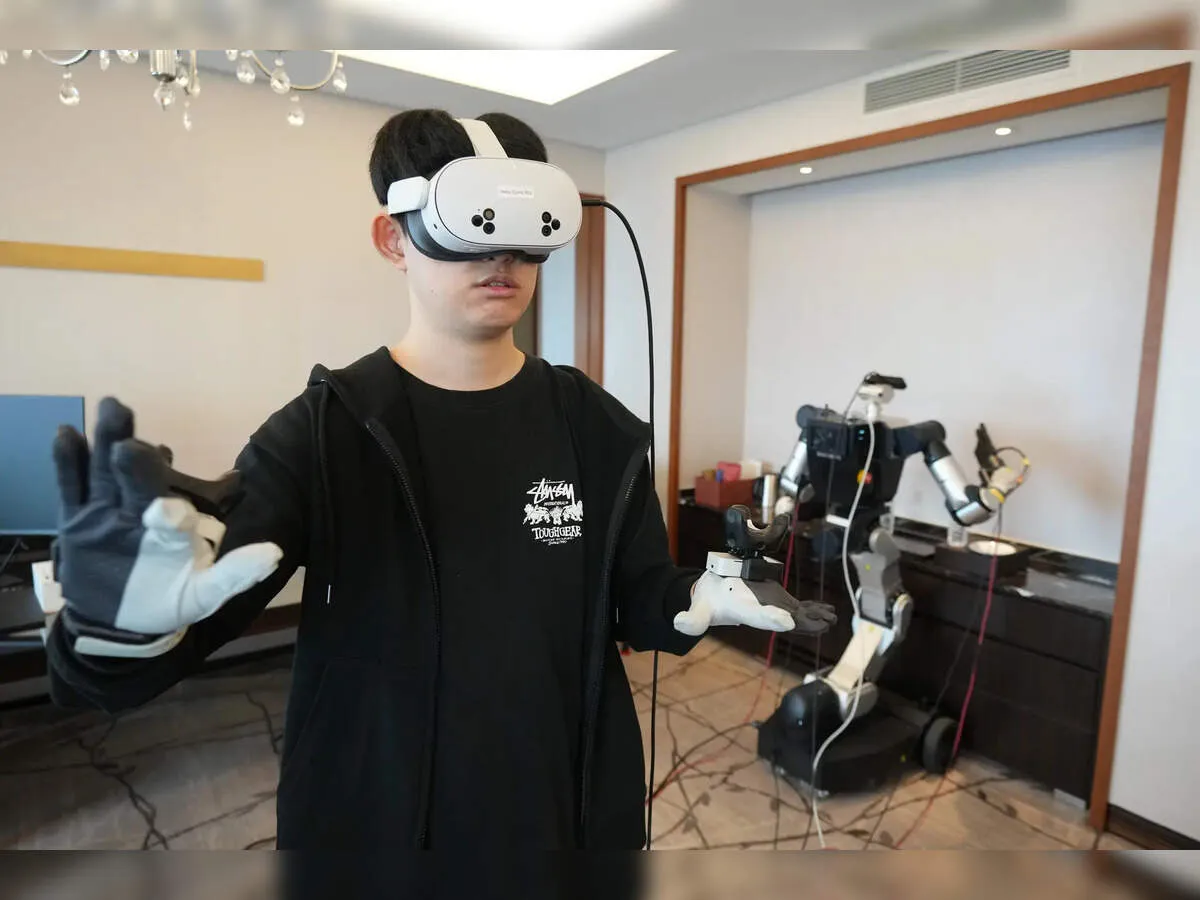
South Korean startup RLWRLD is training robots by capturing skilled workers’ real-world actions, from hotel staff folding napkins to logistics workers handling goods. The company is assembling a large human-expertise library that helps robots learn complex physical tasks. Its goal: turn humanoids into practical tools for next-generation factories and everyday homes.
Korea’s biggest manufacturers are backing Config, positioning the startup as the “TSMC of robot data.” Instead of building robots, Config focuses on providing the high-quality training and operational data robots need to learn, adapt, and function reliably. The backers argue that better data—not just better hardware—is the fastest path to making robots truly useful.
South Korea is debating an “AI dividend,” a proposal to distribute some of the wealth generated by artificial intelligence. The idea sparked market buzz after a government official floated sharing AI profits amid soaring earnings from major chip makers like Samsung and SK Hynix. Supporters argue it can curb wealth concentration, while critics worry it could unsettle markets and business incentives.
Global hedge funds are piling into Asian equities with a weekly buying pace not seen in a decade, led by South Korea, Japan, and Taiwan. The rush is concentrated in technology firms, as investors chase exposure to artificial intelligence beneficiaries. Chipmakers across the region appear to be the key drivers, reflecting how money is flowing into Asia’s tech supply chain.
Follow your favourite sources
Track sources, tags and categories — all in the Beige app.
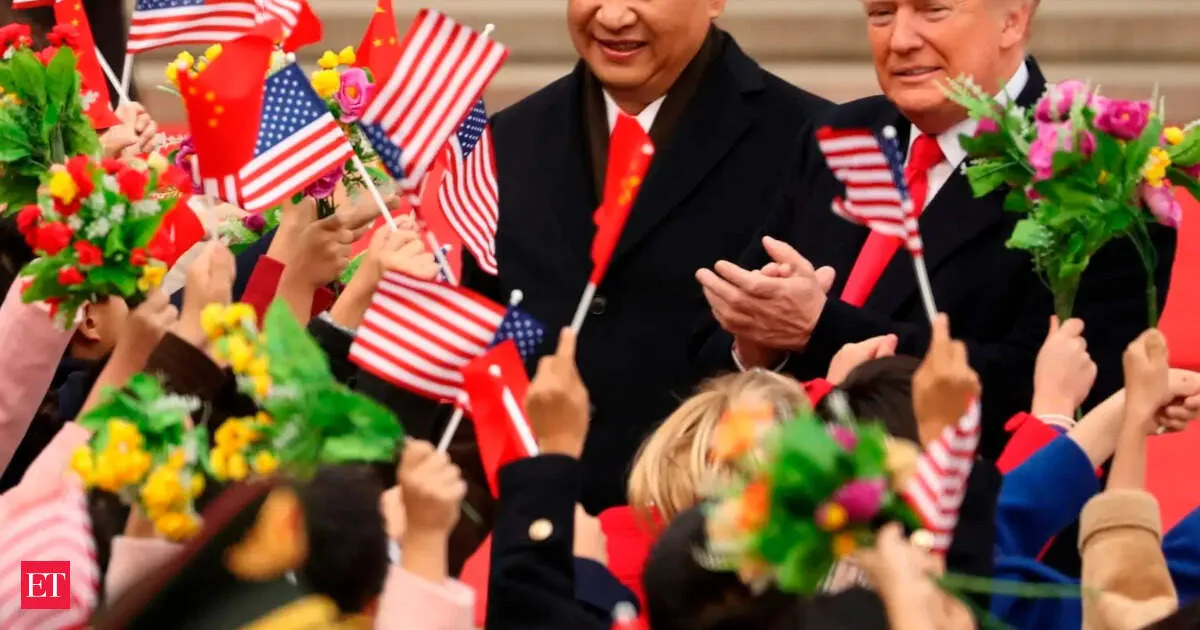
China’s Vice Premier He Lifeng will meet US officials for trade consultations in South Korea next week, Chinese state media reported. The talks are set for Tuesday and Wednesday and aim to address “mutual trade issues.” The announcement follows expectations of a separate summit between Xi Jinping and Donald Trump, heightening focus on the next round of negotiations.
South Korea says two unidentified aircraft struck the HMM Namu cargo ship in the Strait of Hormuz, causing flames and smoke. Seoul’s foreign ministry made the claim on Sunday, after the fire-damaged vessel reached Dubai. The ministry says the aircraft hit the port-side ballast tank’s outer plate at roughly one-minute intervals, escalating concerns over maritime security.
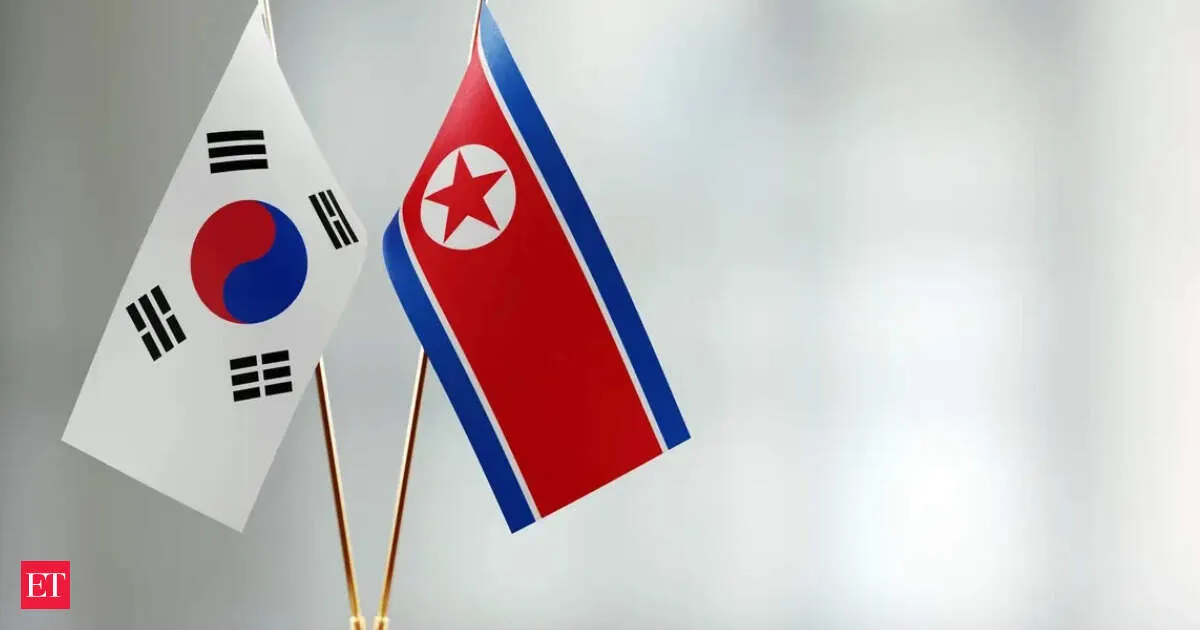
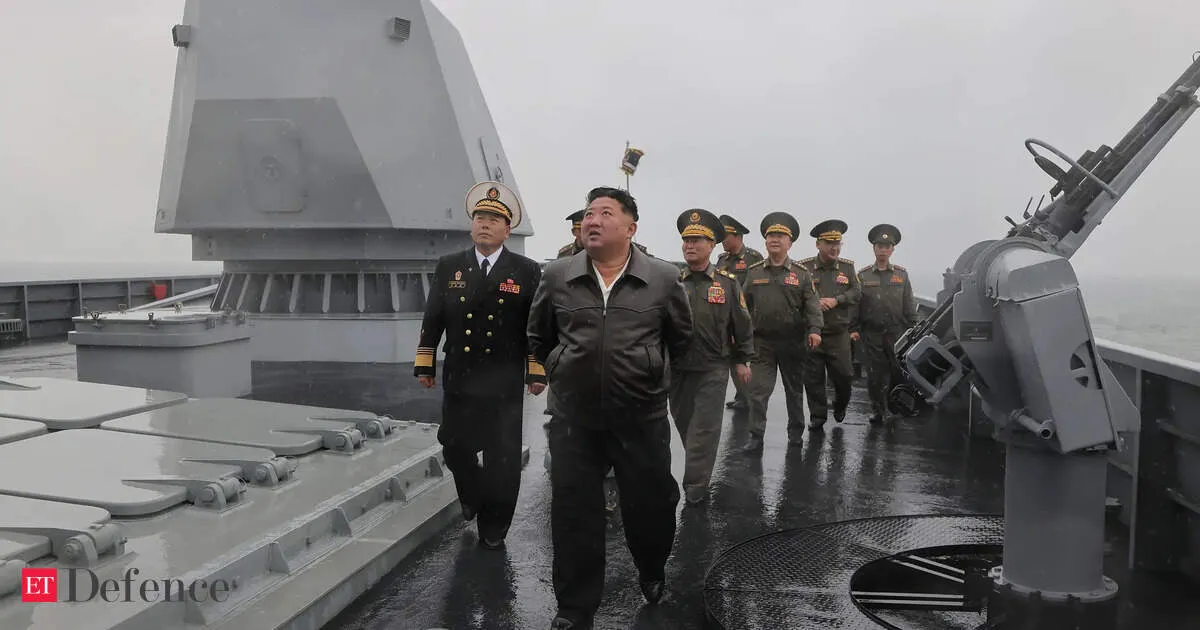
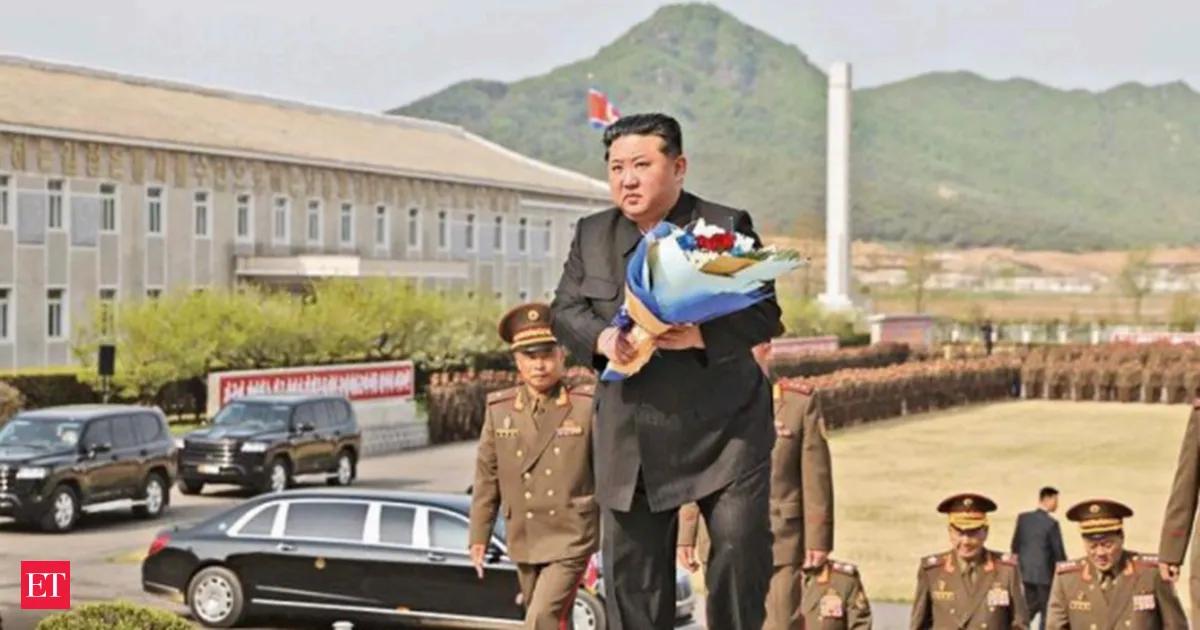
North Korea says it will deploy new long range artillery systems that can strike Seoul and commission its first naval destroyer. The announcements come after Pyongyang revised its constitution, removing unification references and cementing a two state framework, a move seen as part of Kim Jong Un’s more hardened posture toward South Korea and escalating pressure in the region.
South Korea has introduced Gabi, its first humanoid robot monk, at Seoul’s Jogye Temple ahead of Buddha’s birthday. The 130-centimetre robot appeared in traditional attire and performed gestures including folding its hands and bowing before Buddhist monks, closely matching ritual customs. The unusual mix of spirituality and AI has drawn widespread attention online.
Stay informed on the go
Bite-sized news from 100+ trusted sources, right in your pocket.
North Korea has revised its constitution by removing references to unifying the Korean Peninsula and introducing a new territorial clause. The changes, reportedly adopted during a March meeting of the Supreme People’s Assembly, mark a first for Pyongyang by explicitly defining territory in the constitution, according to a Seoul National University professor briefing South Korea’s Unification Ministry.
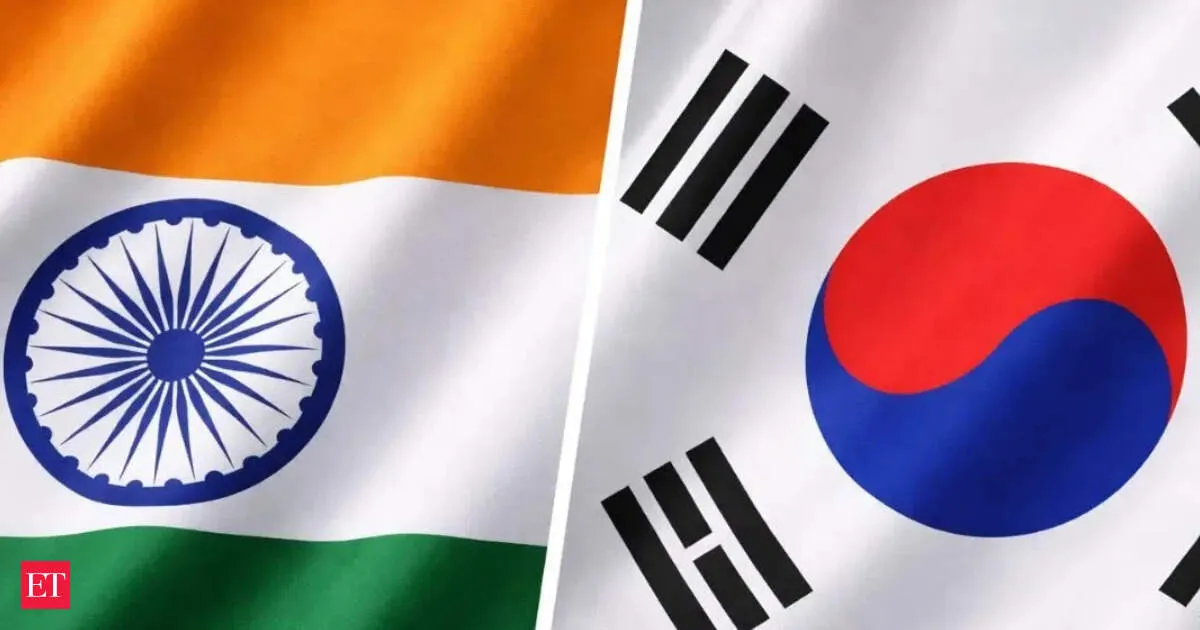
India and South Korea are set to meet on May 25 to review their economic partnership agreement amid a growing trade deficit. India has proposed negotiating a new bilateral trade deal to make trade more balanced and tackle the widening gap. Both sides also aim to double bilateral commerce by 2030, turning the review into a possible reset for negotiations.
Swipe through stories, personalise your feed, and save articles for later — all on the app.