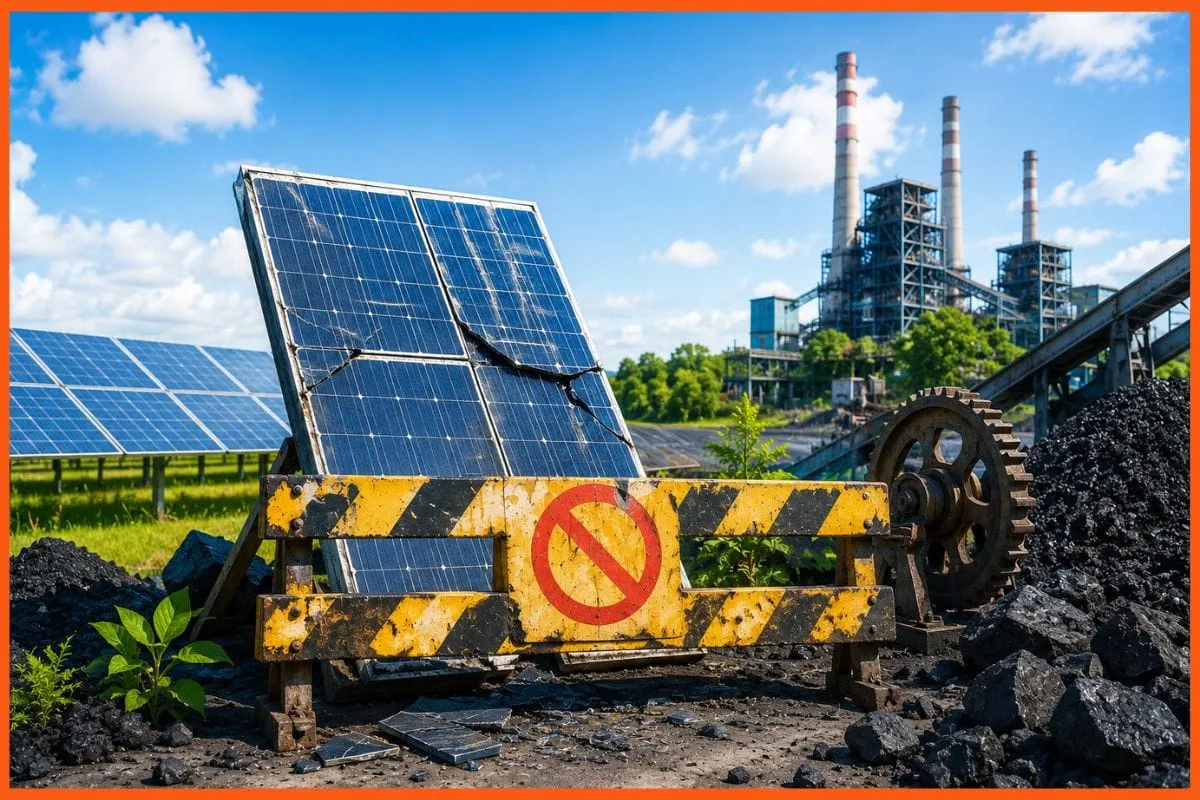
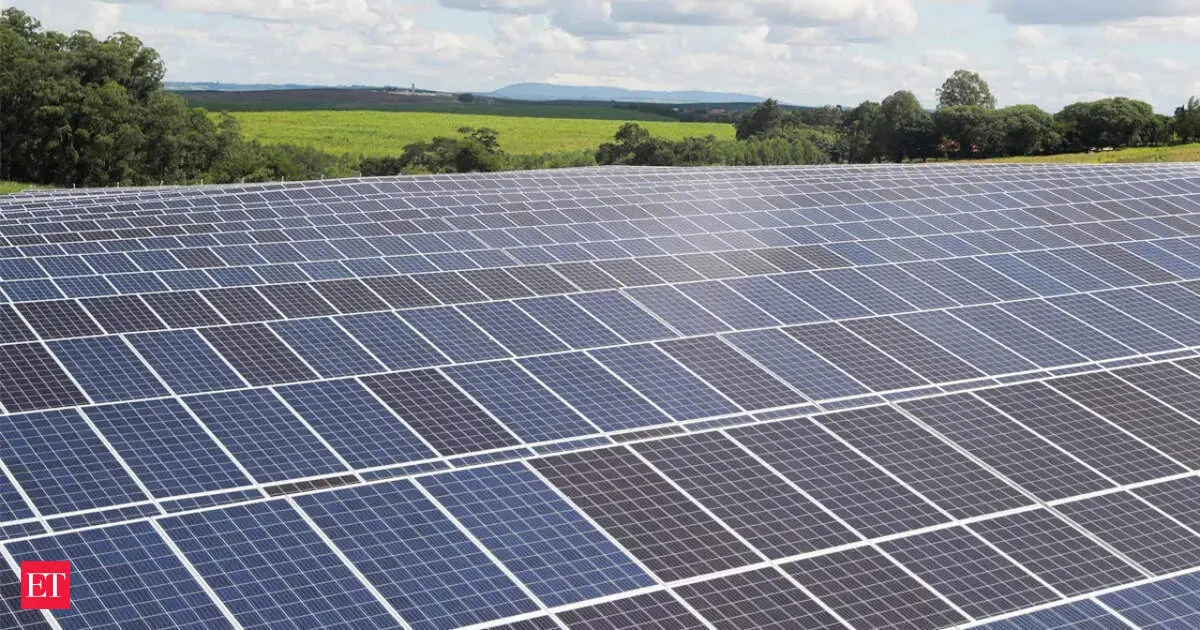
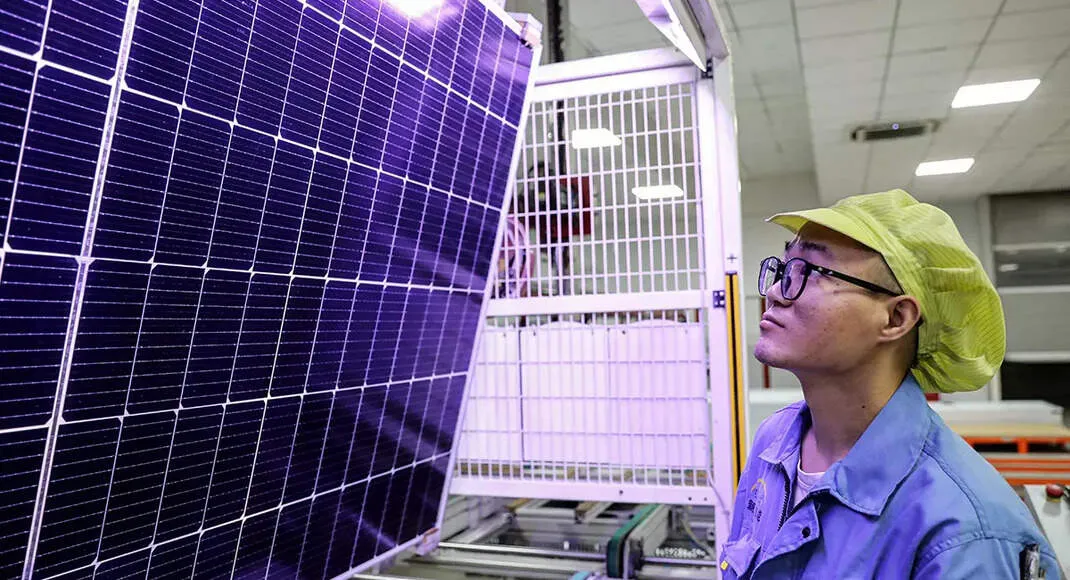
Coal India has dissolved its solar manufacturing subsidiary, CIL Solar PV Ltd, effectively shutting down plans to enter integrated solar photovoltaic manufacturing via a special-purpose vehicle. A regulatory filing says the company’s name was removed from the Register of Companies under the Companies Act, 2013, after a Ministry of Corporate Affairs public notice in April 2026. The move ends a proposed 4 GW domestic manufacturing push aimed at reducing reliance on imported solar equipment, though Coal India says it will keep investing in renewables.
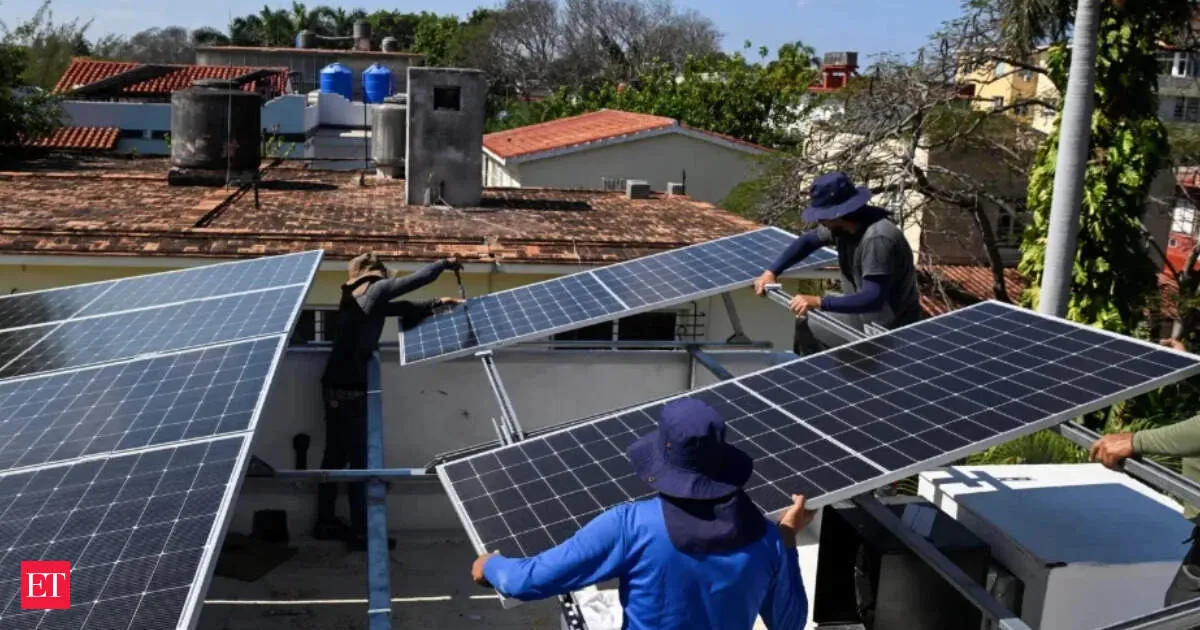
Inox Clean Energy has agreed to buy Boviet Solar’s US solar manufacturing assets for $750 million, including module and cell production units in North Carolina. The acquisition is designed to give Inox Clean a stronger foothold in the expanding US solar market and accelerate its manufacturing and supply capabilities as demand grows.
Your news, in seconds
Get the Beige app — every story in 60 words, updated hourly. Free on iOS & Android.
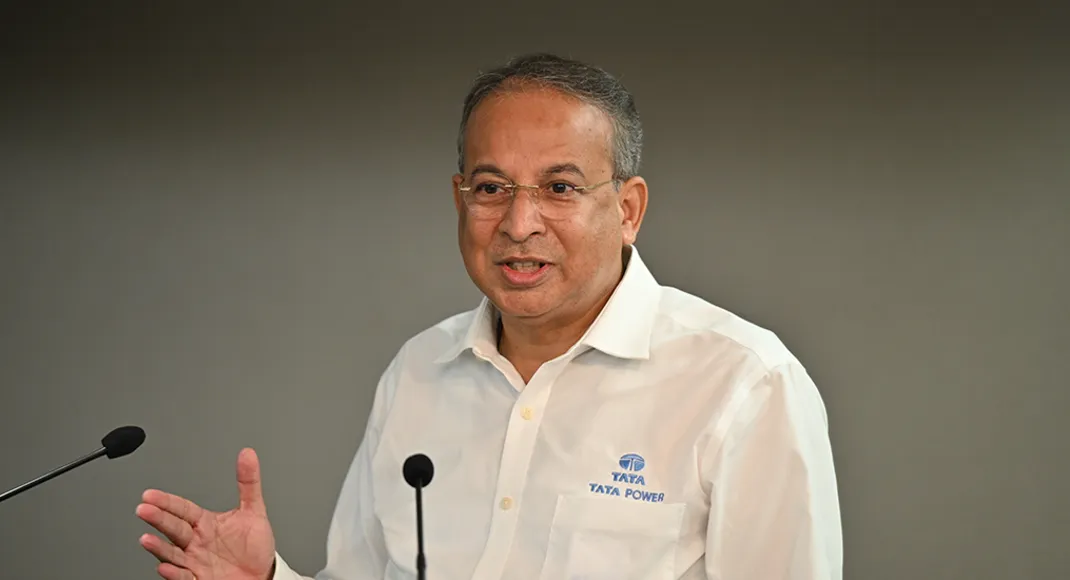
Tata Power shares fell about 7% after its Q4 FY26 profit declined and revenue dropped year-on-year. While the company’s renewables and solar manufacturing businesses expanded strongly, brokerages remain split: some view growth drivers as supportive, while others flag key risks and maintain cautious stances, leading to mixed calls ranging from Buy to Sell.
China has asked the WTO to set up a dispute panel against India’s support measures for solar cells and modules, along with certain IT sector policies. The two countries’ bilateral talks failed to resolve the issue, with Beijing alleging the rules discriminate against Chinese goods. The move follows a similar WTO request made in January over India’s auto and battery incentives.
China’s green tech giants are capitalizing on a shifting energy landscape after the Iran war triggered fuel cost shocks. Firms such as Jinko Solar, Chery and BYD report rising demand for EVs, batteries, and solar panels as consumers and businesses in import-dependent markets seek cheaper, homegrown alternatives to expensive fuel.
Waaree Energies is looking to expand aggressively in the United States, with plans that may include building a solar cell manufacturing facility. The move comes after the company increased its solar module manufacturing capacity. Waaree wants to gain market share in the growing US solar sector while also continuing to build an energy transition ecosystem in India.
Never miss a story
Set alerts for the topics and sources you care about. Download Beige for free.
Gujarat has rolled out battery energy storage systems totaling 870 MW across five locations to keep the renewable power grid stable. The state has also registered 13 more battery projects and added BESS to Modhera, its first solar village. Officials say the move reinforces Gujarat’s leadership in India’s rapidly growing battery storage ecosystem.
Adani Green Energy Limited has set up fresh companies to drive clean power generation. The step-down subsidiaries were incorporated through its wholly owned unit, Adani Renewable Energy Sixty Four Limited, and are designed to focus on renewable generation. The move reinforces Adani Green’s role in developing and operating solar, wind, and energy storage solutions.
India will testify before the US Trade Representative on May 8, pushing back against US allegations of excess manufacturing capacity. Trade officials and industry representatives will address claims tied to petrochemicals, steel, and solar modules. India argues that trade surpluses are driven by broader macroeconomic factors, not unfair overcapacity. The hearing forms part of a wider US review of trade practices.
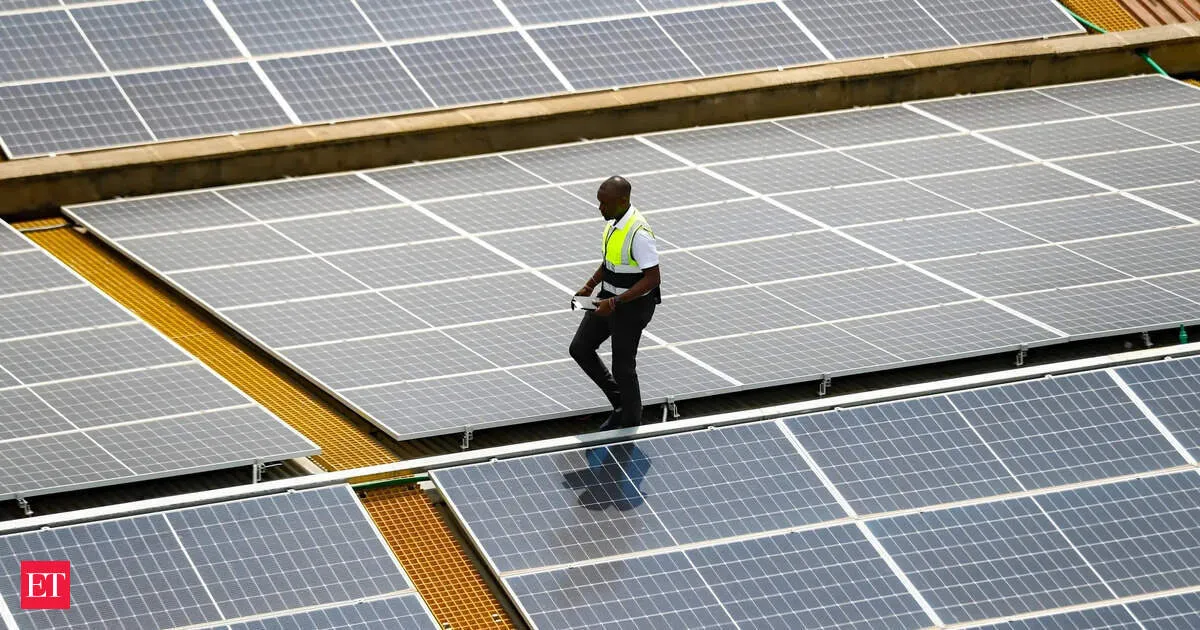
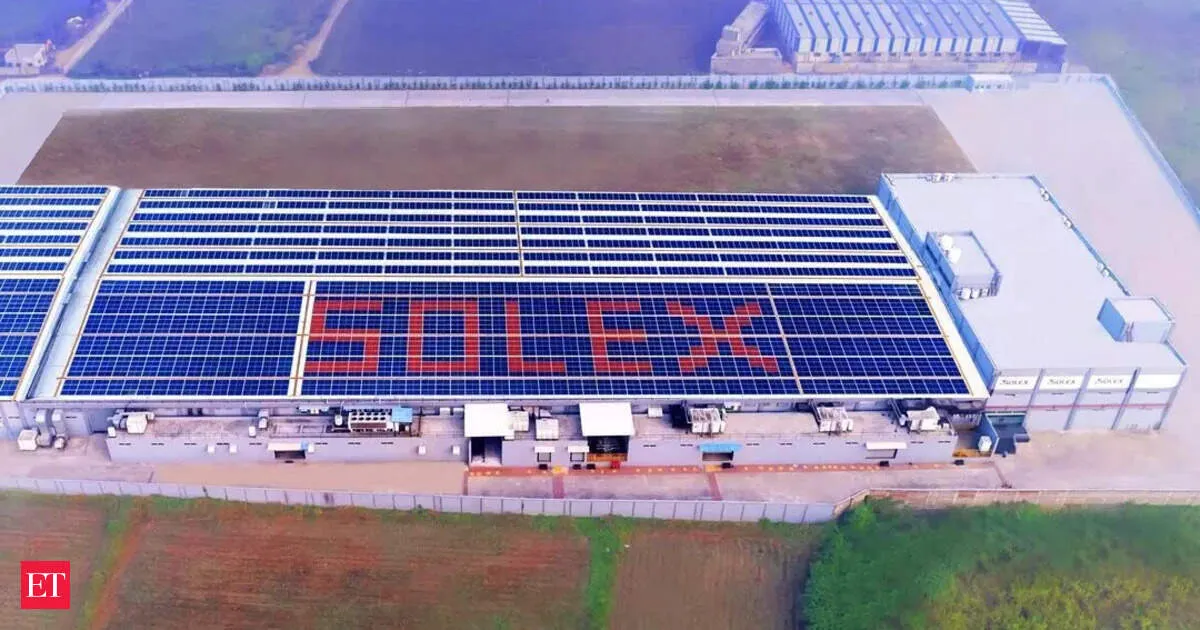
Solex Energy is set to invest Rs 4,000 crore in Gujarat to build a solar cell manufacturing facility alongside a battery energy storage system (BESS) project. The plan includes a 5-GW solar cell plant and a 10-GW BESS capacity, aiming to strengthen clean-tech manufacturing in the state, create jobs, and support India’s renewable energy push.
Reading on mobile?
Open Beige in the app for a smoother experience — free on iOS and Android.
India met a record peak power demand of over 256 GW on April 25, 2026, with renewable sources such as solar, wind and hydro contributing nearly one third. The milestone highlights India’s growing ability to handle peak load using cleaner generation. The government is also pushing grid modernization and expanding capacity to lift renewables further in the power mix.
Emmvee Photovoltaic shares gained around 7% after a strong Q4FY26 showing. Revenue jumped 62% year over year and PAT surged 89%, with results surpassing estimates. Jefferies reiterated a Buy rating and raised its target to Rs 350, pointing to a healthy order book and strong growth visibility, even as margins dipped slightly.
The Karnataka High Court has stayed newly tightened penalties imposed on solar and wind power producers for missing scheduled grid supply targets. The decision follows industry bodies arguing the federal framework is “unilateral.” For now, firms can continue under the older fee structure until the next hearing on June 10, delaying fresh financial risk.
A Karnataka court has temporarily stopped new, stricter penalties for solar and wind producers that deviate from scheduled grid supply. Industry groups challenged the rules, saying they were introduced without sufficient public consultation and failed to account for weather-driven variability in renewable generation. The order keeps the older penalty regime in place until the next hearing.
Follow your favourite sources
Track sources, tags and categories — all in the Beige app.
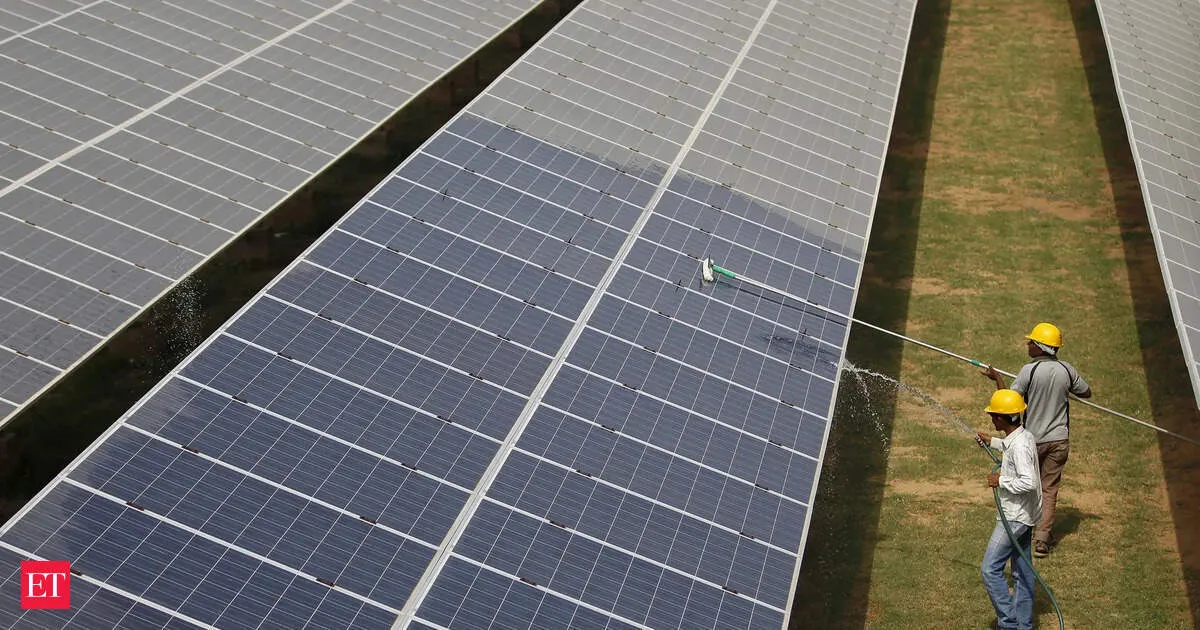
The US has imposed steep preliminary anti-dumping duties of 123% on Indian solar cells and modules, a move the Indian solar industry says is unlikely to cause major immediate damage to exporters. Still, it raises concerns for the sector as the case progresses, adding pressure to an already competitive global market.
The US Commerce Department has announced preliminary antidumping duties on solar cells and panels imported from India, Indonesia, and Laos, alleging the products were sold in the US at unfairly low prices. The move could reshape costs and competition for exporters, while US industry groups backed it. Final determinations are expected later this year.
Borosil Renewables is scaling back after its Europe expansion bet faltered following a China-linked disruption. The company has abandoned its European plans and is redirecting focus toward India’s solar opportunity. The shift raises questions on how Borosil timed its global move and what it needs to execute next to rebuild growth and investor confidence.
Tata Power says it will stop investing in new coal-fired power plants, while targeting a major solar milestone in the fourth quarter of FY25. The company is also preparing to begin a significant hydro project in January 2025, reinforcing its shift toward cleaner energy backed by financial discipline.
Stay informed on the go
Bite-sized news from 100+ trusted sources, right in your pocket.
Reliance Industries is repositioning its energy strategy, moving from offshore gas extraction to building a green power future around Jamnagar’s giga-scale ambitions. The shift reframes older assets like KG-D6 as “fading fumes,” while new solar-driven plans promise cleaner electrons and a new growth narrative for the company’s next phase.
Reports say the top five Chinese solar manufacturers plan a 54% capacity jump by year-end to 465 gigawatts, even as existing supply already exceeds demand. Analysts warn capacity could balloon by 2030 beyond forecast market needs, raising questions among investors about whether the expansion is commercially or strategically justified.
Swipe through stories, personalise your feed, and save articles for later — all on the app.