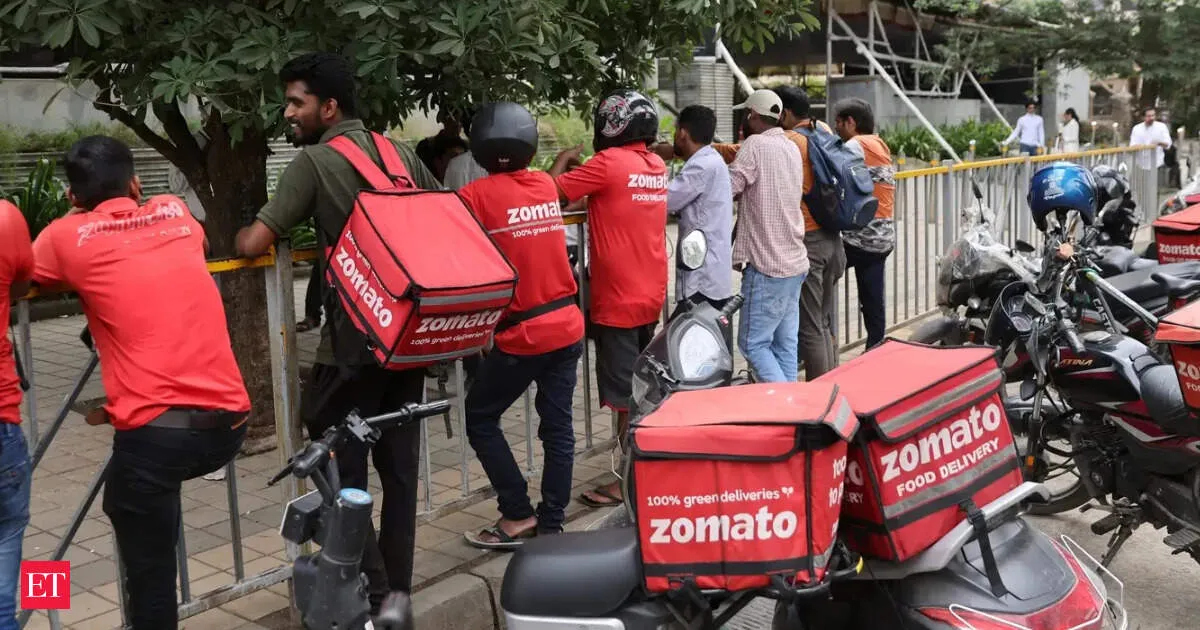
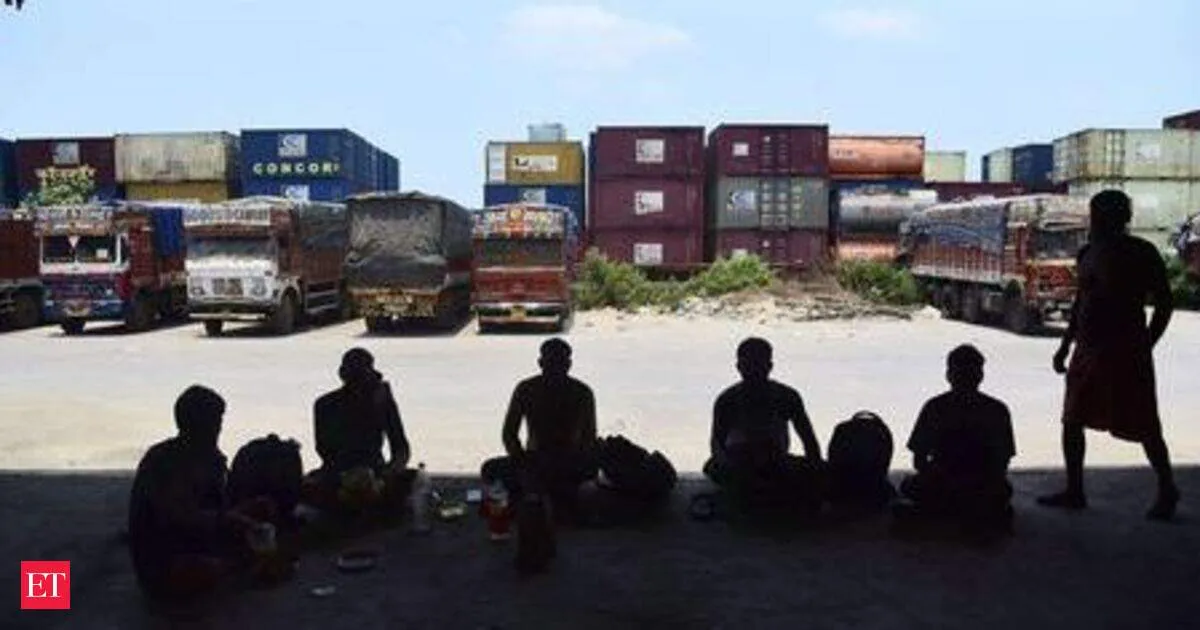
India has notified the Occupational Safety, Health and Working Conditions (Central) Rules, 2026, effective immediately, to implement the OSH&WC Code, 2020. The rules are aimed at inter-state migrant workers and mark a sharp break from the 1979 contractor-focused regime, which left self-driven migrants largely invisible. Key changes include recognizing self-moved workers, requiring standardized appointment letters, setting up a digital database, enabling portable ration cards, and introducing journey and displacement allowances tied to worker tracking systems.
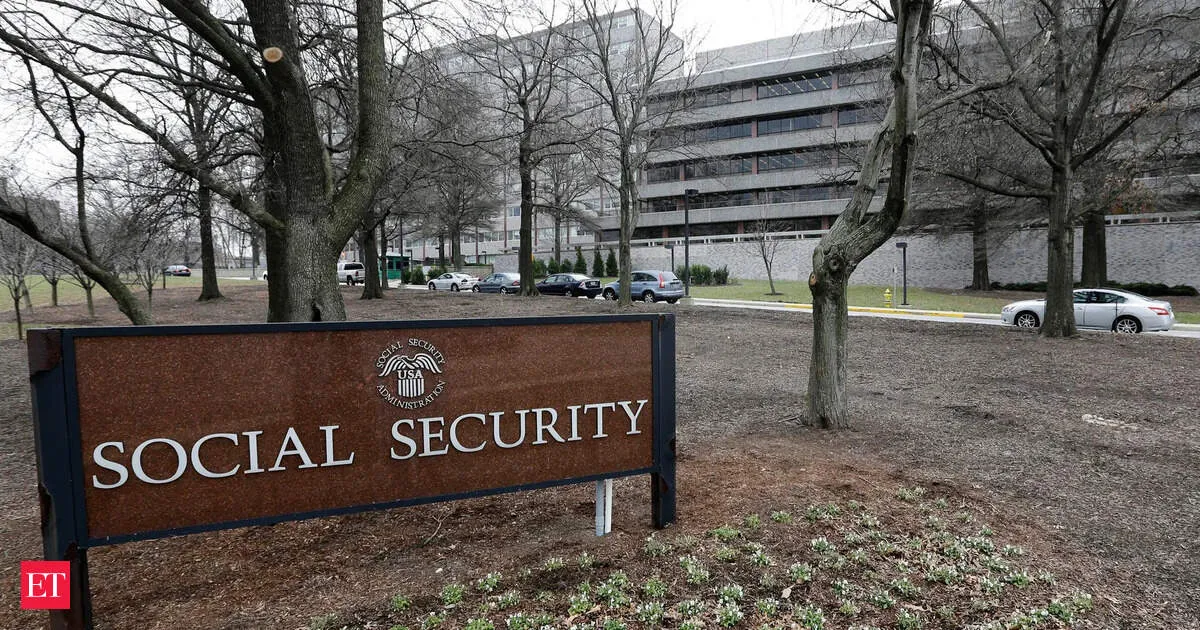
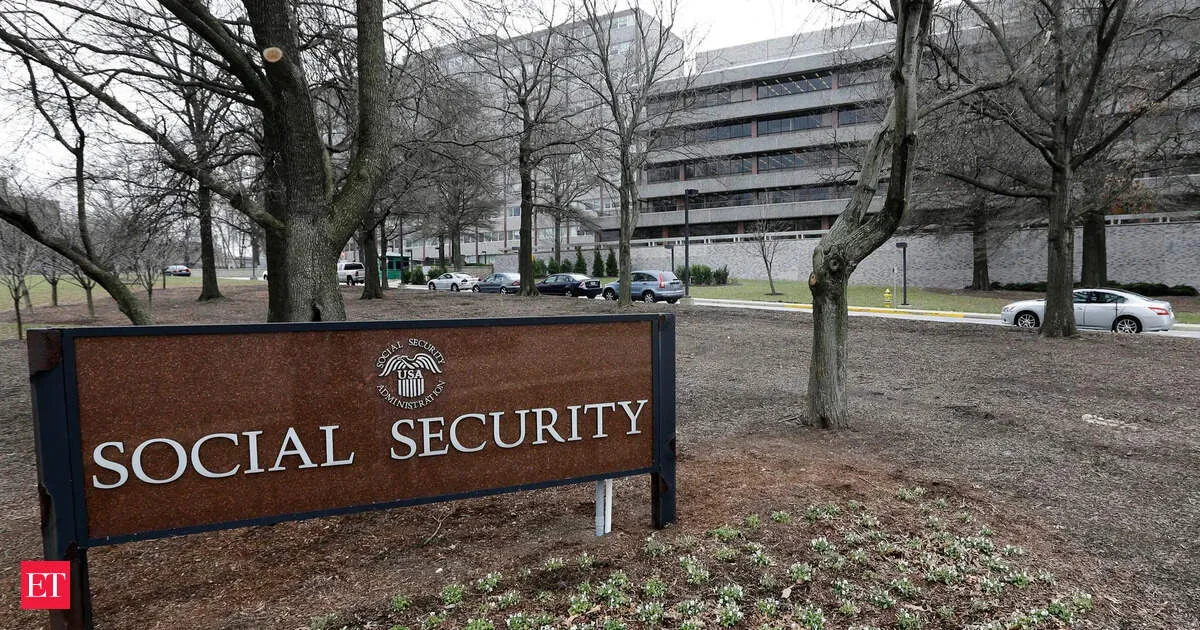
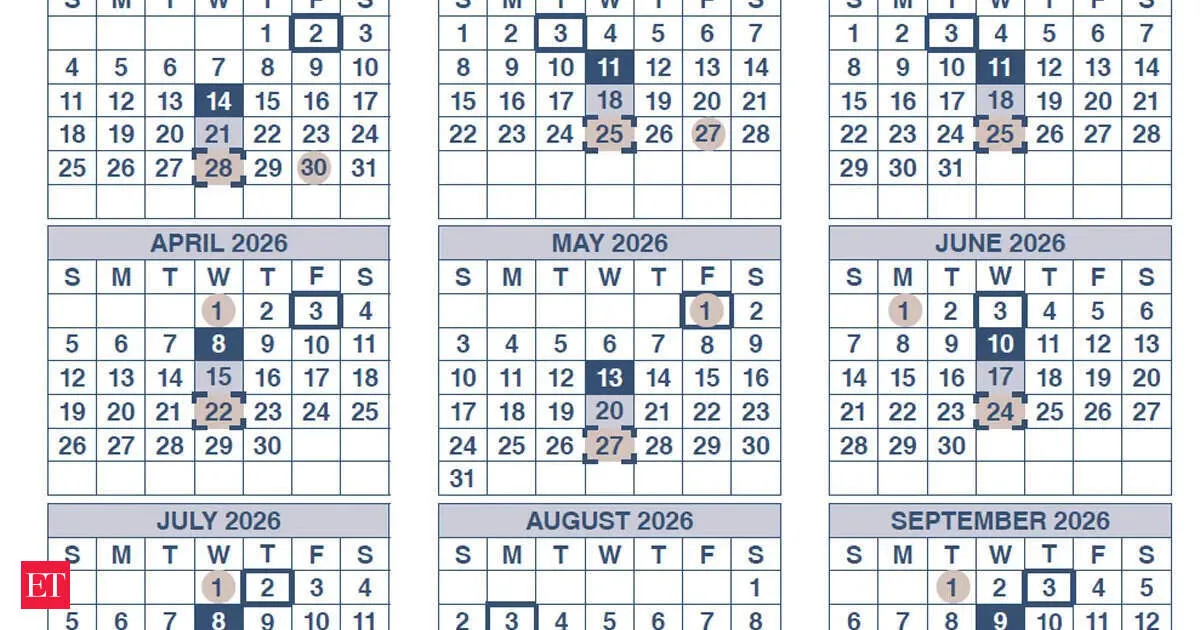
Americans are set to receive Social Security benefits this week, with Wednesday, May 13 marking the first scheduled tranche for May. Payments typically follow a Wednesday cycle, and the key determinant is recipients’ birth dates: those born between the 1st and 10th are expected to get their monthly checks first. The story also connects to the annual cost-of-living adjustment, with Reuters reporting a 2.8 percent rise in 2026 tied to inflation data, affecting about 75 million beneficiaries.
Your news, in seconds
Get the Beige app — every story in 60 words, updated hourly. Free on iOS & Android.
India has fully operationalised four new labour codes, consolidating 29 existing laws into a single modern framework. The government says the overhaul strengthens worker protection while making compliance easier for businesses. Key promises include equal pay for equal work and universal social security, with officials positioning the move as both pro-poor and industry-friendly.
Social Security May 2026 payments are rolling out in a staggered schedule tied to birth dates, a system used since 1997. SSI recipients got their checks on May 1. Retirement, disability, and survivor benefits land on May 13, May 20, and May 27, with exact timing determined by birth month.
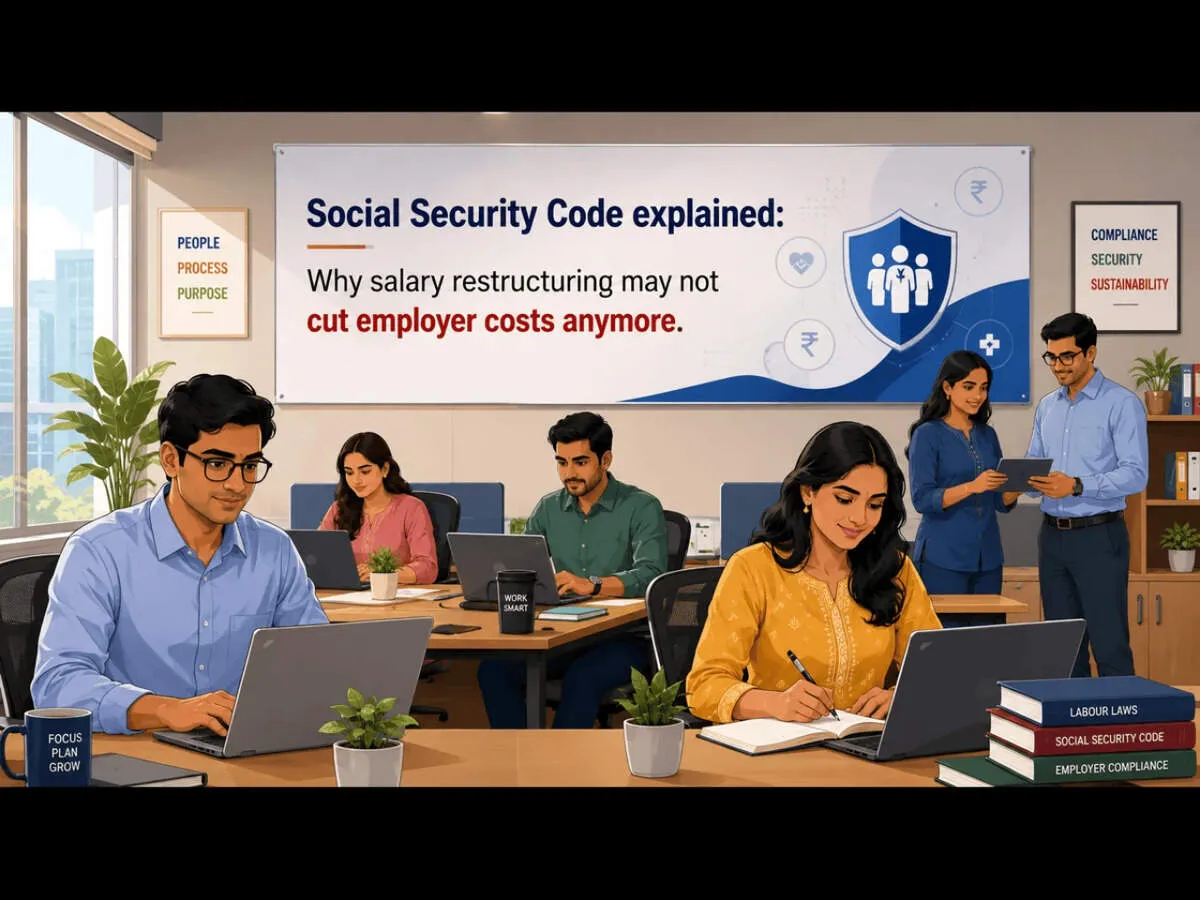
India’s Social Security (Central) Rules, 2026 update compliance under the Code on Social Security, 2020 and expand the definition of wages, raising employer social security and gratuity liabilities. Employers may want to restructure salary components to manage these costs, but Section 124 restricts any move that reduces employee wages or benefits to offset the additional liabilities.
The government has mandated that gig aggregators register workers by uploading their details to a central portal within 45 days under the Code on Social Security, 2020. If social security contributions are delayed, a 12% annual interest charge applies. The new compliance rules also require real-time recording of worker appointments and exits, tightening monitoring and reporting.
Never miss a story
Set alerts for the topics and sources you care about. Download Beige for free.
The Finance Ministry has tightened procurement rules for government contracts, requiring strict compliance with labour laws. Contractors that fail to pay wages or deposit social security contributions can be debarred for up to three years. To enforce the change, ministries and departments will verify contractor compliance every month, targeting protections for outsourced and contractual workers.
New rules say gig aggregators will be charged 12% annual interest if they delay social security contributions for their workers. Aggregators must upload worker details to a central portal within 45 days, and must register new joins and exits in real time or daily, depending on the requirement. The move aims to ensure gig workers get timely social security benefits.
A May 8, 2026 office memorandum from India’s Department of Expenditure directs central ministries and agencies to link procurement with Labour Code protections. The move operationalises worker safeguards while raising the stakes for contractors. Firms that miss timely wage and social security contributions could face strict enforcement actions, including debarment and blacklisting, affecting future government contracts.
India has fully implemented four new labour codes by publishing the supporting rules, effective November 21, 2025. The move consolidates 29 existing laws into a single framework focused on minimum wages and universal social security. It also strengthens worker protection while easing compliance for businesses, including mandatory appointment letters and a National Reskilling Fund for upskilling workers.
Reading on mobile?
Open Beige in the app for a smoother experience — free on iOS and Android.
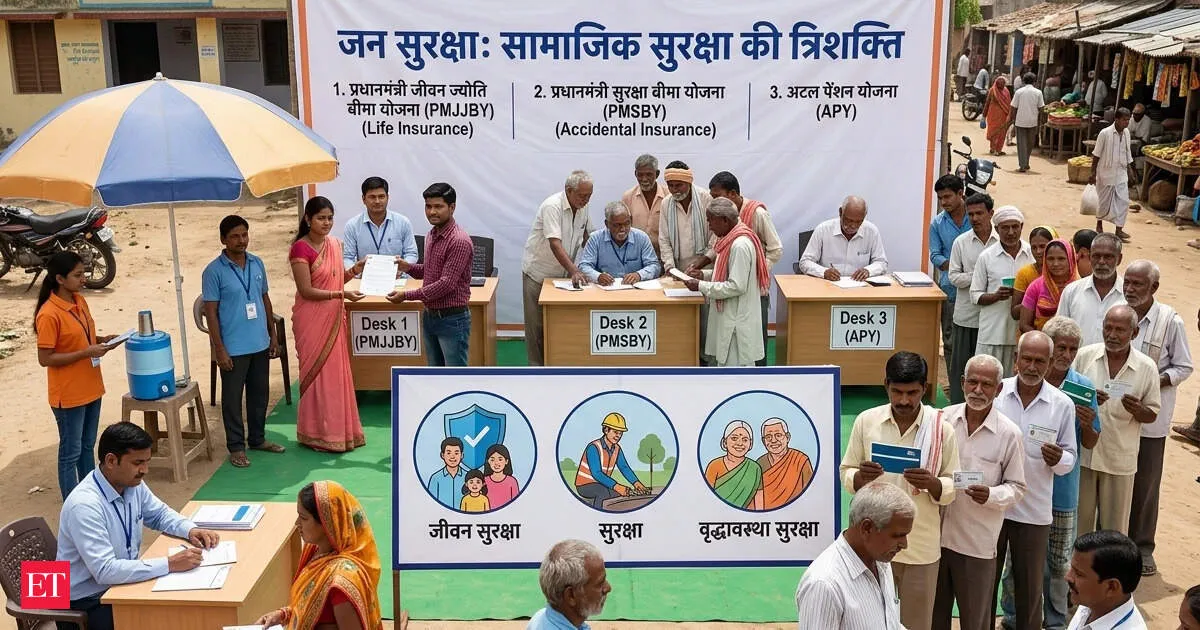
The government is considering a major expansion of benefits under its Jan Suraksha insurance schemes, including PMJJBY, PMSBY, and APY. The move aims to strengthen social safety nets for low income households and informal sector workers by potentially increasing the sum insured, offering greater financial protection.
Men’s average Social Security benefit is projected around $2,282 per month in 2026, and that figure is real and current. But it still won’t fully cover costs for many retirees as inflation erodes purchasing power and expenses rise faster than benefits. Payments depend on 35 earning years, so the “average” can mislead.
A Medicare provider database on CMS reportedly stayed publicly accessible for weeks, raising fears that Social Security numbers could be exposed and used for identity theft. Officials say Medicare beneficiaries were not directly impacted, but cybersecurity experts warn that even without a breach by hackers, leaked SSNs can enable fraud and long-term identity risk. Here is how to check your exposure.
Many Americans relying on Social Security noticed their May 2026 payments arriving later than expected. The SSA says the official schedule hasn’t been altered, but a calendar shift can make benefits appear delayed at first glance. With nearly 75 million recipients, even small timing differences raise worry, especially early in the month.
Follow your favourite sources
Track sources, tags and categories — all in the Beige app.
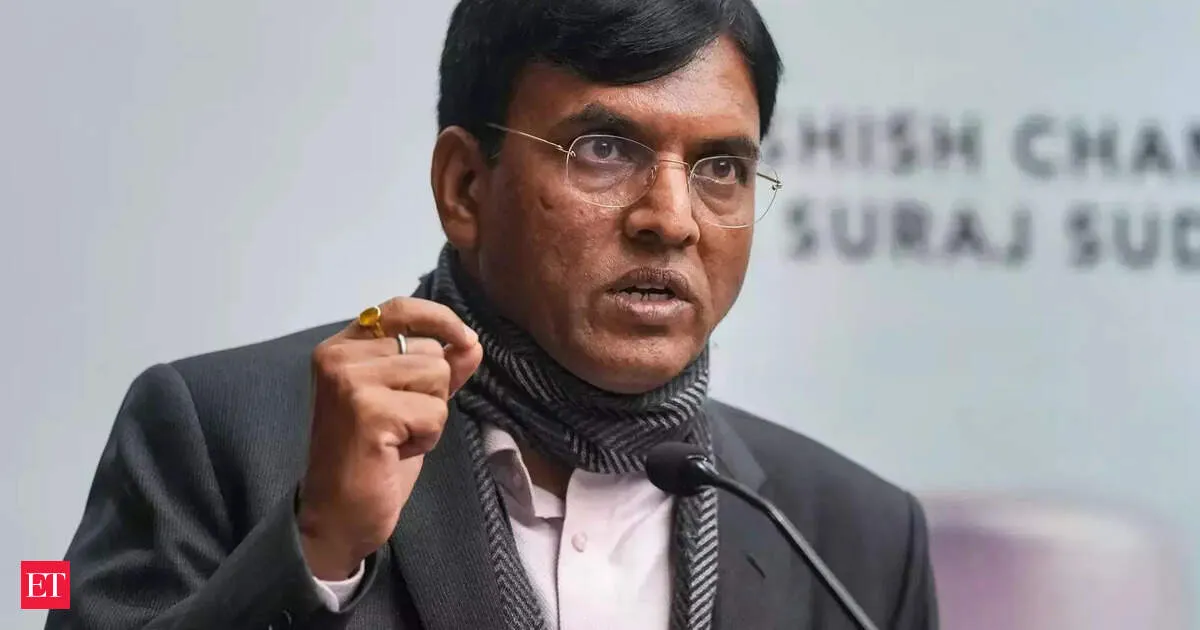
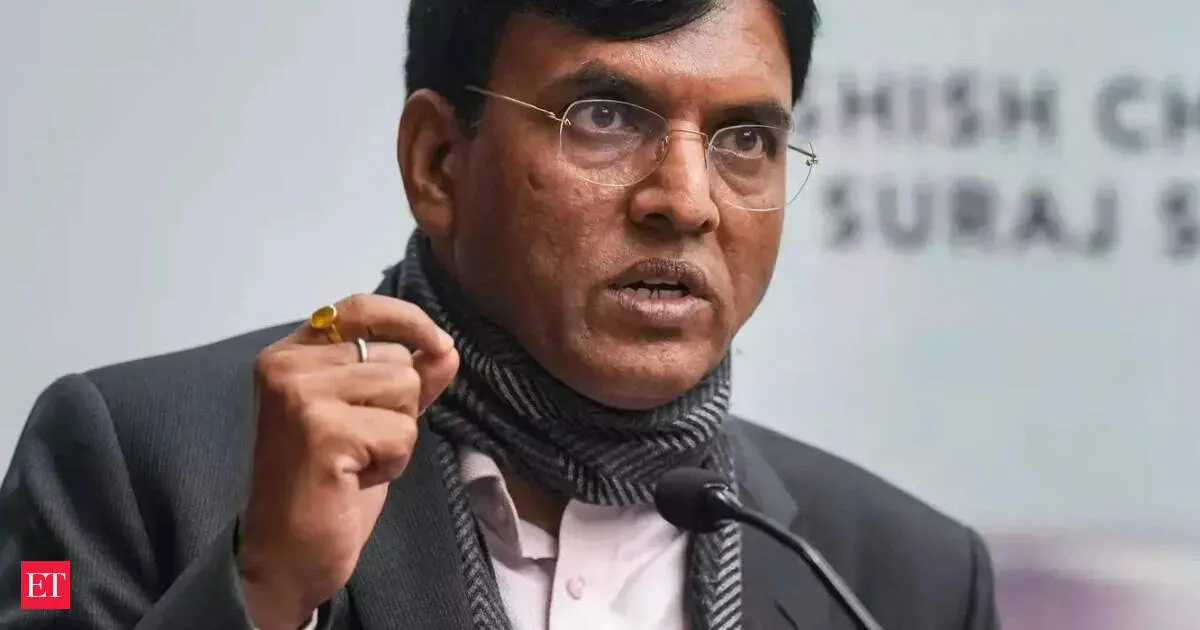
Union Minister Mansukh Mandaviya will inaugurate a nationwide free annual health check-up initiative for workers aged 40 and above on May 7, 2026. The program, tied to the new Labour Codes, is designed to boost social security and worker well-being, and will be rolled out through 11 ESIC hospitals starting from New Delhi.
A new US Social Security benefit cap proposal for 2026 is gaining traction as lawmakers confront a projected $230 billion annual funding shortfall. The plan would limit annual payouts to $100,000 for couples and $50,000 for individuals, with experts tying it to growing pressure on the trust fund’s solvency by 2032. While fewer than 2% of retirees would be affected, the policy could reshape retirement income debates.
Social Security payments for May 2026 begin this week, with more than 70 million Americans relying on the monthly checks. The Social Security Administration starts issuing payments for early retirees and SSI beneficiaries on May 1, using a staggered schedule. While some can receive as much as $5,181, it depends on strict earning history and delayed claiming—most receive closer to the national average.
Social Security beneficiaries will face an unusual wait in May 2026. With the month starting late in the week, the first Wednesday falls deeper into the calendar, shifting the payment schedule. Instead of arriving earlier, many first checks land on May 13, creating a gap of over 30 days for some retirees—despite no policy changes.
Stay informed on the go
Bite-sized news from 100+ trusted sources, right in your pocket.
Social Security payments for May 2026 reflect a 2.8% COLA, lifting average retirement checks to about $2,071. When you get paid depends on your birth date, while SSI recipients receive their payment on May 1. The headline number is a maximum benefit up to $5,181, typically for people who delay claiming until age 70.
A proposed Social Security Administration rule could reduce or eliminate SSI benefits by treating certain household living space as income for people receiving SSI while living with family. The change could affect up to 400,000 individuals, with disabled adults and low-income seniors hit hardest, especially those who rely on shared housing for daily support.
Swipe through stories, personalise your feed, and save articles for later — all on the app.