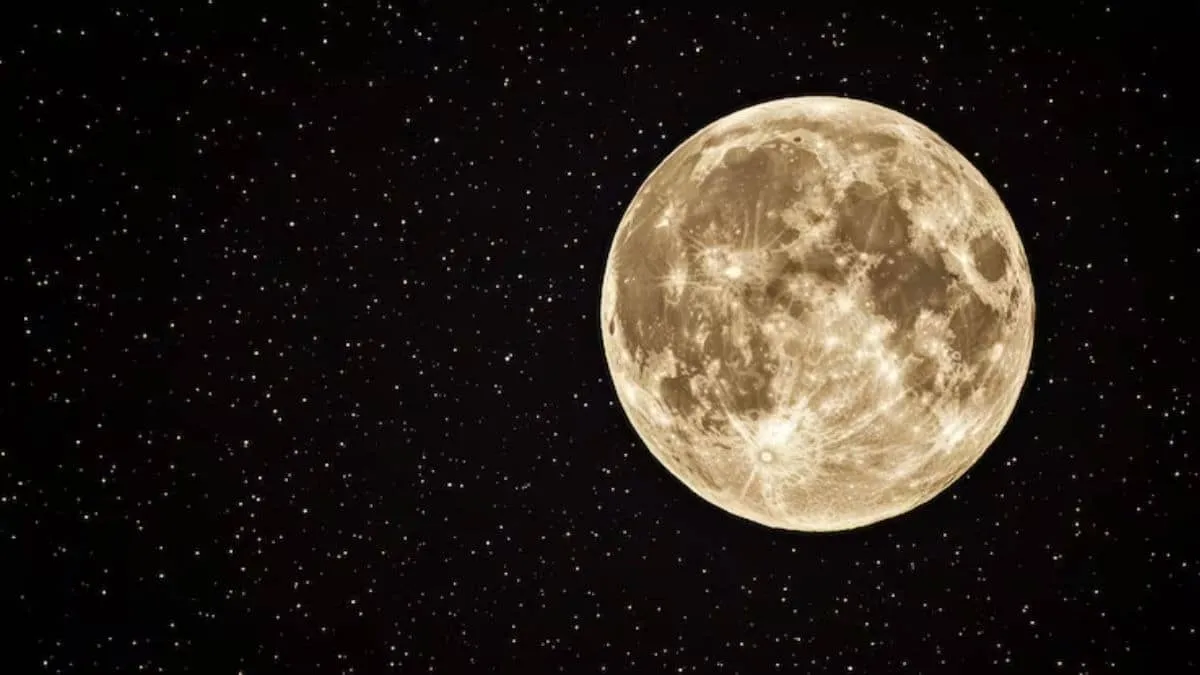
Across cultures, full moons are long blamed for restless sleep and strange behavior. While science remains mixed, research published by Harvard Medical School and in Science Advances suggests moon phases may slightly affect sleep—people reportedly fell asleep later and slept less during certain phases. Still, effects appear small and may be influenced by other factors.
Doctors and sleep experts say sleeping on your stomach can cause chest pain, breathing problems, and poor spinal alignment. They warn the posture may contribute to costochondritis, inflammation around the ribs and breastbone, by adding pressure to the chest and airways during sleep. Harvard Medical School and the Sleep Foundation point to side sleeping or well-supported back sleeping as healthier alternatives.
Your news, in seconds
Get the Beige app — every story in 60 words, updated hourly. Free on iOS & Android.
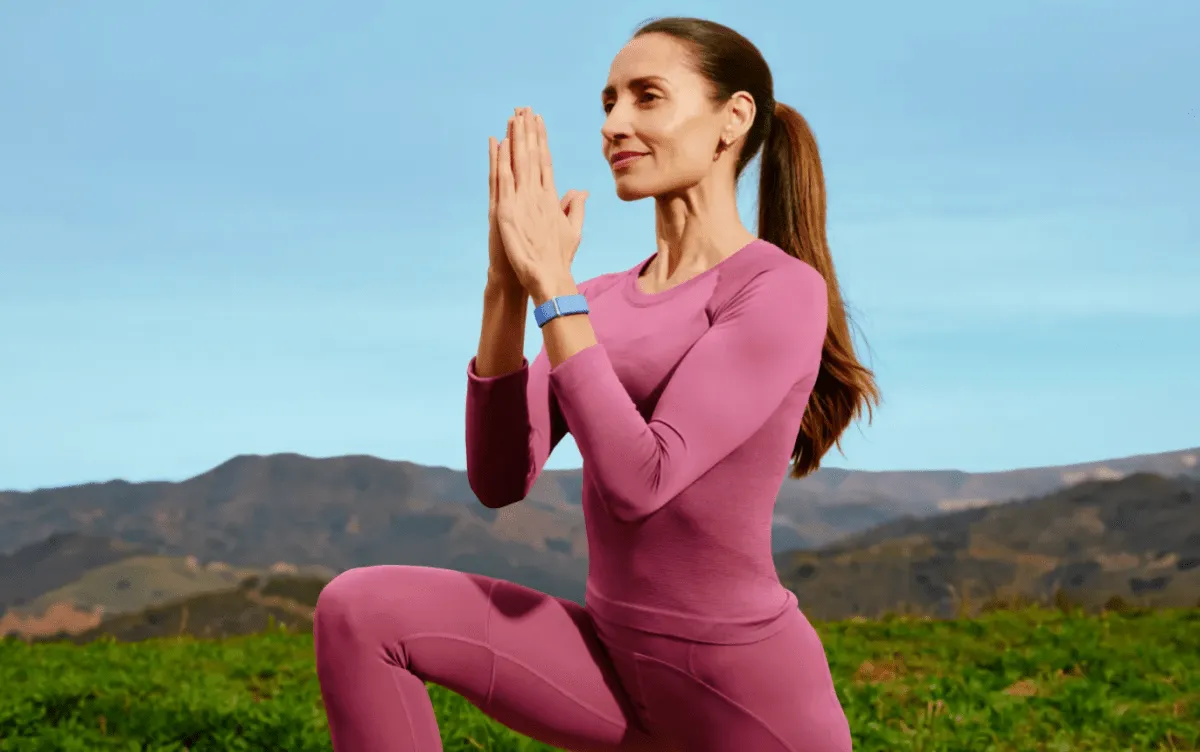
Google has unveiled a screenless Fitbit Air that targets always-on health tracking. The wearable promises 24/7 heart rate, heart rhythm monitoring with Afib alerts, SpO2 readings, resting heart rate, heart rate variability, and detailed sleep stages and duration, positioning it as a Whoop-like alternative focused on continuous insights rather than display-based interaction.
A new large-scale study suggests a sleep “sweet spot” of about 7 to 8 hours nightly may lower dementia risk. Researchers found the brain-health benefits are even stronger when paired with regular exercise and fewer sedentary hours. The findings point to practical daily habits that could meaningfully reduce the odds of developing dementia later in life.
Swipe through stories, personalise your feed, and save articles for later — all on the app.