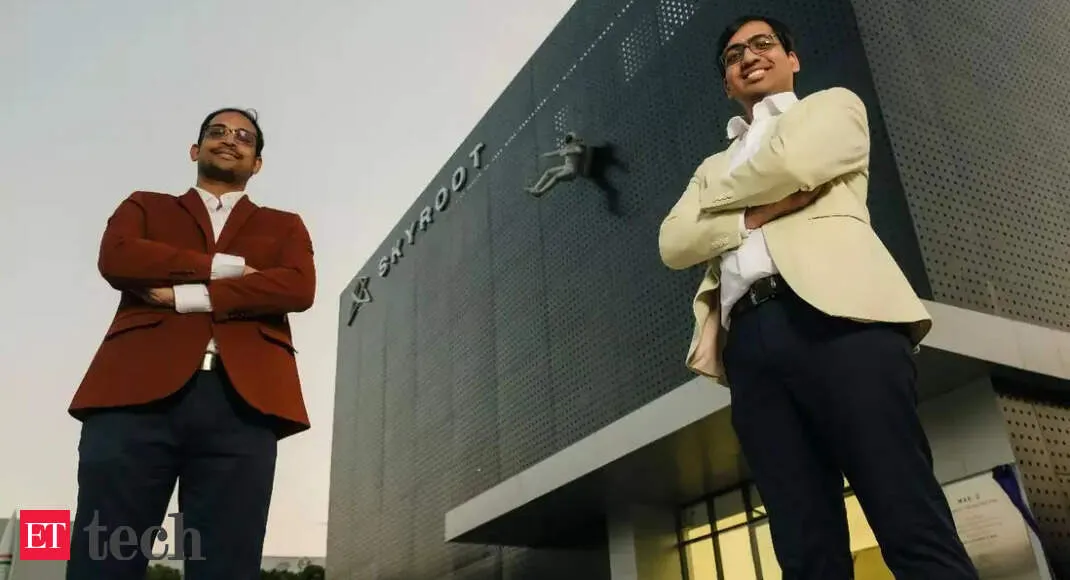
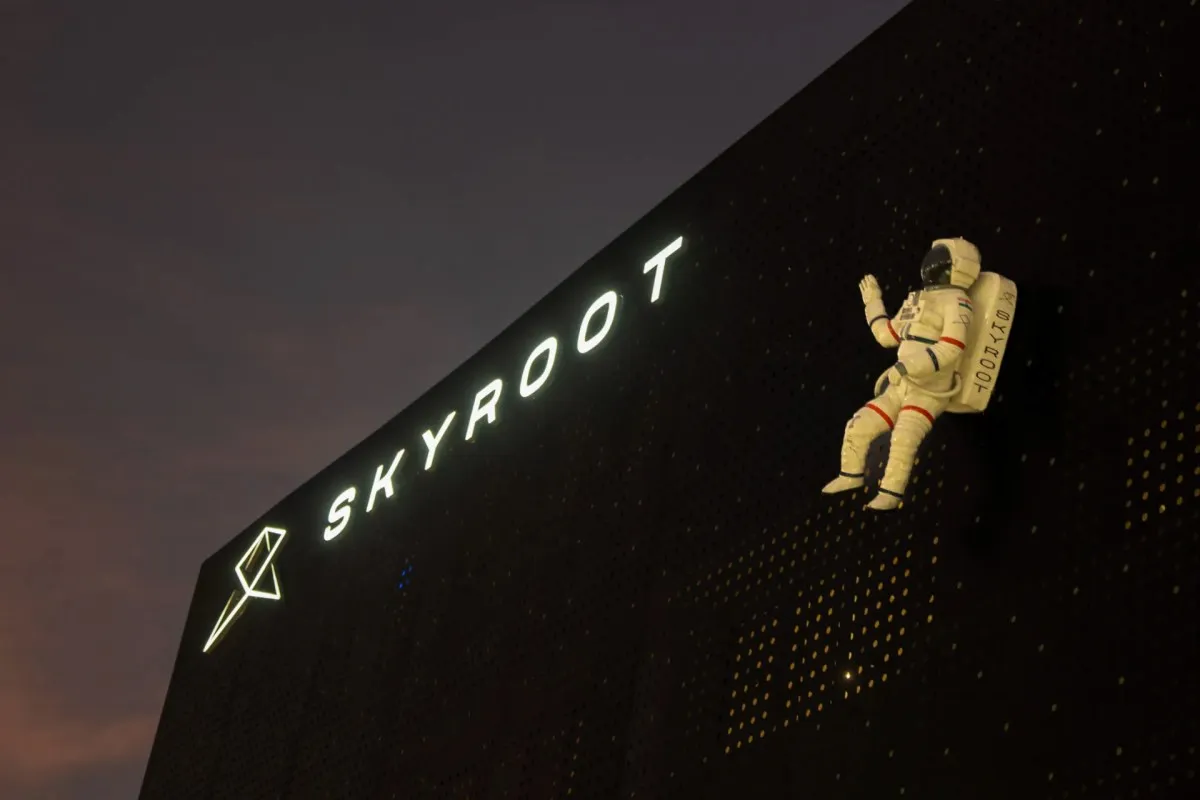
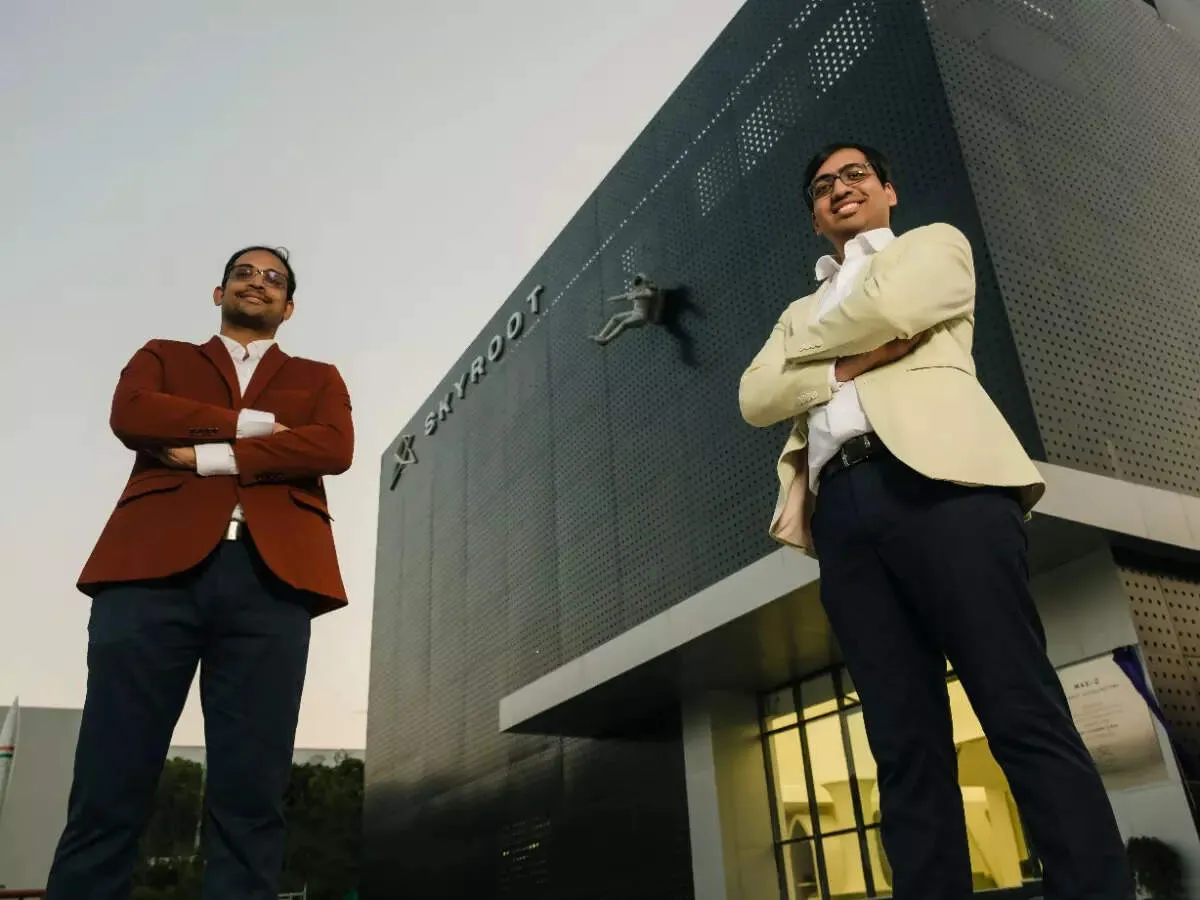
Skyroot Aerospace, India’s first spacetech unicorn valued at $1.16 billion, is gearing up for its Vikram-1 orbital launch while targeting global demand from the US, Europe, and Southeast Asia. The company says growth will be driven by rising demand for customized satellite launches and efforts to broaden access to space beyond a few traditional players.
Hyderabad based Skyroot Aerospace has become India’s first space launch vehicle unicorn as it gears up for the Vikram 1 rocket. The milestone signals momentum for India’s private space ecosystem, with big economic upside. Yet unclear government decisions on technology transfer could determine whether firms like Skyroot and Agnikul Cosmos accelerate or hit regulatory fog.
Your news, in seconds
Get the Beige app — every story in 60 words, updated hourly. Free on iOS & Android.
Skyroot Aerospace has crossed a major milestone, becoming India’s first spacetech unicorn after its latest funding round. In the same ETtech Top 5 roundup, another trend stands out: the AI pay gap is growing, signaling widening differences in how technology skills are rewarded across roles and talent pools.
Skyroot, the Indian rocket startup, has emerged as the country’s first space technology unicorn as it prepares for India’s first private orbital launch. Its valuation has reportedly more than doubled since 2023, underscoring fast-growing investor confidence in NewSpace ambitions and raising expectations for a landmark milestone in India’s commercial space race.
Skyroot has become India’s first space unicorn after securing a new fundraising round that values the company at $1.1 billion. The milestone arrives as India’s broader unicorn growth has cooled since the post-Covid boom, hinting that a renewed wave could come from space and deep-tech startups. The raise signals investor appetite for early space capabilities.
Spacetech startup Skyroot Aerospace has raised $60 million, doubling its pre-money valuation to $1.1 billion and putting it on track to become India’s first spacetech unicorn. The round was co-led by Sherpalo Ventures and Singapore’s GIC, with other major investors joining. Skyroot plans faster Vikram-1 launches and ramps up Vikram-2 development as it prepares for an orbital debut in coming weeks.
Never miss a story
Set alerts for the topics and sources you care about. Download Beige for free.
Skyroot Aerospace, India’s first private rocket startup, has raised $60 million led by American investor Ram Shriram’s Sherpalo Ventures. The round values the Hyderabad-based company at $1 billion, making it India’s first space-tech unicorn. The fresh capital is set to accelerate launch vehicle development, including progress toward the upcoming Vikram-1 orbital launch.
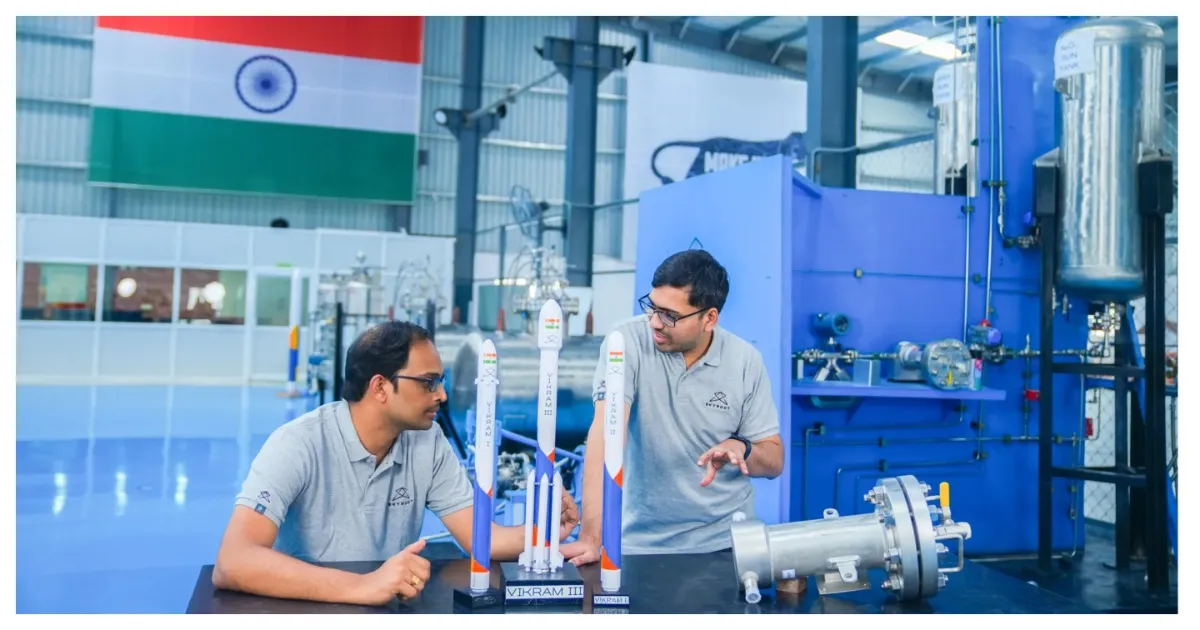
Skyroot Aerospace says its Vikram-1, India’s first privately built orbital rocket, is set to launch from Sriharikota within weeks. The test flight is designed to collect key performance data for upcoming commercial missions, using ISRO infrastructure and carrying varied payloads. A successful attempt could quickly elevate Skyroot’s role in India’s fast-growing private space ecosystem.
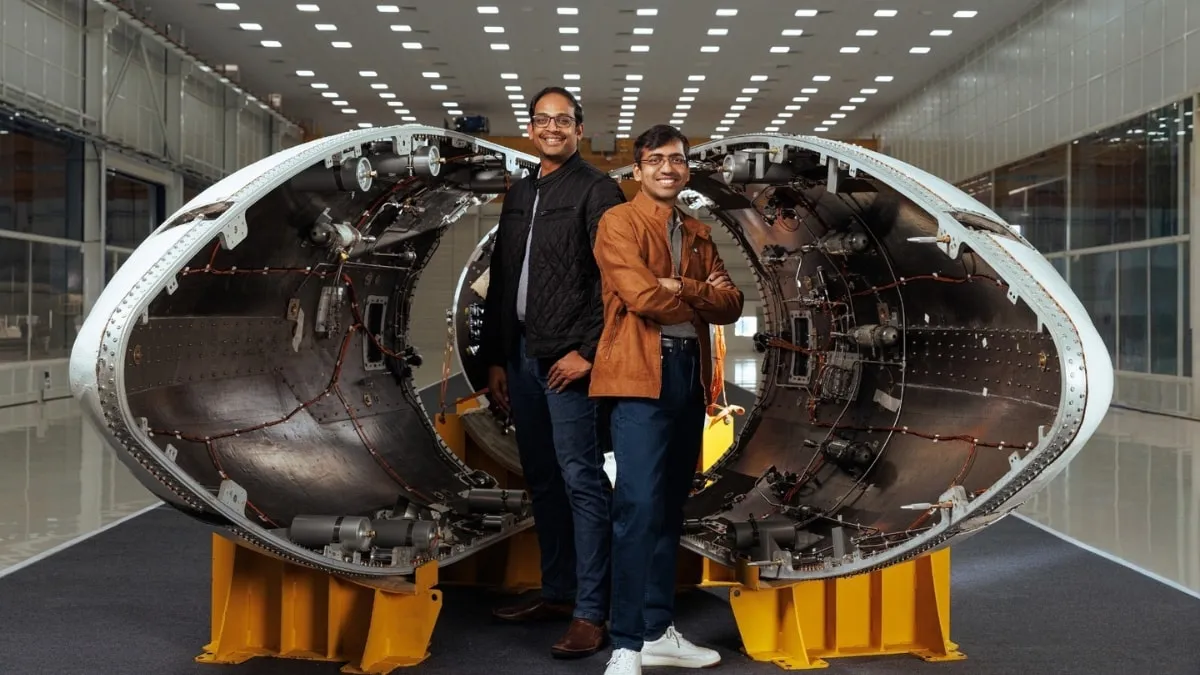
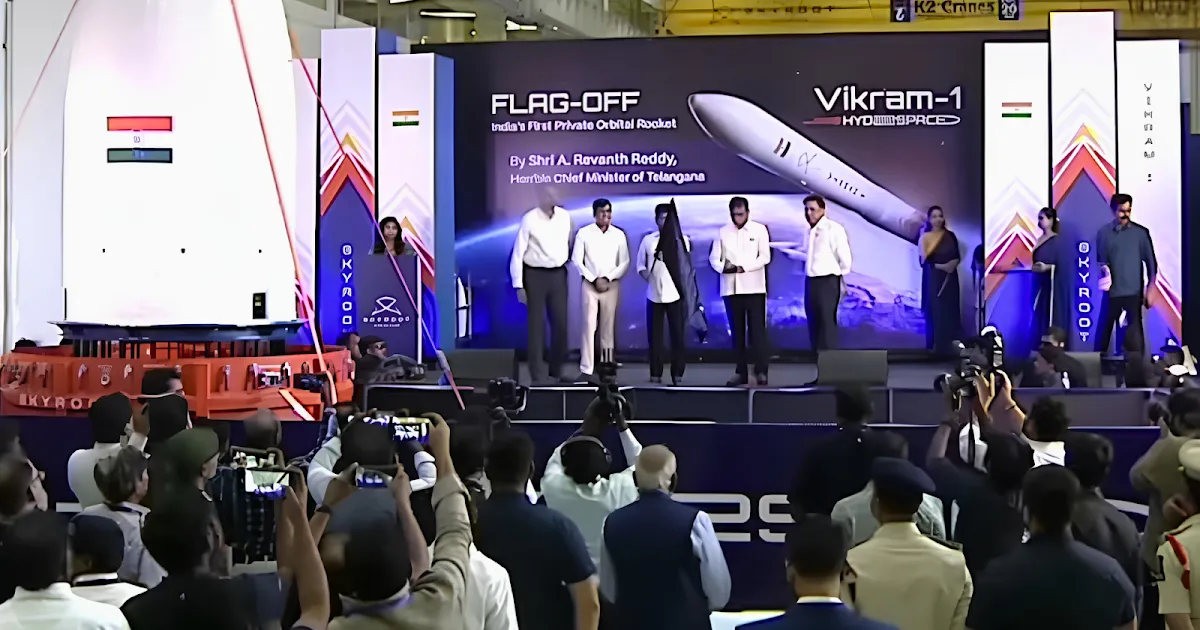
Telangana’s Chief Minister and Industries Minister flagged off Skyroot Aerospace’s Vikram 1 hardware at the Max-Q campus in Hyderabad, signaling India’s first privately developed orbital rocket push. The three-stage, carbon-composite vehicle aims to loft up to 350 kg of small satellites to low Earth orbit, with launch targeted for June 2026 under IN-SPACe and ISRO oversight.
Hyderabad startup Skyroot Aerospace is preparing to launch Vikram-1, billed as India’s first private orbital rocket. The company says its goal is to make orbital spaceflight routine by offering mission-focused launches for different orbital requirements. With Vikram-1 designed for targeted and specialized missions, Skyroot is positioning orbital rockets as a scalable, repeatable service—rather than a rare event.
Reading on mobile?
Open Beige in the app for a smoother experience — free on iOS and Android.
Swipe through stories, personalise your feed, and save articles for later — all on the app.