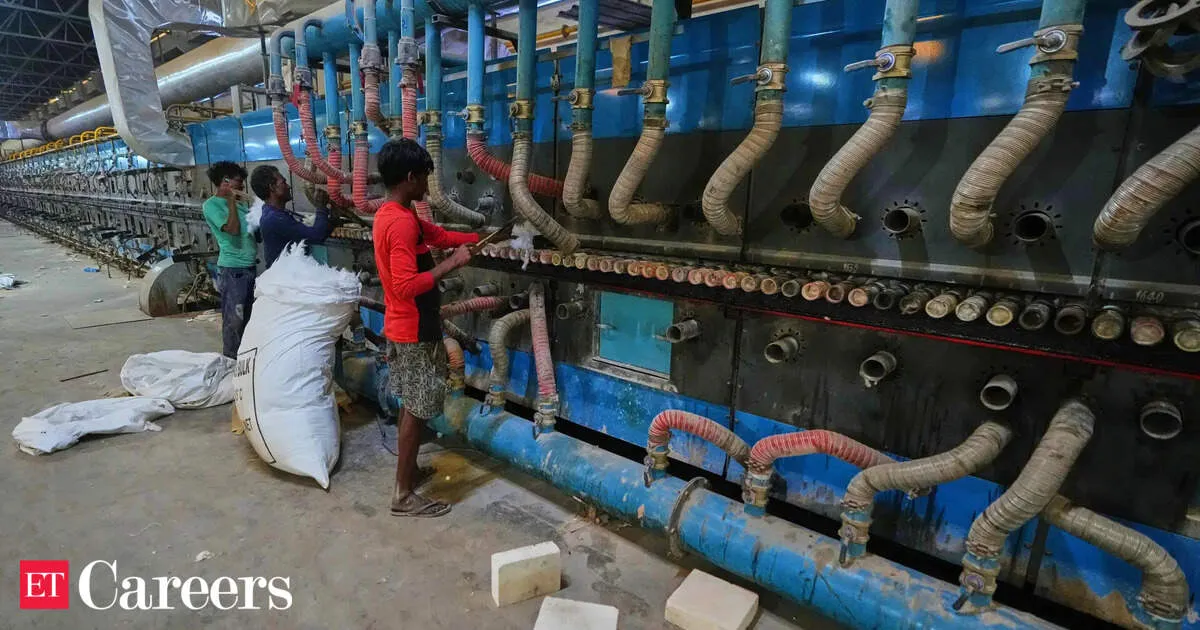
Skills Secretary Debashree Mukherjee said large industries could be allowed to engage apprentices up to 25% if they already met the 15% requirement in the past three years. Firms would also need to pay at least 30% above the mandated minimum rates and retain employment for at least 35% of apprentices, tying expansion to outcomes.
India’s blue-collar wages are rising 5–6% annually, fueled by steady demand and performance-based incentives, according to Deloitte’s ‘Blue-Collar Workforce Trends 2025’. The report also notes a 10% jump in hiring intent in 2025, powered by manufacturing, automotive, e-commerce, and logistics as companies chase skilled talent.
Your news, in seconds
Get the Beige app — every story in 60 words, updated hourly. Free on iOS & Android.
A new study finds India’s future workforce demand is converging on AI, cybersecurity, digital and data skills, with companies increasingly favoring certifications over degrees. To close widening talent gaps, employers are raising learning budgets and adopting diversity-led, inclusive skilling programs designed to match rapidly evolving industry needs.
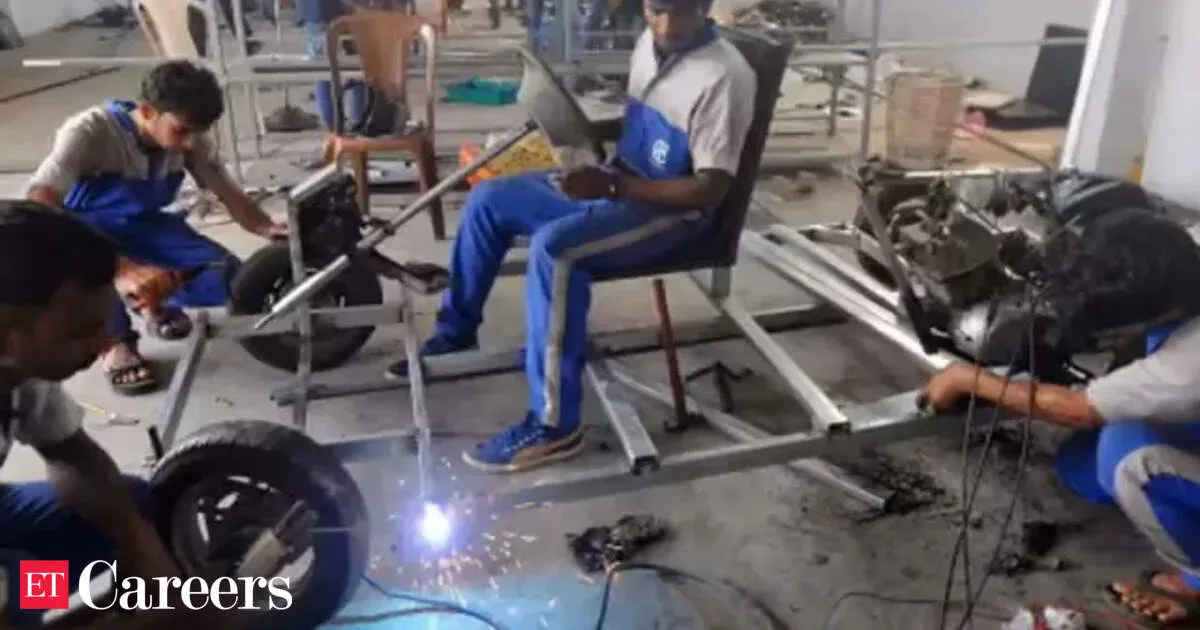
The government has made 150 hours of on-the-job training mandatory for ITI trainees, cutting classroom training time. States and union territories are required to provide accidental insurance, travel, and accommodation. ITI performance evaluation will now include OJT as a grading parameter, shifting skill development toward job readiness with a more structured training framework.
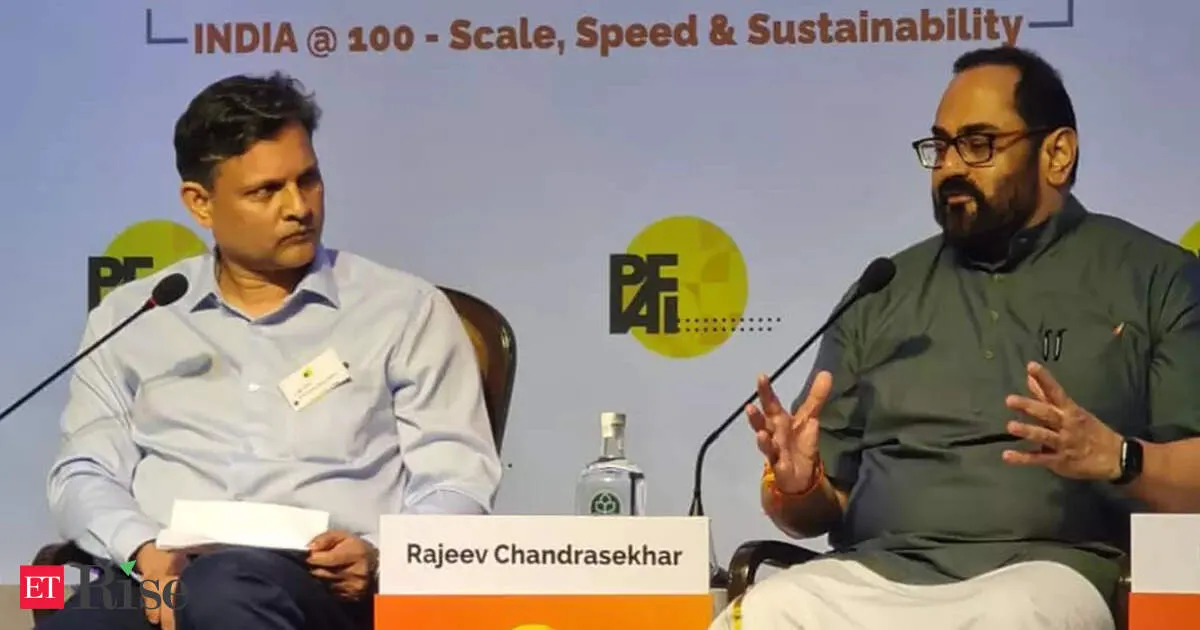
Skill Development Minister Rajeev Chandrasekhar cautioned that attempts to restrict moonlighting are likely to backfire. He argued today’s workforce has a fundamentally different mindset and companies should recognize and leverage this shift instead of ignoring it, suggesting that rigid policies could undermine worker aspirations and business outcomes.
Swipe through stories, personalise your feed, and save articles for later — all on the app.