Flexi cap mutual funds pulled in a record Rs 10,147 crore in April 2026, even as broader equity inflows fell and SIPs softened amid market volatility. AMFI data shows the category rose 1% from March while still posting its highest monthly inflow ever. Experts say this is less about caution and more about comfort with fund managers’ flexible allocation across large, mid and small caps. Flexi cap also commands 26-32% of equity SIPs recently, with multiple funds delivering double-digit returns.
Retail investors put ₹38,440 crore into equity mutual funds in April, down from ₹40,450 crore in March, as oil price uncertainty clouded the outlook for India’s economy. SIP collections also eased to ₹31,115 crore, while the number of SIPs discontinued roughly matched new starts. Still, total assets under management rose 11.49% to ₹81.92 lakh crore, boosted by debt fund inflows and equity market gains. Overseas fund-of-funds saw increased bets, while flexi cap led equity allocations.
Your news, in seconds
Get the Beige app — every story in 60 words, updated hourly. Free on iOS & Android.
Axis Mutual Fund has temporarily suspended new subscriptions to three overseas fund-of-fund schemes—Global Equity Alpha, Global Innovation, and Greater China Equity—from May 13, 2026. In a notice-cum-addendum, it said lump-sum, switch-ins, fresh registrations of systematic transactions, and systematic transactions received after 3:00 PM on May 13 will be rejected. Already-registered SIPs will be paused and any instalments deducted after the effective date will be refunded within applicable timelines, while other scheme terms remain unchanged.
Analyst Sandip Sabharwal warns that foreign selling is driving a currency-stock spiral even as domestic earnings hold up. Strong corporate results and steady SIP inflows are acting as anchors, but retail trading has cooled. He suggests patient investors could benefit from a rebound once global sentiment improves, flagging Indian Hotels as a long-term opportunity.
The mutual fund SIP stoppage ratio remained above 100% for a second month in April, even as investors poured in a record Rs 31,115 crore. While SIP inflows fell 3% month-on-month, industry commentary points to steady participation, higher folios, and strong SIP assets—suggesting growing trust in long-term, goal-based investing despite churn.
Sectoral and thematic mutual fund inflows fell 28% in April, a sharp dip that analysts link to investors rotating out after chasing “hot” themes. While interest persists in areas like defence and manufacturing, experts advise leaning on diversified funds for steadier long-term returns. Existing SIPs can continue, but with controlled exposure.
Never miss a story
Set alerts for the topics and sources you care about. Download Beige for free.
Mutual fund SIP inflows slipped 3% month-on-month to Rs 31,115 crore in April, down from a new peak of Rs 32,087 crore in March, according to AMFI data. The broader trend remains positive: April SIP inflows rose 18% year-on-year from Rs 26,400 crore in April 2025, signaling sustained long-term investor participation.
At the Groww India Investor Festival 2026, Navneet Munot, Nilesh Shah and Kalpen Parekh urged investors to ignore unrealistic return promises, avoid emotional trades and resist social media pressure. They highlighted disciplined SIPs, smart asset allocation, patience and behavioural awareness as the path to long-term wealth—while staying optimistic about India’s long-term growth.
Nithin Kamath says India’s stock market rally may not be a true, broad-based bull run. He points to weak cash turnover and negative equity inflows, arguing that gains are being powered more by SIP participation and leveraged trading. The result, he cautions, could be a market that looks bullish while speculative activity outweighs genuine investment.
Retail investors and HNIs in India are increasingly moving away from direct stock bets toward mutual funds, with direct ownership sliding to a five year low while mutual fund holdings hit records. The shift is being powered by strong SIP inflows and weaker FII participation, leaving domestic institutions more central to market stability—suggesting a durable change in how people invest.
Reading on mobile?
Open Beige in the app for a smoother experience — free on iOS and Android.
Axis Mutual Fund has temporarily suspended subscriptions to units in three international funds from May 5, citing overseas investment limits. While fresh inflows are halted, redemptions and existing SIPs will continue as usual. The decision follows strong past performance and leadership changes, including Ashish Gupta’s exit and R Sivakumar’s elevation as CIO.
HDFC Mutual Fund has updated rules for its HDFC Defence Fund. It raised the minimum investment amount required for fresh SIP registrations. The fund also capped new STP registrations at ₹25,000 per month per investor at the PAN level, with the facility available only on a monthly frequency from May 4.
Kotak Mutual Fund has temporarily restricted subscriptions in four international funds, limiting new investments to up to Rs 1 lakh per PAN per month. Existing SIPs will continue as usual, but fresh inflows are capped, reflecting continuing overseas investment limits. The funds have posted strong returns over the past year, making the restriction especially notable for new investors.
Chartered Accountant Paaras Gangwal estimates that raising a child in India can start with ₹1–4 lakh around birth and rise to about ₹18,000 per month for upbringing. He stresses that disciplined investing, such as a ₹15,000 SIP, can help absorb inflation-driven future costs like higher education and marriage, which can significantly widen the budget gap.
Follow your favourite sources
Track sources, tags and categories — all in the Beige app.
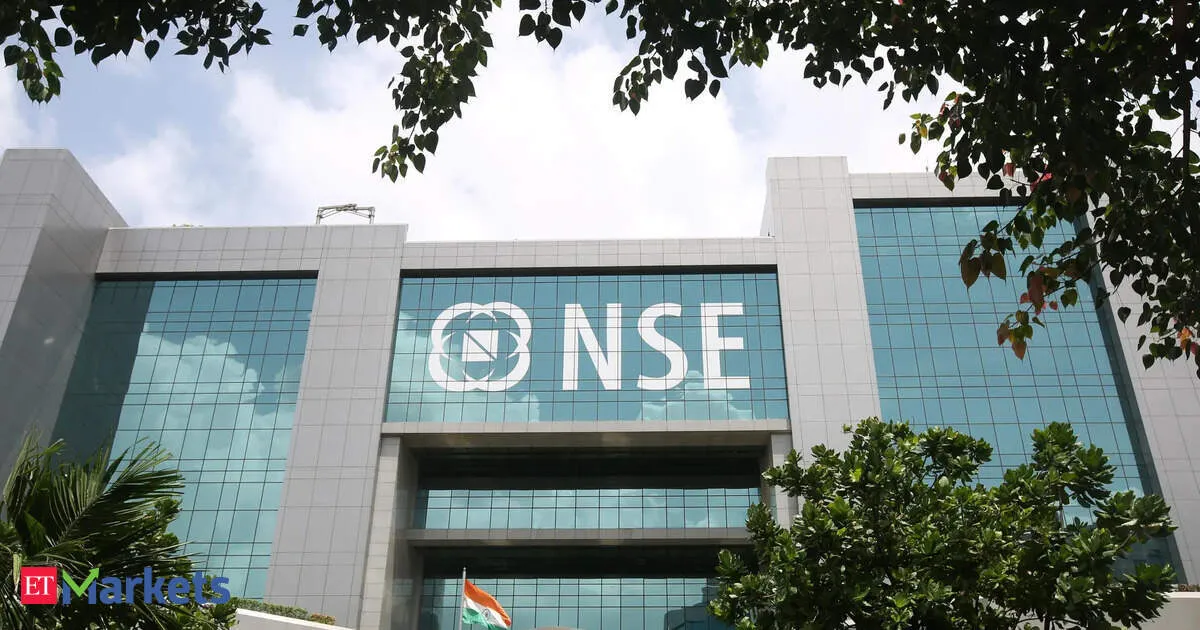
The National Stock Exchange has crossed the 13 crore investor mark, adding about one crore unique investors in just seven months. The surge is being attributed to wider digital access, rising awareness, and supportive policies. Growth is broad across regions, alongside increasing SIP inflows and better diversification, pointing to a more inclusive retail investment ecosystem.
Energy sector mutual funds have rallied nearly 12% over the past three months, outpacing other fund categories as global energy prices climb. Analysts say the move may be cyclical rather than guaranteed. They recommend existing investors book partial profits, while new investors consider SIP or STP to reduce entry-time risk.
Small-cap mutual funds have roared back with double-digit gains over the past month, outperforming mid and large caps. But experts caution the move looks like a sharp post-correction recovery, not a durable trend, citing stretched valuations and rising investor exuberance. They suggest disciplined SIPs for high-risk investors, while noting large caps may offer better risk-reward now.
Women are increasingly driving India’s investing momentum, with demat accounts opened by women jumping 129% since 2021, according to Axis Direct. The data points to a clear preference for mutual funds, steady SIP investing, and long-term goal planning, helped by rising digital adoption and a more risk-aware approach to wealth building.
Stay informed on the go
Bite-sized news from 100+ trusted sources, right in your pocket.
Mutual fund SIP inflows climbed 8% to an all-time high of Rs 32,087 crore in March. Equity fund inflows surged 56%, led by flexi cap schemes. But the mood flipped for safer bets: debt mutual funds saw a sharp outflow of Rs 2.94 lakh crore, with liquid funds registering the biggest redemptions—signaling a clear shift in investor sentiment.
Equity mutual fund inflows in March jumped to their highest level in eight months, underscoring steadfast domestic investor demand despite market turbulence. Higher local buying helped offset recent foreign fund outflows. The biggest surprise was a sharp rise in SIP contributions, which reportedly reached record levels, reinforcing the growing role of disciplined monthly investing.
Swipe through stories, personalise your feed, and save articles for later — all on the app.