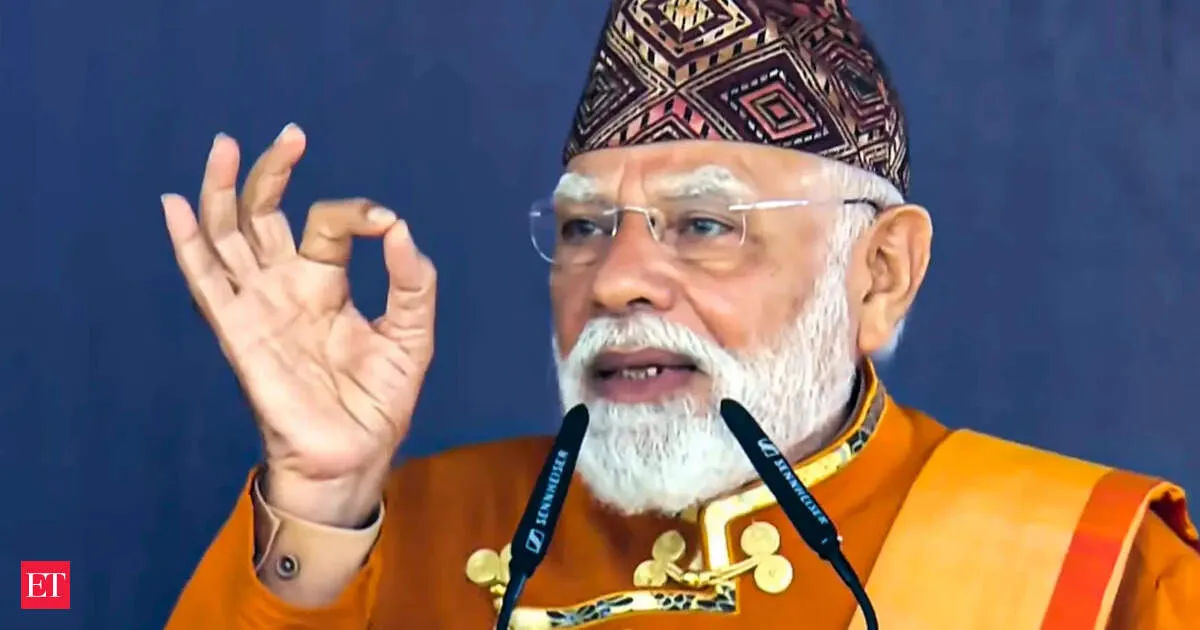
Sikkim has announced sweeping austerity measures from May 18, 2026, aimed at cutting petroleum use and conserving public resources after Prime Minister Narendra Modi’s nationwide appeal amid the West Asia crisis. The Home Department notification orders 50% of government staff to work from home on rosters, a 30% reduction in fuel allotments, and halving the Chief Minister’s vehicle convoy. A one-year ban on new government vehicle purchases, weekend government vehicle restrictions, and an expanded odd-even system across all districts also take effect immediately.
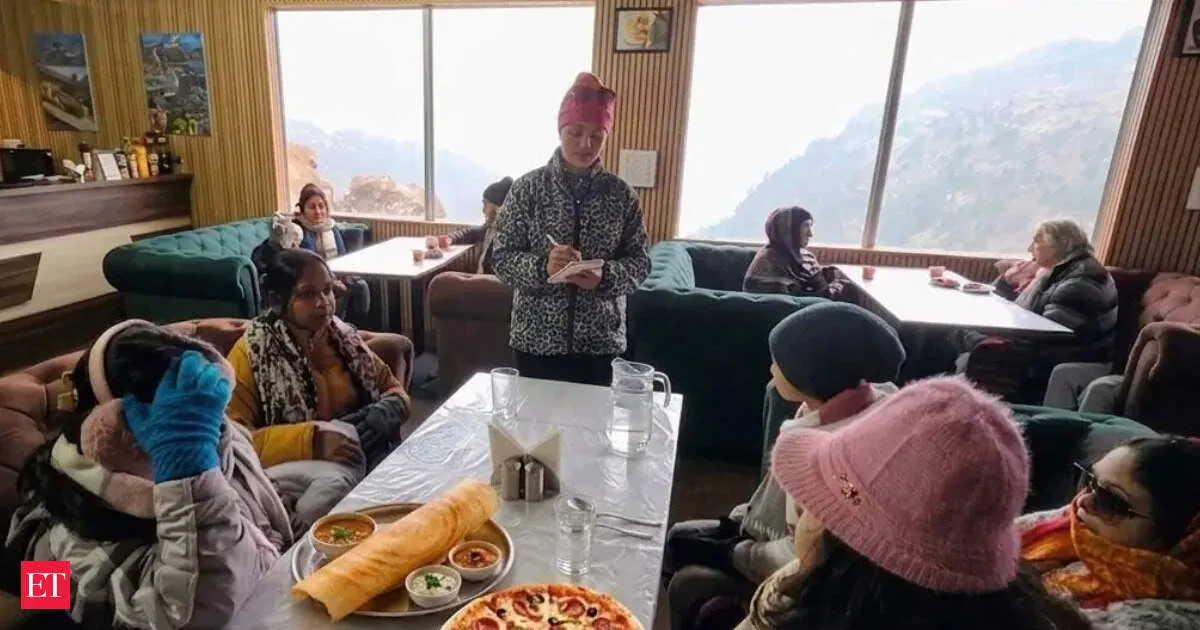
A new women-led cafe has opened near the Baba Harbhajan Singh Shrine in East Sikkim at an altitude of 13,000 feet. Supported by Trishakti Corps, the initiative is designed to create local employment while drawing tourists to border areas. Beyond food, it spotlights regional heritage and strategic geography, showing how military and civilian efforts can deliver inclusive, community-led growth.
Your news, in seconds
Get the Beige app — every story in 60 words, updated hourly. Free on iOS & Android.
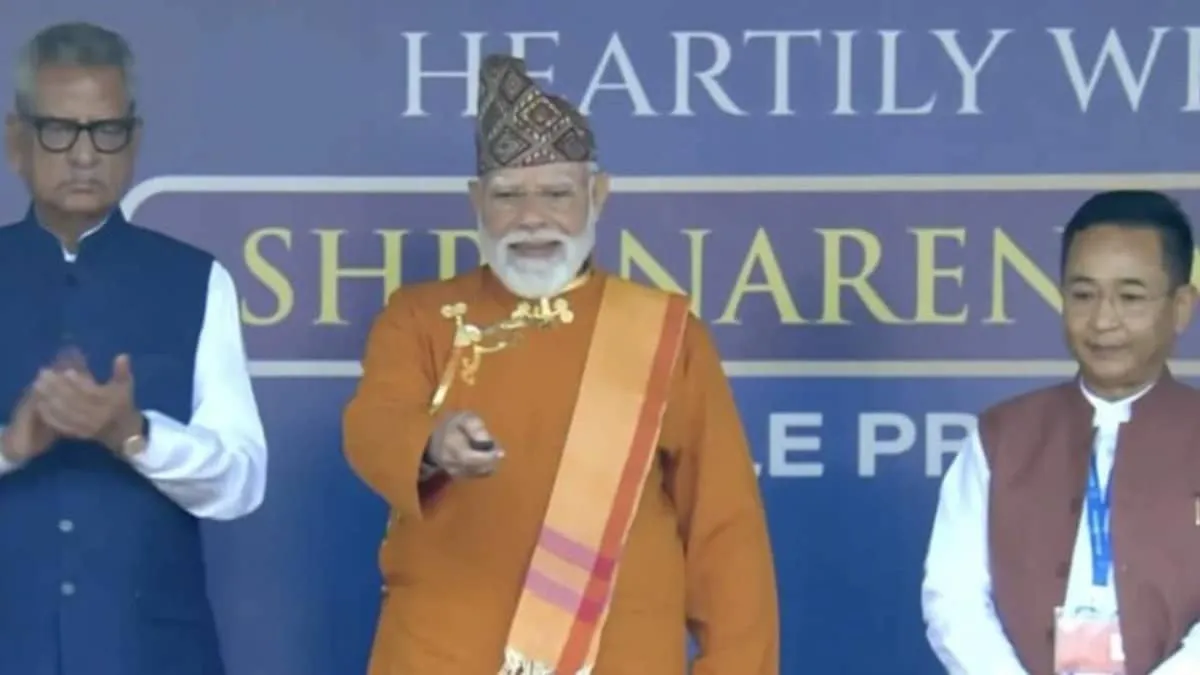
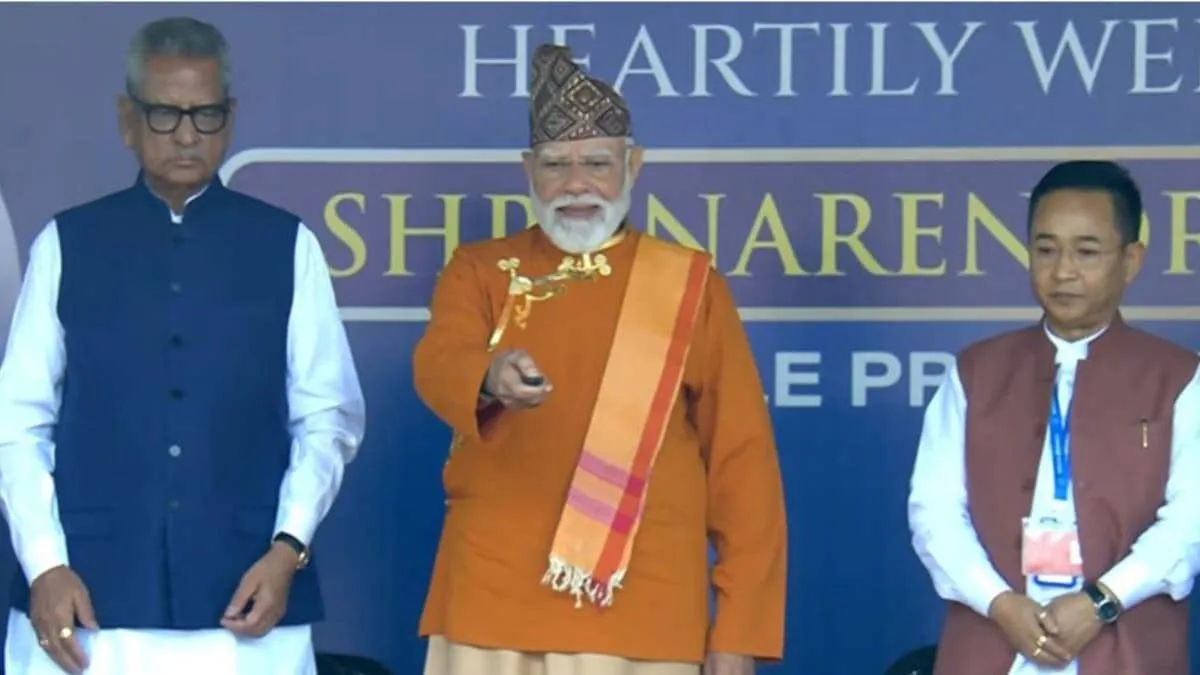
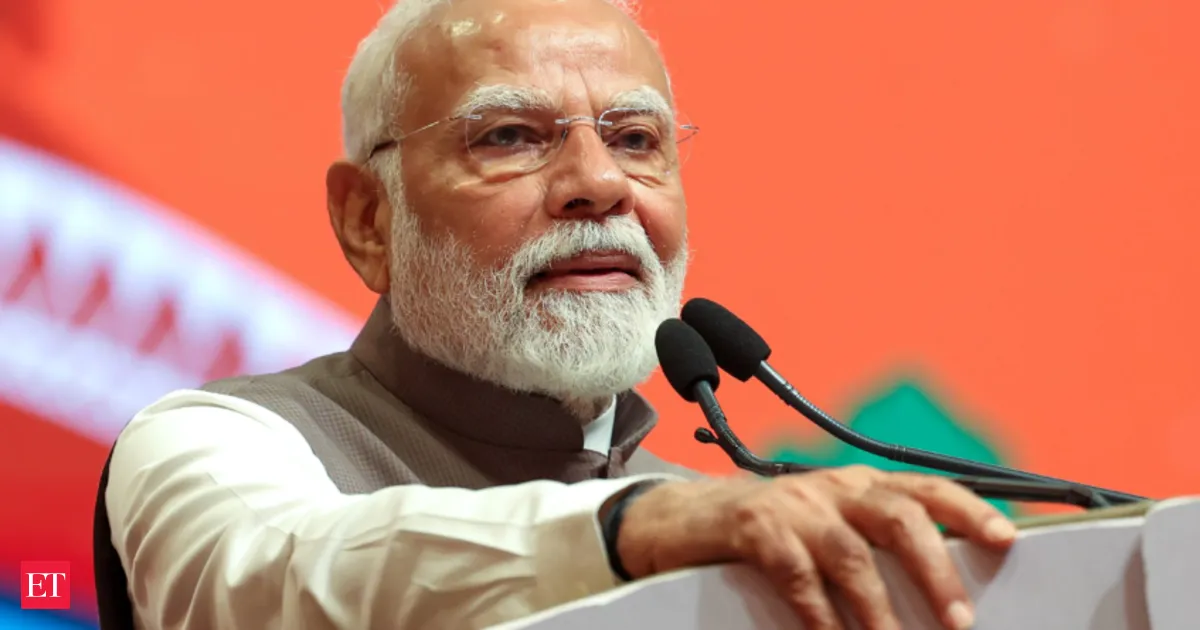
Prime Minister Narendra Modi attended Sikkim’s 50th Statehood celebrations, launching more than 30 development projects valued in the thousands of crores. He framed the Northeast as “Asht Lakshmi” and emphasized faster, focused progress in the region. Modi also said efforts are underway to improve border tourism experiences and described the roadshow and event as unforgettable showcases of unity.
AIFF president Kalyan Chaubey believes Prime Minister Narendra Modi’s football moment in Gangtok, Sikkim—where he played alongside local youngsters—can inspire children across India to take up the sport. Chaubey framed the visit as a powerful signal that big national leaders are backing football, potentially motivating more youth to join and train seriously.
Prime Minister Narendra Modi virtually inaugurated BCCI Indoor Cricket Academies across India’s North-East, using the newly constructed Indoor Cricket Academy at the Sikkim Cricket Ground in Rangpo as the launch point. The initiative aims to expand access to structured indoor cricket training across the region, boosting grassroots development and offering new pathways for aspiring players.
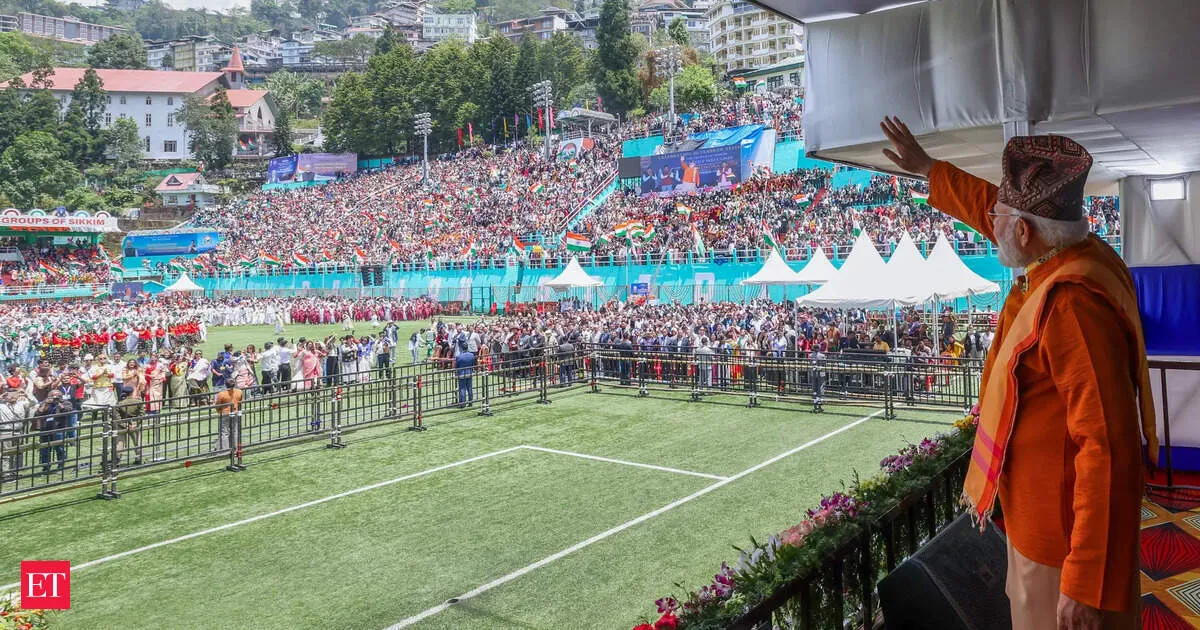
Prime Minister Narendra Modi inaugurated and laid foundation stones for multiple development projects worth over Rs 4,000 crore at Paljor Stadium in Gangtok, during Sikkim’s 50th year of statehood celebrations. The projects cover infrastructure, connectivity, healthcare, education, power, urban development, environment, tourism, and agriculture—aiming to drive holistic and inclusive growth across the state.
Never miss a story
Set alerts for the topics and sources you care about. Download Beige for free.
Prime Minister Narendra Modi said the government is committed to “Act East, Act Fast” for India’s northeast, calling it “Ashtalakshmi.” In Sikkim, he outlined a tourism boost driven by better connectivity, including new expressways and a ring road, alongside eco-wellness and adventure tourism plans. He also flagged upgrades to sports infrastructure in the state.
Prime Minister Narendra Modi spent time playing football with children in Gangtok, Sikkim, during his visit celebrating the state’s 50th anniversary. The same day saw the inauguration and foundation stone laying for more than ₹4,000 crore in projects spanning infrastructure, healthcare, education, and tourism—aimed at accelerating growth and improving public services.
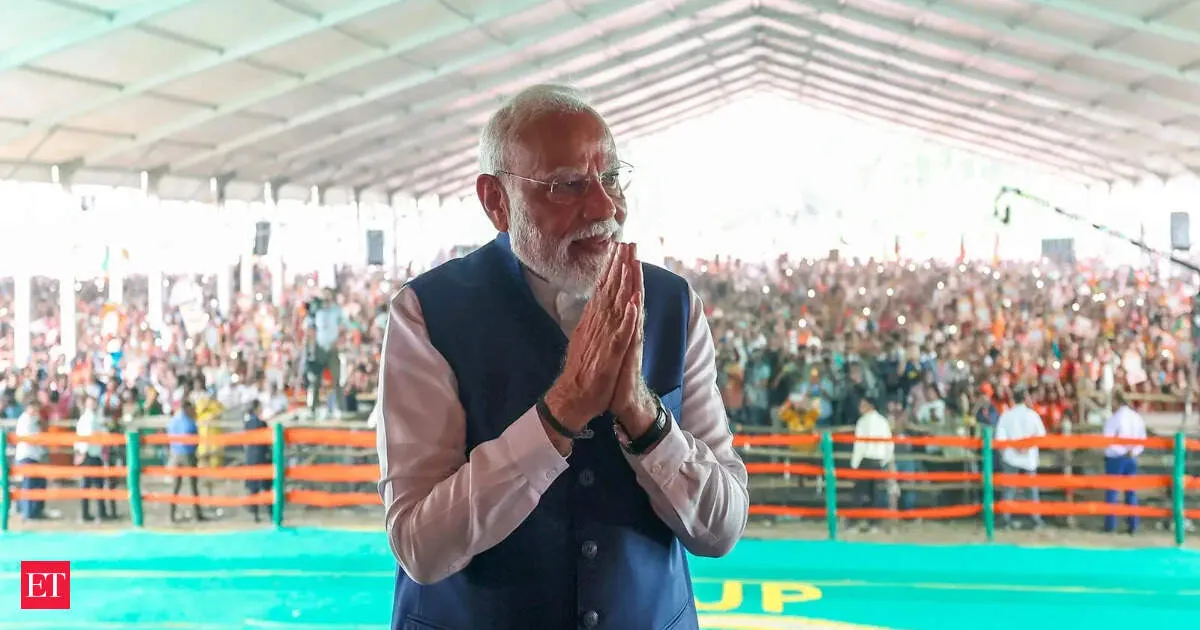
Prime Minister Narendra Modi began a two-day visit to Sikkim by landing in Gangtok and holding a spirited roadshow with crowds at the heart of the city. As part of the state’s 50th statehood celebrations, the government is pushing a Rs 4,000 crore initiative, with projects set to roll out—turning public enthusiasm into tangible spending.
Chimi Ongmu Bhutia, founder of Lagstal Design Studio in Gangtok, Sikkim, rose to national prominence after Prime Minister Narendra Modi mentioned her sustainable bamboo entrepreneurship in Mann Ki Baat. Her designs promote eco-friendly products and spotlight bamboo’s economic potential in Northeast India, crediting schemes like the National Bamboo Mission while pointing to ongoing gaps in funding and infrastructure.
Reading on mobile?
Open Beige in the app for a smoother experience — free on iOS and Android.
Prime Minister Narendra Modi will travel to Sikkim from April 27 to attend the closing ceremony of the state’s 50th anniversary of statehood. During the visit, he is expected to inaugurate and lay the foundation stones for development projects worth over Rs 4,000 crore, spanning infrastructure, healthcare, education, and tourism, with a focus on holistic growth.
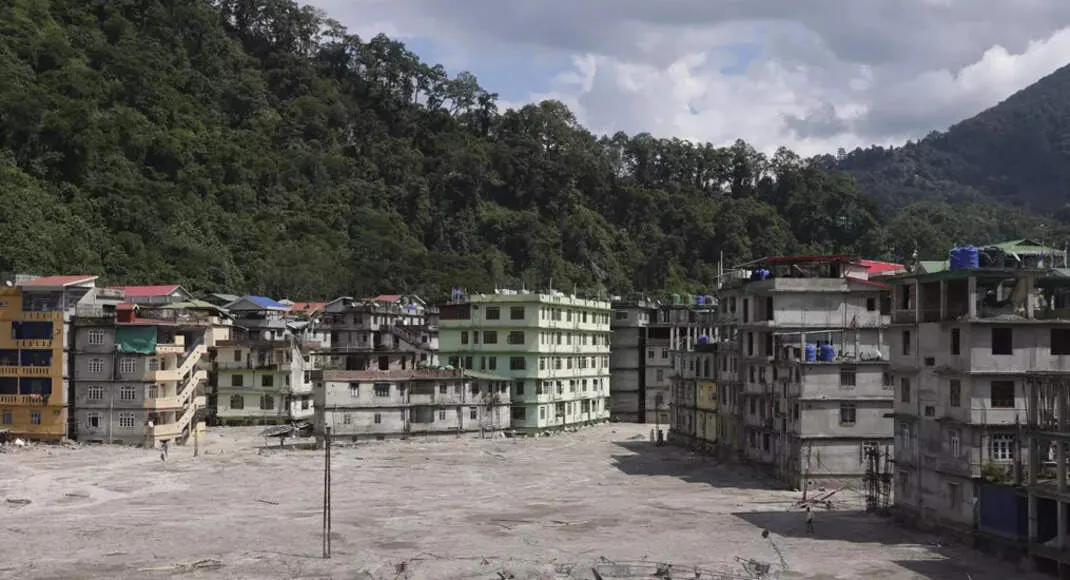
India’s fragile Himalayan ecosystem is now threaded by hydropower and major highways and railways, with claims that at least 430 large hydropower projects exist across the region. Yet development often proceeds without disaster-impact assessments or carrying-capacity studies. The question grows sharper as attention turns to the Chungthang dam in Sikkim and what its collapse signals for the future.
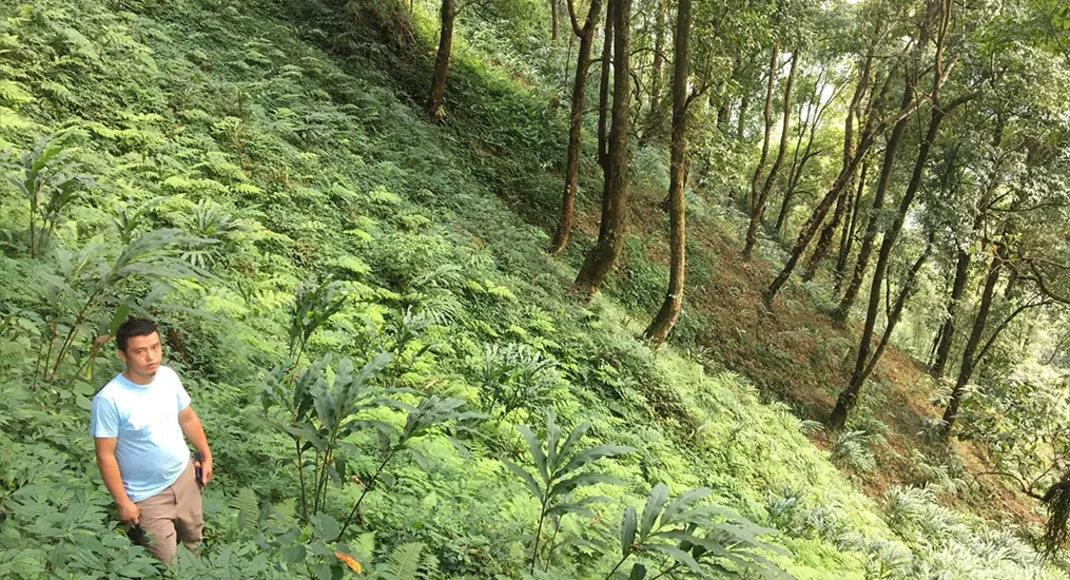
India once dominated global large cardamom production from Sikkim, making the world’s most expensive flavours reliably available. But when supply faltered, the shock didn’t stay in warehouses. Biryani costs and restaurant margins felt it, while farmers in Sikkim lost their livelihood. The disruption shows how fragile spice economies can ripple fast.
Swipe through stories, personalise your feed, and save articles for later — all on the app.